Model hub · Ford
Ford Taurus Photos & Pictures
The Ford Taurus is a front-wheel-drive sedan and wagon introduced for the 1986 model year as the replacement for the rear-wheel-drive Ford LTD. Its rounded, aerodynamic body, often called the jelly-bean shape, broke from the boxy American sedans of the early 1980s and posted a 0.32 drag coefficient. The Taurus was the best-selling car in the United States for five consecutive years, from 1992 through 1996, before the Toyota Camry took the title for 1997. Across its run the Taurus used Ford's pushrod Vulcan 3.0 V6 and Essex 3.8 V6, then the dual-overhead-cam Duratec V6 family, and finally the Cyclone 3.5 V6 and the twin-turbocharged 3.5 EcoBoost V6. The performance Taurus SHO carried a Yamaha-built engine in two distinct eras: a high-revving 3.0 and 3.2 V6 from 1989 through 1995, and a 3.4 V8 from 1996 through 1999. The nameplate became a fleet and police-fleet staple, including the Police Interceptor Sedan. The car that wore the Taurus badge for 2008 and 2009 was a renamed Ford Five Hundred. Ford discontinued the Taurus after the 2019 model year, ending the North American nameplate.
Pick your generation
Each generation page covers what changed year by year, what owners call them, and the wall of registered vehicles.
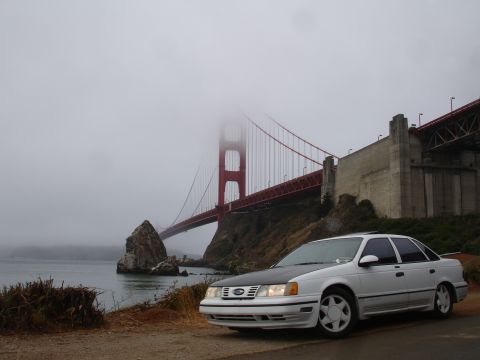 Open1986–1991First-Gen Taurus (1986-1991)3,191 photos · 137 registered
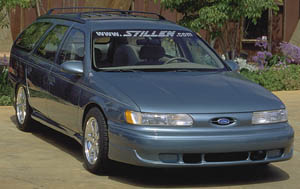
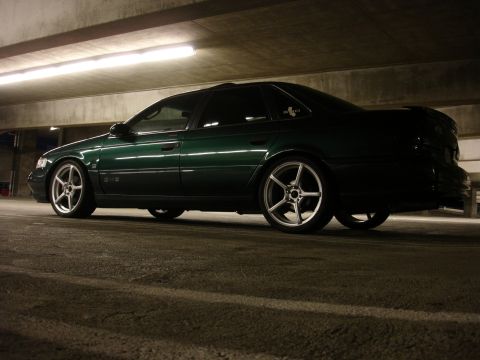 Open1992–1995Second-Gen Taurus (1992-1995)16,547 photos · 328 registered
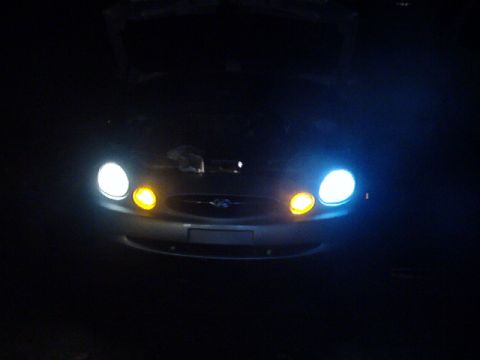
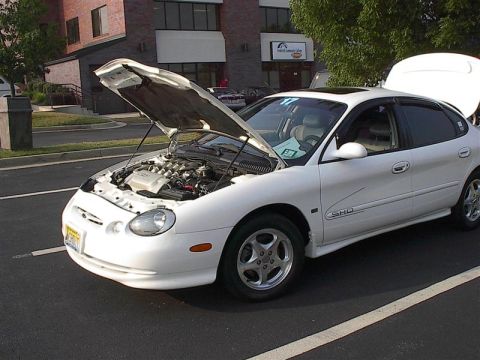 Open1996–1999Oval / Third-Gen Taurus (1996-1999)8,053 photos · 335 registered
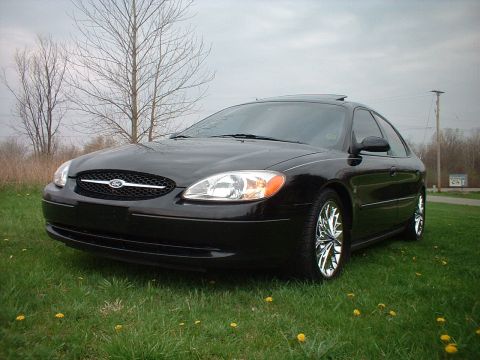 Open2000–2007Fourth-Gen Taurus (2000-2007)2,571 photos · 151 registered
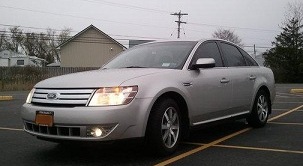 Open2008–2009Fifth-Gen Taurus (2008-2009)14 photos · 1 registered
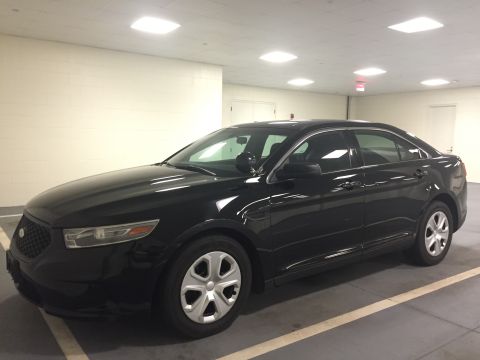 Open2010–2019Sixth-Gen Taurus (2010-2019)88 photos · 5 registered
By model year
The wall
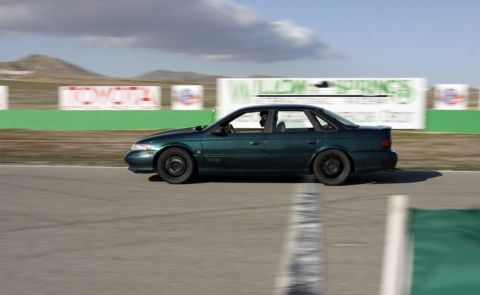
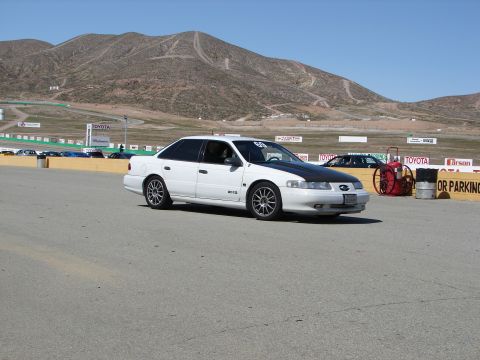
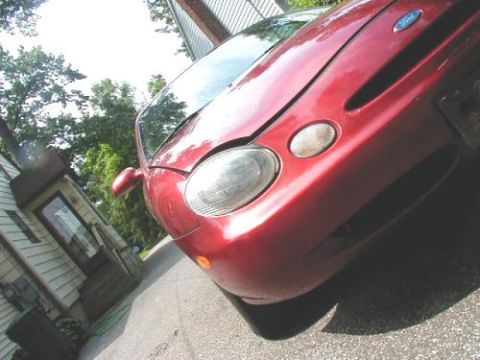
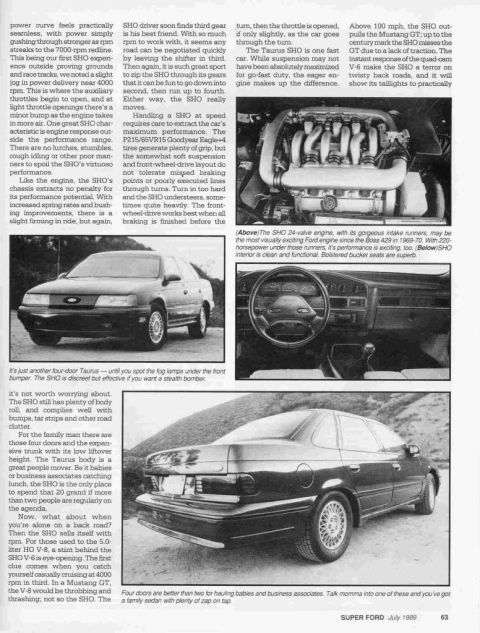
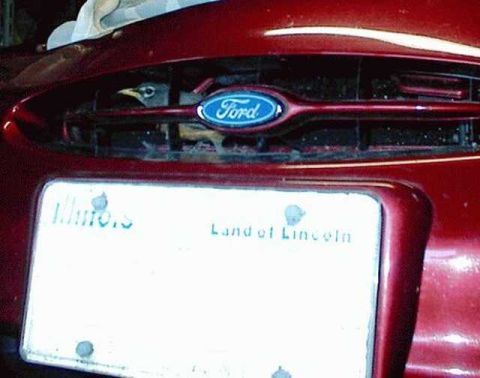
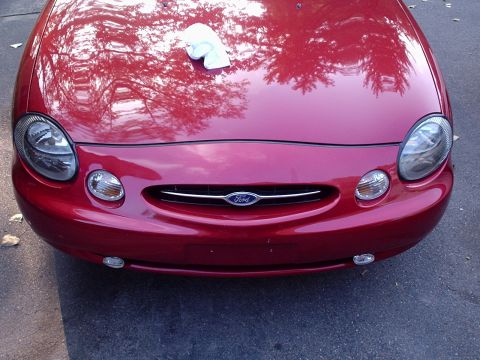
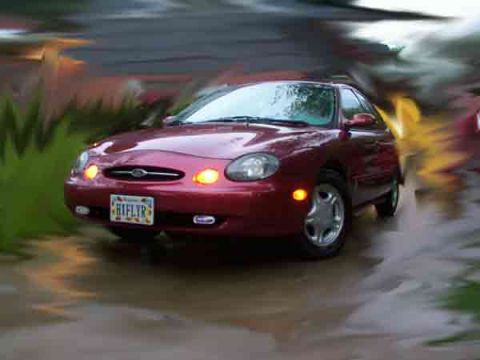
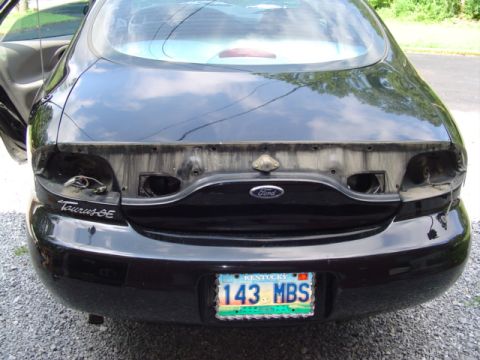
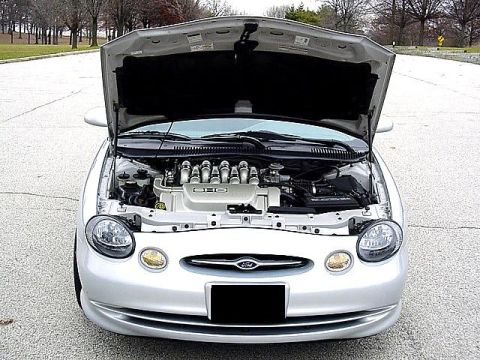
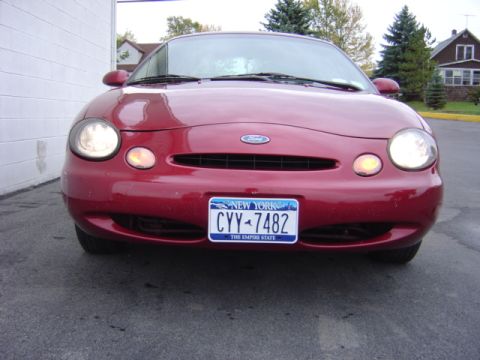
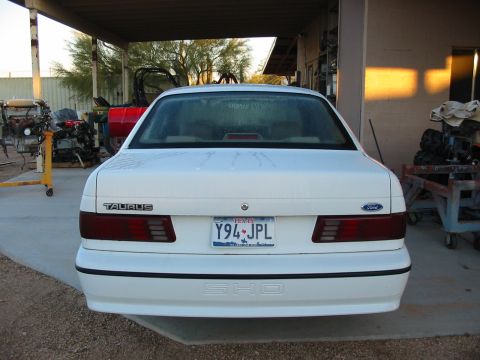
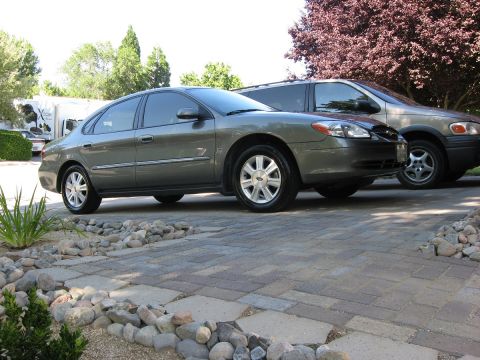
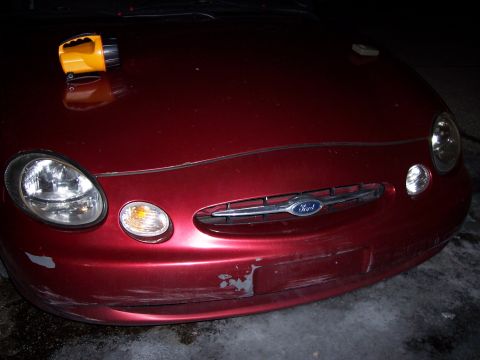
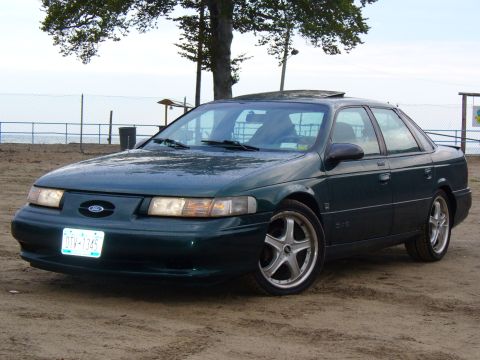
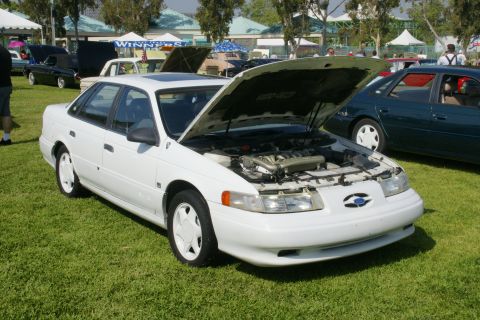
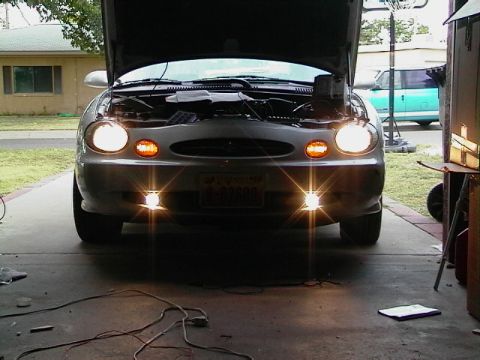
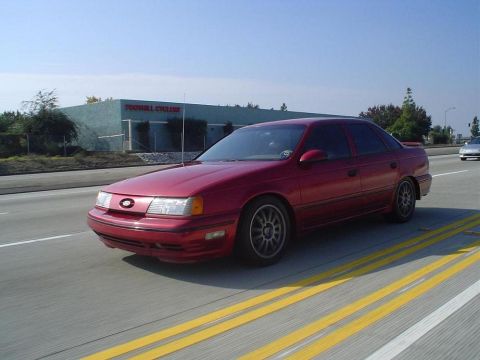
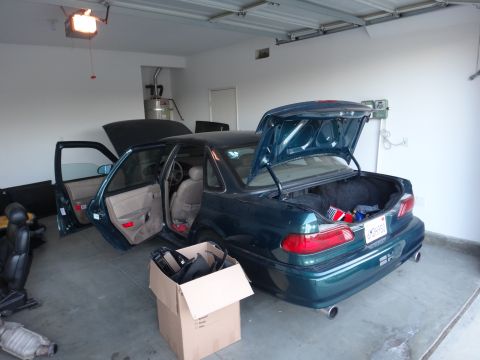
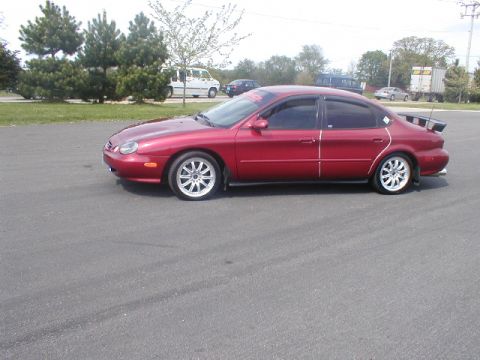
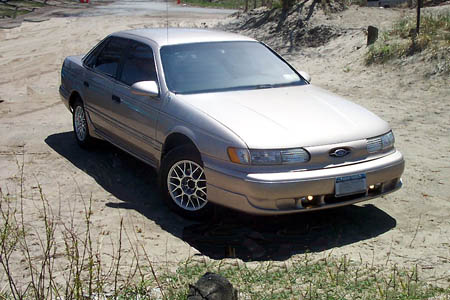
The most-documented Ford Tauruss in the registry, every photo by the owner.


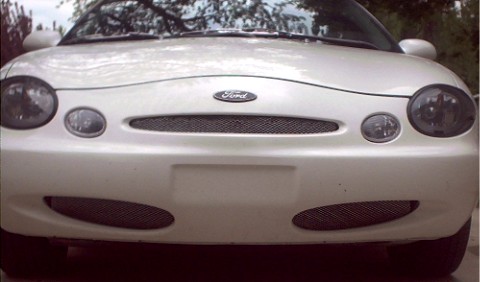
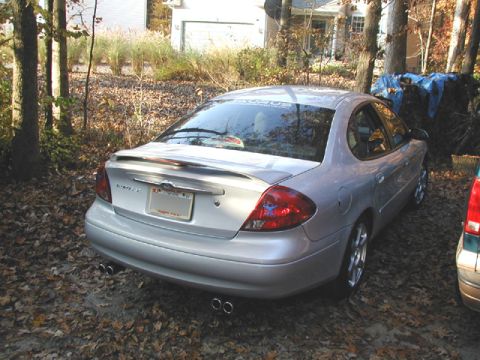
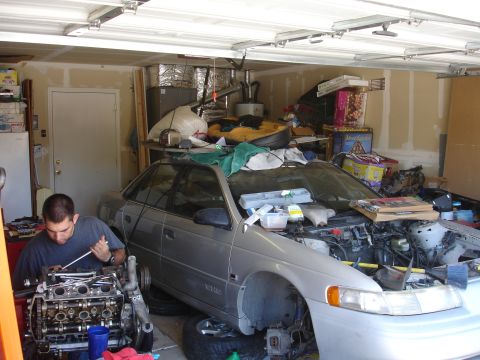
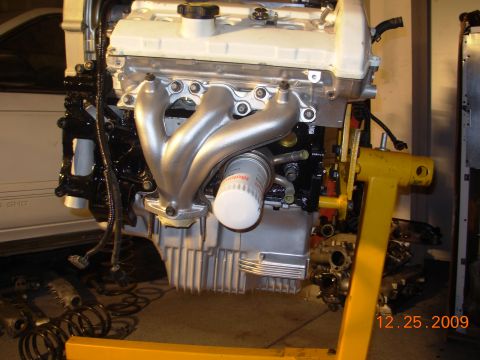
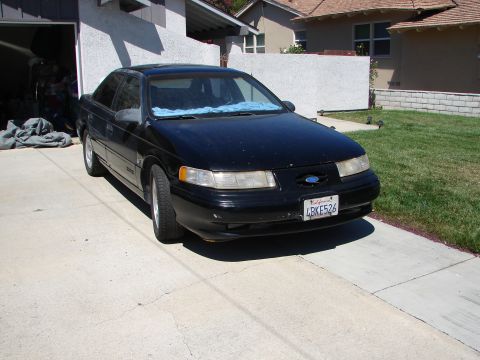
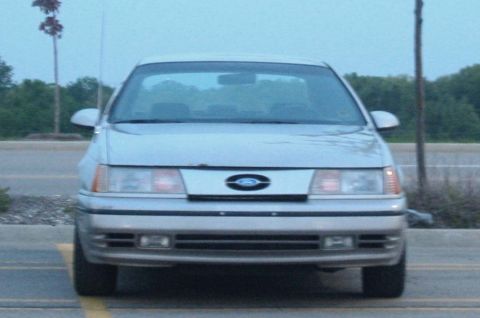
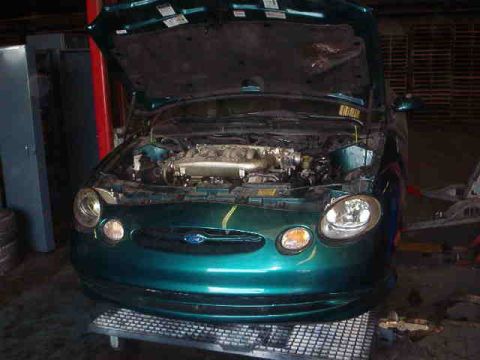
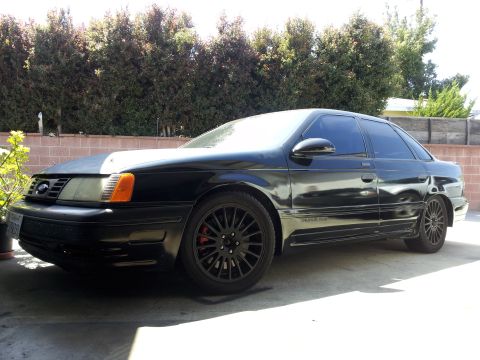
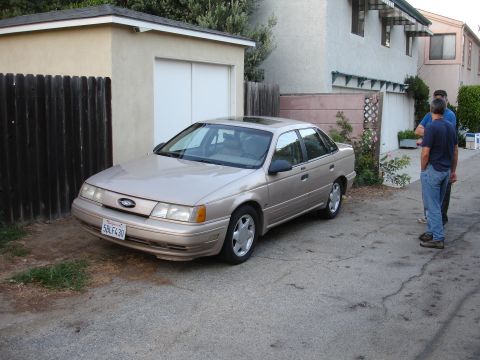
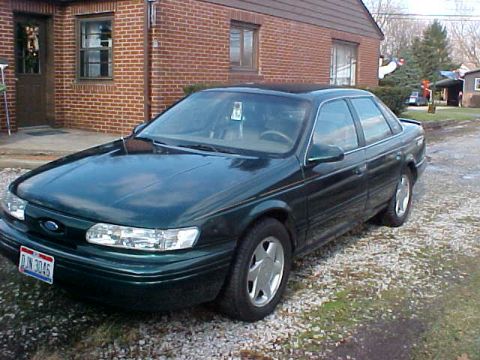
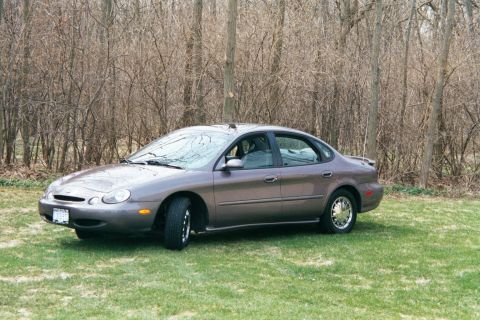

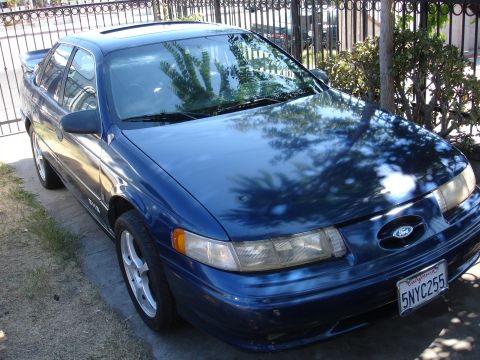
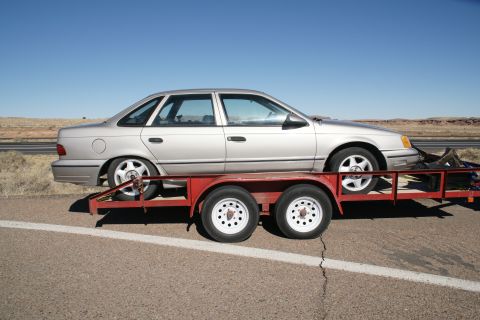
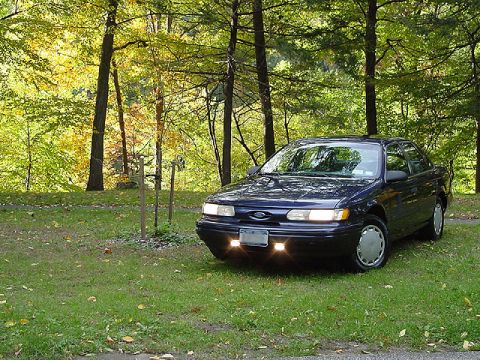
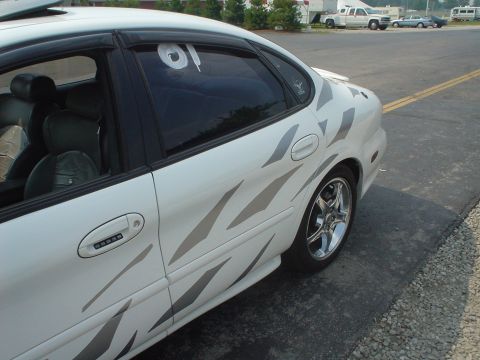
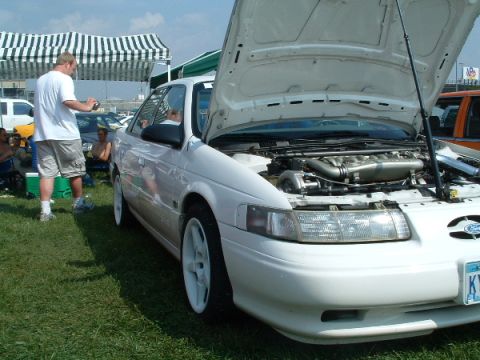
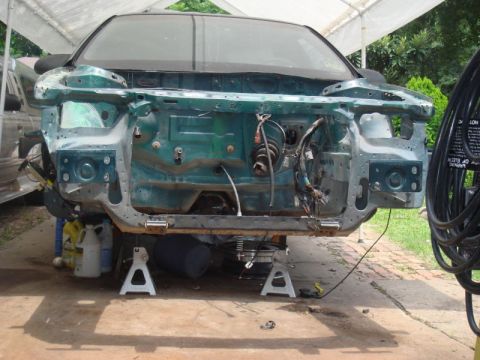
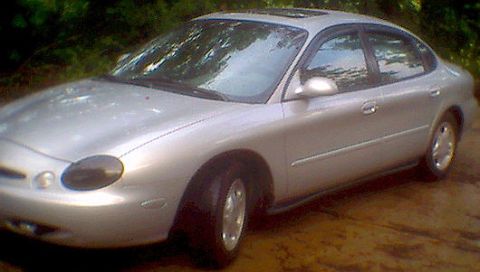
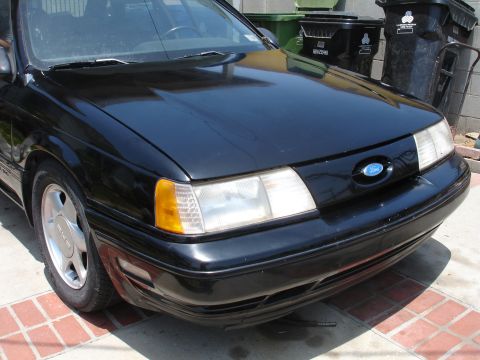
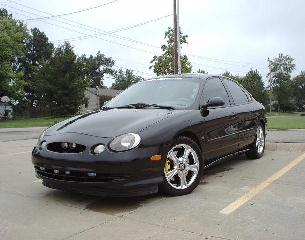
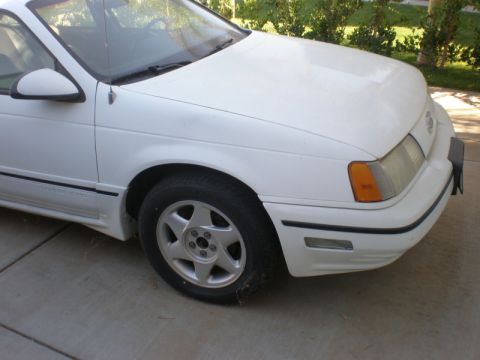
At a glance
- What it is: Ford's front-wheel-drive midsize, later full-size, sedan and wagon, introduced for 1986 as the replacement for the rear-wheel-drive Ford LTD
- Generations: six, spanning model years 1986 through 2019, with the fourth generation sold fleet-only for 2007 before the renamed Five Hundred became the Taurus for 2008
- Signature engines: Vulcan 3.0 OHV V6 and Essex 3.8 V6; Duratec 3.0 DOHC V6; Cyclone 3.5 V6; twin-turbo 3.5 EcoBoost V6; the Yamaha-built SHO 3.0/3.2 V6 and SHO 3.4 V8
- Sales record: best-selling car in the United States for 1992 through 1996
- Performance line: Taurus SHO, with a Yamaha V6 from 1989 to 1995 and a Yamaha V8 from 1996 to 1999, revived with the 3.5 EcoBoost V6 from 2010 to 2019
- Fleet and police use: heavy rental and government fleet sales, and the Police Interceptor Sedan on the sixth generation
- End of line: discontinued after 2019; the last North American Taurus was built March 1, 2019
Ford Taurus generations at a glance
| Years | Generation | Key engines | What defines it |
|---|---|---|---|
| 1986-1991 | First generation | 2.5 HSC I4; Vulcan 3.0 V6; Essex 3.8 V6 (from 1988); SHO Yamaha 3.0 V6 (from 1989) | Aerodynamic jelly-bean design replaces the rear-drive LTD; the SHO arrives for 1989 |
| 1992-1995 | Second generation | Vulcan 3.0 V6; Essex 3.8 V6; SHO Yamaha 3.0 V6 (manual) and 3.2 V6 (automatic) | Restyled and slightly larger; the SHO gains an automatic-only 3.2 V6 for 1993 |
| 1996-1999 | Third generation | Vulcan 3.0 OHV V6; Duratec 3.0 DOHC V6; SHO Yamaha 3.4 V8 | The oval-theme redesign; the SHO switches to a 3.4 Yamaha V8; the Taurus loses the sales crown for 1997 |
| 2000-2007 | Fourth generation | Vulcan 3.0 OHV V6; Duratec 3.0 DOHC V6 | More conventional styling; no SHO; heavy fleet sales; 2007 was fleet-only before the line paused |
| 2008-2009 | Fifth generation | Duratec 3.5 V6 | The renamed Ford Five Hundred, on the D3 platform; the Taurus becomes a full-size car |
| 2010-2019 | Sixth generation | 3.5 Cyclone V6; 2.0 EcoBoost I4 (2013-2017); 3.7 V6 (Police Interceptor); 3.5 EcoBoost V6 (SHO) | Full redesign on the D3 platform; the SHO returns with the twin-turbo 3.5 EcoBoost; discontinued after 2019 |
Why the 1986 Taurus mattered
The 1986 Ford Taurus replaced the rear-wheel-drive Ford LTD with a front-wheel-drive platform and a rounded, aerodynamic body that contrasted sharply with the boxy domestic sedans of the early 1980s. The design, frequently called the jelly-bean shape, helped the Taurus reach a 0.32 drag coefficient. The Taurus and its Mercury Sable sibling sold strongly through the late 1980s, and the nameplate became the best-selling car in the United States for the 1992 model year, a position it held through 1996. First-generation production through the 1991 model year totaled 1,959,671 units, split into 1,487,514 sedans and 472,157 wagons.
Engine eras of the Ford Taurus
The Ford Taurus moved through three broad engine eras. From 1986 the standard six was the pushrod Vulcan 3.0 V6, joined for 1988 by the larger Essex 3.8 V6, with a 2.5 HSC four-cylinder offered early in the run. The 1996 third-generation redesign introduced the dual-overhead-cam Duratec 3.0 V6 as the upper engine while the Vulcan 3.0 continued as the base pushrod V6 into the fourth generation, where the Vulcan was offered through 2007 and the Duratec 3.0 through 2005. The fifth and sixth generations used Ford's newer V6 families: the fifth-generation 2008-2009 Taurus carried the Duratec 3.5 V6, and the 2010-2019 sixth generation used the 3.5 Cyclone V6, added a 2.0 EcoBoost four-cylinder for 2013 through 2017, used a 3.7 V6 in the Police Interceptor Sedan, and offered the twin-turbocharged 3.5 EcoBoost V6 in the SHO.
The Taurus SHO performance line
The Taurus SHO (Super High Output) was the factory performance Taurus, and it used Yamaha-built engines through 1999. The first SHO arrived for 1989 with a Yamaha-designed and Yamaha-built 3.0 dual-overhead-cam 24-valve V6 rated at 220 horsepower, paired only with a Mazda-built MTX-IV five-speed manual; after the early MT-5 manual model was discontinued, the SHO was the only manual-transmission Taurus. For 1993 the second-generation SHO added a 3.2 version of the Yamaha V6 for cars fitted with the automatic, while the 3.0 stayed with the manual through 1995. The third-generation SHO of 1996 through 1999 switched to a 3.4 Yamaha V8 rated at 235 horsepower and an automatic only; that V8 became known for a camshaft-sprocket failure traced to how the sprockets were attached. Ford revived the SHO badge for 2010 on the sixth-generation Taurus with a twin-turbocharged 3.5 EcoBoost V6 rated at 365 horsepower and standard all-wheel drive, and the EcoBoost SHO ran through 2019.
Fleet, police, and the 2008 rename
The Ford Taurus was a major fleet and rental vehicle, and by the mid-1990s a large share of Taurus volume went to fleets; for the 1996 model year, only about 49 percent of the line went to retail buyers. After the fourth generation, which ended as a fleet-only car for 2007, Ford applied the Taurus name to a revised version of the Ford Five Hundred for 2008, making the Taurus a full-size car on the D3 platform. The sixth-generation Taurus, redesigned for 2010, also served as the basis for the Police Interceptor Sedan, which used a 3.7 V6 with all-wheel drive. Ford discontinued the Taurus after the 2019 model year as it shifted toward SUVs and crossovers, and the final North American Taurus was built on March 1, 2019.
Frequently asked questions
When did the Ford Taurus first appear?
The Ford Taurus appeared for the 1986 model year as a front-wheel-drive sedan and wagon that replaced the rear-wheel-drive Ford LTD. Its rounded, aerodynamic body posted a 0.32 drag coefficient and broke from the boxy American sedans of the early 1980s.
Was the Ford Taurus ever the best-selling car in America?
Yes. The Ford Taurus was the best-selling car in the United States for five consecutive years, from 1992 through 1996. The Toyota Camry took the title for the 1997 model year and has generally held it since.
What engines did the Taurus SHO use?
The Taurus SHO used Yamaha-built engines through 1999: a 3.0 V6 from 1989 to 1995 (with a 3.2 V6 added for automatics from 1993), then a 3.4 V8 from 1996 to 1999. Ford revived the SHO for 2010 to 2019 with a twin-turbocharged 3.5 EcoBoost V6 rated at 365 horsepower and standard all-wheel drive.
Was the 2008 Ford Taurus a new car?
No. The 2008 and 2009 Ford Taurus was a renamed and revised Ford Five Hundred on the D3 platform, which made the Taurus a full-size car. Ford had originally planned to sell it as a facelifted Five Hundred before applying the Taurus name shortly before launch.
When was the Ford Taurus discontinued?
Ford discontinued the Taurus after the 2019 model year as it shifted toward SUVs and crossovers. The final North American Taurus was built on March 1, 2019.
Sources
- Wikipedia, Ford Taurus generation articles (first through sixth generations)
- Wikipedia, Ford SHO V6 engine and Ford SHO V8 engine
- Ford-Taurus.org Taurus/Sable Encyclopedia generation histories
- Ford Authority and Ford D3 platform references
- Manufacturer specification figures and contemporary sales reporting
Asked all the time
When did the Ford Taurus first appear?
The Ford Taurus appeared for the 1986 model year as a front-wheel-drive sedan and wagon that replaced the rear-wheel-drive Ford LTD. Its rounded, aerodynamic body posted a 0.32 drag coefficient and broke from the boxy American sedans of the early 1980s.
Was the Ford Taurus ever the best-selling car in America?
Yes. The Ford Taurus was the best-selling car in the United States for five consecutive years, from 1992 through 1996. The Toyota Camry took the title for the 1997 model year and has generally held it since.
What engines did the Taurus SHO use?
The Taurus SHO used Yamaha-built engines through 1999: a 3.0 V6 from 1989 to 1995 (with a 3.2 V6 added for automatics from 1993), then a 3.4 V8 from 1996 to 1999. Ford revived the SHO for 2010 to 2019 with a twin-turbocharged 3.5 EcoBoost V6 rated at 365 horsepower and standard all-wheel drive.
Was the 2008 Ford Taurus a new car?
No. The 2008 and 2009 Ford Taurus was a renamed and revised Ford Five Hundred on the D3 platform, which made the Taurus a full-size car. Ford had originally planned to sell it as a facelifted Five Hundred before applying the Taurus name shortly before launch.
When was the Ford Taurus discontinued?
Ford discontinued the Taurus after the 2019 model year as it shifted toward SUVs and crossovers. The final North American Taurus was built on March 1, 2019.