The registry
Acura Registry: Models, Builds & Photos
Acura launched in March 1986 as Honda's luxury and performance division for North America, the first Japanese premium brand, arriving ahead of Lexus and Infiniti by three years. It opened with two cars, the Legend sedan and the Integra hatchback, and by 1987 was already outselling BMW and Mercedes-Benz in the United States. The badge built its reputation on Honda engineering, high-revving four-cylinders and refined V6s, VTEC variable valve timing from the early 1990s, and later the SH-AWD torque-vectoring all-wheel-drive system.
Pick your model
How Acura Started
Honda created Acura in 1986 to sell upmarket cars its Honda dealers could not, launching with 60 US dealerships. The first Legend came out of a joint development program with British Leyland (the Rover 800 shared its platform), and the first Integra was a twin-cam Civic-derived hatch. In 1990 Acura added the NSX, an aluminum-bodied mid-engine car with a 3.0L VTEC V6, which reset expectations for what the brand could do. Acura is still active today as Honda's premium division.
The Sedans: Legend, Vigor, TL, RL, CL
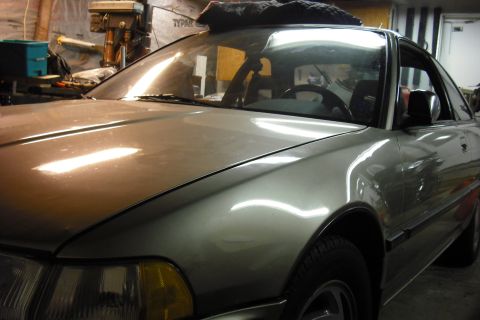
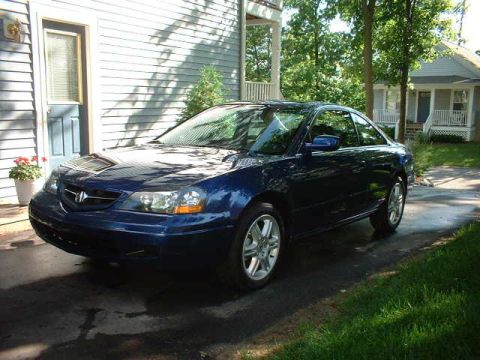
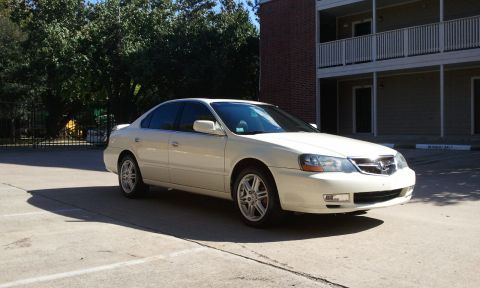
The Legend ran 1986-1995 in two generations, with the second generation (1991-1995) carrying a 3.2L Type II V6 rated at 230 hp in later 6-speed coupes. The Vigor (1992-1994 in North America) was an oddity worth knowing: a longitudinally mounted 2.5L inline five-cylinder (the G25A) driving the front wheels through a unique drivetrain layout. Both were replaced in the alphanumeric shakeup of the mid 1990s. The TL (1996-2014 over four generations) became Acura's volume sedan; the 1999-2003 second generation with the 3.2L J32 V6 was a huge seller, though its 4-speed and 5-speed automatics of that era are known transmission failure points, so service history matters when buying. The CL (1997-1999, then 2001-2003) was the TL's two-door sibling, and the 2001-2003 CL Type-S offered a 260 hp J32A2 with an available 6-speed manual in 2003 only. The RL (1996-2012) topped the range; the 2005-2012 second generation introduced SH-AWD, Acura's torque-vectoring all-wheel drive.
Integra and RSX
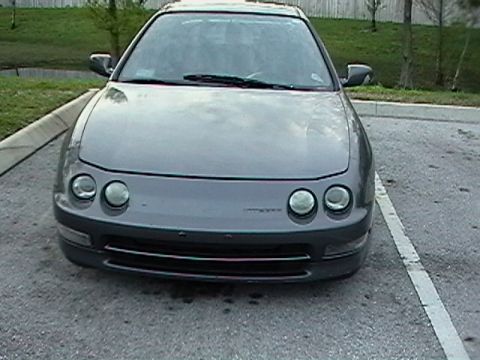
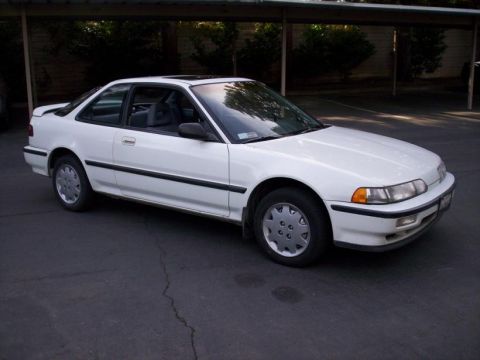
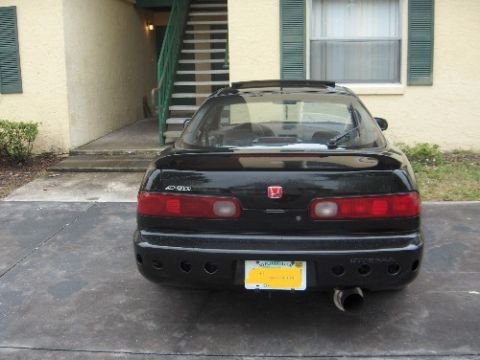
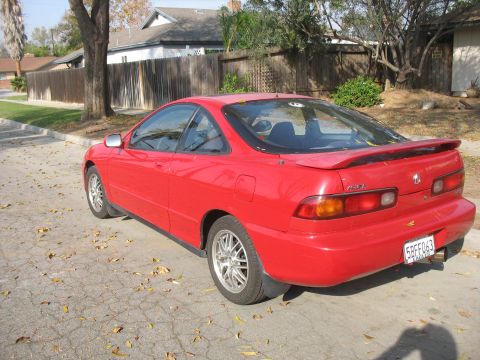
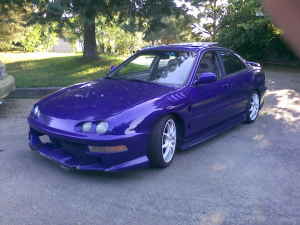
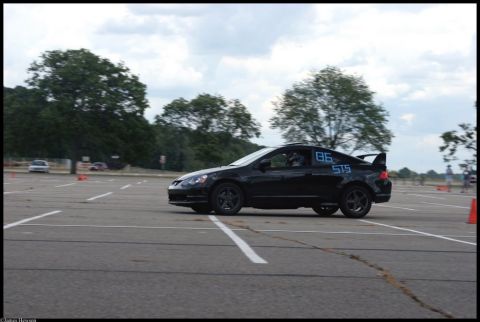
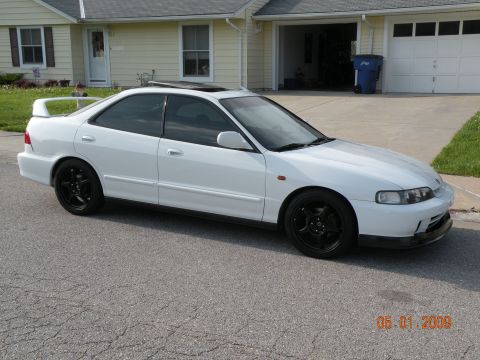
The Integra (1986-2001 in North America) is the brand's core enthusiast car. The 1990-1993 second generation brought the B-series twin cams, and the 1992 GS-R introduced the 1.7L B17A1 VTEC. The 1994-2001 third generation Type R (sold here 1997-1998 and 2000-2001) used a hand-built 1.8L B18C5 making 195 hp at 8,000 rpm. The RSX (2002-2006) replaced it on a new chassis with the K-series engine; the Type-S ran a 2.0L K20A2 (200 hp, later 210) with a 6-speed manual, and its K-swap-friendly drivetrain keeps parts demand high. Acura revived the Integra name in 2022.
MDX
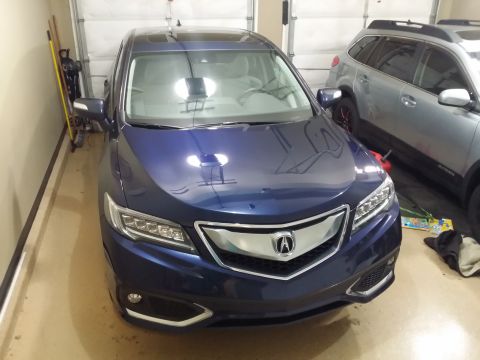
The MDX three-row crossover launched for 2001 on a unibody platform with a 3.5L V6 and became the brand's best seller. Second generation (2007-2013) added SH-AWD across the line; third generation ran 2014-2020. Timing-belt service on the J-series V6 is the recurring maintenance item owners plan around.
Asked all the time
When did Acura start and is it still around?
Acura launched in March 1986 as Honda's North American luxury division and is still in business. It was the first Japanese premium brand, beating Lexus and Infiniti to market by three years.
What years was the Acura Integra made?
The Acura Integra sold in North America from 1986 through 2001 across three generations. The Type R came here for 1997-1998 and 2000-2001. Acura revived the Integra name for the 2023 model year, and the RSX (2002-2006) filled the gap in between.
What is the known weak point on older Acura TLs?
The automatic transmissions in 1999-2003 Acura TLs (and the related CL) have a well-documented failure history, and Honda extended warranties on many of them at the time. A TL with a documented rebuild or fluid-service history is worth paying more for. The J32 V6 itself is durable if the timing belt is done on schedule.
Is Acura parts availability a problem on the older cars?
Mechanical parts for Acura models are generally easy to get because so much is shared with Honda: the Integra and RSX use B-series and K-series engines with huge aftermarket support. Trim and interior pieces for low-volume cars like the Vigor and Legend coupe are the hard part, and used-market sourcing is the norm there.
What makes the Acura Vigor unusual?
The 1992-1994 Acura Vigor used a 2.5L inline five-cylinder mounted longitudinally but driving the front wheels, a layout almost nothing else in the class used. It slotted between Integra and Legend and was replaced by the 2.5 TL in 1996.
The wall
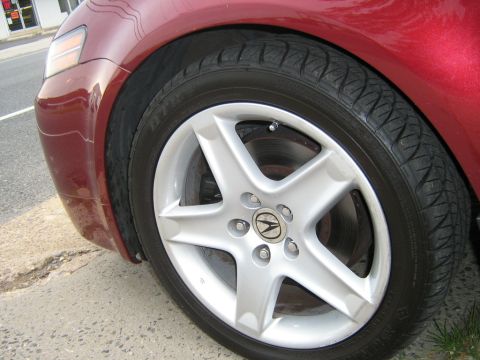
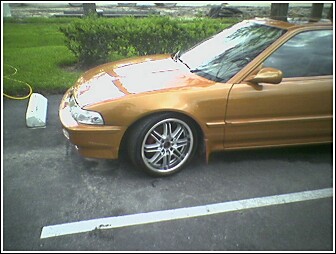
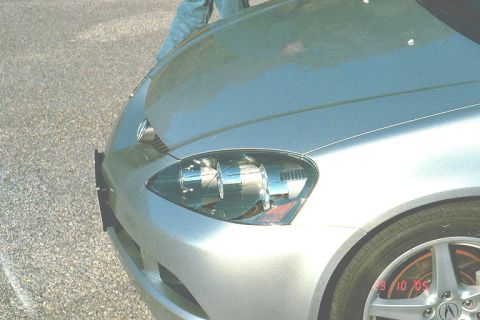
The most-documented Acura vehicles in the registry, every photo by the owner.