The registry
Arctic Cat Registry: Models, Builds & Photos
Arctic Cat has built snowmobiles in Thief River Falls, Minnesota since 1960, when Edgar Hetteen founded the company after leaving Polaris. The original Arctic Enterprises went bankrupt in 1981, was revived as Arctco in 1983, spent 2017 to 2025 under Textron, and became independent again in April 2025 when an investor group bought the brand and put sleds back into production. Along the way it produced some of the most raced and most collected machines in the sport, from the leaf-spring El Tigre of the 1970s to the laydown-engine Firecat of the 2000s.
Pick your model
Founding and the first collapse
Edgar Hetteen helped start Polaris in Roseau, Minnesota, then left and arrived in Thief River Falls by Christmas 1960 with a co-signed $10,000 note to start Polar Manufacturing, soon renamed Arctic Enterprises. Through the 1960s and 1970s the company grew into one of the largest snowmobile builders in the world, with factory race programs and the Kitty Cat kids sled. Early machines ran Kohler, JLO, and Hirth engines, Kawasaki twins powered the hot sleds of the early 1970s, and Suzuki displaced Kawasaki as engine supplier in 1976 with the Spirit line. The snowmobile market crash of the late 1970s took the company down. Arctic Enterprises filed for bankruptcy in 1981, and for two winters there were no new Cats.
Arctco, Textron, and independence again
Twelve former employees and executives brought the brand back in 1983 as Arctco, restarting production in the same town with Suzuki two-strokes for model year 1984. That engine relationship lasted until Arctic Cat began building its own engines in St. Cloud after the 2014 model year, with a few Suzuki-powered models carrying into 2015. The company returned to the name Arctic Cat Inc. in 1996 and was bought by Textron in 2017. Textron halted production in late 2024 while it shopped the powersports business, then sold Arctic Cat on April 23, 2025 to an investment group led by Brad Darling, the Argo president and a former Arctic Cat executive. The new company released a 27-model 2026 snowmobile lineup within days of the sale and restarted the Thief River Falls and St. Cloud plants, so new Cats are being built again.
Model lines worth knowing
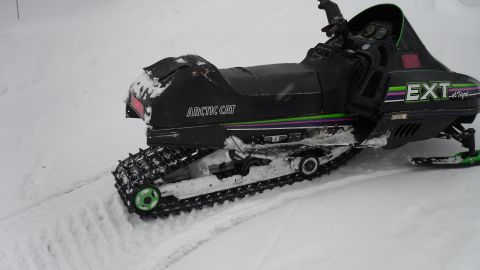
- El Tigre: Arctic Cat's performance line of the 1970s, running tapered mono-leaf front springs through the 1978-1981 El Tigre 6000. Arctco put the name back on a transition model for 1984, and the liquid-cooled El Tigre EXT of 1989-1991 paired Suzuki twins with the double-wishbone AWS front end, feeding into the EXT line that carried on through the 1990s.
- ZR: the flagship performance series from 1993, launched with the ZR 440 and a 500-unit run of ZR 580s that dominated that winter's racing. The ZR 600 EFI of the late 1990s ran a liquid-cooled Suzuki twin with Arctic Cat's batteryless electronic fuel injection, a system the company had on production sleds from the mid 1990s.
- Powder Special: the dedicated mountain line of the late 1990s. The 1998-1999 Powder Special 600 EFI carried a 599cc liquid-cooled Suzuki twin and a 136 inch track, sharing its engines with the ZR trail sleds; the triple-cylinder version wore the Powder Extreme badge.
- F-7 Firecat: introduced for 2003 with a laydown 698cc Suzuki twin that dropped the engine low and rearward in an all-new chassis targeting 445 pounds dry. It was one of the best power-to-weight sleds of its day, the 2003-2004 F-7s remain sought after, and the Firecat line ran through 2006.
- King Cat 900: introduced for 2004, a big-bore mountain sled with a carbureted 900cc twin that gained fuel injection for 2005. It sat at the top of the lineup alongside the T660 Turbo, the industry's first production turbocharged snowmobile.
- Mountain Cat 800: the deep-snow flagship of the late 2010s, sold as the M 8000 Mountain Cat. It debuted for 2017, then moved onto the narrower Ascender platform for 2018 and picked up Arctic Cat's own 794cc C-TEC2 twin with dual-stage injection, built in St. Cloud after the Suzuki era ended.
- Puma: a name used twice, first on sleds of 1969 through the early 1970s with Hirth engines, then on fan-cooled 339cc trail models in 1994 and 1995.
Asked all the time
When was Arctic Cat founded and is it still in business?
Arctic Cat was founded in 1960 by Edgar Hetteen in Thief River Falls, Minnesota. The original company went bankrupt in 1981, came back as Arctco in 1983, and was owned by Textron from 2017 to 2025. Textron sold the brand in April 2025 to an investment group led by former Arctic Cat executive Brad Darling, and the new owners restarted production and released a full 2026 snowmobile lineup, so Arctic Cat is still building sleds.
What engines did Arctic Cat snowmobiles use?
The 1960s sleds ran Kohler, JLO, and Hirth engines, Kawasaki twins powered the early-1970s performance models, and Suzuki took over in 1976 with the Spirit line. Suzuki two-strokes and four-strokes powered Cats from the Arctco restart until Arctic Cat began building its own engines in St. Cloud after the 2014 model year, including the C-TEC2 two-strokes with dual-stage injection, like the 794cc twin in the Mountain Cat 800.
What makes the F-7 Firecat different from earlier Arctic Cat sleds?
The Arctic Cat F-7 Firecat, launched for 2003, used a laydown 698cc Suzuki twin mounted low and rearward in a new chassis targeting 445 pounds dry. That gave it a power-to-weight ratio that embarrassed bigger sleds, and clean 2003-2004 F-7s still bring strong money.
Are parts still available for older Arctic Cat snowmobiles?
Yes, within reason. Arctic Cat's Suzuki-era two-strokes (El Tigre EXT, ZR, Powder Special, Firecat) share a lot of engine and clutch parts across years, and the aftermarket plus salvage supply is deep because production volumes were high. Pre-1981 Arctic Enterprises sleds lean more on NOS parts and the vintage community.
What distinguishes the different Arctic Cat eras when buying used?
Rough split: pre-1981 Arctic Enterprises sleds are vintage collector machines, 1983-2002 Arctco/Suzuki sleds (EXT, ZR, Powder Special) are affordable riders, 2003-2006 is the Firecat era followed by the Twin Spar chassis, and 2012 started the ProCross era, with Arctic Cat's own engines arriving in the mid 2010s and the Catalyst chassis current since the 2024 model year.
The wall
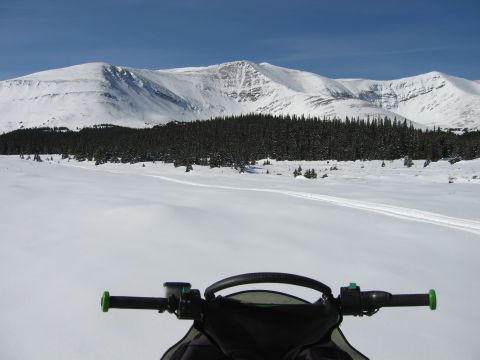
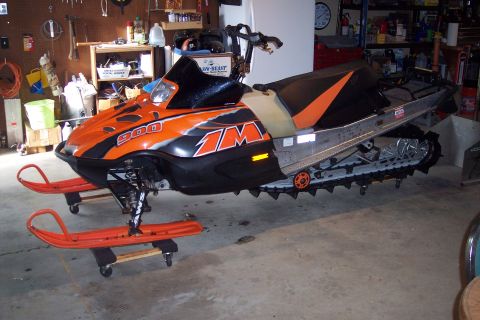
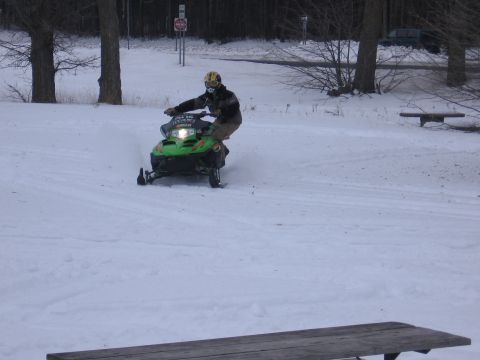
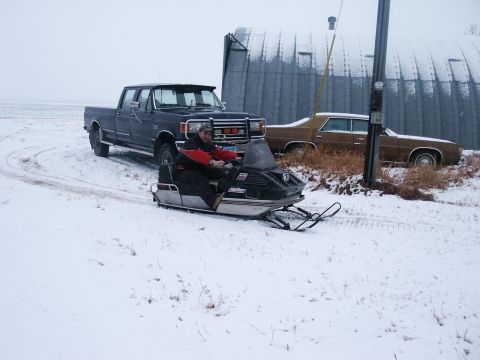
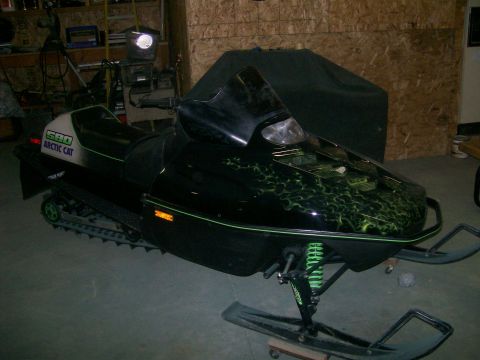
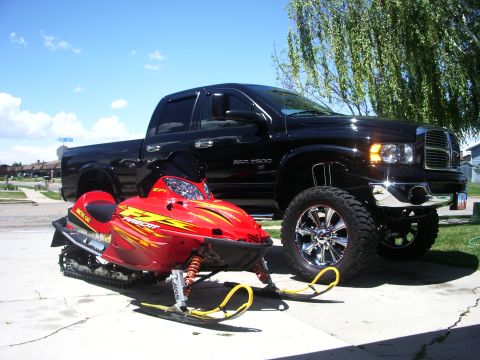
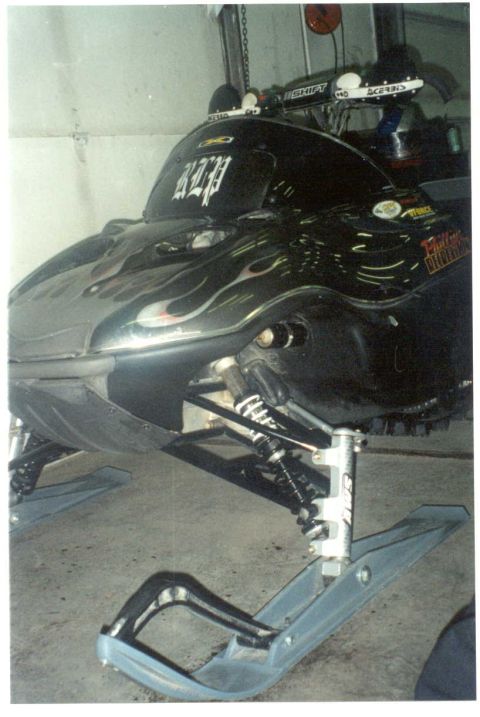
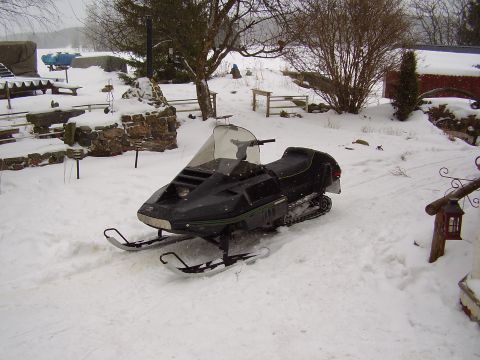
The most-documented Arctic Cat vehicles in the registry, every photo by the owner.