The registry
Audi Registry: Models, Builds & Photos
Audi traces back to 1909, when August Horch founded the company in Zwickau, Germany after losing the rights to his own name (Audi is the Latin translation of Horch, "listen"). The four-ring badge dates to the 1932 Auto Union merger of Audi, DKW, Horch, and Wanderer. Volkswagen bought Auto Union from Daimler-Benz in stages between 1964 and 1966 and revived the dormant Audi name in 1965. The 1980 Quattro coupe put permanent all-wheel drive in a mass-produced performance car, and quattro drivetrains have anchored the lineup ever since.
Pick your model
From Horch to Auto Union to Volkswagen
August Horch started building cars under the Audi name in 1910 in Zwickau. The 1932 merger with DKW, Horch, and Wanderer created Auto Union and the four-ring logo. After the war the company reformed in Ingolstadt, and Volkswagen bought it from Daimler-Benz in stages, taking control in 1965 and completing the purchase in 1966. The Audi badge returned in September 1965 on the F103 sedans. A 1969 merger with NSU formed Audi NSU Auto Union AG and brought in the Neckarsulm plant along with the rotary-engined Ro80. The five-cylinder engines that defined the brand through the 1980s were Audi's own work, pushed through by Ferdinand Piëch and introduced in the 100 for 1976. The 1980 Quattro proved center-differential all-wheel drive worked in a road car, and it won Audi the World Rally Championship manufacturers title in 1982 and 1984. The factory later won Le Mans outright 13 times between 2000 and 2014, including the first diesel victory with the R10 TDI in 2006.
The 5000 era in America
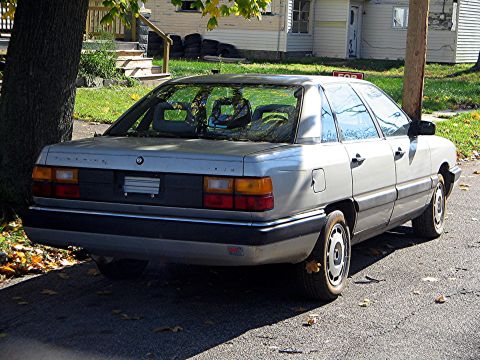
In the United States the Audi 100 and 200 were sold as the 5000 from 1978 through 1988. The aerodynamic C3 body arrived for 1984 and posted a 0.30 drag coefficient, remarkable for a production sedan at the time. The 1986 "60 Minutes" unintended-acceleration story cratered US sales for years even though NHTSA later attributed the incidents to pedal misapplication. Audi retired the 5000 name for 1989, reverting to 100 and 200.
A4 and S4
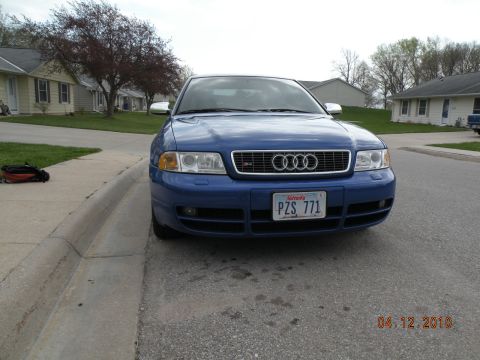
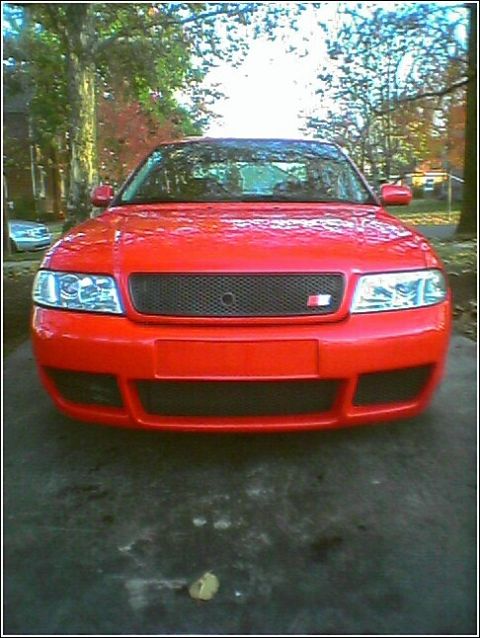
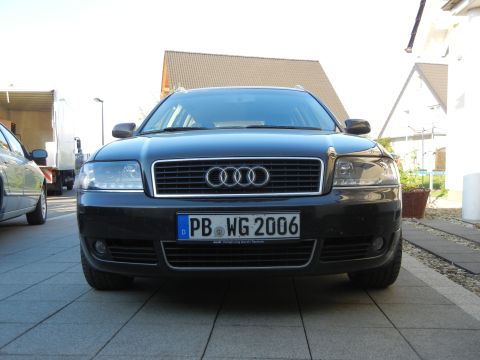
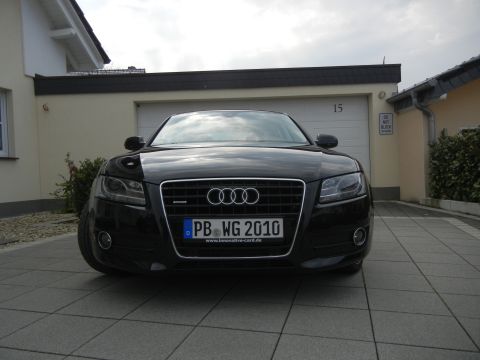
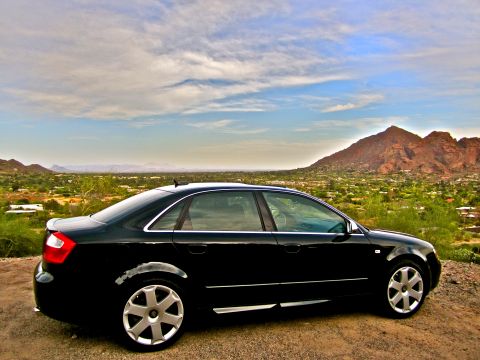
The A4 replaced the 90 (the US name for what Europe knew as the 80) for 1996 and carried the brand's volume through the B5 (1996-2001), B6 (2002-2005), B7 (2005-2008), and B8 (2009-2016) generations, with longitudinal engines and available quattro throughout. The B5 S4 (2000-2002 in the US) ran a 2.7-liter twin-turbo V6; the B6 and B7 S4 (2004-2008) switched to a 4.2-liter 40-valve V8 with a six-speed manual available.
A6, A8, and S8
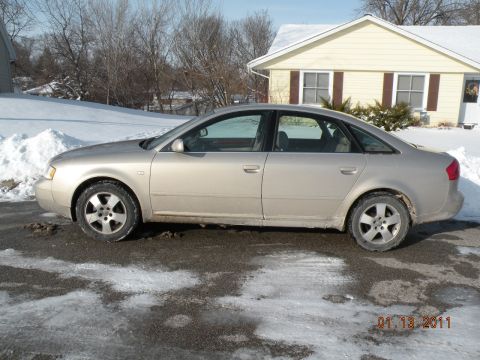
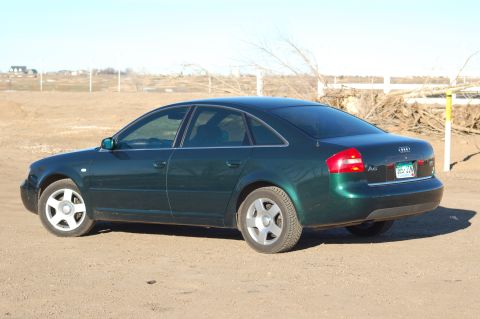
The A6 succeeded the 100 in 1994 and the C5 generation (1998-2004) offered the same 2.7T biturbo as the S4 plus a 4.2 V8. The C5-based allroad quattro (2001-2005 in the US) paired the 2.7T with height-adjustable air suspension. The A8 flagship launched in 1994 on the all-aluminum ASF spaceframe, a production first at that scale; the D3 (2004-2010) and D4 (2011-2018) continued the aluminum construction. The D2 S8 reached the US for 2001-2003 with a 360 hp 4.2 V8 and quattro.
TT
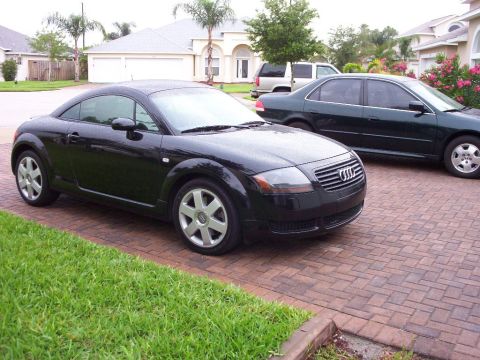
The first-generation TT (2000-2006 in the US) sat on the transverse Golf-family platform with a 1.8-liter 20-valve turbo four in 180 and 225 hp tunes, using a Haldex clutch for its quattro models rather than the longitudinal Torsen setup. A 250 hp 3.2-liter VR6 with standard quattro joined the range in the final years.
Asked all the time
What years was the Audi 5000 sold, and what is it really?
The Audi 5000 was the US-market name for the Audi 100 and 200, sold from 1978 through 1988. After the 1986 unintended-acceleration controversy hurt sales, Audi dropped the 5000 name for 1989 and reverted to 100 and 200 badging.
Which Audi S4 has the twin-turbo V6 and which has the V8?
The B5 Audi S4 (2000-2002 in the US) uses the 2.7-liter twin-turbo V6. The B6 and B7 Audi S4 (2004-2008) use a 4.2-liter naturally aspirated V8. Both came with quattro standard and offered a six-speed manual.
Are Audi A8 and S8 bodies really aluminum?
The A8 launched in 1994 on the aluminum Audi Space Frame (ASF), and the D2 through D4 generations (through 2018 in the US) are essentially all aluminum, S8 included. The current generation keeps the ASF name but mixes aluminum with steel, magnesium, and carbon fiber. Either way, body repair requires aluminum-capable shops, and panel work costs more than on a steel sedan, which matters when pricing an older A8 or S8.
What is the difference between quattro on an Audi TT and quattro on an A4 or A6?
The first-generation Audi TT is built on a transverse platform and its quattro system uses a Haldex clutch that engages the rear axle on demand. Longitudinal-engine Audis like the A4, S4, and A6 of that era use a permanent Torsen center differential instead.
What should I know about owning a 2.7T Audi (S4, A6, allroad)?
The 2.7-liter biturbo in the B5 Audi S4, C5 A6, and C5 allroad responds well to tuning but the K03 turbos sit deep in the engine bay, so turbo replacement is labor-heavy. On the allroad, budget for the air suspension too; compressors and struts are common failures on high-mileage cars.
The wall
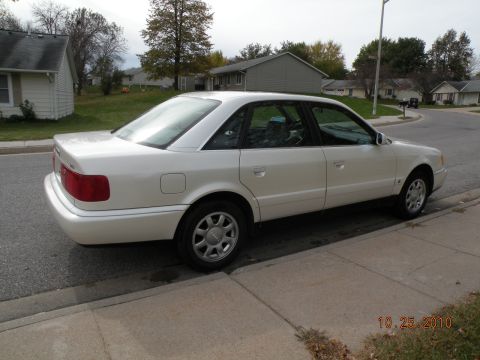
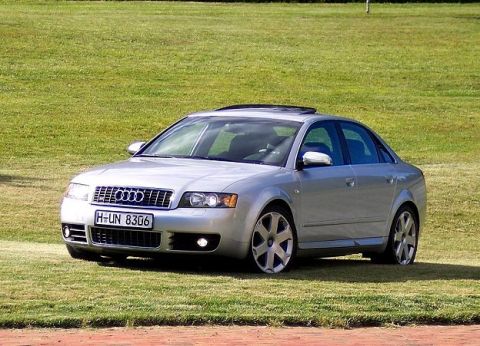
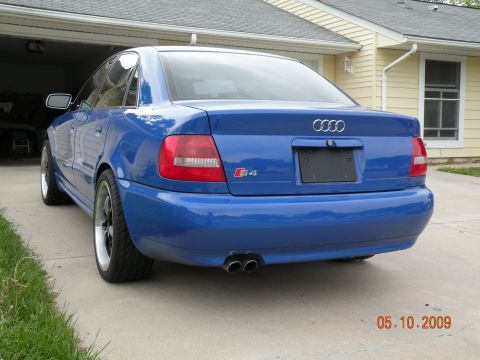
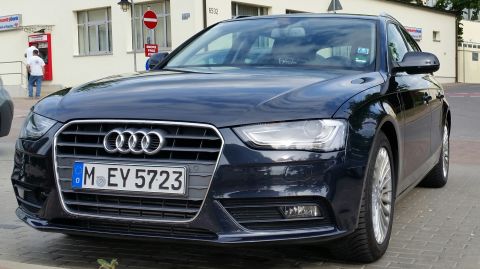
The most-documented Audi vehicles in the registry, every photo by the owner.