The registry
Harley-Davidson Registry: Models, Builds & Photos
Harley-Davidson, Inc. is an American motorcycle manufacturer founded in Milwaukee, Wisconsin in 1903 by William S. Harley and brothers Arthur, Walter, and William A. Davidson, and incorporated in 1907. It built its reputation on large-displacement V-twin motorcycles, supplying the U.S. military in both world wars and becoming one of only two American motorcycle makers to survive the Great Depression. The company nearly died twice more: under AMF ownership in the 1970s, when quality collapsed, and in the mid-1980s, when a management buyout led by Vaughn Beals and Willie G. Davidson saved it with tariff protection and a quality turnaround. It went public in 1986 and remains an independent, publicly traded manufacturer headquartered in Milwaukee, now navigating an aging rider base and an electric-motorcycle spinoff, LiveWire.
Pick your model
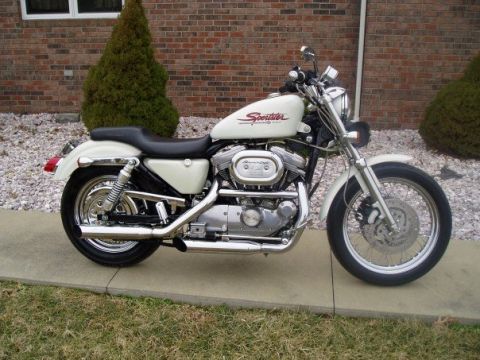
Key facts
| Founded | 1903, Milwaukee, Wisconsin (incorporated 1907) |
|---|---|
| Founders | William S. Harley, Arthur Davidson, Walter Davidson, William A. Davidson |
| Headquarters | Milwaukee, Wisconsin, USA |
| Parent/successor | Independent, publicly traded (NYSE: HOG); AMF subsidiary 1969-1981 |
| Fate/status | Active. Survived the Great Depression, AMF ownership, and a near-bankruptcy in 1985; spun off its electric line as LiveWire in 2022 |
| Best known for | Electra Glide, Sportster, Softail |
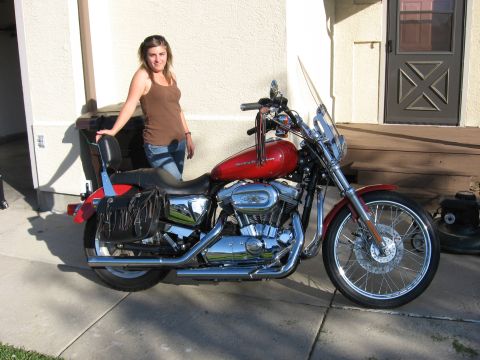
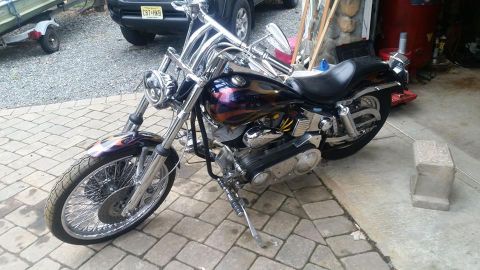
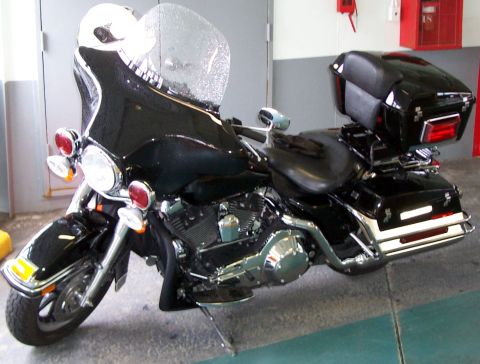
| Registry presence | 114 vehicles / 2,744 photos documented by owners on SuperMotors |
1903-1918: William Harley, the Davidson Brothers, and the Shed on Chestnut Street
In 1903, in a ten-by-fifteen-foot wooden shed behind the Davidson family home in Milwaukee, William S. Harley and Arthur Davidson finished their first production motorcycle, and within five years the operation they built with brothers Walter and William A. Davidson was outgrowing every building it occupied. Harley, a draftsman who would later earn an engineering degree from the University of Wisconsin, drew the machines; Arthur Davidson sold them; Walter Davidson ran the company and proved the product, winning the 1908 Federation of American Motorcyclists endurance run in the Catskills with a perfect score of 1,000 points; William A. Davidson ran the works. The division of labor was the company's first strategic asset, because rival firms of the era typically had a tinkerer or a salesman but rarely both.
Harley-Davidson incorporated in 1907 and moved decisively upmarket in displacement. The 1909 introduction of the company's first 45-degree V-twin set the architecture that still defines the brand more than a century later. The choice was pragmatic rather than romantic: a V-twin doubled power while fitting in the same diamond frame as a single, and the narrow 45-degree angle kept the package compact. Arthur Davidson meanwhile built what became the industry's strongest dealer network, recruiting agents across rural America where a motorcycle was cheaper transportation than a car.
The First World War made Harley-Davidson a national supplier. The company shipped roughly 20,000 motorcycles for military use, and the war orders financed the Juneau Avenue factory expansion in Milwaukee that remains corporate headquarters. By 1918 Harley-Davidson claimed to be the largest motorcycle manufacturer in the world, a position it contested with Indian of Springfield, Massachusetts, the rival that would define its competitive life for the next thirty-five years.
1919-1945: Beating Indian, Surviving the Depression, and the Knucklehead Gamble
Between 1919 and 1945 Harley-Davidson fought a two-front war, against the Indian Motocycle Company in the showroom and against economic collapse in the ledger, and it won both because the founders refused to leverage the company. The 1920s were brutal: Henry Ford's Model T fell below the price of a big twin, and the American motorcycle market shrank from transportation to sport and police work. Harley-Davidson answered by cultivating police fleet sales, a business Arthur Davidson pursued city by city, and by exporting aggressively; by the late 1920s exports took a substantial share of production.
The Great Depression nearly ended the American motorcycle industry. Harley-Davidson's sales fell from about 21,000 machines in 1929 to roughly 3,700 in 1933. The company survived on cash reserves, three-wheeled Servi-Car commercial sales, and wage cuts the founders applied to themselves first. Of the hundreds of American motorcycle makers that had existed, only Harley-Davidson and Indian came out the other side.
The pivotal product decision of the era was the 1936 EL, the overhead-valve 61-cubic-inch twin riders nicknamed the Knucklehead. Sanctioning the project in the depths of the Depression was a genuine gamble by the founders, and it paid off: the EL's recirculating oil system and modern styling under art-influenced tank badges re-established Harley-Davidson as the technical leader over Indian, whose side-valve line was aging. The Second World War then repeated the pattern of the first at larger scale. Harley-Davidson built approximately 88,000 WLA military motorcycles, earned Army-Navy E awards for production, and emerged in 1945 with its tooling intact, its dealer network loyal, and its only domestic rival financially exhausted. All four founders died between 1937 and 1950, and control passed to a second generation of Harleys and Davidsons.
1946-1965: William H. Davidson, the Panhead Era, and the Death of Indian
From 1946 to 1965 Harley-Davidson, led by company president William H. Davidson, son of founder William A., became the last American motorcycle manufacturer standing, and the monopoly bred both the touring-bike formula that still funds the company and the complacency that nearly killed it. Indian collapsed in 1953 after a disastrous attempt to build British-style lightweights, leaving Milwaukee alone in the domestic big-twin market. The postwar Panhead engine of 1948, followed by the Hydra-Glide telescopic fork in 1949 and rear suspension on the 1958 Duo-Glide, evolved the big FL platform into the archetypal American highway machine, a line that culminated in the electric-start 1965 Electra Glide, the model that fixed the company's touring identity for good.
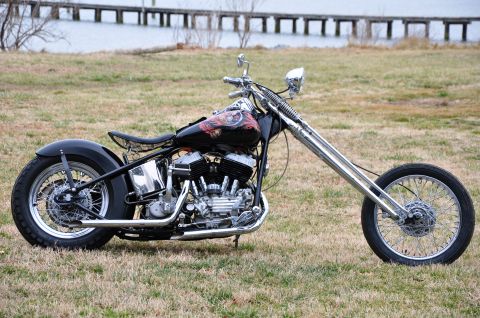
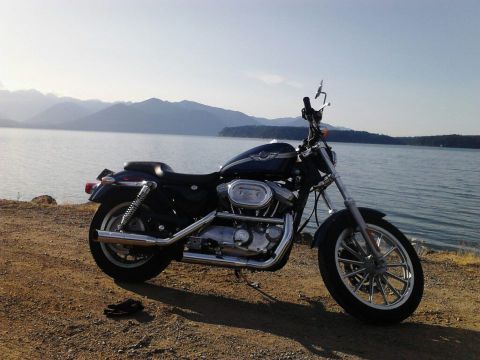
The competitive threat of the era came from Britain. Triumph and BSA twins were lighter, faster, and cheaper, and they were winning American races and American youth. Harley-Davidson's answer was the 1957 Sportster, an overhead-valve middleweight created specifically to fight the British invasion; the hotter XLCH Sportster variant became the company's performance flagship and a drag-strip staple. The Sportster mattered corporately because it proved Milwaukee could build a second platform alongside the big twins, and it has remained in the catalog in some form ever since.
Culture did work the sales department never planned. The 1947 Hollister incident and its sensationalized Life magazine coverage, followed by the 1953 film The Wild One, attached an outlaw image to motorcycling that Harley-Davidson officially distanced itself from even as that image became commercially valuable to the brand over time. By 1965, needing capital to modernize, the founding families took the company public for the first time, ending sixty-two years of private family control and opening the door to the takeover battle that followed.
1966-1980: Rodney Gott, the AMF Takeover, and the Quality Collapse
In 1969 Harley-Davidson sold itself to American Machine and Foundry, a bowling-and-leisure conglomerate run by Rodney Gott, to escape a hostile takeover by asset-stripper Bangor Punta, and the rescue very nearly destroyed the company it was meant to save. AMF had money Harley-Davidson desperately needed, and it spent it, roughly tripling production during the 1970s and moving final assembly to a plant in York, Pennsylvania in 1973. But volume outran process control. Quality collapsed so visibly that dealers joked new bikes needed the showroom floor protected from oil leaks, and Japanese competitors, led by the 1969 Honda CB750, were selling machines that were faster, cleaner, and cheaper. The initials AMF on the tank became shorthand among riders for a bad motorcycle, a reputation the company spent twenty years living down.
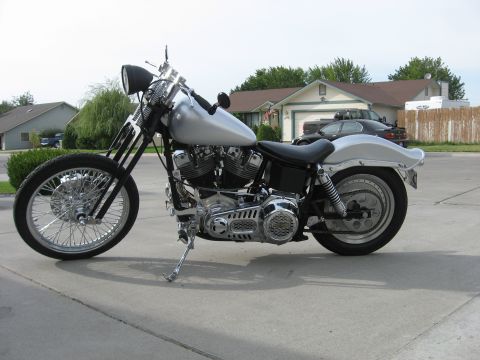
The era still produced the design language that defines modern Harley-Davidson, and its author was Willie G. Davidson, grandson of founder William A. Davidson, who had joined the styling department in 1963. His 1971 FX Super Glide mated the big-twin frame to Sportster forks, translating the customs riders were already building in their garages into a factory product, and inventing the factory-custom category the entire industry later copied. Its descendants, including the Wide Glide line, became a core profit franchise. The touring side soldiered on with the FLH big twins, whose loyal police and touring buyers kept revenue alive while everything else deteriorated.
By 1980 AMF had tired of the losses and the labor strife, including a 101-day strike at York in 1974, and put the division up for sale. Market share in heavyweight motorcycles was sliding toward the low twenties in percentage terms. No corporate buyer wanted it. The people who did were its own managers.
1981-1985: Vaughn Beals, the Buyout, and the Eleventh-Hour Rescue at Citicorp
On June 16, 1981, thirteen Harley-Davidson executives led by Vaughn Beals, with Willie G. Davidson among them, completed an approximately 80 million dollar leveraged buyout from AMF and rode a convoy of motorcycles from York, Pennsylvania to Milwaukee to announce that the eagle soars alone. The independence was nearly fatal. The buyout loaded the company with debt just as a recession crushed motorcycle demand and Honda and Yamaha, locked in their own price war, flooded the American market with discounted heavyweights. Harley-Davidson lost money, laid off around 40 percent of its workforce, and in late 1985 came within days of liquidation when lead lender Citicorp moved to exit; a refinancing arranged with Heller Financial on December 31, 1985 kept the doors open. Richard Teerlink, then chief financial officer and later chief executive, negotiated that rescue.
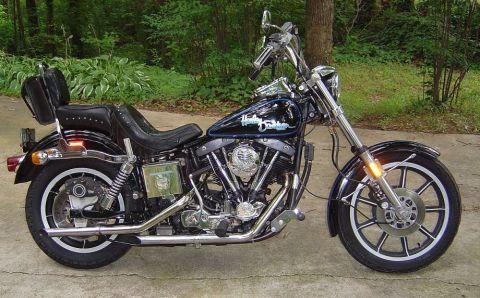
Two decisions made survival possible. First, in 1983 the Reagan administration granted the company's International Trade Commission petition and imposed five years of declining tariffs, starting at 45 percent, on imported Japanese motorcycles over 700cc, buying Milwaukee breathing room; Harley-Davidson famously asked for the tariff's early removal in 1987, a public-relations masterstroke. Second, Beals and manufacturing chief Tom Gelb toured Honda's Marysville, Ohio plant and concluded the Japanese advantage was management, not robots or culture. They implemented just-in-time inventory, statistical process control, and employee involvement, cutting scrap and rework dramatically and turning York from a liability into proof the company could build quality.
The same years produced the products of the comeback: the 1984 Evolution engine, the first all-new big twin in decades and crucially one that did not leak, and the 1984 Softail, whose hidden rear shocks gave a modern chassis the hardtail look customers wanted. The XLX-61, a stripped 3,995 dollar Sportster, brought price-conscious buyers back into showrooms. The company that had been unsellable in 1980 filed for a public offering in 1986.
1986-2006: Richard Teerlink, the HOG Boom, and the Business of Belonging
Harley-Davidson returned to public ownership in 1986, moving to the New York Stock Exchange in 1987, and over the following two decades, first under Vaughn Beals and then under chief executives Richard Teerlink, Jeffrey Bleustein, and James Ziemer, it became one of the great brand turnarounds in American business, posting year-over-year record revenues and earnings through 2006. The insight driving the run was that the company was selling membership, not machinery. The Harley Owners Group, founded in 1983, grew into a club that would pass one million members in 2008, dealers were rebuilt into lifestyle retailers selling licensed apparel worth hundreds of millions annually, and waiting lists for new motorcycles stretched so long in the 1990s that used Harleys sold above list price. The 1990 Fat Boy, a Willie G. Davidson styling statement on the Softail platform, became the emblem of the boom after its appearance in Terminator 2 in 1991. The touring line prospered in parallel, with the FLHT Electra Glide and the top-of-range Ultra tourers anchoring the highest-margin end of the catalog, and the FLHX Street Glide of 2006 minting a new best-seller from a stripped tourer.
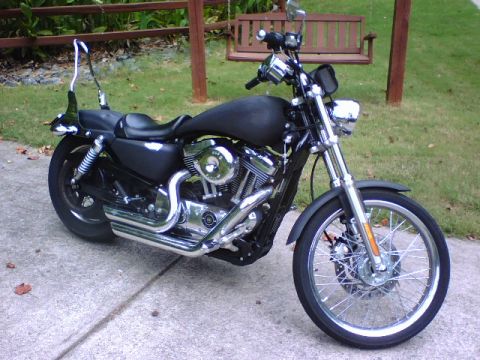
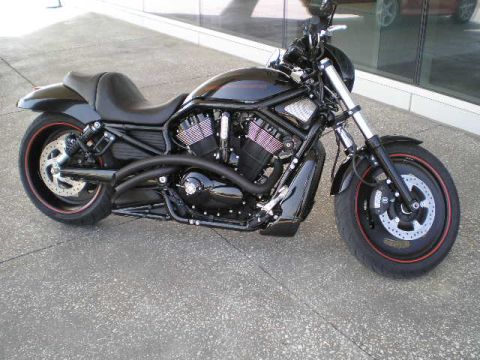
The company also hedged its demographics. The 2002 V-Rod, sold in variants such as the VROD VRSCD, carried a liquid-cooled 60-degree engine co-developed with Porsche Engineering, the most radical departure from the air-cooled 45-degree formula in company history; it sold modestly but signaled that Milwaukee knew its buyer base was aging. A 1998 majority stake, later full ownership, of Buell Motorcycle Company was the sport-bike hedge. Capacity expanded with a new Kansas City plant in 1998, and the hundredth-anniversary celebration in 2003 drew hundreds of thousands of riders to Milwaukee. The company centennial was also the business peak; the model that powered it, selling a 20,000 dollar discretionary purchase to baby boomers, had a demographic clock attached.
2007-2019: Keith Wandell, Matt Levatich, and the Long Squeeze of an Aging Rider Base
The 2008 financial crisis hit Harley-Davidson harder than any event since the Citicorp near-death of 1985, because the crisis exposed that the company had been financing its own boom: Harley-Davidson Financial Services had extended increasingly lower-credit-quality motorcycle loans, and when credit froze, the captive lender needed rescue funding, including a costly 2009 borrowing from Berkshire Hathaway and Davis Advisors at 15 percent interest. U.S. retail sales fell from a 2006 peak above 260,000 motorcycles toward roughly half that, and never recovered. Chief executive Keith Wandell, hired from Johnson Controls in 2009 as the first outsider to run the company, responded with triage: Buell was shut down, MV Agusta was sold, and labor agreements were restructured to make York flexible.
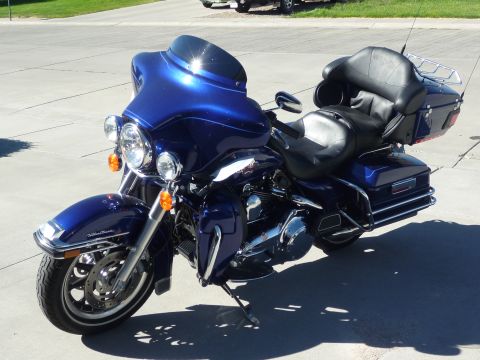
Matt Levatich, chief executive from 2015, confronted the structural problem Wandell's cost-cutting could not fix: the core customer, the American baby boomer, was aging out of riding faster than younger and more diverse riders were aging in. His More Roads to Harley-Davidson plan of 2018 promised 100 new models by 2027, including middleweights, an adventure bike, and small-displacement machines for Asia. The 2019 LiveWire, the first electric motorcycle from a major established manufacturer, was the plan's flagship and a genuine engineering feat that sold in tiny numbers at a 29,799 dollar price. Tariff politics compounded the squeeze when European Union retaliation in 2018 prompted the company to shift some production for Europe overseas, drawing public criticism from President Trump. Levatich departed in early 2020 with the stock well below its 2014 peak, a departure widely read in the business press as the board seeking a sharper strategic reset.
2020-2026: Jochen Zeitz, the Hardwire Retreat to the Core, and the LiveWire Spinoff
In February 2020 the Harley-Davidson board replaced Matt Levatich with director Jochen Zeitz, the former Puma chief executive, who reversed course from chasing new riders everywhere to defending profitability in the products the company actually dominated. His Rewire and then Hardwire strategies cut the model range, exited unprofitable markets including a wind-down of India assembly in favor of a Hero MotoCorp partnership, pushed prices upmarket, and leaned on the touring, large cruiser, and trike segments where Harley-Davidson still held commanding share. Margins improved even as unit volumes continued their long slide. The 2021 launch of the Pan America adventure-touring bike, powered by the liquid-cooled Revolution Max engine, gave the company its first credible entry in the segment BMW had owned for decades.
Electric ambitions were restructured rather than abandoned. LiveWire was spun into a separately listed company in 2022 through a merger with a special-purpose acquisition company, with Harley-Davidson retaining majority ownership, an arrangement that isolated the cash-burning startup from the profitable core. The core itself remained the descendants of the machines that built the company: Milwaukee-Eight-powered Grand American Touring bikes in the Electra Glide and Street Glide lineage, Softail cruisers, and the Sportster name reborn on the Revolution Max platform in 2021, with U.S. sales of the air-cooled Evolution Sportster ending after the 2022 model year, closing a thirty-six-year run.
Corporate succession was settled in 2025. After activist investor H Partners pressed the board over strategy, Zeitz announced in April of that year that he would retire, and on October 1, 2025 Artie Starrs, the former Topgolf and Pizza Hut chief executive, became president and CEO, with Troy Alstead succeeding Zeitz as board chairman. Succession in the demographic sense remains open: the rider base keeps aging, and tariff and trade politics keep buffeting a manufacturer that exports roughly a third of its production. Harley-Davidson enters its 124th year as it entered most of them: independent, Milwaukee-based, profitable, and arguing about its future.
Leadership
| Leader | Tenure | Legacy |
|---|---|---|
| Walter Davidson | President, 1907-1942 | First president; his 1908 endurance-run win at the FAM meet built the young company's racing and reliability reputation. |
| William S. Harley | Chief engineer, 1907-1943 | Designed the first engines and the 45-degree V-twin architecture the company still uses. |
| William H. Davidson | President, 1942-1971 | Second-generation leader who steered the company through the Panhead era and the death of rival Indian. |
| Rodney C. Gott | AMF chairman, 1968-1978 | Engineered the 1969 AMF acquisition; production tripled but quality collapsed under his volume push. |
| Vaughn Beals | CEO/chairman, 1981-1989 | Led the 1981 management buyout from AMF, won 1983 tariff protection, and drove the quality turnaround that saved the company. |
| Willie G. Davidson | Chief of styling, 1963-2012 | Founder's grandson whose Super Glide (1971) and Softail styling defined the modern factory-custom look. |
| Richard Teerlink | CEO, 1989-1997 | Took the Harley Owners Group model to scale and turned brand community into the company's core business. |
| Jeffrey Bleustein | CEO, 1997-2005 | Presided over record production growth and the Twin Cam 88 engine program. |
| James Ziemer | CEO, 2005-2009 | Forty-year company lifer who presided over the 2006 sales peak and the credit-fueled boom that unraveled in the 2008 financial crisis. |
| Keith Wandell | CEO, 2009-2015 | First outsider CEO; sold Buell and MV Agusta and restructured manufacturing after the 2008 crash. |
| Matt Levatich | CEO, 2015-2020 | Bet on new riders and the electric LiveWire; exited amid five straight years of falling U.S. sales. |
| Jochen Zeitz | CEO, 2020-2025 | Hardwire strategy retreated to profitable touring and cruiser cores and spun off LiveWire via SPAC in 2022. |
| Artie Starrs | CEO, 2025-present | Former Topgolf and Pizza Hut chief executive appointed October 1, 2025 to grow ridership after the Zeitz-era retreat to the profitable core. |
Timeline
| Year | Event or model | Note |
|---|---|---|
| 1903 | Company founded | William S. Harley and Arthur Davidson build their first motorcycle in a 10-by-15-foot shed in Milwaukee, joined by Walter and William A. Davidson. |
| 1907 | Incorporation | Harley-Davidson Motor Company incorporates, with Walter Davidson as president. |
| 1909 | First V-twin | The 45-degree V-twin engine debuts, setting the layout the company still builds today. |
| 1917-1918 | World War I production | Harley-Davidson supplies roughly 20,000 motorcycles to the U.S. military. |
| 1936 | EL "Knucklehead" | The overhead-valve 61 EL, gambled on during the Depression, becomes the ancestor of every Big Twin since. |
| 1941-1945 | World War II / WLA | Roughly 90,000 WLA and Canadian WLC models go to Allied forces. |
| 1948 | Panhead engine | Aluminum-head Panhead replaces the Knucklehead. |
| 1953 | Indian ceases production | Rival Indian shuts its Springfield line, leaving Harley-Davidson the only major American motorcycle maker. |
| 1957 | Sportster introduced | The XL Sportster launches with the unit-construction Ironhead engine and becomes the longest-running nameplate in the line. |
| 1958 | FLH Duo-Glide | Rear suspension arrives on the Big Twin as the FLH Duo-Glide. |
| 1965 | Electra Glide introduced | Electric start turns the FLH into the Electra Glide, the definitive American tourer. |
| 1969 | AMF acquisition | American Machine and Foundry buys Harley-Davidson; output rises sharply while build quality falls. |
| 1971 | Super Glide introduced | Willie G. Davidson's FX Super Glide creates the factory-custom category. |
| 1981 | Management buyout | Vaughn Beals, Willie G. Davidson, and 11 other executives buy the company back from AMF for about $80 million. |
| 1983 | Tariff and HOG | President Reagan imposes a five-year tariff on large Japanese motorcycles; the Harley Owners Group is founded the same year. |
| 1984 | Softail and Evolution engine | The FXST Softail debuts with the new Evolution V-twin, ending the leak-prone Shovelhead era. |
| 1986 | IPO | Harley-Davidson goes public again in July 1986 after a near-miss with Citicorp financing in late 1985; the stock moves to the New York Stock Exchange in 1987. |
| 1990 | Fat Boy introduced | The FLSTF Fat Boy becomes one of the best-selling cruisers of the decade. |
| 1999 | Twin Cam 88 | The Twin Cam 88 replaces the Evolution engine in Big Twins. |
| 2001 | V-Rod introduced | The liquid-cooled, Porsche-co-developed V-Rod is the company's first major break from air-cooled tradition. |
| 2006 | Street Glide (FLHX) introduced | The batwing-faired Street Glide becomes the company's best-selling touring model. |
| 2009 | Recession restructuring | New CEO Keith Wandell discontinues Buell and moves to sell MV Agusta (sale completed 2010) as sales fall in the financial crisis. |
| 2019 | LiveWire launched | The company's first production electric motorcycle goes on sale at $29,799. |
| 2020 | Hardwire strategy | Jochen Zeitz becomes CEO and refocuses the company on profitable touring and cruiser segments. |
| 2022 | LiveWire spinoff | LiveWire goes public via SPAC merger as the first publicly traded U.S. electric motorcycle company. |
| 2025 | CEO transition | Artie Starrs, former Topgolf chief executive, succeeds Jochen Zeitz as president and CEO on October 1, 2025. |
Asked all the time
Who founded Harley-Davidson?
William S. Harley and brothers Arthur, Walter, and William A. Davidson founded the company in Milwaukee, Wisconsin in 1903, building the first machine in a small backyard shed. The company incorporated in 1907 with Walter Davidson as president.
Is Harley-Davidson still in business?
Yes. Harley-Davidson, Inc. remains an independent, publicly traded manufacturer headquartered in Milwaukee, though it has narrowed its lineup to touring and cruiser cores under the Hardwire strategy launched in 2020.
Did Harley-Davidson almost go bankrupt?
Twice. Quality collapsed under AMF ownership in the 1970s, and after the 1981 management buyout the company came within days of failure in late 1985, when Vaughn Beals secured last-minute refinancing before a 1986 IPO completed the rescue.
Who owned Harley-Davidson during the AMF years?
American Machine and Foundry (AMF), a leisure-products conglomerate, owned Harley-Davidson from 1969 to 1981. Production roughly tripled but defects soared, and 13 executives led by Vaughn Beals bought the company back for about $80 million.
Why did Harley-Davidson receive tariff protection in 1983?
Harley-Davidson petitioned the International Trade Commission, arguing Japanese overproduction was dumping inventory into a depressed market, and President Reagan imposed a five-year declining tariff, starting at 45 percent, on imported Japanese motorcycles over 700cc. The company asked for the tariff's early removal in 1987.
How did Harley-Davidson survive the Great Depression when Indian did not?
Both survived the Depression itself; Harley-Davidson and Indian were the only two major American makers to do so, kept alive by police, commercial, and export sales. Indian failed later, ending production in 1953, which left Harley-Davidson the sole major American motorcycle manufacturer for decades.
What is LiveWire and why did Harley-Davidson spin it off?
LiveWire began as Harley-Davidson's electric motorcycle, launched in 2019. In 2022 the company spun it off as a separate publicly traded firm via SPAC merger, letting the electric venture raise its own capital while the parent focused on its combustion touring and cruiser business.
Who runs Harley-Davidson today?
Artie Starrs, the former Topgolf and Pizza Hut chief executive, became president and CEO on October 1, 2025. He succeeded Jochen Zeitz, who led the company's Hardwire turnaround and LiveWire spinoff from 2020 and announced his retirement in April 2025.
The wall
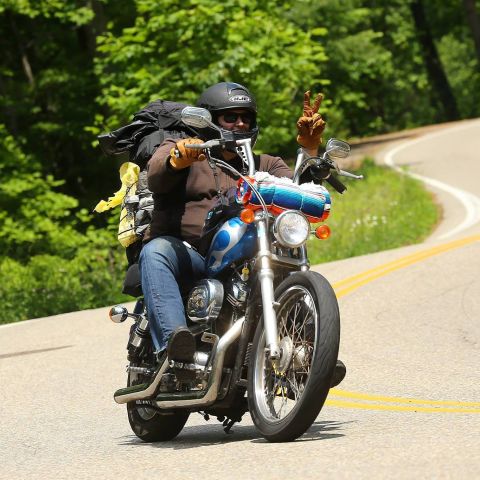
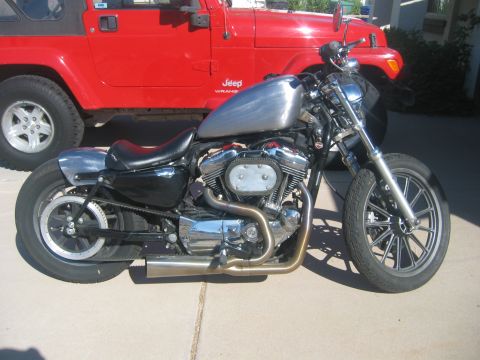
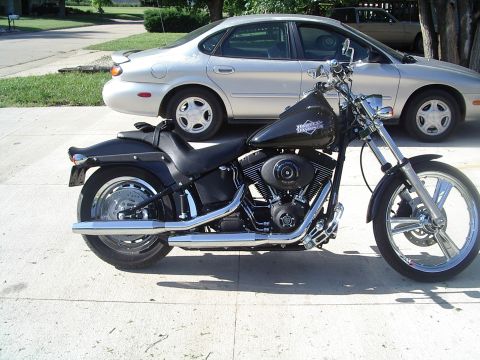
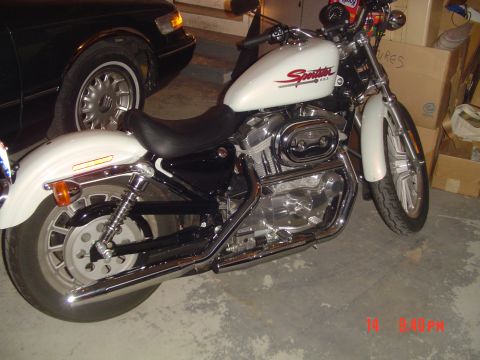
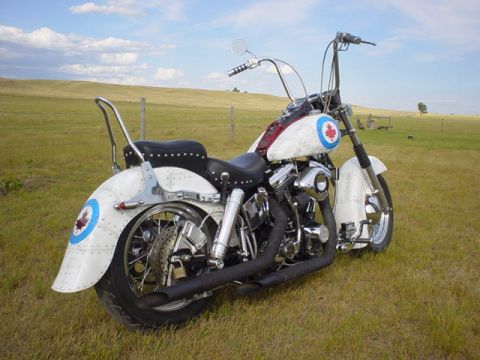
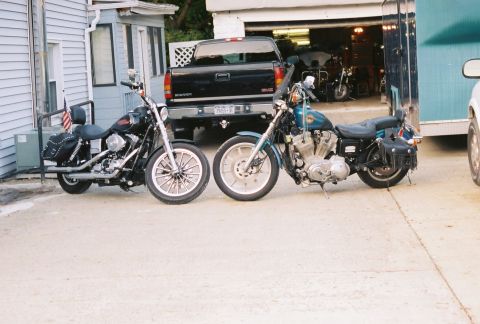
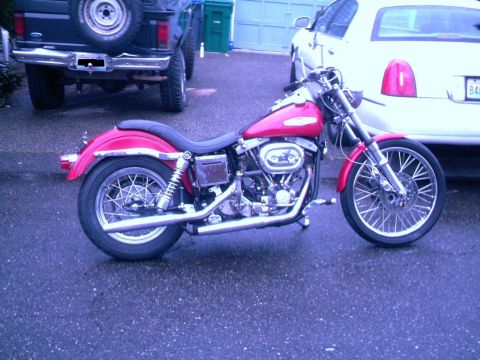
The most-documented Harley-Davidson vehicles in the registry, every photo by the owner.