The registry
Honda Registry: Models, Builds & Photos
Honda Motor Co., Ltd. is a Japanese multinational founded on September 24, 1948 in Hamamatsu, Shizuoka by engineer Soichiro Honda and business manager Takeo Fujisawa. It began by fitting surplus military generator engines to bicycles, became the world's largest motorcycle manufacturer by 1959 on the strength of the Super Cub, and entered car production in 1963 against the explicit opposition of Japan's trade ministry. Its low-emission CVCC engine and the Civic and Accord made it a major global automaker and the first Japanese company to build cars in the United States, at Marysville, Ohio in 1982. Honda remains an active, independent company headquartered in Minato, Tokyo, today the world's biggest engine maker, spanning motorcycles, automobiles, power equipment, ATVs, aircraft, and robotics.
Pick your model
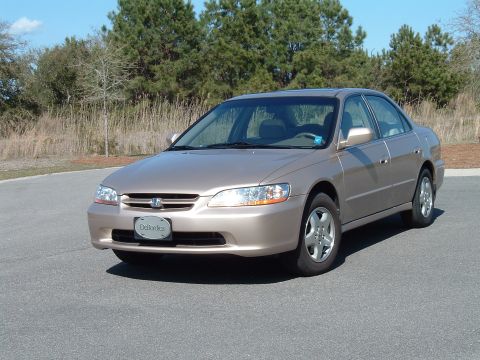
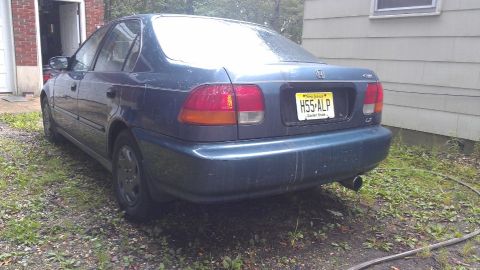
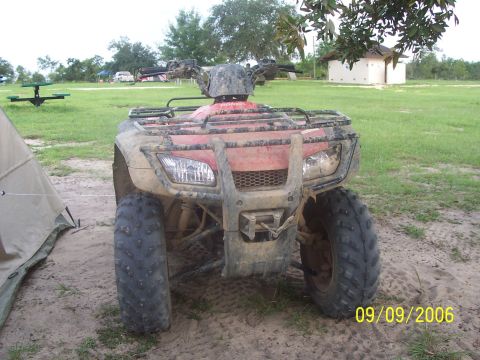
Key facts
| Founded | September 24, 1948, Hamamatsu, Shizuoka, Japan |
|---|---|
| Founders | Soichiro Honda (engineer) and Takeo Fujisawa (business manager) |
| Headquarters | Minato, Tokyo, Japan |
| Parent/successor | None; Honda Motor Co., Ltd. remains an independent public company |
| Fate/status | Active. The world's largest motorcycle manufacturer since 1959 and its biggest engine maker, spanning motorcycles, automobiles, power equipment, ATVs, aircraft, and robotics |
| Best known for | Super Cub, Civic, Accord |
| Registry presence | 327 vehicles / 4,280 photos documented by owners on SuperMotors |
1906-1948: Soichiro Honda, Art Shokai, and the Piston Rings That Failed Toyota
Honda Motor Co., Ltd. exists because a blacksmith's son from rural Shizuoka failed his way into metallurgy. Soichiro Honda, born in 1906, apprenticed at the Art Shokai garage in Tokyo at fifteen, built race cars on the side, and survived a violent crash at the 1936 All-Japan Speed Rally that ended his driving ambitions. He then founded Tokai Seiki to manufacture piston rings, and Toyota rejected his first samples as substandard. Rather than quit, Honda audited metallurgy courses at Hamamatsu technical school until the rings passed inspection, a humiliation he later credited as the education that made the company possible.
The war destroyed that first business twice over. American bombing damaged Tokai Seiki's plants, the 1945 Mikawa earthquake wrecked what remained, and Honda sold the salvage to Toyota for 450,000 yen. He spent a year in self-described idleness, then in October 1946 opened the Honda Technical Research Institute in a Hamamatsu shack, bolting surplus Imperial Army radio-generator engines onto bicycles for a population desperate for cheap transport in a country with no fuel and no trains to spare. When the 500 surplus engines ran out, he designed his own. That improvised motorized bicycle, and the A-Type engine that followed, was the entire product line when Honda Motor Co., Ltd. incorporated on September 24, 1948 with 34 employees and one million yen in capital.
1948-1958: Takeo Fujisawa's Money, the Dream D-Type, and the Bet-the-Company Machine Tools
The 1949 handshake between Soichiro Honda and Takeo Fujisawa is the founding act that actually built Honda Motor Co., Ltd., because Honda alone was an engineer with no interest in money. Fujisawa, introduced by a mutual acquaintance in August 1949, took charge of finance, sales, and dealer networks under an explicit division of labor: Honda would never see the books, Fujisawa would never touch the engineering. The partnership held for a quarter century, and the two men famously retired together in 1973.
The first true motorcycle, the 1949 D-Type Dream, sold adequately, but the product that funded everything after was Fujisawa's idea: the 1952 Cub F, a clip-on 50cc bicycle engine marketed directly by postcard to roughly 50,000 Japanese bicycle shops, instantly creating a national dealer network no rival could match. Flush with cash, Soichiro Honda then nearly killed the company. In 1952-1953 he spent roughly 450 million yen, many times the firm's capitalization, on American and European machine tools, and the mid-1950s credit squeeze left Fujisawa scrambling to hold creditors at bay. The gamble worked only because the tooling let Honda build engines to tolerances no Japanese competitor could hit, and by 1955 Honda Motor Co. led Japanese motorcycle production while dozens of rivals from the postwar boom collapsed around it.
1958-1963: The Super Cub, "You Meet the Nicest People on a Honda," and the Conquest of America
The 1958 Super Cub C100 is the most-produced motor vehicle in history, and it was designed to a marketing brief rather than an engineering whim. Fujisawa told Soichiro Honda he wanted a machine a soba delivery boy could ride one-handed; Honda answered with a step-through 50cc four-stroke with an automatic clutch, plastic leg shields, and total reliability. It made Honda Motor Co., Ltd. the largest motorcycle manufacturer in the world by 1959, a title the company has never surrendered, with cumulative Super Cub production passing 100 million units in 2017.
That same year Honda did what no Japanese vehicle maker had seriously attempted: it opened American Honda Motor Co. in a Los Angeles storefront in June 1959 with a handful of employees and modest capital, selling small bikes out of hardware and sporting-goods stores because motorcycle dealers would not stock them. The 1963 "You Meet the Nicest People on a Honda" campaign, created by Grey Advertising from a UCLA student's concept, deliberately detached motorcycling from the black-leather outlaw image and sold the Super Cub to housewives and college kids. Sales exploded; American Honda, which had sold just 170 motorcycles in its first four months, moved more than 148,000 machines in 1963 and held roughly half the US motorcycle market within five years. Racing sealed the reputation: Soichiro Honda had declared in 1954 that the company would win the Isle of Man TT, and in 1961 Honda swept the first five places in both the 125cc and 250cc classes there.
1963-1973: MITI's Opposition, the S500, and the CVCC That Embarrassed Detroit
Honda Motor Co., Ltd. entered the car business in 1963 while the Special Industries Promotion Bill was pending; it pressed ahead, and the bill ultimately died in the Diet. The Ministry of International Trade and Industry was drafting legislation to consolidate Japan's auto industry around a few existing makers and wanted no new entrants; Soichiro Honda, contemptuous of bureaucrats his whole life, rushed the T360 kei truck and the tiny S500 roadster into production before any such law could pass. The law never did pass, and Honda's twin-cam, chain-drive roadsters announced that a motorcycle company intended to build cars its own way.
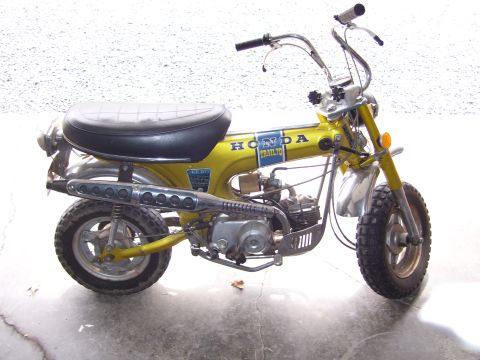
The car that made the ambition real was the 1972 Civic, a transverse-engine front-driver that arrived just as the 1973 oil crisis made small, frugal cars suddenly rational purchases in America. Its corporate significance ran deeper than sales: in 1972 Honda announced the CVCC compound-vortex stratified-charge engine, which met the US 1975 Clean Air Act standards without a catalytic converter at a moment when General Motors, Ford, and Chrysler were testifying that the standards were impossible. When GM's Richard Gerstenberg dismissed CVCC as suited only to "some little toy motorcycle engine," Honda bought a Chevrolet Impala, fitted CVCC heads to its V8, and had the EPA certify that it passed. The episode fixed Honda's global identity as the engineering company that solved problems Detroit called unsolvable.
In the middle of this run came the motorcycle that reorganized the entire industry: the 1969 CB750, the first mass-produced transverse four with a front disc brake, launched at 1,495 dollars and promptly labeled the first superbike. It gutted the British motorcycle industry, which had nothing to answer it with, and proved Honda could dominate the top of a market as thoroughly as the bottom.
1973-1983: Kiyoshi Kawashima, the Accord, and the Ohio Gamble Nobody Believed In
In October 1973 Soichiro Honda and Takeo Fujisawa retired together, and the orderly succession they staged became Honda Motor Co., Ltd.'s template for the next fifty years. Both founders deliberately kept their children out of the company, and Kiyoshi Kawashima, an engineer who had led the Isle of Man TT racing effort, became the second president. The founders took the title of "supreme advisor" and, pointedly, stayed out of daily management, a restraint rare among Japanese founder-companies.
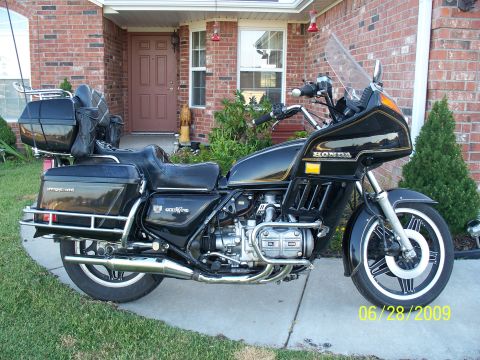
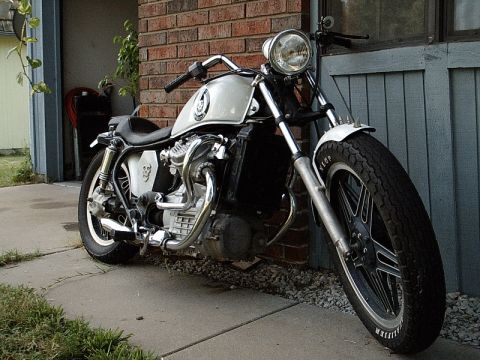
Kawashima's decade produced the two decisions that made Honda a permanent American institution. The first was the 1976 Accord, a larger, quieter companion to the Civic aimed squarely at American commuters; it became the best-selling Japanese nameplate in the United States and, by 1989, the best-selling car in America outright, the first import badge to hold that title. The second was manufacturing. Honda, the smallest of Japan's major automakers and perpetually short of domestic capacity against Toyota and Nissan, decided its growth had to happen in America itself. It opened a motorcycle plant in Marysville, Ohio in 1979 as a rehearsal, and on November 1, 1982 the Marysville Auto Plant built its first Accord, making Honda the first Japanese automaker to produce cars in the United States. Skeptics predicted American workers could not build to Japanese quality; Marysville's Accords soon matched Sayama's, and the plant strategy also insulated Honda from the voluntary export restraints then squeezing Japanese imports. The same era diversified the powersports business that fills much of the SuperMotors registry: Honda's 1970 US90 created the all-terrain-cycle category, and the GoldWing, launched in 1975 and built in Marysville from 1980, gave Honda the American touring market.
1983-1990: Tadashi Kume, VTEC, the NSX, and the Formula 1 Engines That Built a Brand
When Tadashi Kume, the engineer behind the CVCC combustion work, became Honda Motor Co., Ltd.'s third president in 1983, he inherited a company that needed to prove it could move upmarket, and racing was the chosen instrument. Honda's second Formula 1 era, begun in 1983 as an engine supplier, became the most dominant in the sport's history: Honda engines powered Williams and then McLaren to six consecutive constructors' championships from 1986 to 1991, including the 1988 McLaren-Honda season in which Ayrton Senna and Alain Prost won 15 of 16 races. Soichiro Honda, still alive and revered, had a close personal relationship with Senna, and the association put the winged H badge in front of a global audience no advertising budget could buy.
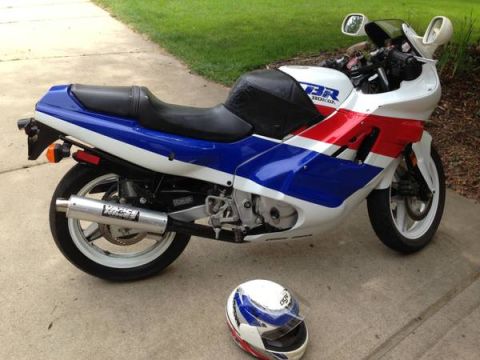
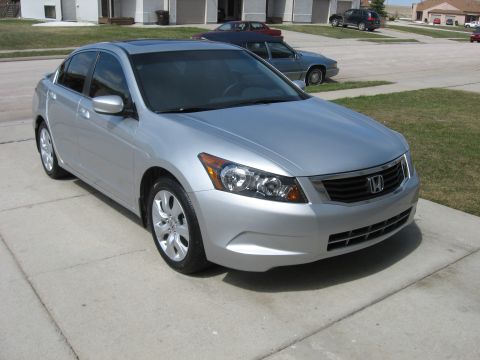
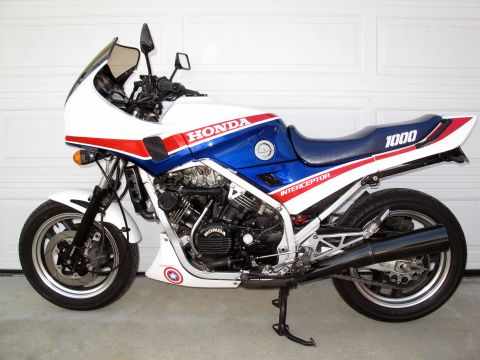
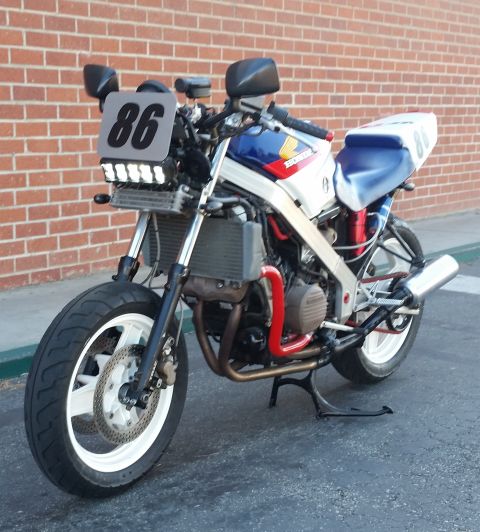
The road-car payoff came in two forms. In 1986 Honda launched Acura in the United States, the first Japanese luxury channel, beating Toyota's Lexus and Nissan's Infiniti to market by three years, because Kume's Honda understood that Accord buyers were aging into money. And in 1989 came VTEC variable valve timing, followed in 1990 by the aluminum-bodied NSX, a mid-engine car developed with input from Senna that forced Ferrari to modernize. The same engineering confidence ran through the motorcycle line, where the V-four Interceptor anchored Honda's 1980s sport-bike push, and through small cars like the CRX, whose HF variant delivered 50-plus mpg and demonstrated that Honda's efficiency halo survived the cheap-gas 1980s. Soichiro Honda died on August 5, 1991, having asked for no grand funeral; by then the company he had incorporated in a shack employed tens of thousands and built more engines than any firm on earth.
1990-1998: Nobuhiko Kawamoto, the Mitsubishi Takeover Scare, and the Minivan-and-SUV Conversion
Nobuhiko Kawamoto took the presidency of Honda Motor Co., Ltd. in 1990 and spent the decade saving the company from its own purism. The collapse of Japan's bubble economy cratered domestic sales, Honda's US lineup of sporty coupes and sedans was aging against a market stampeding toward trucks, and the company had nothing with four-wheel drive or three rows. The situation grew serious enough that in 1992-1993 Japanese business press and industry circles treated a takeover or forced alliance, with Mitsubishi Motors the name most often floated, as a live possibility. Kawamoto's response was heretical inside Honda: he pulled the company out of Formula 1 after 1992, redirected engineering money to product, and centralized decision-making that founder tradition had left deliberately loose.
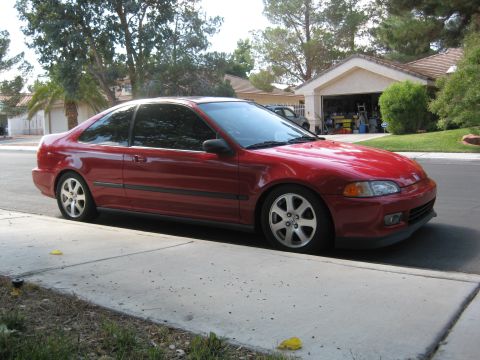
The products that answered the crisis came from lateral thinking rather than new factories. The 1994 Odyssey was a minivan built on Accord underpinnings inside an existing car plant because Honda had no truck line to borrow from; the 1995 CR-V did the same trick for the compact SUV, built on Civic architecture, and the CR-V went on to become one of the best-selling SUVs in the world. Both vehicles were conceived as improvisations and became core franchises, and together they carried Honda through the truck boom without diluting its engineering identity. Kawamoto also authorized a fiftieth-anniversary indulgence: the S2000 roadster, launched in 1999 with a 9,000-rpm four, a deliberate echo of the S500 that had started Honda's car business in defiance of MITI.
1998-2015: Hiroyuki Yoshino, Takeo Fukui, the Insight Hybrid, and Staying Independent While the Industry Merged
Between 1998 and 2008 the world auto industry consolidated around Honda Motor Co., Ltd. while Honda pointedly declined to participate. Daimler swallowed Chrysler, Renault took control of Nissan, and analysts repeatedly listed Honda as a takeover target or merger candidate; presidents Hiroyuki Yoshino and then Takeo Fukui, both engineers in the unbroken succession from the founders, insisted that Honda's independence was the product, not a bargaining chip. The company's defense was technology breadth: in December 1999 the Insight reached America as the first mass-market hybrid sold there, beating the Toyota Prius to US showrooms by seven months, and the ASIMO humanoid robot, unveiled in 2000, advertised that Honda R&D ran wider than cars. HondaJet, a light business jet program Fukui protected for decades, achieved first delivery in December 2015 and made Honda the only company on earth selling motorcycles, cars, and aircraft.
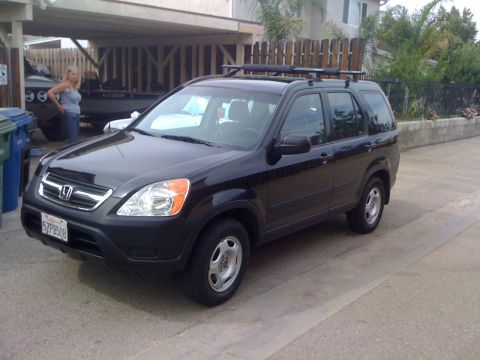
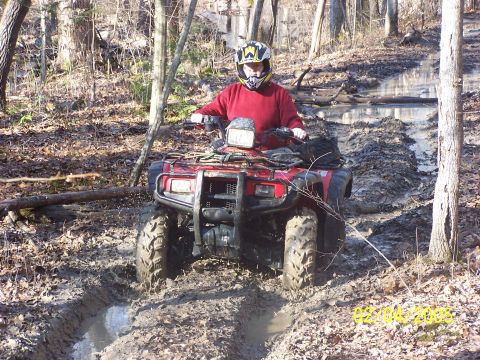
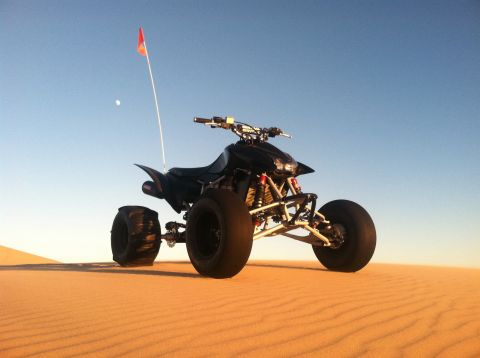
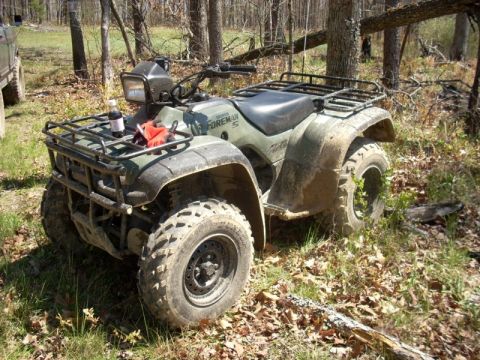
The era also tested the company hard. The 2008 financial crisis forced Fukui to kill the NSX successor program and exit Formula 1 for a third time; the 2011 Tohoku earthquake and Thai floods shattered Honda's supply chain in the same year, early in the tenure of Takanobu Ito, the NSX-lineage engineer who ran the company from 2009 to 2015; and the Takata airbag-inflator scandal, which hit Honda hardest of any automaker because Takata was its long-time supplier in which Honda held a stake that contemporaneous reports put at roughly 1.2%, drove recalls of millions of vehicles and a public reckoning over supplier loyalty. Powersports remained the quiet profit engine through all of it, with utility ATVs like the Rancher and Foreman lines dominating North American farm and trail markets, a business Honda had essentially invented with the three-wheeled ATC in 1970.
2015-2026: Takahiro Hachigo, Toshihiro Mibe, the Nissan Merger Talks That Collapsed, and the Electric Pivot
In 2021 Toshihiro Mibe became president of Honda Motor Co., Ltd. and announced the most un-Honda goal in the company's history: the end of the internal combustion engine, with a target of 100 percent battery-electric and fuel-cell vehicle sales by 2040. For a company whose founder-identity was combustion mastery, whose engines power everything from the Super Cub to lawnmowers to IndyCar, the pledge amounted to a planned self-reinvention, backed by a partnership with General Motors on the Prologue EV and the Ultium platform, a joint venture with Sony on the Afeela brand, and the in-house 0 Series architecture shown from 2024.
The scale question nearly changed everything. In December 2024 Honda and Nissan announced formal talks to merge under a joint holding company by 2026, which would have created the world's third-largest automaker; the talks collapsed in February 2025 when Nissan refused Honda's revised proposal to make it a subsidiary rather than an equal, and Honda walked away rather than accept a merger of equals with a weaker partner. The episode restated the position Honda has held since the founders: it cooperates but does not merge. As of 2026 Honda Motor Co., Ltd. remains active and independent, headquartered in Minato, Tokyo, still the world's largest motorcycle maker as it has been since 1959, shipping roughly 30 million motorcycles, cars, and power products a year and building more engines than any other company on earth, and back in Formula 1 as power-unit supplier to the championship-winning Red Bull teams and, from 2026, Aston Martin. Honda is attempting electrification without a parent company on the same terms as its first two acts: alone, and on its own engineering.
Leadership
| Leader | Tenure | Legacy |
|---|---|---|
| Soichiro Honda | 1948-1973 (president) | Founding engineer whose racing obsession and air-cooled engine dogma defined the company; stepped down at 66 and forbade a family dynasty. |
| Takeo Fujisawa | 1949-1973 (executive vice president) | Financial and marketing architect who joined a year after incorporation; built the dealer network, funded the Super Cub gamble, and retired the same day as Soichiro Honda. |
| Kiyoshi Kawashima | 1973-1983 (president) | First non-founder chief; launched the Accord and committed Honda to the Marysville, Ohio plant, the first Japanese car factory in the United States. |
| Tadashi Kume | 1983-1990 (president) | Engine engineer who presided over VTEC, the NSX program, and the dominant Formula 1 turbo era. |
| Nobuhiko Kawamoto | 1990-1998 (president) | Recentralized R&D and pivoted Honda into the Odyssey minivan and CR-V, ending a mid-1990s crisis marked by Mitsubishi takeover rumors. |
| Hiroyuki Yoshino | 1998-2003 (president) | Kept Honda independent through the industry's merger wave and launched the Insight, America's first mass-market hybrid. |
| Takeo Fukui | 2003-2009 (president) | Expanded global capacity, turned Honda's Formula 1 engine partnership into a full works team in 2006, and steered the company into the 2008 financial crisis with a quick F1 withdrawal. |
| Takanobu Ito | 2009-2015 (president) | NSX-lineage engineer whose tenure was scarred by the Takata airbag recalls and earthquake-disrupted supply chains. |
| Takahiro Hachigo | 2015-2021 (president) | Consolidated overextended global production and set the 2040 all-electric target's groundwork. |
| Toshihiro Mibe | 2021-present (president/CEO) | Declared a full battery-electric and fuel-cell lineup by 2040; walked away from merger talks with Nissan in February 2025. |
Timeline
| Year | Event | Detail |
|---|---|---|
| 1937 | Tokai Seiki founded | Soichiro Honda's piston-ring company, whose early rings failed Toyota's quality inspection, taught him the metallurgy he later built an empire on. |
| 1946 | Honda Technical Research Institute | In bombed-out Hamamatsu, Soichiro Honda began fitting surplus Imperial Army generator engines to bicycles. |
| 1948 | Honda Motor Co., Ltd. incorporated | Founded September 24, 1948 in Hamamatsu; Takeo Fujisawa joined in 1949 to run money and sales. |
| 1949 | Dream D-Type | Honda's first complete motorcycle, a 98 cc two-stroke, replaced the clip-on bicycle engines. |
| 1958 | Super Cub introduced | The 50 cc step-through became the best-selling motor vehicle in history and carried Honda to the top of world motorcycle production by 1959. |
| 1959 | American Honda opens in Los Angeles | The "You Meet the Nicest People on a Honda" campaign of 1963 rebuilt the American image of motorcycling around the Super Cub. |
| 1963 | First cars: T360 truck and S500 roadster | Honda entered four-wheel production over the objections of Japan's Ministry of International Trade and Industry, which wanted no new automakers. |
| 1969 | CB750 introduced | The inline-four CB750 defined the modern superbike with a front disc brake and electric start. |
| 1972 | Civic introduced | The Civic and its 1973 CVCC engine met the US Clean Air Act without a catalytic converter, embarrassing Detroit's claims that it could not be done. |
| 1973 | Founders retire; Kiyoshi Kawashima becomes president | Soichiro Honda and Takeo Fujisawa stepped down together, an orderly handoff rare in founder-led companies. |
| 1975 | Gold Wing introduced | The flat-four GL1000 tourer opened the luxury touring category Honda still dominates. |
| 1976 | Accord introduced | The Accord became the first Japanese-badged car to top US sales charts (1989) and anchored Honda's American reputation. |
| 1978 | Prelude introduced | The two-door coupe later brought the world's first steering-angle-sensing four-wheel-steering system to mass production in 1987. |
| 1982 | Marysville, Ohio plant opens | The first Accord built November 1, 1982 made Honda the first Japanese company to build cars in the United States. |
| 1983 | Tadashi Kume becomes president; ATC boom | Honda's three-wheel ATCs such as the ATC 250R peaked before a 1988 CPSC/DOJ consent decree under which manufacturers voluntarily stopped selling new three-wheelers. |
| 1983 | Interceptor (VF750F) introduced | The V4 Interceptor was built to homologate Honda's Superbike racing program. |
| 1983 | CRX introduced | The two-seat Civic-based CRX paired sub-2,000-pound weight with the era's best fuel economy figures. |
| 1986 | Acura launched | Honda's US luxury channel, the first Japanese premium brand, preceded Lexus and Infiniti by three years. |
| 1988 | Formula 1 dominance | Honda-powered McLarens won 15 of 16 races in 1988; Honda engines took six straight constructors' titles from 1986 to 1991. |
| 1989 | VTEC debuts | Variable valve timing and lift arrived in the Integra XSi, becoming Honda's signature engine technology. |
| 1990 | NSX launched; Nobuhiko Kawamoto becomes president | The aluminum-bodied NSX proved a supercar could be reliable; Soichiro Honda lived to see it before his death in August 1991. |
| 1991 | Death of Soichiro Honda | The founder died August 5, 1991 at 84. |
| 1994 | Odyssey introduced | The minivan, with the 1995 CR-V to follow, converted a sedan-only company to the light-truck market that saved its US business. |
| 1995 | CR-V introduced | Honda's first in-house SUV became one of the world's best-selling vehicles. |
| 1999 | Insight hybrid; S2000 introduced | The Insight was the first mass-market hybrid sold in America, beating the Prius to US showrooms; the S2000 roadster marked the company's 50th anniversary. |
| 2000 | ASIMO unveiled | The humanoid robot showcased Honda R&D's ambitions beyond vehicles. |
| 2015 | HondaJet deliveries begin; Takahiro Hachigo becomes president | The HA-420 HondaJet made Honda the only company selling cars, motorcycles, and aircraft simultaneously. |
| 2021 | Toshihiro Mibe becomes CEO | Mibe committed Honda to 100 percent battery-electric and fuel-cell vehicle sales by 2040. |
| 2024-2025 | Nissan merger talks collapse | Merger discussions announced in December 2024 to create the world's third-largest automaker fell apart in February 2025 over control terms; Honda stayed independent. |
Asked all the time
Who founded Honda?
Honda Motor Co., Ltd. was founded on September 24, 1948 in Hamamatsu, Japan by engineer Soichiro Honda, with Takeo Fujisawa joining in 1949 as the financial and sales partner. The two ran the company as a pair until they retired together in 1973.
Is Honda still in business?
Yes. Honda remains an active, independent multinational headquartered in Minato, Tokyo. It has been the world's largest motorcycle manufacturer since 1959 and is the world's biggest engine producer, building motorcycles, cars, power equipment, ATVs, aircraft, and robots.
Why did Japan's government try to stop Honda from making cars?
In the early 1960s Japan's Ministry of International Trade and Industry wanted to consolidate the auto industry around a few existing makers and drafted legislation that would have barred new entrants. Honda rushed the T360 truck and S500 roadster to market in 1963 before any such law could pass.
When did Honda start building cars in the United States?
Honda opened its Marysville, Ohio auto plant in 1982, building its first US Accord on November 1, 1982. That made Honda the first Japanese company to manufacture cars in the United States, following its 1979 Marysville motorcycle plant.
Did Honda ever merge with another automaker?
No. Honda has stayed independent through every industry consolidation wave, fending off mid-1990s Mitsubishi takeover speculation and walking away from merger talks with Nissan in February 2025 after disagreements over control.
What made Honda's CVCC engine important?
The Compound Vortex Controlled Combustion engine, launched in the 1973 Civic, met the US Clean Air Act's 1975 emissions standards without a catalytic converter, something Detroit's manufacturers had testified was impossible.
Who runs Honda today?
Toshihiro Mibe has been president and CEO since April 2021. He has committed Honda to selling only battery-electric and fuel-cell vehicles by 2040.
The wall
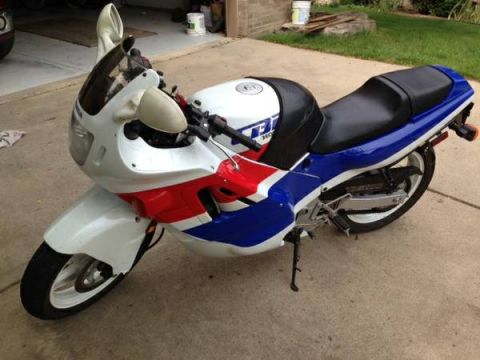
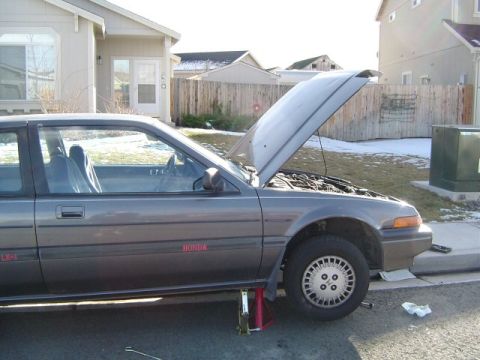
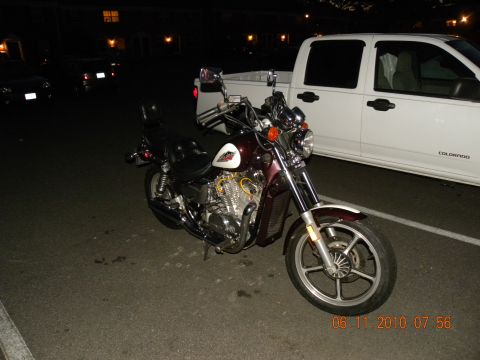
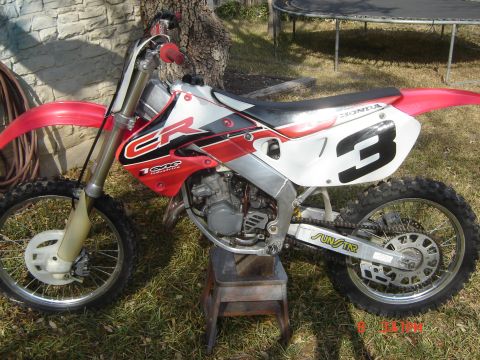
The most-documented Honda vehicles in the registry, every photo by the owner.