The registry
Land Rover Registry: Models, Builds & Photos
Land Rover is a British four-wheel-drive marque founded on 30 April 1948 at the Amsterdam Motor Show by the Rover Company, created by brothers Maurice and Spencer Wilks as a rugged, aluminium-bodied utility vehicle inspired by the wartime Willys Jeep. Built at Solihull, England, it grew from a stopgap farm vehicle into the world's defining off-road brand, adding the Range Rover in 1970, the Discovery in 1989 and the Defender name in 1990. The marque survived a chaotic ownership chain: British Leyland nationalization in 1975, BMW ownership from 1994, sale to Ford in 2000, and acquisition by India's Tata Motors in 2008. Since 2013 Land Rover has been a brand of Jaguar Land Rover Limited, headquartered in Whitley, Coventry, and still builds the Range Rover, Discovery and Defender today.
Pick your model
Key facts
| Founded | 30 April 1948, launched at the Amsterdam Motor Show; built at Solihull, England |
|---|---|
| Founders | The Rover Company, led by brothers Maurice and Spencer Wilks |
| Headquarters | Whitley, Coventry, England, United Kingdom |
| Parent/successor | Tata Motors, via Jaguar Land Rover Automotive plc; a brand of Jaguar Land Rover Limited since 2013 |
| Fate/status | Active brand, absorbed into Jaguar Land Rover; the standalone Land Rover company ceased to exist as a separate legal entity in 2013 |
| Best known for | Range Rover, Defender, Discovery |
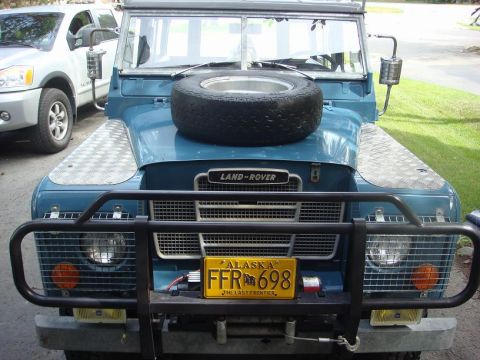
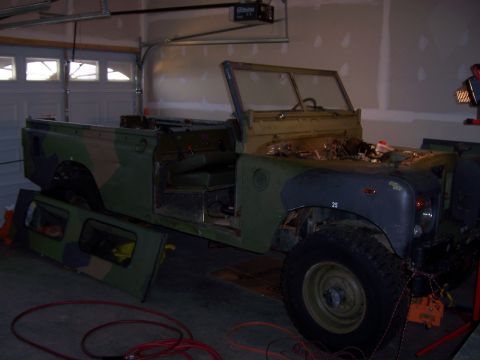
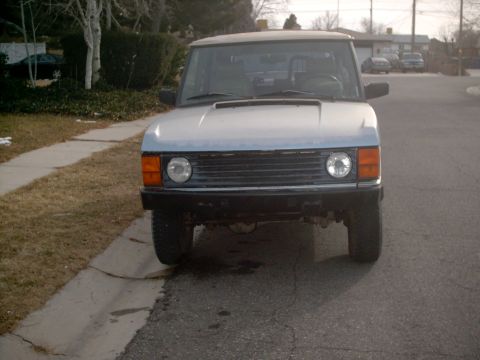
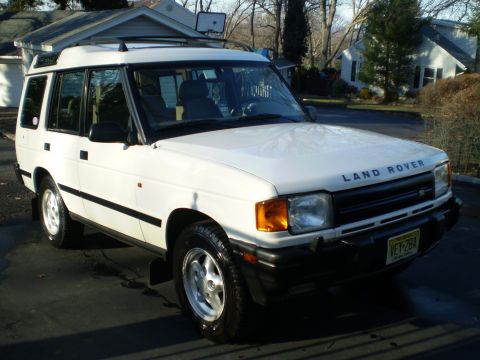
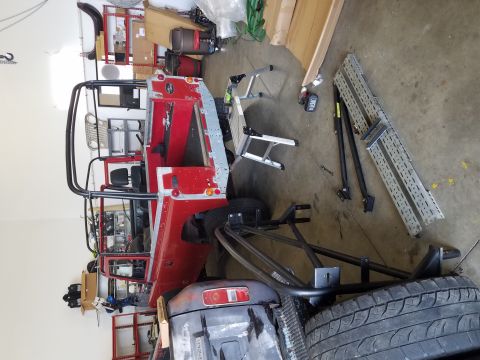
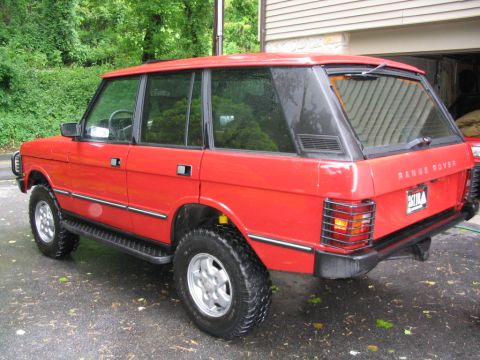
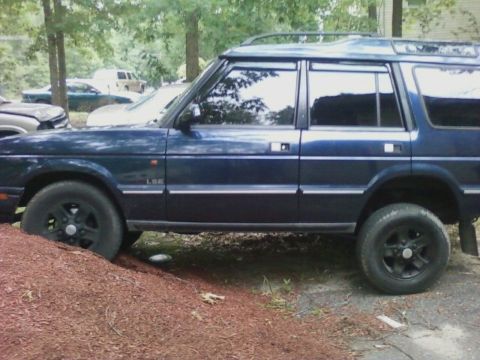
| Registry presence | 26 vehicles / 3,122 photos documented by owners on SuperMotors |
1947-1948: Maurice Wilks, a Welsh Beach, and Rover's Jeep Problem
The Land Rover began in the summer of 1947 as a sketch in the sand at Red Wharf Bay, Anglesey, where Rover's engineering chief Maurice Wilks was using a war-surplus Willys Jeep on his farm and asked what he would buy when it wore out. His answer, given to his brother Spencer Wilks, Rover's managing director, was that no British replacement existed. That gap mattered because the Rover Company itself was in trouble: postwar Britain rationed steel and allocated it to firms with export orders, and Rover's genteel middle-class saloons had almost no export market. A utility vehicle for farmers and colonial markets could be built largely of aluminium alloy, plentiful from surplus aircraft production, and would earn the export credits Rover needed to buy steel for its cars.
The prototype, built in mid-1947 on a Jeep chassis with a Rover engine and a centre steering position intended to suit both left- and right-hand markets, was crude but convincing. The board approved a production version with conventional steering, a box-section chassis, and flat aluminium panels that could be formed with minimal tooling. The Rover Company unveiled the Land Rover at the Amsterdam Motor Show on 30 April 1948, priced at 450 pounds. Maurice Wilks reportedly expected to build it for two or three years as a stopgap until car production recovered. Instead, by the early 1950s the Land Rover was outselling Rover's cars, and the stopgap had quietly become the company.
1948-1958: Solihull, Series Production, and the Export Machine
Within a decade of its 1948 launch the Land Rover had inverted the Rover Company, turning a maker of dignified saloons into a company whose profits came from a farm implement. Production at the Solihull works, a former wartime shadow factory near Birmingham, climbed rapidly: roughly 8,000 vehicles in the first full year against a target of 5,000, and by the mid-1950s Land Rovers accounted for well over half of Rover's output. The vehicle's genius was adaptability. Rover sold it as a chassis-cab, pickup, station wagon and fire tender, and the British Army, colonial agricultural services and aid agencies bought it in bulk. Exports went to more than 70 countries, exactly the hard-currency trade the British government's steel allocation scheme rewarded.
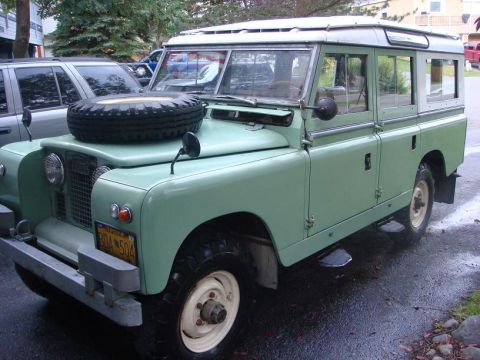
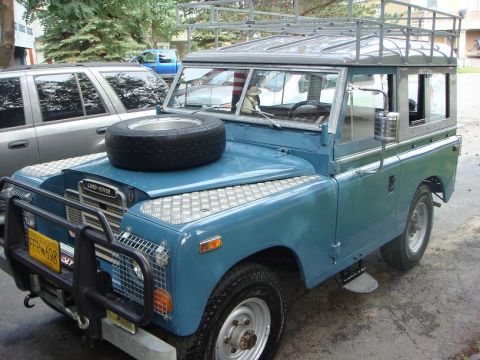
Engineering evolved conservatively under Maurice Wilks, who rose to managing director and finally Rover's chairman. The original 80-inch wheelbase grew to 86 and 107 inches, and in 1958 the company rationalized the line as the Series II, styled by David Bache with the subtle barrel-sided profile that defined the utility Land Rover's look for the next six decades. The Wilks brothers' management philosophy shaped the era: spend little, change slowly, and let the vehicle's reputation in Africa, Australia and the Middle East do the marketing. It worked commercially, but it also planted the seed of the company's later crisis, because a product that never needed replacing bred an organization that forgot how to replace products.
1958-1970: Charles Spencer King and the Road to the Range Rover
The idea that saved Land Rover twice over, a comfortable 4x4 for the road as much as the farm, took shape inside the Rover Company during the 1960s under engineer Charles Spencer "Spen" King, a nephew of the Wilks brothers. Market research showed American buyers snapping up Jeep Wagoneers and Ford Broncos, recreational four-wheel drives the Series Land Rover was too slow and harsh to compete with. King, working with engineer Gordon Bashford, conceived a vehicle with long-travel coil springs, permanent four-wheel drive, and the aluminium 3.5-litre V8 Rover had bought from General Motors' Buick division in 1965.
Corporate turbulence nearly derailed it. Rover, too small to fund new models alone, sold itself to Leyland Motors in 1967, and Leyland merged into the sprawling British Leyland Motor Corporation in 1968. Amid the chaos the project survived largely because it was cheap and nearly finished. Launched in June 1970, the Range Rover was styled essentially by its own engineers, with David Bache's studio tidying the details, and its clean two-door body was later exhibited at the Louvre as an example of industrial design. It created a market segment, the luxury SUV, that would not fully mature for another twenty years, and it gave the company a second product line for the first time in its history.
1970-1986: British Leyland, Starvation, and the Land Rover Limited Rescue
The 1970s nearly killed Land Rover not through failure but through neglect, as profits from Solihull were siphoned off to prop up British Leyland's collapsing car divisions. British Leyland was nationalized in 1975 after the Ryder Report, and Land Rover, one of the few consistently profitable pieces of the empire, received almost no investment. The consequences showed in the field: the utility Land Rover kept leaf springs and 1950s engines while Toyota's Land Cruiser and Nissan's Patrol, better built and better supported, took over the African and Australian markets that Land Rover had considered its own. In Australia, where the marque had once held some 90 per cent of the four-wheel-drive market, the Land Cruiser overtook it during the 1970s and was the country's best-selling 4x4 by 1983.
Rescue came with the 1978 creation of Land Rover Limited as a standalone subsidiary under managing director Mike Hodgkinson, backed by a government investment programme of roughly 250 million pounds for Solihull. The money bought the first real modernization in a generation: V8 power for the utility line, a four-door Range Rover in 1981, and in 1983-84 the coil-sprung One Ten and Ninety models that finally retired the leaf spring. Under Michael Edwardes and then Graham Day, the state-owned group shed its car ambitions, and a proposed 1986 sale of Land Rover to General Motors collapsed after a public outcry in Parliament about selling a national icon to the Americans. The reprieve left Land Rover inside the renamed Rover Group, still undercapitalized, but alive.
1986-1994: Tony Gilroy, Project Jay, and the Discovery Reinvention
Land Rover's escape from dependence on military and farm sales was engineered in the late 1980s by managing director Tony Gilroy, who bet the company on the family leisure market. Gilroy, who had earlier rescued Freight Rover as its managing director, shed the van business when it was hived off into the Leyland DAF joint venture in 1987, refocused Solihull entirely on 4x4s, and authorized Project Jay: a mid-priced vehicle using the Range Rover's chassis and V8 but bodied and trimmed for families, with an interior conceived by the Conran Design consultancy. Launched at the 1989 Frankfurt show, the Discovery undercut the Range Rover by a third and became the company's best seller within three years, arriving exactly as the European SUV boom ignited.
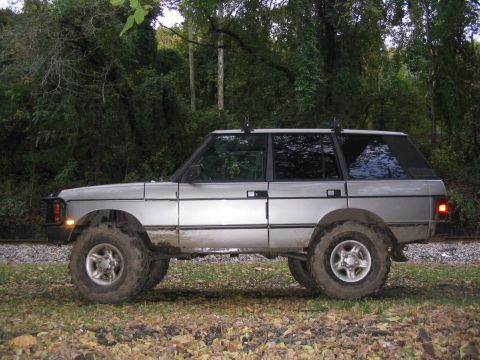
The strategy had a second prong: push the Range Rover upmarket, culminating in its official 1987 entry into the United States, where it established the brand's luxury credentials. In 1990 the utility line, which had never had a name beyond its wheelbase numbers, was christened Defender to distinguish it from its siblings. British Aerospace had bought Rover Group from the government in 1988 for 150 million pounds, a price widely criticized as a giveaway, and in January 1994 BAe sold the whole group to BMW for 800 million pounds. For the first time since 1948, Land Rover answered to a foreign owner.
1994-2000: BMW, the Freelander Gamble, and the Rover Group Collapse
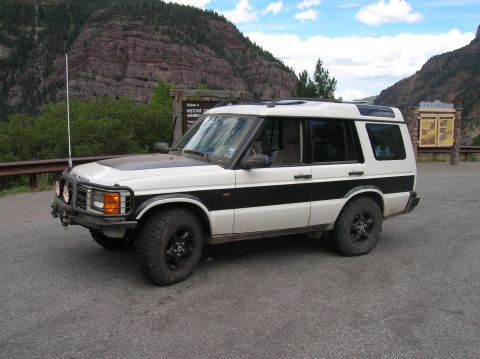
BMW's six-year ownership of the Rover Group, begun in 1994 under chairman Bernd Pischetsrieder, gave Land Rover its best products in decades while the surrounding company burned. BMW money funded the 1997 Freelander, Land Rover's first monocoque, car-based model and a project the cash-starved company had shelved for years; it promptly became Europe's best-selling 4x4. BMW engineering also shaped the 1998 second-generation Discovery and the third-generation Range Rover, developed largely in Munich around BMW V8 power.
But Rover's volume car business lost money at a rate the German press nicknamed "the English Patient," with losses approaching two million pounds a day by 1999. The crisis cost Pischetsrieder his job in February 1999, and in March 2000 BMW broke up the group: Rover cars went to the Phoenix consortium for a token ten pounds, MINI stayed in Munich, and Land Rover was sold to the Ford Motor Company for about 1.8 billion pounds. Ford, then assembling a stable of European luxury brands under its Premier Automotive Group alongside Jaguar, Volvo and Aston Martin, saw in Land Rover the SUV pedigree its portfolio lacked. Solihull changed flags again, the third owner in six years for a workforce that had started the decade under British Aerospace.
2000-2008: Ford's Premier Automotive Group and the Jaguar Marriage
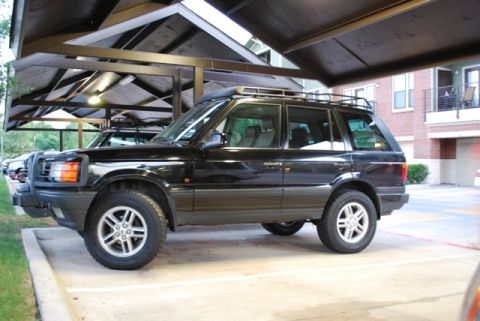
Ford's eight years of ownership, from 2000 to 2008, professionalized Land Rover and accidentally created the company that owns it today. Inside the Premier Automotive Group, Land Rover was progressively integrated with Jaguar: shared purchasing, shared diesel engines, and from 2006 the Freelander 2 built alongside Jaguars at Halewood on Merseyside. Product investment was heavy. The 2004 Discovery 3, engineered under Ford with its integrated body-frame structure, and the 2005 Range Rover Sport broadened the range, while design director Geoff Upex's team kept the brand's blocky visual language intact. Sales climbed toward 200,000 vehicles a year, a record.
Ford's own crisis ended the arrangement. Bleeding cash in North America, the company under Alan Mulally began selling its luxury portfolio, and in June 2008 Ford sold Jaguar and Land Rover together to Tata Motors of India for 2.3 billion dollars, less than it had paid for Land Rover alone in 2000. The sale, negotiated by Tata chairman Ratan Tata, was greeted with skepticism in the British press and relief in the factories, since Tata pledged to keep production and engineering in Britain. Within months the global financial crisis hit, and the new Jaguar Land Rover needed emergency loans to survive its first winter. What looked like Tata buying at the top of the market turned out to be the purchase of the decade.
2008-2026: Tata, Ratan Tata's Patience, and the Reinvented Defender
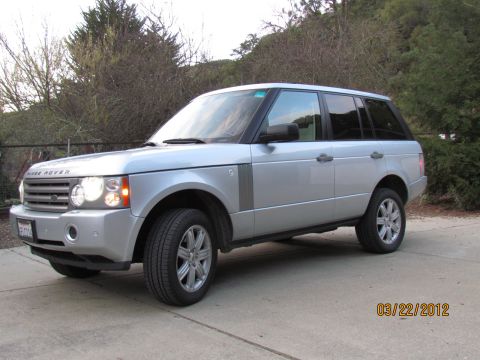
Under Tata Motors, Land Rover staged the most profitable run of its existence, driven by one product decision: the 2011 Range Rover Evoque, a compact, fashion-led Range Rover launched under CEO Ralf Speth and design director Gerry McGovern that opened the brand to urban buyers and to China. Jaguar Land Rover, formally consolidated as Jaguar Land Rover Limited in 2013, rode Chinese demand to sales above 600,000 vehicles and profits that funded new plants in China, Slovakia and Brazil, plus an engine factory in Wolverhampton. McGovern's design language, clean surfaces and floating roofs, became the brand's signature across the 2012 fourth-generation Range Rover and the Discovery line.
The era had its reckonings. The original Defender, in continuous production since 1948 in evolving form, ended at Solihull in January 2016 after more than two million utility Land Rovers, defeated by emissions and crash regulations it could never meet. Its 2019 successor, a monocoque built in Slovakia, angered purists and outsold every expectation. Diesel's collapse, Brexit uncertainty and a Chinese slowdown forced a 3.1 billion pound writedown in 2019, and Thierry Bollore's brief tenure gave way in 2022 to Adrian Mardell, who reorganized the company as a "House of Brands" with Range Rover, Defender and Discovery elevated to quasi-marque status. A crippling cyberattack halted JLR production worldwide for weeks in the autumn of 2025, and that November Tata veteran PB Balaji succeeded the retiring Mardell as chief executive. As of 2026 Land Rover remains a brand of Jaguar Land Rover Limited, headquartered at Whitley, Coventry, owned by Tata, and still building at Solihull the descendants of the vehicle Maurice Wilks sketched on a beach.
Leadership
| Leader | Tenure | Legacy |
|---|---|---|
| Maurice Wilks | Chief engineer, later managing director and chairman, Rover Company, 1930s-1963 | Sketched the original Land Rover concept in 1947 after using a war-surplus Jeep on his Anglesey farm, and pushed it into production as a Rover stopgap. |
| Spencer Wilks | Managing director, Rover Company, 1934-1957; chairman to 1962 | Approved and championed his brother's utility vehicle, turning a temporary export earner into Rover's core business. |
| Charles Spencer "Spen" King | Rover/Land Rover engineering, 1945-1970s | Led the engineering of the 1970 Range Rover, the vehicle that invented the luxury 4x4 segment. |
| Mike Hodgkinson | Managing director, Land Rover Limited, 1978-1983 | Ran the newly separated Land Rover Limited from the 1978 spin-out, overseeing the coil-sprung One Ten and Ninety programme. |
| Tony Gilroy | Managing director, Land Rover, 1983-1988 | Refocused the company on 4x4s, shed the commercial-vehicle lines and initiated Project Jay, which became the 1989 Discovery. |
| Ratan Tata | Chairman, Tata Group, 1991-2012 | Bought Jaguar and Land Rover from Ford in 2008 for 2.3 billion dollars and funded the product renaissance that produced the reinvented Defender. |
| Ralf Speth | Chief executive, Jaguar Land Rover, 2010-2020 | Presided over the Evoque-led boom, Chinese expansion and record sales and profits, the most lucrative decade in the marque's history. |
| Gerry McGovern | Design chief, Land Rover then JLR, 2006-present | Directed the design language of the Evoque, the fourth- and fifth-generation Range Rovers and the 2020 Defender. |
Timeline
| Year | Event | Detail |
|---|---|---|
| 1947 | Concept born | Rover engineering chief Maurice Wilks sketches a Jeep-inspired utility vehicle, by tradition in the sand at Red Wharf Bay on Anglesey, as a stopgap product for the steel-rationed Rover Company. |
| 1948 | Land Rover Series I introduced | The aluminium-bodied Land Rover debuts at the Amsterdam Motor Show on 30 April 1948, priced at 450 pounds sterling. |
| 1958 | Series II introduced | The restyled Series II arrives for the marque's tenth anniversary, the first Land Rover shaped by Rover styling chief David Bache. |
| 1967 | Rover joins Leyland | The Rover Company is absorbed into Leyland Motor Corporation, which merges into British Leyland in 1968. |
| 1970 | Range Rover introduced | The Spen King-engineered Range Rover launches in June 1970 with a 3.5-litre V8 and permanent four-wheel drive, creating the luxury 4x4 class. |
| 1975 | Nationalization | British Leyland collapses and is nationalized by the UK government under the Ryder Report, leaving Land Rover starved of investment. |
| 1978 | Land Rover Limited formed | Land Rover becomes a standalone subsidiary within BL, backed by a roughly 250 million pound investment programme for Solihull. |
| 1983 | One Ten introduced | The coil-sprung Land Rover One Ten replaces the leaf-sprung Series III, followed by the Ninety in 1984. |
| 1989 | Discovery introduced | Project Jay emerges as the Discovery, a family 4x4 on the Range Rover chassis that becomes the company's volume seller. |
| 1990 | Defender named | The utility line takes the Defender name to distinguish it from the growing Discovery and Range Rover ranges. |
| 1994 | BMW acquires Rover Group | British Aerospace sells Rover Group, including Land Rover, to BMW for 800 million pounds. |
| 1994 | Second-generation Range Rover | The P38A Range Rover replaces the 24-year-old original. |
| 1997 | Freelander introduced | Land Rover enters the compact monocoque SUV market; the Freelander becomes Europe's best-selling 4x4. |
| 2000 | Sold to Ford | BMW breaks up Rover Group and sells Land Rover to Ford for roughly 1.8 billion pounds, joining Ford's Premier Automotive Group alongside Jaguar. |
| 2005 | Range Rover Sport introduced | Ford-era Land Rover adds the Range Rover Sport, alongside the LR3-generation Discovery launched in 2004. |
| 2008 | Tata Motors acquires Jaguar Land Rover | Ford sells Jaguar and Land Rover to India's Tata Motors for 2.3 billion dollars in June 2008. |
| 2011 | Range Rover Evoque introduced | The compact Evoque becomes the fastest-selling Land Rover to date and funds JLR's expansion. |
| 2013 | Jaguar Land Rover Limited formed | The separate Jaguar Cars and Land Rover companies merge into a single legal entity, Jaguar Land Rover Limited, headquartered in Whitley, Coventry; Land Rover continues as a brand. |
| 2016 | Original Defender production ends | The last of 2,016,933 Solihull-built utility Land Rovers, a Defender 90, leaves the line on 29 January 2016 after 67 years of continuous production. |
| 2020 | New Defender introduced | The clean-sheet monocoque Defender (L663) enters production at JLR's new plant in Nitra, Slovakia. |
| 2025 | Cyberattack and new leadership | A September cyberattack halts JLR production worldwide for weeks; in November, Tata veteran PB Balaji succeeds the retiring Adrian Mardell as chief executive. |
Asked all the time
Who founded Land Rover?
Land Rover was created by the Rover Company, driven by brothers Maurice Wilks, Rover's chief engineer, and Spencer Wilks, its managing director. Maurice conceived the vehicle in 1947 after running a war-surplus Willys Jeep on his farm on Anglesey, and the first Land Rover was unveiled at the Amsterdam Motor Show on 30 April 1948.
Is Land Rover still in business?
Yes. Land Rover survives as an active brand of Jaguar Land Rover Limited, owned by India's Tata Motors. The standalone Land Rover company disappeared in 2013 when it merged with Jaguar Cars into a single legal entity, but the marque still builds the Range Rover, Discovery and Defender lines.
Who owns Land Rover today?
Tata Motors of India has owned Land Rover since June 2008, when it bought Jaguar and Land Rover from Ford for 2.3 billion dollars. The brand sits inside Jaguar Land Rover Automotive plc, headquartered in Whitley, Coventry.
Why did Rover build the Land Rover in the first place?
Post-war Britain rationed steel and prioritized exports, and the Rover Company needed a product it could sell abroad quickly. Maurice Wilks proposed a Jeep-inspired utility vehicle with a body of unrationed aluminium alloy, intended as a two-to-three-year stopgap. It outsold Rover's cars almost immediately and became the company's main business.
How many times has Land Rover changed owners?
The marque passed through seven ownership regimes: the Rover Company (1948), Leyland and then British Leyland (1967-1968), UK government nationalization (1975), British Aerospace (1988), BMW (1994), Ford (2000) and finally Tata Motors (2008).
Why is Land Rover headquartered in Coventry rather than Solihull?
Whitley, Coventry is the head office of Jaguar Land Rover Limited, the merged company formed in 2013, and it was historically Jaguar's engineering centre. Solihull remains a major Land Rover manufacturing plant and has built the vehicles since 1948.
When did Land Rover stop being an independent company?
It arguably never was fully independent. It began as a Rover Company product line, became the standalone subsidiary Land Rover Limited in 1978 inside British Leyland, and lost separate corporate existence in 2013 when Jaguar Cars Limited and Land Rover merged into Jaguar Land Rover Limited.
The wall
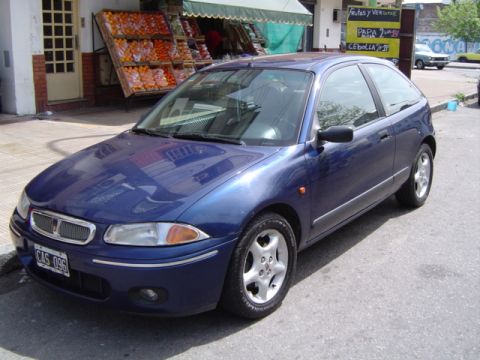
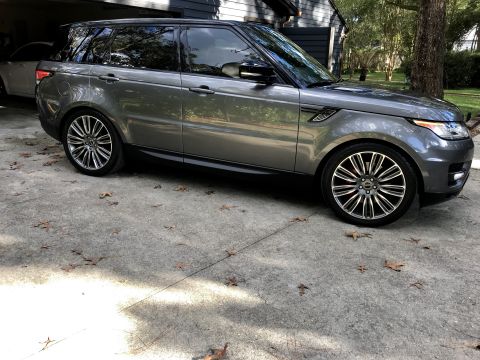
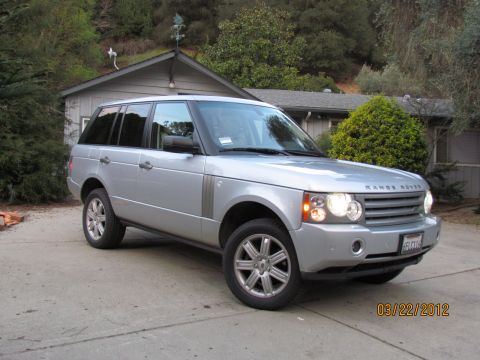
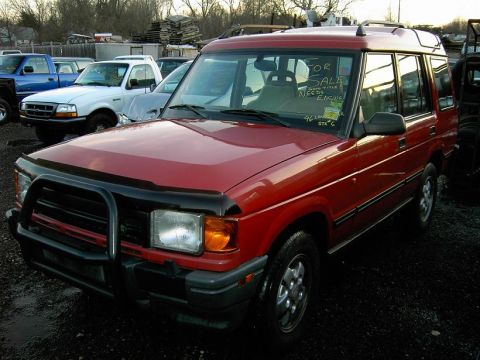
The most-documented Land Rover vehicles in the registry, every photo by the owner.