The registry
Lexus Registry: Models, Builds & Photos
Lexus is Toyota's luxury division, launched in the United States in 1989 with the LS 400 after a development program Toyota called F1 (Flagship One) that reportedly consumed over one billion dollars and six years. The brand built its reputation on tight assembly tolerances, quiet drivetrains, and reliability numbers that embarrassed the German marques it targeted. Under the badges sits proven Toyota hardware, which is exactly why so many Lexus models rack up 300,000 mile odometers and why owners keep modifying them decades later.
Pick your model
How Lexus Started
Toyota greenlit the F1 flagship project in August 1983 and shipped the first LS 400 to American dealers in September 1989, alongside the smaller ES 250. The LS 400 carried the 1UZ-FE, a 4.0 liter all-aluminum quad-cam V8 that became one of the toughest engines Toyota ever built. That same V8 went into the SC 400 coupe for 1992, with the six-cylinder SC 300 and its 2JZ-GE joining it that summer. Lexus was a US-market invention at first; Japan did not get the Lexus brand at home until July 2005, and those same cars sold there as Toyotas (the IS was the Altezza, the LX was a Land Cruiser Cygnus). The brand introduced its first hybrid, the RX 400h, for 2006, and the F performance line arrived with the IS F in 2008. The LFA supercar, 500 cars built between December 2010 and December 2012 around a carbon fiber tub and a 553 hp 4.8 liter V10, showed what the company could do when cost stopped mattering.
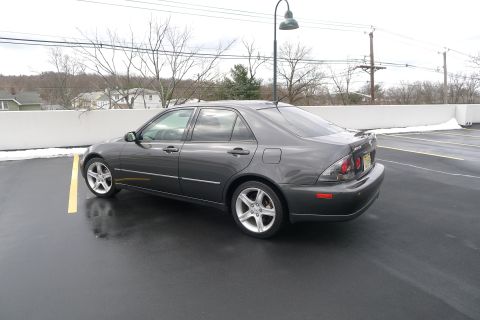
IS 300 (2001-2005 in the US)
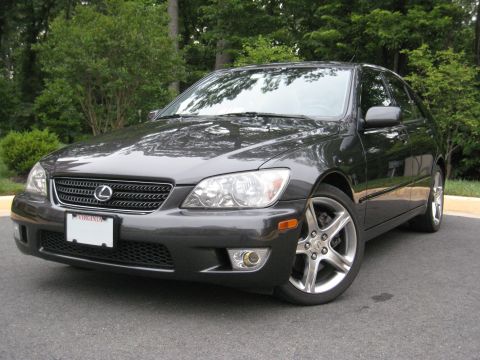
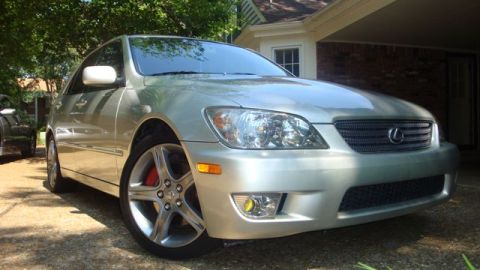
The first-generation IS ran the 2JZ-GE, a 3.0 liter naturally aspirated inline six from the same family as the Supra Turbo's 2JZ-GTE, driving the rear wheels. That engine swap potential, plus a factory 5-speed manual offered on the sedan from 2002, made the IS 300 the most modified Lexus of its era. The SportCross wagon variant (2002-2005, automatic only) is the rare one.
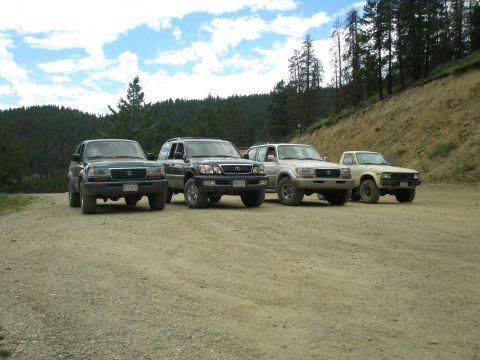
LX 470 (1998-2007)
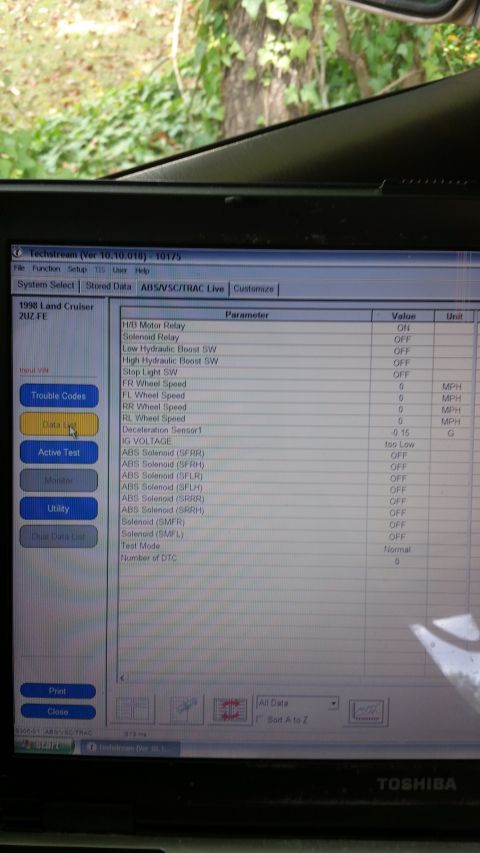
The LX 470 is a Toyota Land Cruiser 100-series with Lexus trim, running the 4.7 liter 2UZ-FE V8 and full-time four wheel drive with a locking center differential. It used Adaptive Height Control hydraulic suspension instead of the US Land Cruiser's coils, which is the main system owners either maintain or delete when building them for overland or trail use. Solid front axles were gone by this generation, but the platform still takes hard use.
ES 300 (1992-2003) and ES 330 (2004-2006)
The ES is a front-wheel-drive sedan on the Toyota Camry platform, and the volume seller for the brand. The 2002-2003 fourth-generation cars carry the 3.0 liter 1MZ-FE V6; for 2004 the engine grew to the 3.3 liter 3MZ-FE and the car was renamed ES 330. Both versions used a 5-speed automatic whose shift hesitation drew a technical service bulletin and computer reflashes on 2002-2005 cars, and it remains a known ownership item.
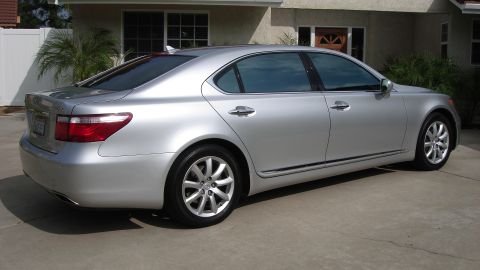
LS 430 (2001-2006)
The third-generation LS ran the 4.3 liter 3UZ-FE V8, first with a 5-speed automatic, then a 6-speed from the 2004 refresh. These routinely pass 250,000 miles on original drivetrains, and the 3UZ shares its architecture with the 1UZ, so parts and knowledge carry over.
RX 300 (1999-2003)
The first RX defined the car-based luxury crossover segment, built on a Camry-derived platform with the 1MZ-FE V6 and available all wheel drive. The known weak point is oil gelling (sludge) in the 1MZ when oil changes are stretched. Toyota ran a sludge repair program covering 1997-2002 model year vehicles with this engine, which takes in most first-generation RX 300s but not the final 2003 cars.
Asked all the time
When did Lexus start selling cars?
Lexus launched in the United States in September 1989 with the LS 400 and ES 250. Toyota developed the brand specifically for the North American market; Japan did not get Lexus-badged cars at home until July 2005, and the same vehicles sold there as Toyotas before that.
Are Lexus parts just Toyota parts?
Mostly yes. Nearly every Lexus shares its platform and drivetrain with a Toyota. The LX 470 is a Land Cruiser 100, the ES 300 is Camry-based, and the IS 300's 2JZ-GE six is a Supra-family engine. Toyota-branded parts frequently fit and cost less, which keeps older Lexus models cheap to keep on the road.
What years was the Lexus IS 300 made, and why do people modify it?
The first-generation IS 300 sold in the US from the 2001 through 2005 model years. It is rear wheel drive with the naturally aspirated 2JZ-GE inline six, and the Supra Turbo's 2JZ-GTE bolts into the same bay, so Lexus IS 300s became a favorite platform for turbo builds and swaps. A 5-speed manual arrived for 2002 on the sedan only; the SportCross wagon was automatic only.
Is the Lexus LX 470 as capable off road as a Land Cruiser?
Yes. The Lexus LX 470 (1998-2007) is mechanically a 100-series Land Cruiser with the 4.7 liter 2UZ-FE V8, full-time four wheel drive, and a locking center diff. The main difference is the Adaptive Height Control hydraulic suspension, which many owners convert to conventional coils for heavy off-road or overland builds.
What should I watch for on older Lexus V6 models like the ES 300 and RX 300?
The 1MZ-FE 3.0 V6 in the Lexus ES 300 and RX 300 is prone to oil sludge if oil changes are neglected. Toyota ran a repair program covering 1997-2002 model year vehicles with this engine for eight years from first sale. The 2002-2005 ES also had a known 5-speed automatic shift hesitation issue that Toyota addressed with computer reflashes. With clean maintenance history, both engines run past 250,000 miles.
The wall
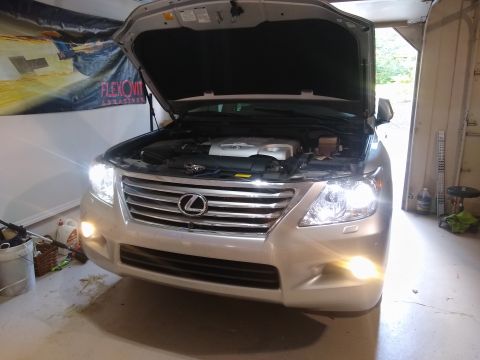
The most-documented Lexus vehicles in the registry, every photo by the owner.