The registry
Mack Registry: Models, Builds & Photos
Mack Trucks traces to 1900, when the Mack brothers built their first bus in Brooklyn before moving heavy truck production to Allentown, Pennsylvania in 1905. The AC model of 1916 earned the bulldog nickname from British soldiers in World War I, and the dog has been the corporate emblem since 1922. Mack built its reputation on vertical integration, making its own engines, transmissions, and rear axles when most truck builders bought components. Volvo agreed to buy Mack from Renault in 2000, closing the deal in January 2001, and Mack trucks are still built in Lower Macungie, Pennsylvania today.
Pick your model
From Brooklyn Bus to Bulldog
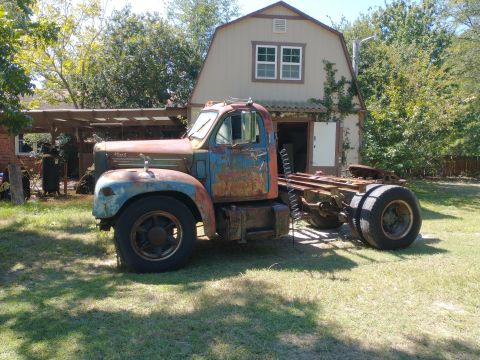
Augustus, John, and William Mack started with a sightseeing bus in Brooklyn in 1900, then organized as the Mack Brothers Motor Car Company and moved manufacturing to Allentown, Pennsylvania in 1905. The chain-drive AC model, produced from 1916 into the late 1930s, hauled supplies for the British and American armies in World War I. British troops called it the Bulldog Mack for its blunt hood and refusal to quit, and the company adopted the bulldog as its official emblem in 1922. The chrome hood ornament came later, patented in 1932 after chief engineer Alfred Masury carved the first one.
The B Model, 1953-1966
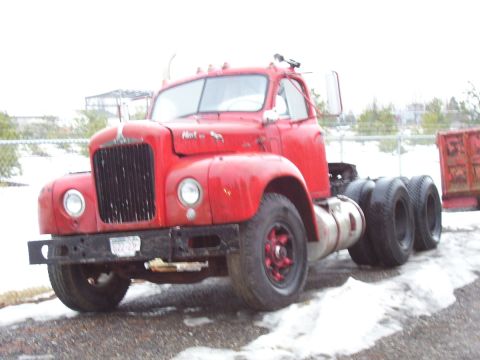
The B series is the Mack most old-truck people know on sight, and it is where the deepest owner community sits. Roughly 127,000 B models were built between 1953 and 1966 across a wide spread of variants, from the single-axle B42 up to heavy tandem B70-series highway tractors and B80-series construction chassis. Power came from Mack's own END and ENDT Thermodyne diesels alongside gasoline options, backed by Mack's own transmissions, including the duplex and triplex multi-shift boxes that reward a driver who can float two sticks. The rounded fenders and split windshield make a B unmistakable, and enough survive in fire service, show, and working retirement that parts support through Mack dealers and the Antique Truck Club circuit remains workable.
After the B
The R series replaced the B in 1966 and stayed in production until 2005, one of the longest runs of any American truck. That same year Mack introduced the Maxidyne engine, a high-torque-rise diesel that held usable power across a wide rpm band and let trucks run five-speed boxes where competitors needed ten or more gears. The cabover F series covered long-haul work from 1962 to 1981, the U and DM models put an offset cab on city and construction chassis, and a Hayward, California plant opened in 1966 to build lightweight western models, including the aluminum-frame RL, before closing in 1980.
Ownership Changes
Mack was never a defunct marque, but it changed hands several times. Renault took a stake in 1979 and full control by 1990. Volvo agreed in 2000 to buy Renault's truck business, Mack included, and the deal closed in January 2001. Current models like the Anthem and Granite share components with Volvo while keeping Mack MP-series engine branding and the bulldog on the hood.
Asked all the time
What years was the Mack B model built?
Mack built the B series from 1953 to 1966, with roughly 127,000 produced across dozens of variants. Model numbers indicate duty rating: B42 and B61 were common highway tractors, while B70 and B80 series covered heavier highway and construction work.
What engines came in the classic Mack B models?
Most diesel B models carried Mack's own END or ENDT Thermodyne engines, with the turbocharged ENDT 673 being a common highway spec. Mack also offered gasoline engines in lighter B variants. Mack built its own transmissions too, including the two-stick duplex and triplex boxes.
Is Mack still in business?
Yes. Volvo agreed to buy Mack from Renault in 2000, completed the deal in January 2001, and still builds Mack trucks in Lower Macungie, Pennsylvania. Renault owned the company before that, taking a stake in 1979 and full control by 1990. The bulldog badge has been continuous since 1922.
How hard is it to find parts for an old Mack?
Better than for most orphan trucks. Because Mack made its own engines, transmissions, and axles, and because the company never went under, many mechanical parts for B and R series Macks can still be sourced through Mack dealers, dedicated old-Mack parts vendors, and clubs like the Antique Truck Club of America. Cab sheet metal and trim are the harder hunt.
Why is the Mack emblem a bulldog?
British soldiers in World War I nicknamed the Mack AC the Bulldog Mack for its stubby hood and durability. Mack adopted the bulldog as its corporate symbol in 1922, and the chrome hood ornament, first carved by chief engineer Alfred Masury, was patented in 1932.
The wall
The most-documented Mack vehicles in the registry, every photo by the owner.