The registry
Mazda Registry: Models, Builds & Photos
Mazda Motor Corporation is a Japanese automaker founded in Hiroshima on January 30, 1920 as Toyo Cork Kogyo, a struggling cork processor that Jujiro Matsuda took over in 1921 and turned to machine tools and, in 1931, three-wheeled trucks. It survived the 1945 atomic bombing of Hiroshima, entered passenger cars in 1960, and bet the company on the Wankel rotary engine, the only manufacturer to mass-produce it successfully. The 1973 oil crisis nearly killed the firm, pushing it into a rescue by Sumitomo Bank and a 1979 equity alliance with Ford that lasted until 2008. Renamed Mazda Motor Corporation in 1984, it won Le Mans in 1991 with a rotary, created the best-selling roadster in history in the Miata, and today operates independently with Toyota holding a minority stake.
Pick your model
Key facts
- Founded: January 30, 1920, in Hiroshima, Japan, as Toyo Cork Kogyo Co., Ltd.; renamed Toyo Kogyo in 1927 and Mazda Motor Corporation in 1984
- Headquarters: Fuchu, Aki District, Hiroshima Prefecture, Japan, the same district where the company survived the August 6, 1945 atomic bombing
- First vehicle: Mazda-Go three-wheeled truck (1931); first passenger car: R360 Coupe (1960)
- Signature technology: the Wankel rotary engine, licensed from NSU in 1961 and mass-produced from the 1967 Cosmo Sport to the 2012 end of RX-8 production; Mazda is the only automaker to have done so successfully
- Motorsport landmark: outright victory at the 1991 24 Hours of Le Mans with the four-rotor 787B, the first for a Japanese manufacturer and the only one by a non-piston engine
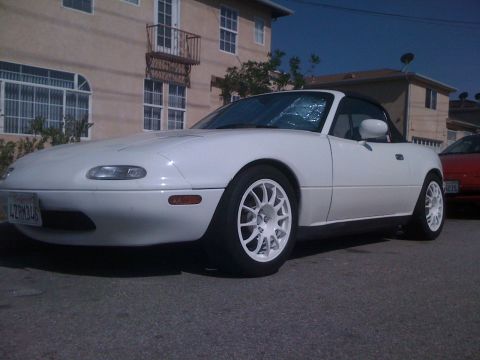
- Best seller: the MX-5 Miata (1989-present) is the best-selling two-seat sports car in history
- Ford era: Ford held equity from 1979 (24.5%) to 2015, including a controlling 33.4% from 1996 to 2008
- Today: independent, with Toyota holding roughly 5% under the 2017 cross-shareholding alliance; joint Mazda Toyota Manufacturing plant in Huntsville, Alabama, opened 2021
- Current leadership: Masahiro Moro, Representative Director, President and CEO (since June 2023)
1920-1945: Jujiro Matsuda, Toyo Cork Kogyo, and the Three-Wheeled Truck
Mazda began on January 30, 1920, not as a car company but as a cork processor, because World War I had cut Japan off from imported cork and Hiroshima businessmen saw an opening. Toyo Cork Kogyo was foundering within a year of its founding, and in 1921 its Hiroshima backers installed Jujiro Matsuda, a fisherman's son apprenticed to a blacksmith at fourteen who had become a self-made machinery entrepreneur with a successful pump business behind him, to turn it around. Matsuda did more than rescue it. He concluded that cork was a dead end once trade normalized, dropped "Cork" from the name in 1927, and steered Toyo Kogyo into machine tools.
The pivotal product came in 1931: the Mazda-Go, a three-wheeled motorized rickshaw truck aimed at small merchants who could not afford four wheels. The name fused Ahura Mazda, the Zoroastrian god of light, with a phonetic echo of Matsuda's own surname, and it worked. Three-wheelers gave the company scale, a dealer network built partly through an agreement with Mitsubishi for distribution, and export experience in China as early as 1932. Through the 1930s and the war years Toyo Kogyo also produced rifles for the Japanese military, the Type 99 among them, which tied the company's fortunes to the war economy.
On August 6, 1945, the atomic bomb detonated roughly five kilometers from the Toyo Kogyo works in Fuchu, on Hiroshima's eastern edge, where a hillside partially shielded the plant. The factory survived largely intact while the city center was destroyed. Matsuda turned space in the company's buildings over to the prefectural government and other displaced public agencies as emergency facilities, and Toyo Kogyo became a spine of Hiroshima's civic reconstruction. Three-wheeled truck production restarted in December 1945, four months after the bombing. That survival, and the company's role in rebuilding its home city, explains a loyalty between Mazda and Hiroshima that later shaped every crisis decision the firm made: leaving the city was never on the table.
1945-1961: Tsuneji Matsuda's Succession and the Passenger-Car Gamble
Postwar Toyo Kogyo rode Japan's reconstruction boom on three wheels, and by the mid-1950s it held the largest share of Japan's three-wheeled truck market. Jujiro Matsuda remained in charge until 1951, when Tsuneji Matsuda, a member of the founding Matsuda family, took the presidency; the founder died in 1952. Tsuneji inherited a profitable truck maker facing an obvious problem: Japan's Ministry of International Trade and Industry was pushing consolidation of the auto industry, and small specialists without passenger cars risked being merged out of existence.
The answer was the R360 Coupe of 1960, Toyo Kogyo's first passenger car, a 356 cc kei-class two-door that undercut rivals on price and promptly took the largest share of the kei market. It proved the company could build cars, but Tsuneji Matsuda understood that a kei car would not protect independence. What would, he judged, was exclusive technology no rival possessed. In 1961 Toyo Kogyo signed a license agreement with NSU of West Germany and Felix Wankel's laboratory for the rotary engine, an unproven design with a fatal flaw, chatter marks that gouged the rotor housing, that NSU itself never solved in production. The license was expensive and the technology raw, and Tsuneji Matsuda took it anyway, explicitly as an anti-merger insurance policy. That single decision set the company's identity, its greatest triumphs, and its two near-death experiences for the next half century.
1961-1973: Kenichi Yamamoto, the 47 Ronin, and the Rotary Ascendancy
In 1963 the rotary problem was handed to engineer Kenichi Yamamoto and a team of forty-seven engineers, Yamamoto included, who became known inside the company as the forty-seven ronin, after the loyal samurai of legend. Their enemy was the chatter mark problem; their eventual fix, cross-hollow carbon apex seals developed with Nippon Carbon, made Toyo Kogyo the first and only company to make the Wankel engine durable enough for sustained mass production. The Cosmo Sport 110S of May 1967 announced it to the world, and rotary sedans and coupes followed in quick succession, including the RX-3, which fought Nissan's Skyline GT-R on Japanese circuits and helped end its touring-car winning streak in 1971-72.
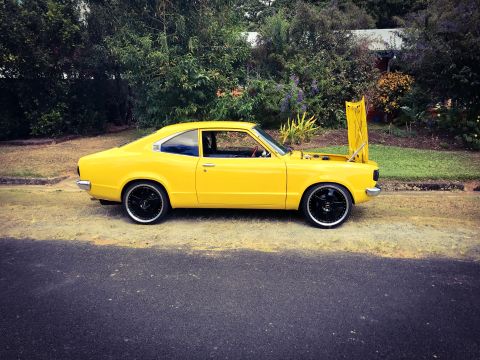
The rotary was also the battering ram for the market that would define Mazda's future: America. Mazda entered the United States in 1970, and the smooth, high-revving rotaries sold on their novelty; US sales passed 100,000 cars a year by 1973. Tsuneji Matsuda's succession plan kept the family in charge, with his son Kohei Matsuda rising toward the presidency he assumed in 1970 after Tsuneji's death. The company piled capacity and capital into rotary expansion, planning for a future in which most of its lineup spun rather than reciprocated. The bet looked brilliant right up until October 1973, when the Arab oil embargo turned the rotary's one unsolved vice, thirst, into a commercial death sentence.
1973-1979: The Oil Shock, Sumitomo Bank's Takeover, and the End of Matsuda Family Rule
The 1973 oil crisis nearly destroyed Toyo Kogyo, because the company had bet its lineup on an engine that used roughly a third more fuel than comparable piston cars just as fuel economy became the only thing American buyers cared about. Compounding the damage, US EPA test figures publicized the rotaries' poor mileage, and Mazda's American sales collapsed; unsold inventory stacked up on the docks. By 1974-75 the company was losing money heavily under president Kohei Matsuda, the founder's grandson, who was widely judged to have been slow to diversify away from the rotary.
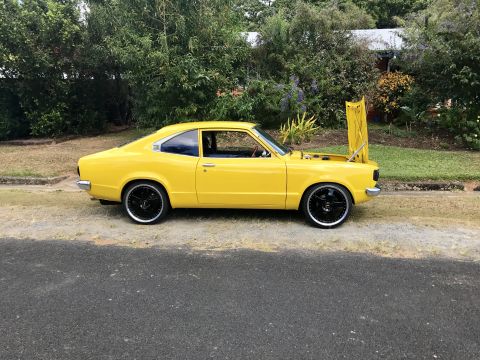
Japan's main-bank system then did what it was built to do. Sumitomo Bank, Toyo Kogyo's lead lender, mounted one of the most studied corporate rescues in Japanese history: it guaranteed the company's debts, installed its own executives inside Toyo Kogyo, and forced a restructuring in which thousands of factory workers were redeployed as door-to-door car salesmen rather than laid off, preserving the Hiroshima workforce while cutting costs. Kohei Matsuda was moved aside in 1977, ending Matsuda family control after three generations, and Yoshiki Yamasaki took the presidency to run the recovery. Engineering was told to make the rotary a niche sports-car engine and rebuild the volume lineup around efficient piston cars, which produced the Familia/GLC and Capella/626 lines that restored profitability. The one glamorous product of the austerity years, the 1978 RX-7, repositioned the rotary exactly as the bank's plan demanded: a light, affordable sports car that turned the engine from a liability into a halo, selling over 470,000 units in its first generation.
1979-1991: The Ford Alliance, the 323/626 Renaissance, and Renaming the Company Mazda
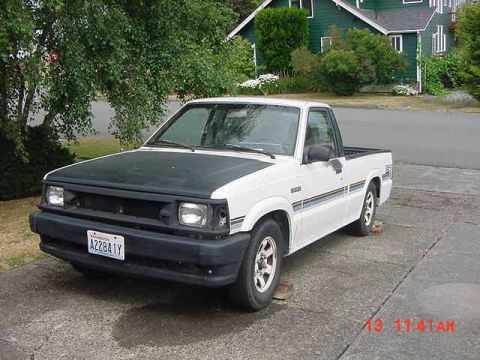
In 1979 Ford Motor Company bought 24.5 percent of Toyo Kogyo, a deal Sumitomo Bank encouraged as the capstone of the rescue, and the partnership defined Mazda's next three decades. Ford got small-car engineering it could not match in-house; Mazda got capital, scale, and access to Ford's distribution. The relationship deepened into shared platforms and factories: Mazda's B-series pickups had already been sold as Ford Couriers, Mazda 323 and 626 architecture went under Ford Laser, Probe, and Escort-class products, and Mazda's Flat Rock, Michigan plant opened in 1987 to build the 626-based MX-6 alongside the Ford Probe, becoming the 50/50 AutoAlliance joint venture when Ford bought into it in 1992. Badge engineering ran both ways; the Ford Explorer would later be sold as the Mazda Navajo.
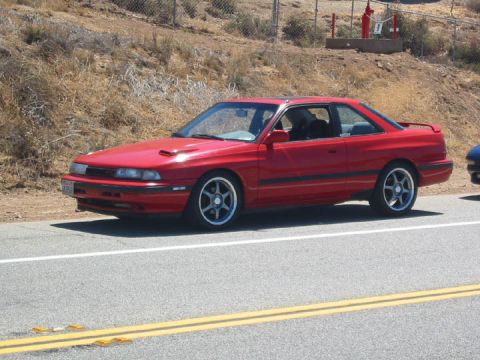
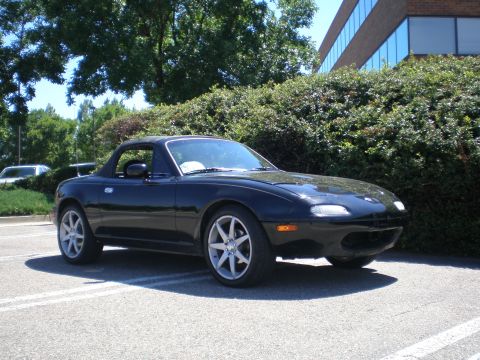
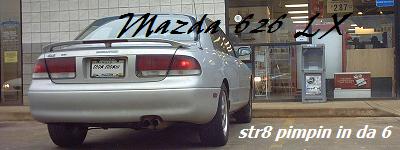
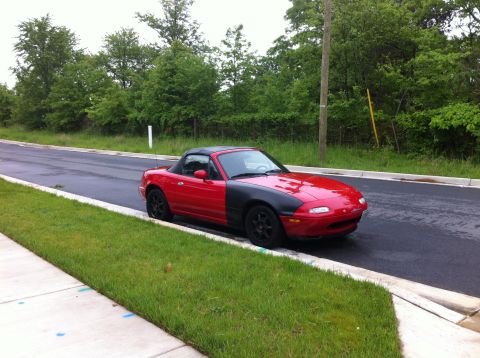
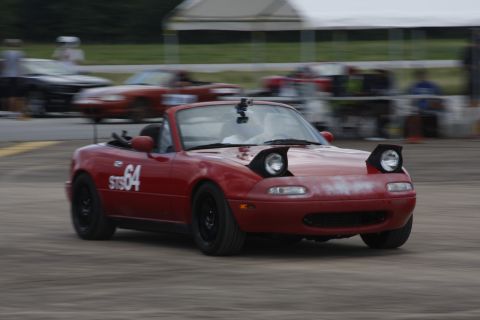
Under presidents Yoshiki Yamasaki and then Kenichi Yamamoto, the rotary engineer who rose to lead the whole company in 1984, the firm rebuilt its volume business with the front-drive 323 and 626, both of which won Car of the Year honors in Japan and strong reviews in the US, where the 626 became a Flat Rock-built mainstay. In 1984 the company finally renamed itself Mazda Motor Corporation, aligning the legal entity with the brand it had used on cars since 1931. The decade closed with its most consequential product decision: championed by American journalist-turned-product-planner Bob Hall and approved by Yamamoto, the 1989 Miata revived the dead British-roadster formula with Japanese reliability and became the best-selling two-seat sports car in history, a permanent argument for Mazda's independence as a driver's brand.
1991-1996: Le Mans Glory, Bubble-Era Overreach, and Ford Takes Control
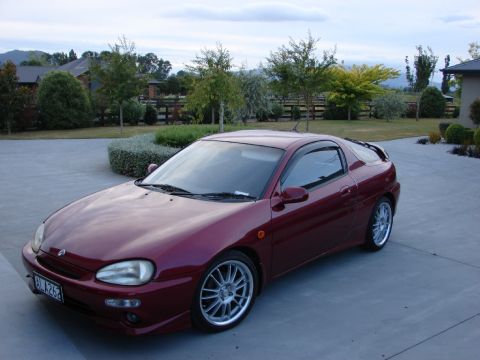
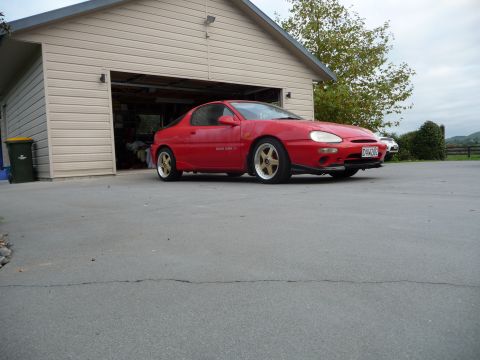
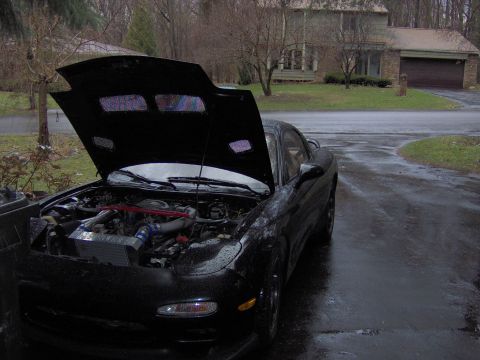
On June 23, 1991, Mazda's four-rotor 787B won the 24 Hours of Le Mans outright, the first victory for a Japanese manufacturer and the only one ever for a non-piston engine, and the triumph arrived at almost the exact moment the company's finances began to unravel. Flush with bubble-economy confidence, Mazda had expanded to five domestic dealer channels with new marques, Autozam, Eunos, and Efini, and planned an Amati luxury brand for the United States, attempting to imitate Toyota's multi-channel scale on a fraction of Toyota's volume. Product proliferation followed, including boutique coupes like the MX-3, and the third-generation RX-7 of 1991 pushed the rotary upmarket just as Japan's asset bubble burst.
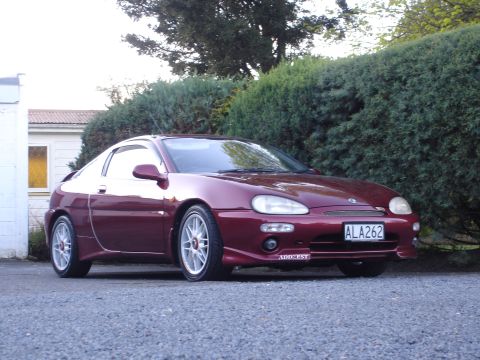
The yen's sharp appreciation after 1993 crushed export margins, the dealer channels cannibalized each other, Amati was cancelled in 1992 before launch, and Mazda slid into years of losses. Sumitomo Bank could not underwrite a second solo rescue on the scale required, so the solution was the existing shareholder. In 1996 Ford raised its stake to 33.4 percent, a controlling interest under Japanese law, and installed Henry Wallace as president, the first foreigner to run a major Japanese automaker, ahead of Renault's Carlos Ghosn at Nissan. It was a humbling outcome for a company that had licensed the rotary in 1961 precisely to stay independent, but Ford control came with survival.
1996-2008: Mark Fields, the Zoom-Zoom Reinvention, and the Mazda3/Mazda6 Platform Bet
Under Ford control, Mazda spent the late 1990s cutting and the early 2000s reinventing, and the pivot has a name: Zoom-Zoom. Henry Wallace and his successors James Miller and Mark Fields, who took the presidency in 1999 at age 38, closed the multi-channel experiment, trimmed the model range, shut the Hiroshima area's excess capacity, and pushed a millennium plan that returned Mazda to profit. Fields then made the strategic call that still defines the company: rather than chase every segment, Mazda would be the affordable driver's brand, and every product would share a coherent dynamic character, marketed worldwide from 2000 under the Zoom-Zoom banner.
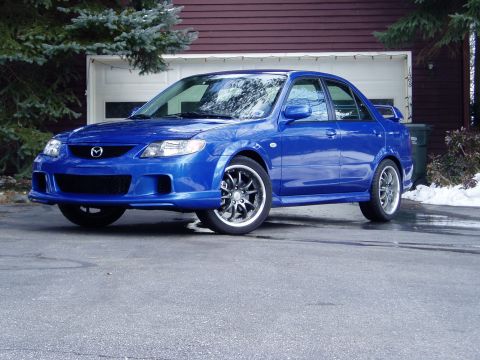
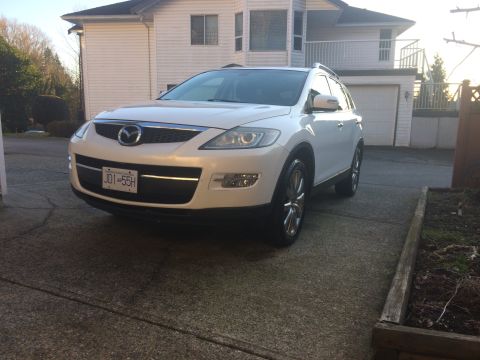
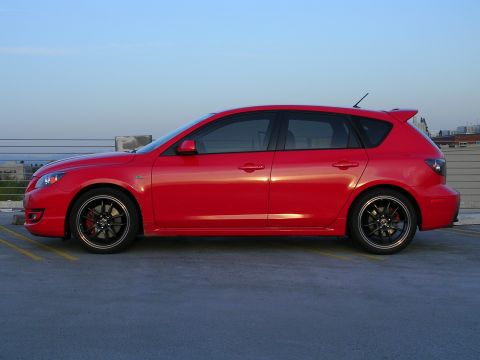
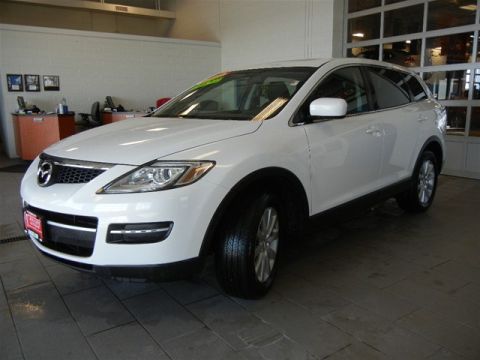
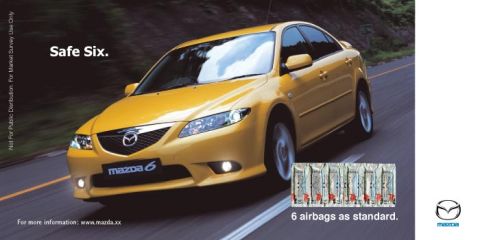
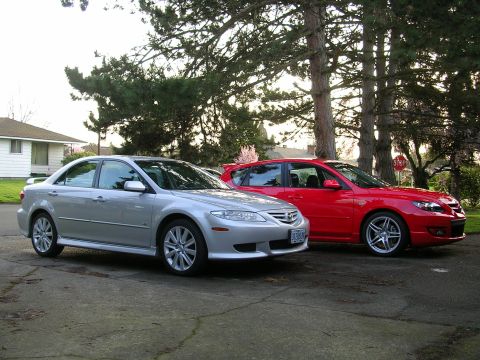
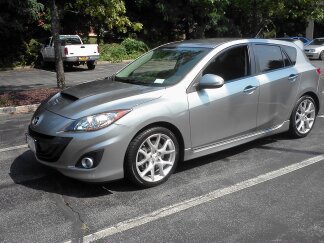
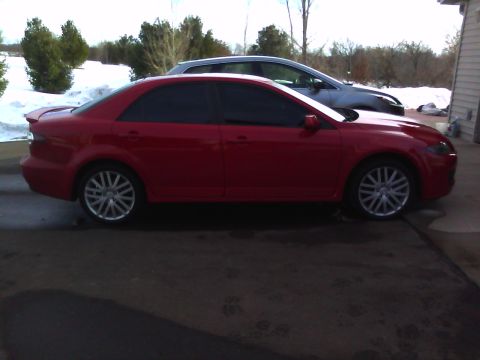
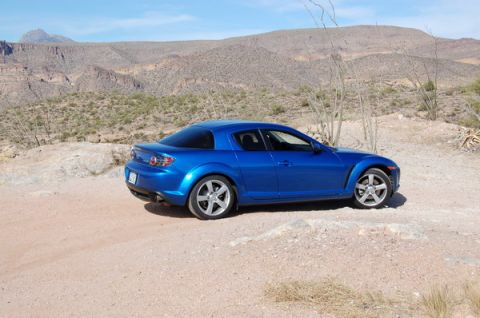
The product execution came on Ford-shared architectures engineered largely by Mazda. The 2002 Mazda6 replaced the 626 on a new midsize platform that also underpinned Ford's Fusion, and the 2003 Mazda3 replaced the Protege on the global C1 platform shared with the Ford Focus and Volvo S40, becoming Mazda's best-selling model worldwide. Crossovers followed on the same logic, the CX-7 and CX-9 among them, while the MPV minivan and the Ford Ranger-based B-series pickups such as the B4000 were allowed to fade as the brand narrowed its focus. The rotary got one last act: the 2003 RX-8 and its RENESIS engine won International Engine of the Year, keeping the Hiroshima signature alive until emissions rules and sales ended production in 2012.
2008-2026: Takashi Yamanouchi, Skyactiv, Kodo Design, and the Toyota Alliance
The 2008 financial crisis forced Ford, desperate for cash under Alan Mulally, to sell down its Mazda stake, cutting it to about 13 percent in November 2008 and to near zero by 2015, and Mazda suddenly had to survive alone at roughly one-fifth Toyota's scale. President Takashi Yamanouchi's answer, launched publicly in 2011, was Skyactiv: instead of buying hybrid technology it could not afford, Mazda re-engineered the conventional gasoline engine, transmission, body, and chassis as one system for maximum efficiency, betting that a better internal-combustion car could match hybrids' real-world economy at lower cost. Paired with it came the Kodo "Soul of Motion" design language under design chief Ikuo Maeda, whose father Matasaburo Maeda had designed the original RX-7, and the combination moved Mazda decisively upmarket in styling credibility, collecting World Car Design of the Year awards for the 2016 Miata and 2020 Mazda3.
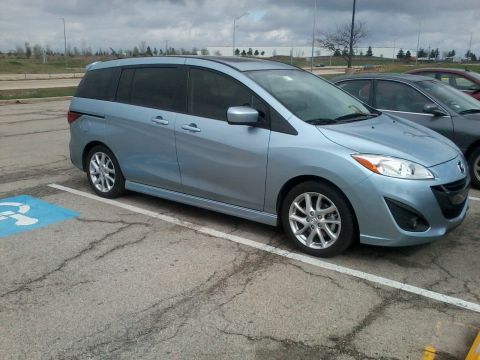
Independence still required a partner for the electrified era. In 2015 Mazda and Toyota signed a broad technology partnership, formalized in 2017 with cross-shareholdings, Toyota taking about 5 percent of Mazda, and a jointly owned plant, Mazda Toyota Manufacturing in Huntsville, Alabama, which opened in 2021. Toyota supplies hybrid technology; Mazda contributes design and engine know-how, and later raised prices and margins with the Huntsville-built CX-50 and with the CX-70 and CX-90 crossovers on a new rear-drive-based large platform. A century after Jujiro Matsuda took over a failing cork company, Mazda Motor Corporation remains headquartered in Fuchu, Hiroshima, still independent, still the only automaker to have won Le Mans without pistons, and still run on the conviction that being small demands being different.
Leadership
| Leader | Tenure as president | Notes |
|---|---|---|
| Jujiro Matsuda | 1921-1951 | Took over the failing cork company in 1921; pivoted to machine tools, then the 1931 Mazda-Go three-wheeler; died 1952 |
| Tsuneji Matsuda | 1951-1970 | First passenger car (R360, 1960); signed the 1961 NSU rotary license; died in office November 1970 |
| Kohei Matsuda | 1970-1977 | Founder's grandson; presided over the rotary boom and the post-1973 collapse; removed in the Sumitomo Bank rescue, December 1977 |
| Yoshiki Yamasaki | 1977-1984 | Ran the Sumitomo-directed recovery; 1978 RX-7, 1979 Ford alliance, front-drive 323/626 |
| Kenichi Yamamoto | 1984-1987 | Led the 47-engineer rotary team in the 1960s; approved the Miata; chairman 1987-1992 |
| Norimasa Furuta | 1987-1991 | Bubble-era expansion, multi-channel domestic strategy |
| Yoshihiro Wada | 1991-1996 | 1991 Le Mans victory; post-bubble losses that led to Ford control |
| Henry Wallace | 1996-1997 | First foreigner to head a major Japanese automaker, installed after Ford's stake rose to 33.4% |
| James Miller | 1997-1999 | Continued Ford-led restructuring |
| Mark Fields | 1999-2002 | Took the job at 38; Zoom-Zoom repositioning and return to profit |
| Lewis Booth | 2002-2003 | Bridged to the Mazda6/Mazda3 product renaissance |
| Hisakazu Imaki | 2003-2008 | Mazda3 era growth; last president of the Ford-control period |
| Takashi Yamanouchi | 2008-2013 | Post-Ford independence; launched Skyactiv and Kodo design |
| Masamichi Kogai | 2013-2018 | Skyactiv rollout; 2015 Toyota partnership |
| Akira Marumoto | 2018-2023 | Huntsville joint plant with Toyota; large-platform move upmarket |
| Masahiro Moro | 2023-present | President and CEO; electrification strategy with Toyota alliance |
Timeline
- 1920: Toyo Cork Kogyo founded in Hiroshima, January 30
- 1921: Jujiro Matsuda installed as president of the struggling cork maker
- 1927: "Cork" dropped; company becomes Toyo Kogyo Co., Ltd.
- 1931: Mazda-Go three-wheeled truck launches; Mazda name first used; Mitsubishi handles early distribution
- 1945: Atomic bomb detonates about 5 km from the Fuchu works, August 6; buildings house the prefectural government; three-wheeler production resumes in December
- 1951: Tsuneji Matsuda succeeds to the presidency
- 1960: R360 Coupe, the company's first passenger car, takes the largest share of the kei market
- 1961: Rotary engine license signed with NSU and Wankel
- 1963: Kenichi Yamamoto's 47-engineer rotary research division formed
- 1967: Cosmo Sport 110S, the first two-rotor production car, goes on sale in May
- 1970: Mazda enters the United States; Kohei Matsuda becomes president
- 1973: US sales top 100,000; October oil crisis turns rotary thirst into a crisis
- 1974-75: Heavy losses; Sumitomo Bank mounts its landmark rescue
- 1977: Kohei Matsuda moved aside; Matsuda family control ends; Yoshiki Yamasaki takes over
- 1978: First RX-7 launches; over 470,000 first-generation cars eventually sold
- 1979: Ford buys 24.5% of Toyo Kogyo for about $135 million
- 1984: Company renamed Mazda Motor Corporation; Kenichi Yamamoto becomes president
- 1987: Flat Rock, Michigan plant opens, building the MX-6 and Ford Probe
- 1989: MX-5 Miata debuts, becoming the best-selling two-seat sports car in history
- 1991: 787B wins the 24 Hours of Le Mans outright, June 23
- 1992: Amati luxury brand cancelled; Flat Rock becomes the AutoAlliance joint venture with Ford
- 1996: Ford raises its stake to a controlling 33.4%; Henry Wallace becomes the first foreign president of a major Japanese automaker
- 2000: Zoom-Zoom brand repositioning launches worldwide under Mark Fields
- 2002-03: Mazda6 and Mazda3 debut on Ford-shared platforms; RX-8's RENESIS wins International Engine of the Year
- 2008: Financial crisis forces Ford to cut its stake to about 13% in November
- 2011: Skyactiv technology reaches production; Kodo design era begins
- 2012: RX-8 ends production, closing 45 years of rotary manufacturing
- 2015: Ford sells its last Mazda shares; Mazda and Toyota sign a broad partnership
- 2017: Toyota takes about 5% of Mazda in a cross-shareholding alliance
- 2021: Mazda Toyota Manufacturing plant opens in Huntsville, Alabama
- 2023: Masahiro Moro becomes president and CEO
Asked all the time
Who founded Mazda?
Jujiro Matsuda, a Hiroshima machinist and industrialist, took control of Toyo Cork Kogyo in 1921, a year after its January 30, 1920 founding, and led it into machine tools and, in 1931, three-wheeled trucks. The company was renamed Mazda Motor Corporation in 1984, after the brand name its vehicles had carried since 1931.
Why is Mazda called Mazda?
The name attaches to Ahura Mazda, the Zoroastrian god of light and wisdom, and doubles as an anglicized reading of founder Jujiro Matsuda's family name. It first appeared on the 1931 Mazda-Go three-wheeled truck; the corporation itself did not adopt the name until 1984.
Is Mazda still in business, or did it shut down?
Mazda never shut down. It survived the 1945 atomic bombing of Hiroshima, a near-bankruptcy after the 1973 oil crisis, and Ford's 2008 exit, and operates today as an independent automaker headquartered in Fuchū, Hiroshima, with Toyota holding a minority stake of about 5 percent.
Was Mazda ever owned by Ford?
Mazda was never wholly owned by Ford, but Ford held equity for nearly three decades: 24.5 percent from 1979, raised to a controlling 33.4 percent in 1996 when it installed Henry Wallace as president. The 2008 financial crisis forced Ford to sell down, and by 2015 it had exited entirely.
Why did Mazda bet on the rotary engine?
In 1961 president Tsuneji Matsuda licensed the Wankel rotary from Germany's NSU to give the small company a technology no rival had, partly to fend off Japanese government pressure to consolidate small automakers. Kenichi Yamamoto's 47-engineer team solved the engine's apex-seal wear, and Mazda became the only manufacturer to mass-produce it successfully, from the 1967 Cosmo Sport to the RX-8's end in 2012.
How did Mazda survive the 1973 oil crisis?
Mazda had converted much of its lineup to thirsty rotary engines just as fuel prices spiked, and US sales collapsed. Sumitomo Bank stepped in with a rescue, installed its own management, and removed Kohei Matsuda in 1977, ending Matsuda family control and setting up the 1979 Ford alliance.
What is Mazda's relationship with Toyota today?
Since a 2015 partnership formalized with cross-shareholding in 2017, Toyota holds roughly 5 percent of Mazda and Mazda a smaller stake in Toyota. The two jointly own the Mazda Toyota Manufacturing plant in Huntsville, Alabama, which opened in 2021, and cooperate on electrification and connected-car technology.
Has Mazda ever won Le Mans?
Yes. The four-rotor Mazda 787B won the 24 Hours of Le Mans outright in 1991, the first overall victory by a Japanese manufacturer and still the only one by a car without a reciprocating piston engine.
The wall
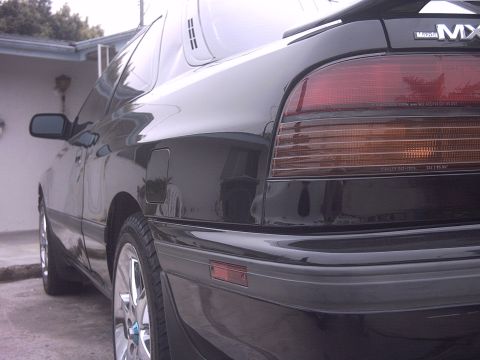
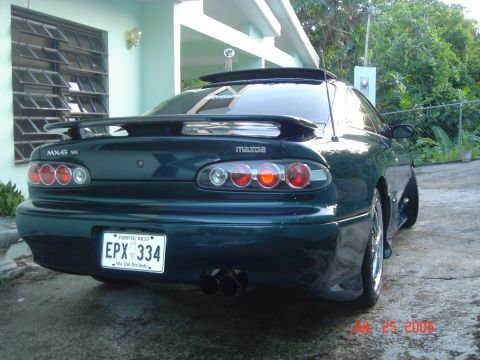
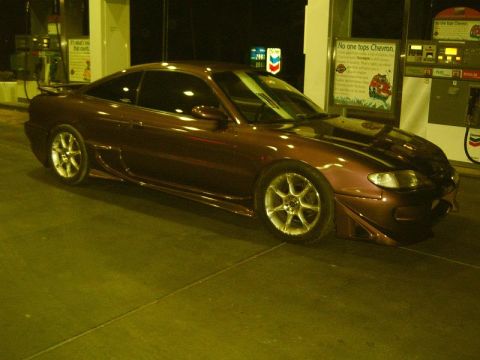
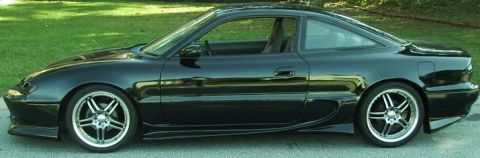
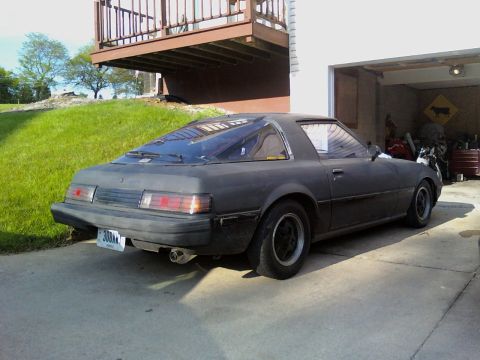
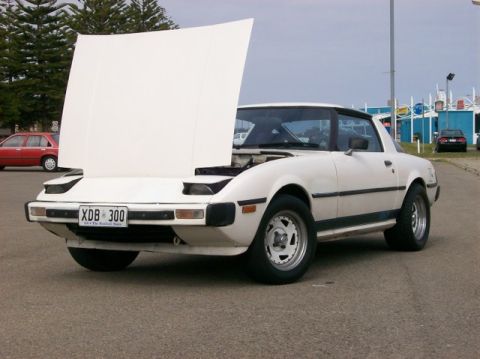
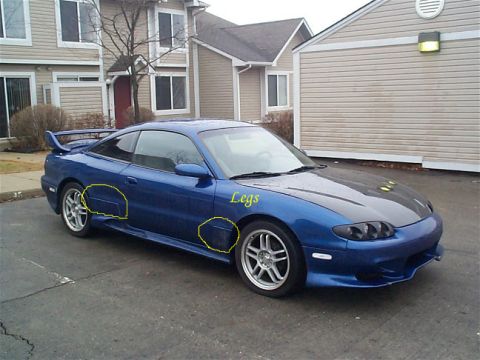
The most-documented Mazda vehicles in the registry, every photo by the owner.