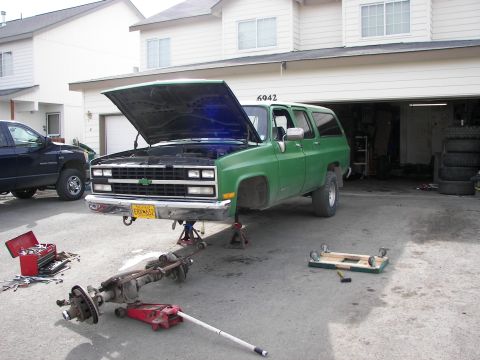
Home/
Registry/
Chevrolet/
Suburban/
1973-1991/
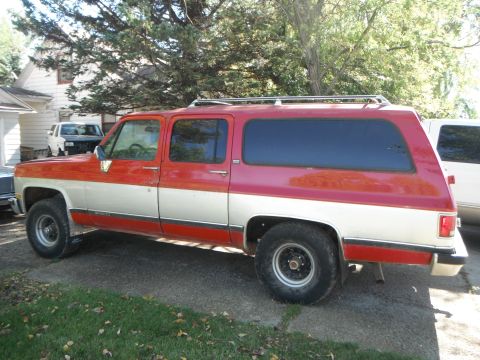
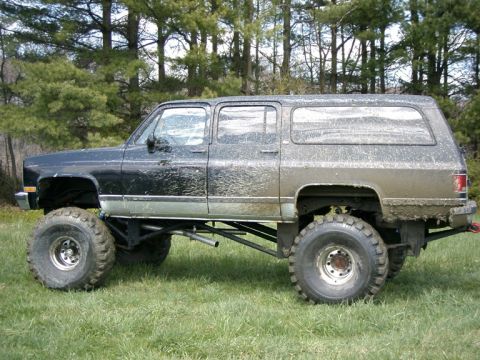
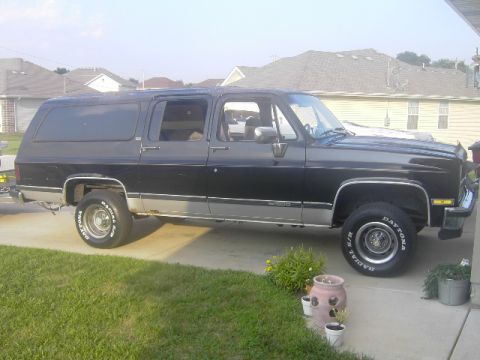
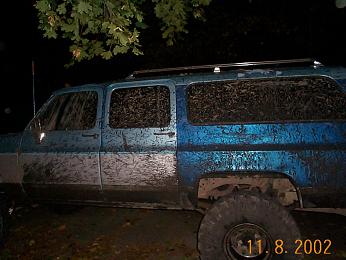
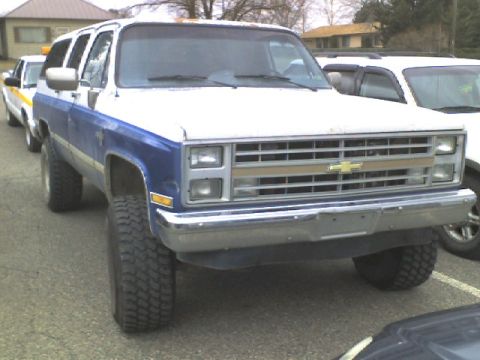
“bigsub”/
Photo
supermotors.net/registry/media/1054003
Document page with text about game regulations and violations
This document details regulations for game use and common violations, including rules for hunting and transporting game.
Use of game Game taken under a hunting license MAY NOT be used for the following purposes: (exceptions noted) Buying or selling of game meat, EXCEPT hares. Buying, selling, or bartering of any part of a bear gall bladder. Buying or selling of any part of a brown/grizzly bear, EXCEPT: -- an article of handicraft made from the fur of a bear. (See den - tion of handicraft, page 34). -- brown bears taken in a brown bear control area with a control permit, where ADF&G will issue permits allowing permittees to sell untanned hides (with claws attached) and skulls, after sealing. Buying or selling of any unsealed beaver (EXCEPT in Units 12, 18-26), lynx, wolf, or wolverine pelt. Buying or selling of any big game animal skulls, (EXCEPT black bear, wolf and wolverine, taken under a hunting license). Buying, selling, or bartering horns or antlers, UNLESS they have been naturally shed or have been completely removed om any part of the skull. However, in Unit 23, you MAY NOT remove caribou antlers from the skull and buy, sell or barter them, UNLESS they have been transformed into a handicraft (see denition, page 34). In Unit 23, you may buy, sell, or barter naturally shed, unmodi- ed caribou antlers, AS LONG AS the pedicel is still attached to the antler. In Unit 23, you may remove caribou antlers from the skull for your own use, but you MAY NOT sell them before they are transformed into a handicraft. Buying, selling, bartering, advertising, or otherwise offering for sale or barter a big game trophy, including any trophy made from any part of a big game animal. Bartering the meat of game taken for subsistence uses if you are an individual or business holding a license under AS 43.70 or AS 43.75, or your Alaska resident employee, to engage in the com- mercial sale of the food items or nonedible items provided by the barter exchange: or to engage in providing the services provided by the barter exchange. Illegally taken game Any game animal taken illegally is the property of the state. If you mistakenly take an animal you thought was legal, you must comply with salvage requirements for that spe- c1es. You may transport game taken illegally only if your purpose is to salvage and transport the game to the nearest office of ADF&G or Alaska Wildlife Troopers and surrender it. If you comply with this regulation, you will not be pros- ecuted for illegally possessing the animal, and you are less likely to be punished severely for illegally taking the ani- mal. You may not possess, transport, give away, receive, or barter any illegally taken game or game parts. Road kills Any wildlife killed or injured by a vehicle belongs to the state. If your vehicle hits and injures or kills a big game animal, you must notify the Alaska Wildlife Troopers, as soon as possible. Marked or tagged game It is legal to harvest marked or tagged game, but data pro- vided by that animal is important and the department asks hunters to avoid taking marked or tagged game. If you do take an animal that has been marked or tagged, you must notify the department when and where you took it. If seal- ing is required, any tag, collar, tattoo, or other identification must be retained until sealed. Even if you just find any of these items, returning them to the department provides bi- ologists with valuable insight into the animals movements, habitat, and lifespan. Some common violations Leaving the kill site for any reason without rst validating your harvest ticket or permit (see Har- vest tickets on page 14 and Permits on page 15). Failing to salvage all meat of big game animals (ex- cept wolves and wolverines) and small game birds for human consumption. Some restrictions apply to bears taken at certain times of the year in specic ar- eas. Ifyou dontwant all of the meat, contact someone in the nearest community and offer them the meat. You may legally transfer the meat to another per- son. (See Salvage, page 24, Transfer of Possession, page 26, and Denition of Edible Meat on page 30.) Using the meat of game as bait or food for pets and livestock. However, you ll/[AY use the following as bait or food for pets or livestock: Failing to leave evidence of sex naturally at- tached to the meat when the hunt is restricted to one sex. Antlers are not proof of sex, except for deer when the antlers are naturally attached to an entire carcass. Horns are proof of sex for Dall sheep; both horns must be salvaged. In most units, the evidence of sex must remain at- tached to bears (See Evidence of sex, page 24). - the skin, guts, heads, or bones of game legally taken or killed by vehicles, after the salvage of edible meat, - brown bear meat (EXCEPT taken under a subsistence brown bear management permit and brown bears taken over bait in Units 7, 12, 13D, 15, 16, 20A, 203, 20C, 20E, 21D, 24C, 24D, and 25D), Transporting antlers or horns to the departure point - black bear meat taken June 1 - Dec 31 (as long as the black bear from the eld (landlng Stflp, trall head, road, river, hide is salvaged), etc.,) before brlngmg out the meat. Antlers or horns may be transported simultaneously with the last load - the skinned carcasses of furbearers and fur animals, and the meat 0 f meat (See Transporting requirements, page 26). from small game (other than birds) and unclassied game, an game that died of natural causesA/[AY be used as bait, ASLONG AS the game is not moved from where it was found. Natural causes do not include death caused by humans. httgzllhuntalaskagov Leavinganypartofaharvestedanimalonapublicroad or right-ofway is littering and is illegal. Leave guts, hides, etc. , in the eld, out of sight of roads and trails. 2014-2015 Alaska Hunting Regulations 17
Is this accurate? Sign in to help verify it.
No comments yet.