The registry
Polaris Registry: Models, Builds & Photos
Polaris Industries was incorporated in July 1954 in Roseau, Minnesota, by Edgar Hetteen, Allan Hetteen, and David Johnson, who had been repairing farm equipment there together since 1945. David Johnson built the company's first sled in the Roseau shop, and by the end of 1956 it had a name, the Sno Traveler, and a production line. Polaris broadened into ATVs in 1985 with the Trail Boss, the first American-built production ATV, and today builds snowmobiles, ATVs, and side-by-sides, still headquartered in Minnesota with the original Roseau plant running.
Pick your model
Roseau roots and the snowmobile years
Polaris grew out of Hetteen Hoist and Derrick, the farm equipment shop Edgar Hetteen, Allan Hetteen, and David Johnson had run in Roseau, Minnesota, since 1945. The Polaris name was incorporated in July 1954, and David Johnson assembled the first sled in the shop. By the end of 1956 the refined machine was named the Sno Traveler and in production. Edgar Hetteen proved the concept with a 1,200-mile trek across Alaska in March 1960, then left the company that June after a falling out with the bank board over the trip. He landed in Thief River Falls and started Polar Manufacturing, which became Arctic Enterprises, the company behind Arctic Cat. Textron bought Polaris in 1968, rode the snowmobile boom up and then down, and sold to a management group led by W. Hall Wendel Jr. in 1981.
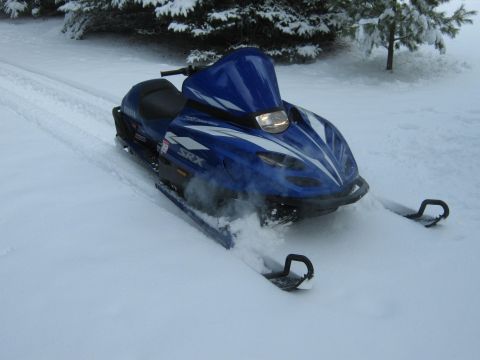
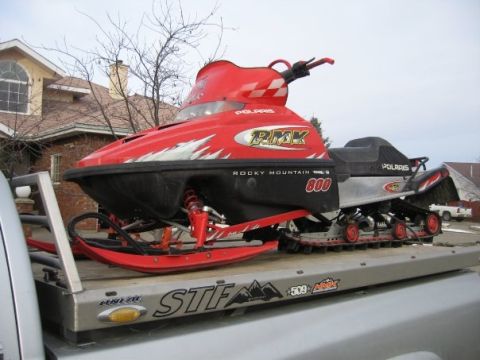
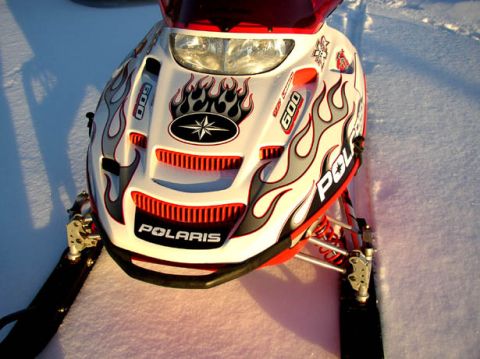
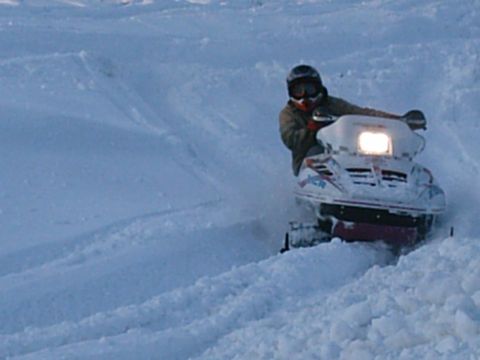
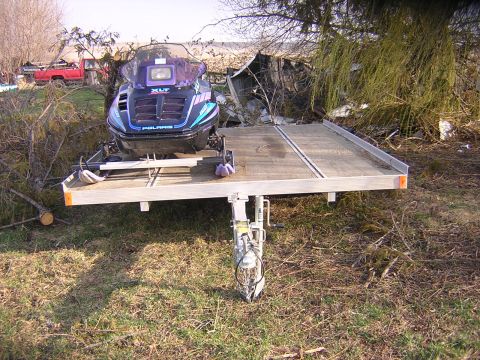
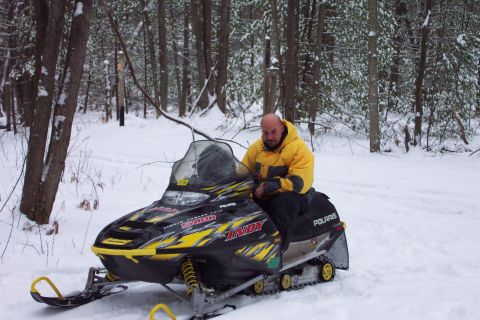
The Indy line arrived with the 1980 TX-L Indy, the first Polaris production sled with independent front suspension, and Indy models like the Indy 500 and XLT carried Polaris to the top of snowmobile sales through the late 1980s and 1990s. The Indy 600 of the mid 1980s ran a 597cc liquid-cooled two-stroke triple, and plenty of them still run. Later performance sleds like the 800 XC SP (2001-2003) used the Polaris-built Liberty two-stroke twin instead of the Fuji engines that powered earlier machines. The 120 XC SP was the youth sled of the early 2000s, a 121cc four-stroke single with a CVT, and it put a lot of kids on their first machine.
ATVs: Trail Boss to Sportsman
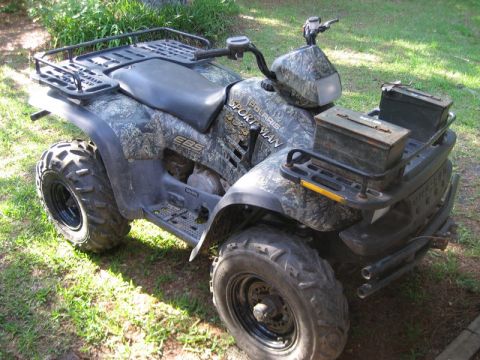
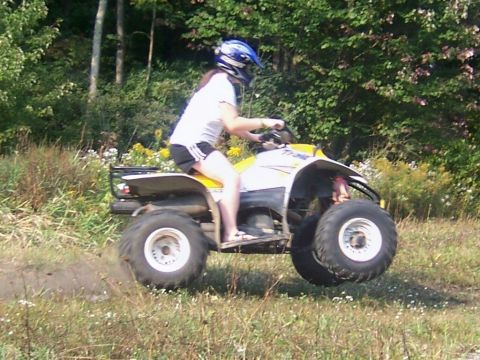
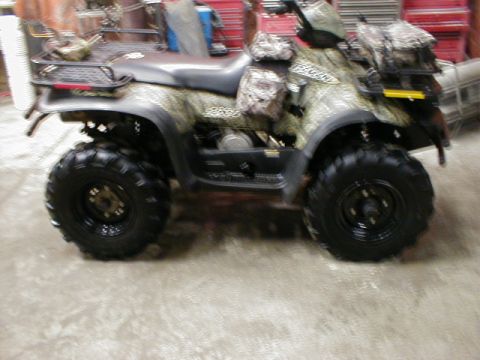
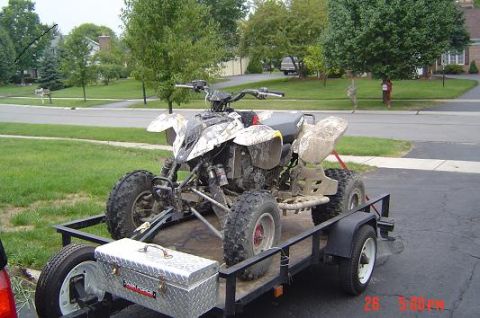
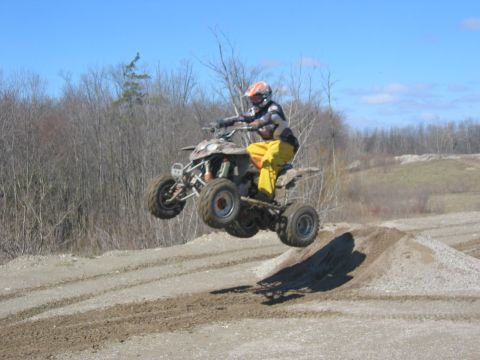
The 1985 Trail Boss was the first ATV built in the United States. It ran a 244cc Fuji two-stroke through a belt-drive CVT when most of the industry ran manual gearboxes, and the original Trail Boss 250 stayed in production through 1995. The Sportsman line arrived in 1993 and became the core of the ATV business. The Sportsman 500 HO used a 499cc liquid-cooled four-stroke single with on-demand all-wheel drive, and the Sportsman 700 (2002-2007) brought a 683cc liquid-cooled twin to the big-bore class, carbureted at launch and fuel injected in the last years of the run. The Trail Blazer 250 (1990-2006) was the entry-level 2WD quad, a 244cc two-stroke with the same CVT layout, simple to work on and cheap to keep running.
Ranger, RZR, and the side-by-side era
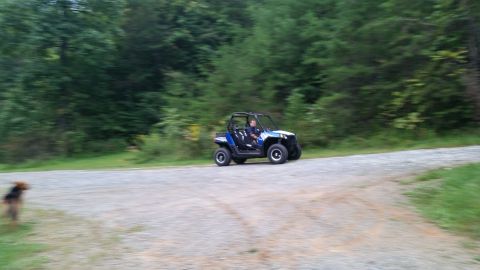
The Ranger utility side-by-side launched in 1998 as a 6x6, and a four-wheel version followed in 2000. It has been in continuous production since, adding the Crew cab in 2008, the electric Ranger EV in 2010, and a diesel in 2011. The RZR sport machine was unveiled in 2007 as the 2008 Ranger RZR 800, a 50-inch-wide trail runner that soon dropped the Ranger prefix. The Ranger and RZR now anchor the off-road business.
Beyond off-road
Polaris built Victory Motorcycles from 1998, when the first V92C rolled out of Spirit Lake, Iowa, until winding the brand down in January 2017. It bought Indian Motorcycle in 2011 and relaunched it in 2013 with the Thunder Stroke 111 engine, then announced in October 2025 the sale of a majority stake in Indian to the private equity firm Carolwood, keeping only a small equity position as Indian became a standalone company. Polaris also built personal watercraft from 1992 to 2004, starting with the SL650 and including the four-passenger Genesis late in the run, before steady losses pushed it out of that market. The Slingshot three-wheeler joined the lineup in 2014 as a 2015 model. The company is publicly traded and still builds machines in Roseau.
Asked all the time
What years was the Polaris Sportsman 700 Twin made?
Polaris built the Sportsman 700 from 2002 to 2007. It used a 683cc liquid-cooled four-stroke twin, carbureted in the early years, with electronic fuel injection arriving on the 2005-2007 models.
What is the difference between older and newer Polaris snowmobiles?
Polaris sleds through the 1990s mostly ran Fuji-built two-strokes under the Indy banner. From the early 2000s Polaris switched to its in-house Liberty engines, seen in sleds like the 800 XC SP. The Indy name itself was retired in 2004 and came back in 2013 on the new Pro-Ride chassis.
How long has the Polaris Ranger been in production?
Polaris introduced the Ranger in 1998, originally as a 6x6 utility machine. A four-wheel version followed in 2000 and the Ranger has been in continuous production since, with Crew, diesel, and electric variants added along the way, which makes parts support strong across most model years.
Are parts still available for older Polaris ATVs like the Trail Blazer and Sportsman 500?
Yes. Polaris sold these machines in huge numbers, so OEM and aftermarket support for the Trail Blazer 250 and Sportsman 500 HO era is good. CVT clutch components, drive belts, and suspension parts are widely available, and the engines are well documented in the owner community.
Does Polaris still make motorcycles?
Not two-wheelers. Polaris built Victory Motorcycles from 1998 to 2017, then focused on Indian Motorcycle, the brand it bought in 2011 and relaunched in 2013. In October 2025 Polaris announced the sale of a majority stake in Indian to the private equity firm Carolwood, keeping only a small equity position as Indian became a standalone company. The three-wheeled Slingshot, launched in 2014, stays with Polaris.
The wall
The most-documented Polaris vehicles in the registry, every photo by the owner.