The registry
Porsche Registry: Models, Builds & Photos
Porsche began as an engineering consultancy founded by Ferdinand Porsche in Stuttgart in 1931, and built its first production car, the 356, in 1948. The company made its name on rear-engined, air-cooled flat engines, then spent the 1970s and 1980s proving it could also build front-engined water-cooled cars like the 924, 944, and 928. Porsche became a joint-stock company in 1972, sold its first shares to the public in 1984, nearly went broke in the early 1990s, and has been part of the Volkswagen Group since 2012. The 911, in continuous production since 1964, remains the spine of the lineup.
Pick your model
Origins and the air-cooled era
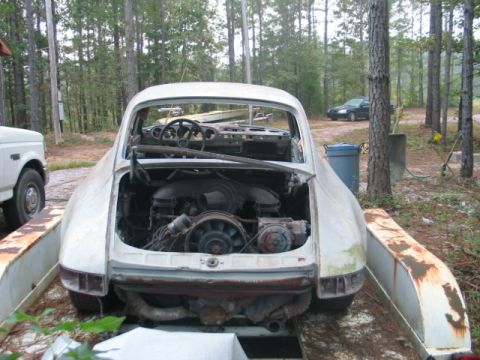
Ferdinand Porsche opened his design office in Stuttgart in 1931 and did contract work that included the original Volkswagen Beetle. His son Ferry put the family name on a car in 1948 with the 356, first built in Gmund, Austria, then in Zuffenhausen from 1950. The 356 ran through 1965 and established the template: rear-mounted, air-cooled flat four, light body, and handling that rewarded a driver who paid attention.
The 911 and the Carrera name
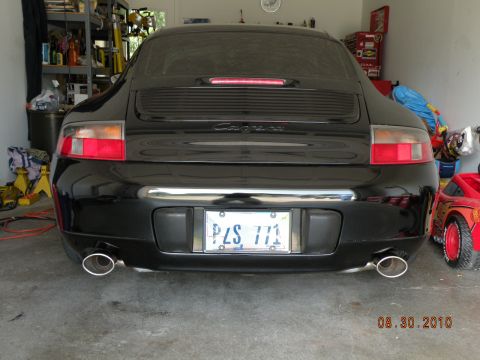
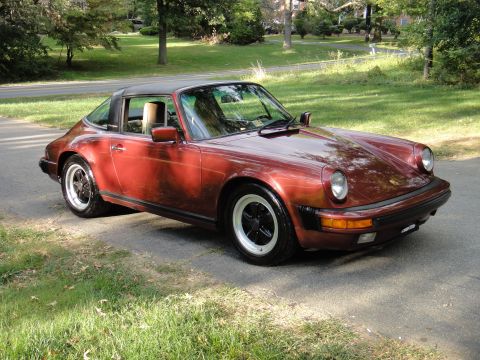
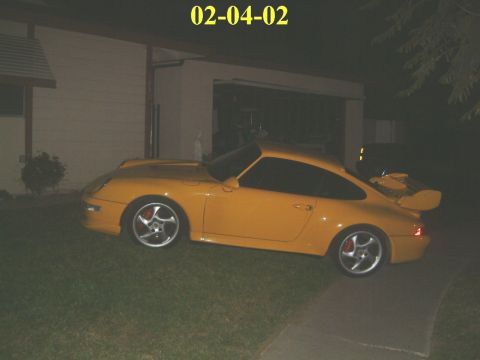
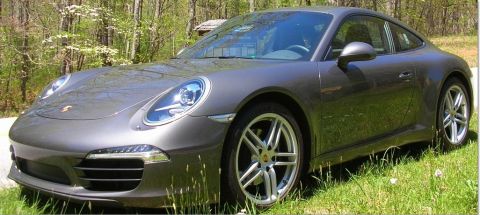
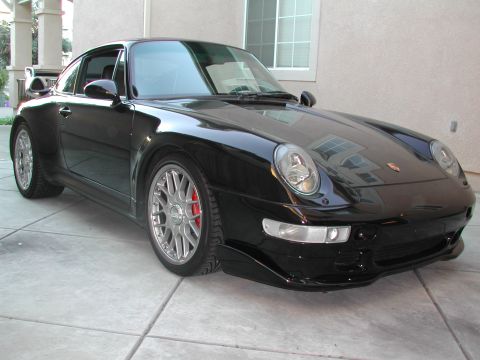
The 911 arrived for 1964 with an air-cooled flat six hung behind the rear axle, and it has never left production. Air-cooled cars ran through 1998 (the 993 generation was the last), then the 996 brought water cooling, introduced in 1997 and in American showrooms for the 1999 model year. Carrera started as a trim name honoring the Carrera Panamericana road race, first on four-cam 356s in the 1950s, then on the 1973 Carrera RS 2.7. Since 1984 Carrera has been the standard 911 model designation, so a car titled simply as a Porsche Carrera is almost always a 911 variant. Racing underwrote the name the whole way: Porsche took its first overall win at the 24 Hours of Le Mans in 1970 with the 917, and its 19 overall wins there are the most of any manufacturer. Torsion bar suspension lasted through 1989; the 964 brought coil springs and available all wheel drive.
The 914
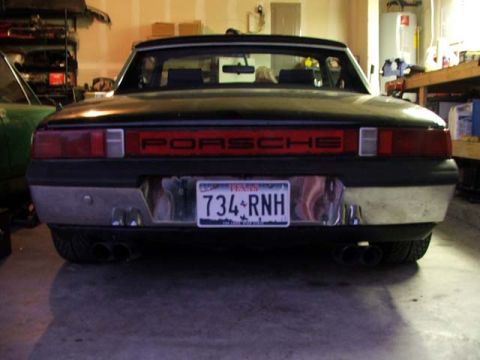
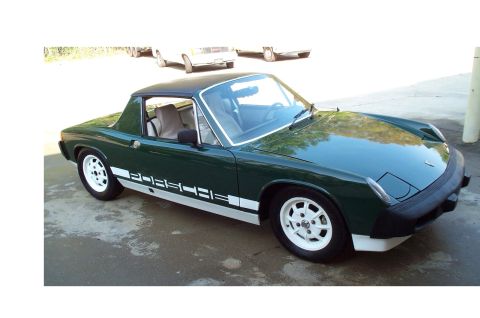
The 914 was a joint Volkswagen and Porsche project, built 1969-1976 as a mid-engined targa two-seater. Most cars ran VW-sourced flat fours of 1.7, 1.8, or 2.0 liters; the rarer 914/6 (1970-1972) used the 911T's 2.0 liter flat six. The mid-engine layout gives it balance the contemporary 911 could not match, and rust in the hell hole under the battery tray is the first thing to check on any survivor.
Front-engined transaxle cars
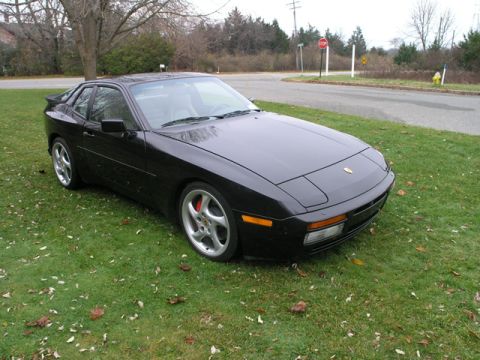
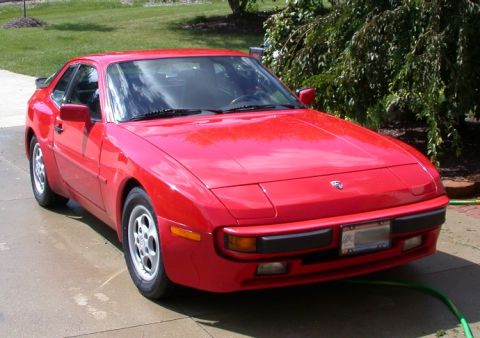
The 924 (1976-1988) started life as a coupe Porsche designed under contract for Volkswagen; when VW cancelled the project, Porsche bought the design back and sold it under its own badge, with assembly at Audi's Neckarsulm plant. The 944 (1982-1991) fixed the 924's power problem with an all-Porsche 2.5 liter inline four, effectively half of the 928's V8, with balance shafts to keep it smooth. Turbo and 3.0 liter S2 versions followed. The 928 (1978-1995) was a front-engined V8 grand tourer originally intended to replace the 911; it won European Car of the Year in 1978, the only sports car to do so. All these cars use a rear transaxle for near 50/50 weight distribution.
Water-cooled rescue and the modern company
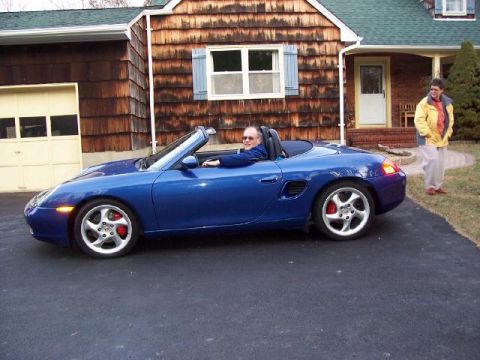
Porsche was losing money badly by 1992. The mid-engined Boxster, launched for 1997 with a water-cooled flat six, shared its front structure with the 996 and is widely credited with saving the company. Early 986 Boxsters (2.5, then 2.7 and 3.2 liters) carry the intermediate shaft bearing risk owners should know about. The Cayenne SUV followed, on sale in Europe in late 2002 and in the United States for 2003. Volkswagen Group took full control in 2012, and Porsche shares returned to the Frankfurt exchange in a 2022 stock listing.
Asked all the time
What is the difference between a Porsche Carrera and a Porsche 911?
On modern cars there is no practical difference. Carrera has been the base 911 model name since 1984, so a Porsche titled as a Carrera is a 911. Historically Carrera denoted higher performance versions, starting with four-cam 356s in the 1950s and the 1973 911 Carrera RS 2.7.
When did Porsche stop making air-cooled 911s?
Porsche built air-cooled 911s from 1964 through 1998. The 993 generation was the last of them; the 996 that replaced it, introduced in 1997 and sold in the US from the 1999 model year, used a water-cooled flat six. Air-cooled cars command a large price premium today, with the 1995-1998 993 typically at the top.
Are Porsche 944 and 928 parts hard to find?
Mechanical parts for the Porsche 944 are still reasonably available because roughly 163,000 were built, though some trim and interior pieces are discontinued. The 928 is tougher: lower production and complex electrics mean certain parts are expensive or only available used. Both cars have active specialist suppliers and strong owner forums.
What should I check before buying a Porsche 914?
Rust first. Porsche 914s rot in the battery tray area (the hell hole), the longitudinals, and the floor pans, and structural rust there can total the car. Also verify engine type, since many cars have swapped motors; original 914/6 flat six cars (1970-1972) are worth several times a four-cylinder car.
What is the IMS bearing problem on the Porsche Boxster?
The intermediate shaft bearing in 1997-2008 Porsche Boxster and 996/997 911 engines can fail and destroy the engine. Failure rates vary by year and bearing design, with the single-row bearing used around 2000-2005 considered the highest risk. Retrofit bearing kits are a common preventive fix done during clutch service.
The wall
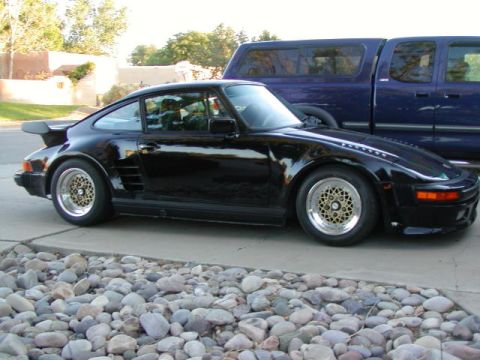
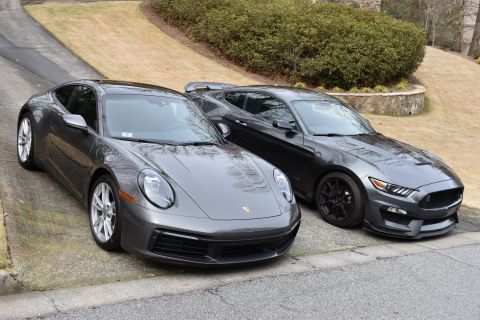
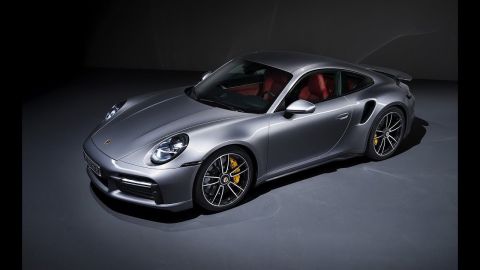
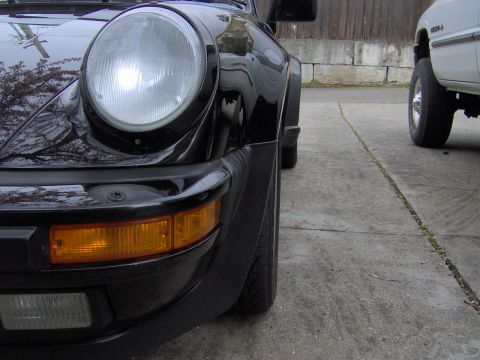
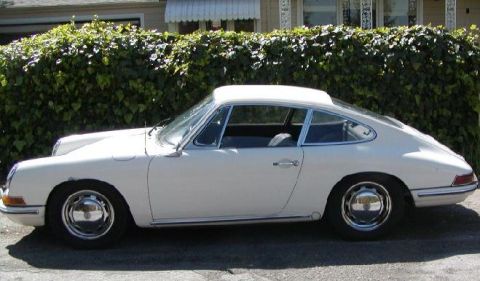
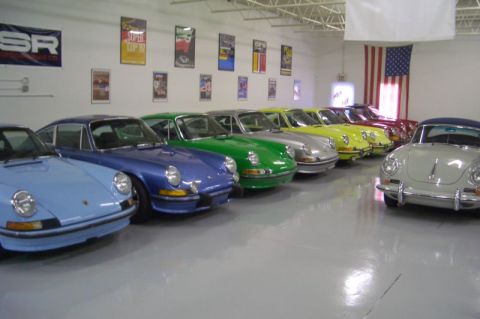
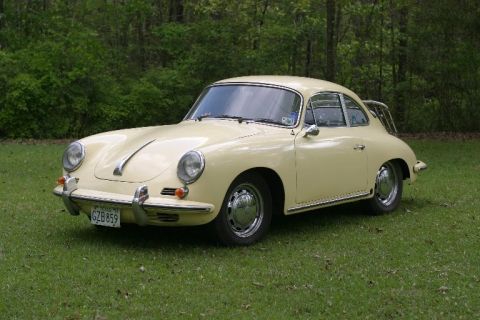
The most-documented Porsche vehicles in the registry, every photo by the owner.