Model hub · Ford
Ford Ranchero Photos & Pictures
The Ford Ranchero is a coupe utility, a car-based pickup built on a two-door station-wagon body with an integrated cab and cargo bed rather than a separate truck cab and frame-mounted box. Ford introduced it for the 1957 model year, making it the first US-built coupe utility of the postwar era and the vehicle that prompted Chevrolet to answer with the El Camino for 1959. Across its 1957 to 1979 run the Ranchero never had a dedicated platform; instead it shifted onto whichever Ford passenger-car chassis suited the market, beginning on the full-size Ford for 1957-1959, moving to the compact Falcon for 1960, growing onto the intermediate Fairlane for 1966, following that line through the Torino and then the Gran Torino, and finishing on the LTD II platform for 1977-1979. Engine choices tracked the donor cars, spanning the 223 inline-six and Y-block V8s, the Falcon inline-sixes and small Windsor V8s, the FE and 351 and 400 V8s, and the emissions-era big-blocks. Ford built 508,355 Rancheros before ending the line after 1979.
Pick your generation
Each generation page covers what changed year by year, what owners call them, and the wall of registered vehicles.
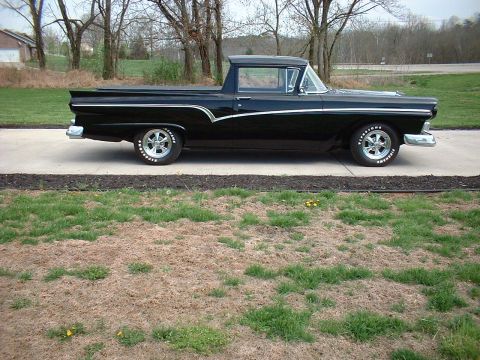 Open1957–1959Full-Size Ranchero (1957-1959)258 photos · 61 registered
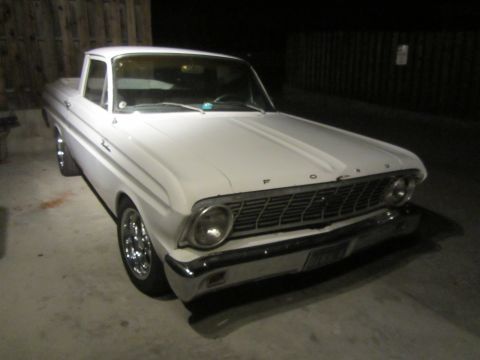 Open1960–1965Falcon Ranchero (1960-1965)1,324 photos · 108 registered
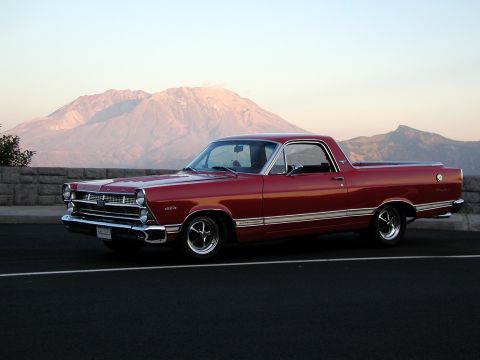 Open1966–1971Fairlane/Torino Ranchero (1966-1971)6,311 photos · 288 registered
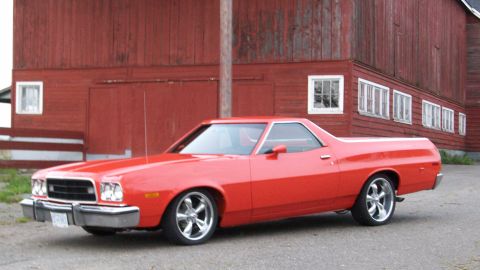 Open1972–1976Gran Torino Ranchero (1972-1976)21,256 photos · 274 registered
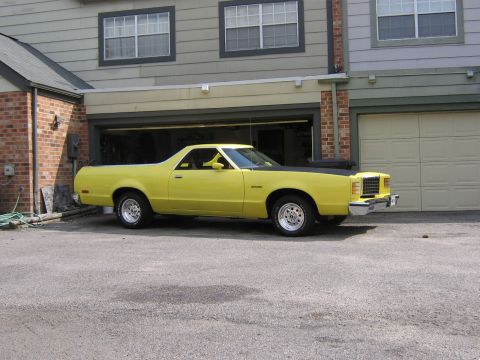 Open1977–1979LTD II Ranchero (1977-1979)1,351 photos · 161 registered
By model year
The wall
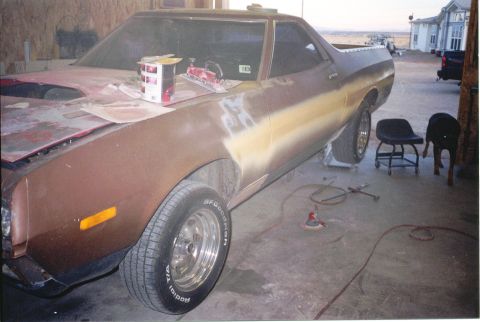
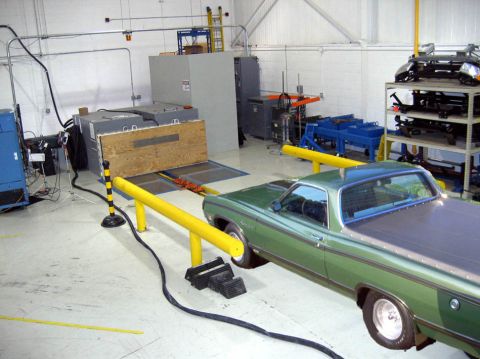
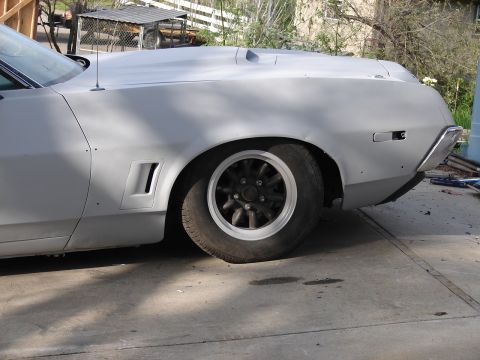
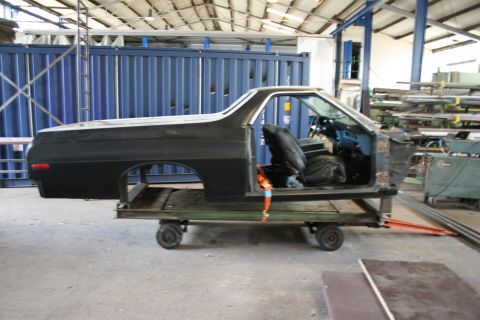
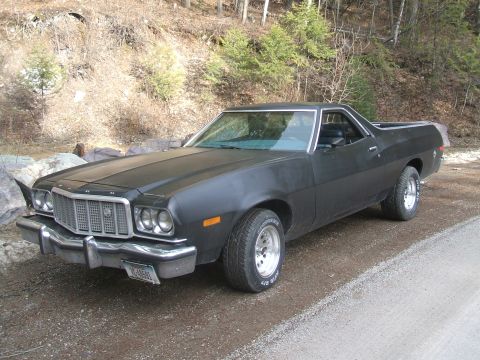
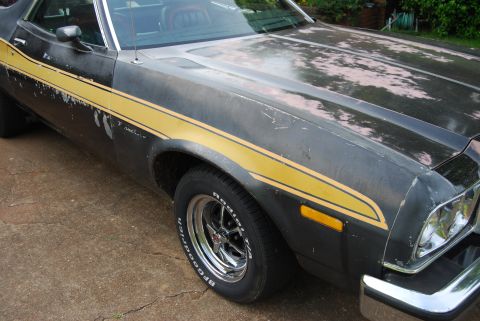
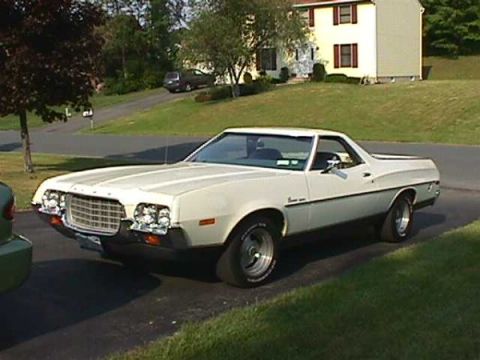
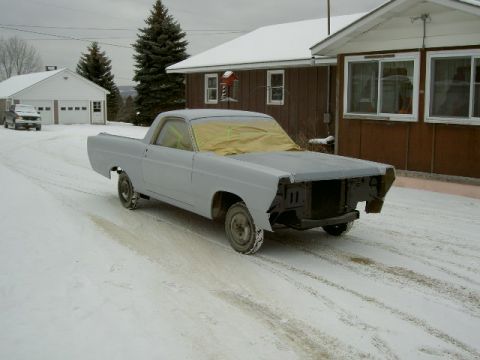
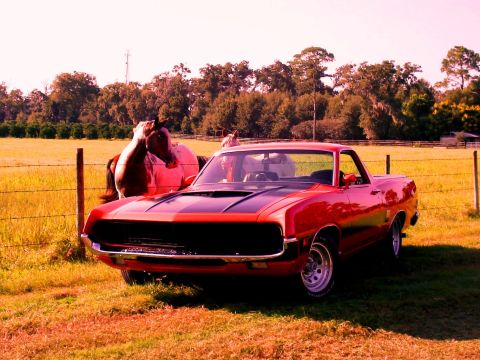
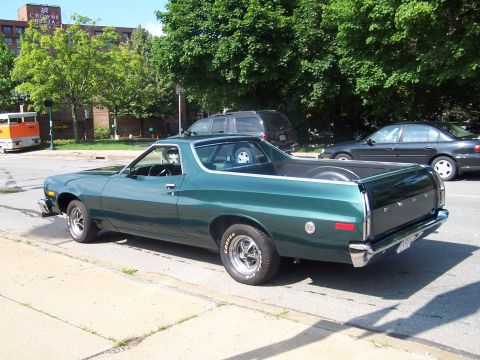
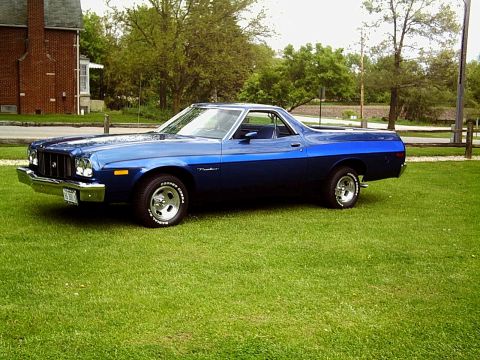
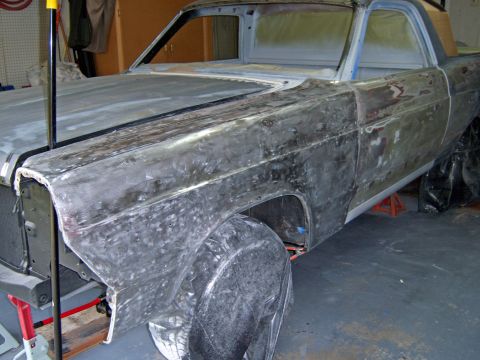
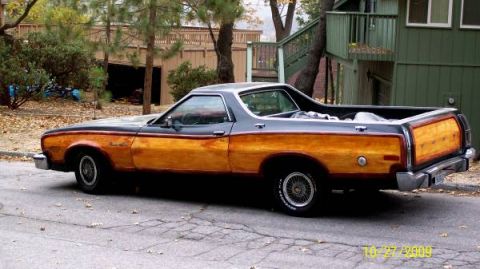
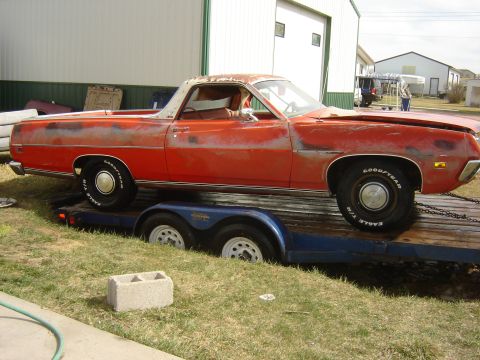
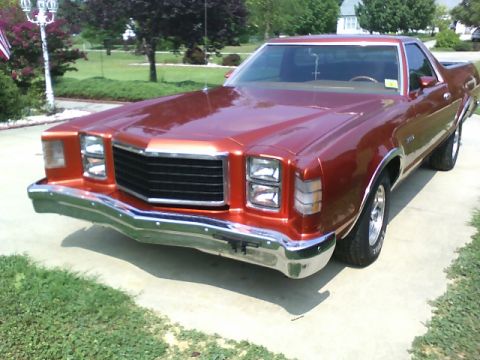
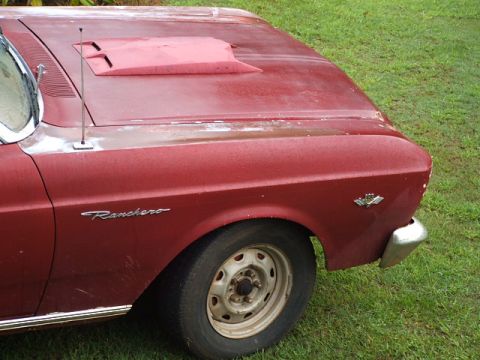
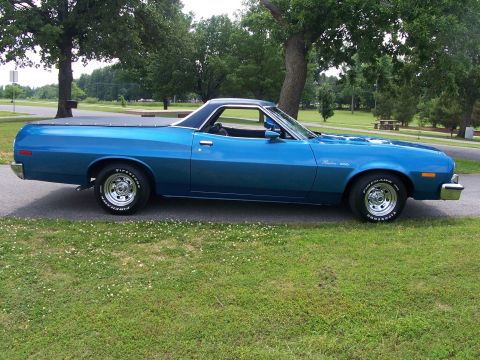
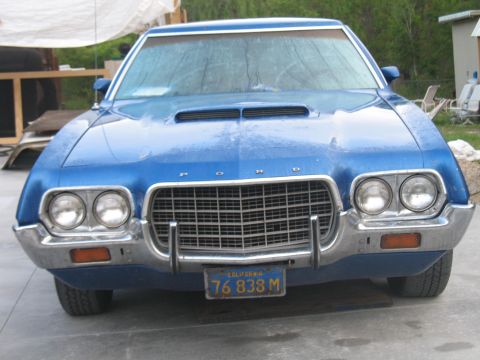
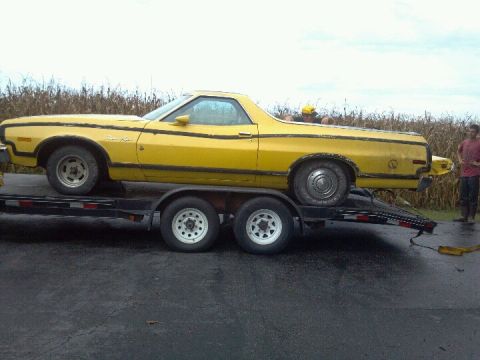
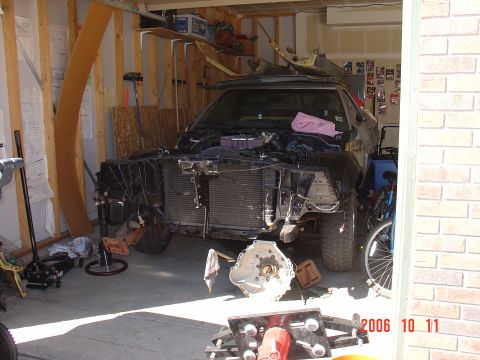
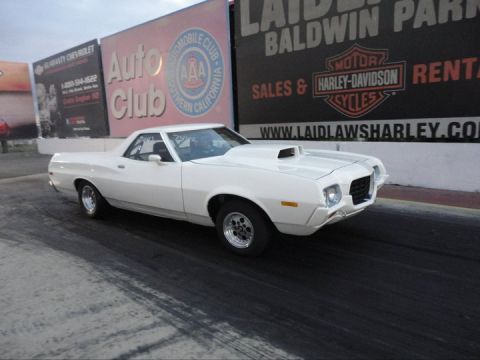
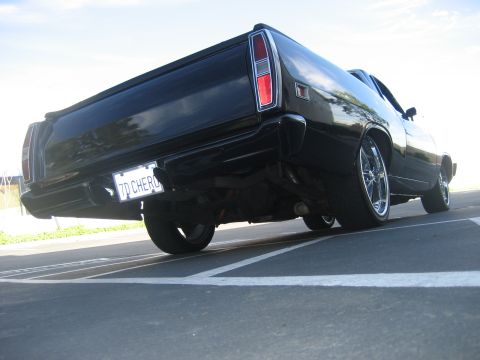
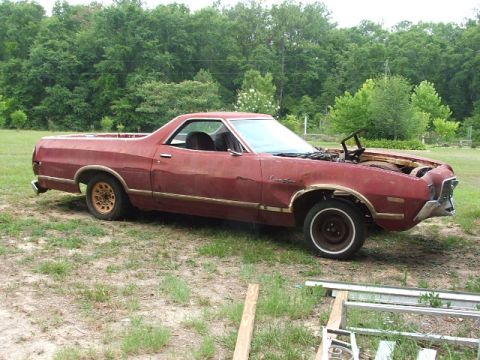
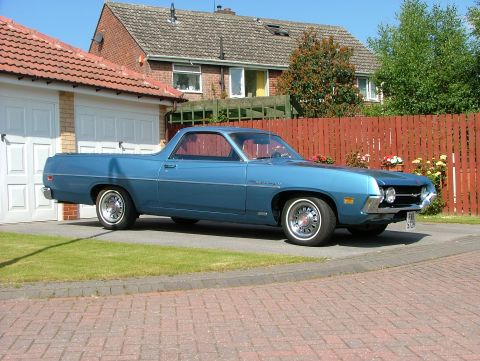
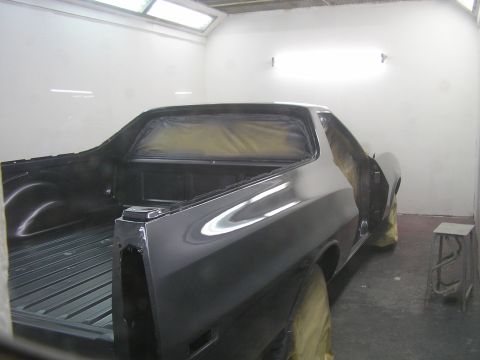
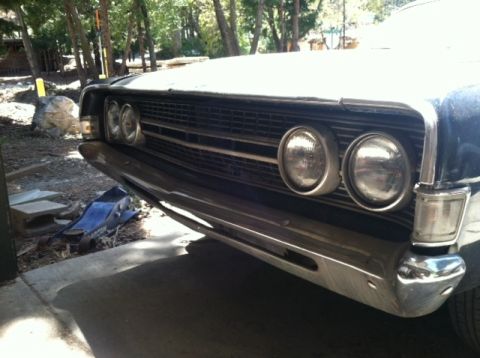
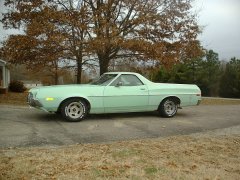
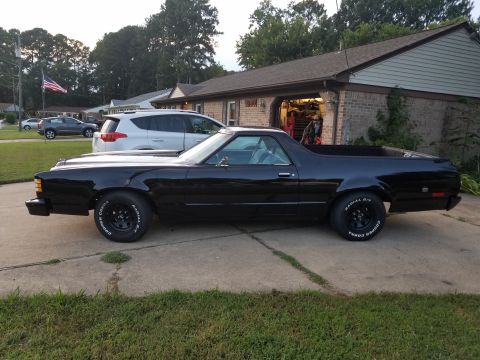
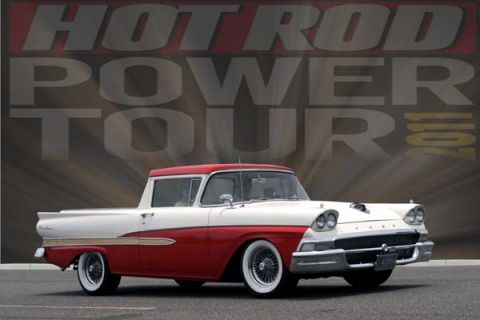
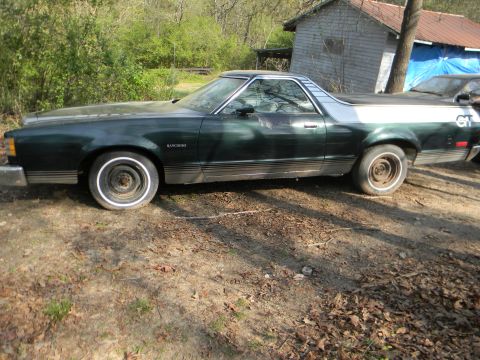
The most-documented Ford Rancheros in the registry, every photo by the owner.
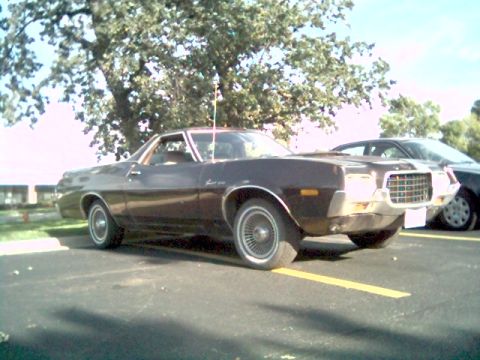
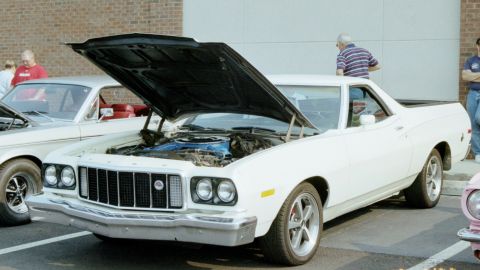
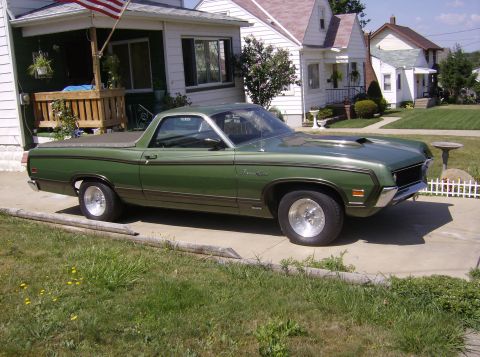
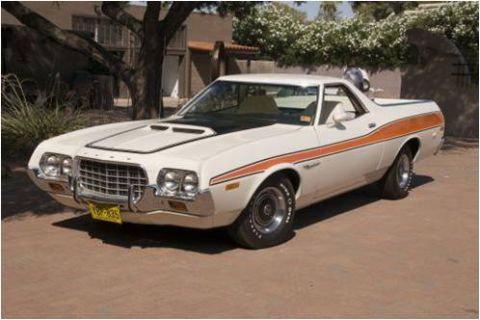
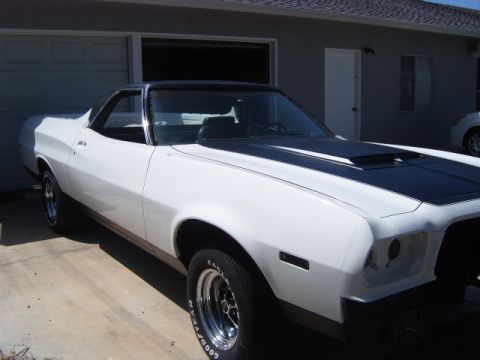
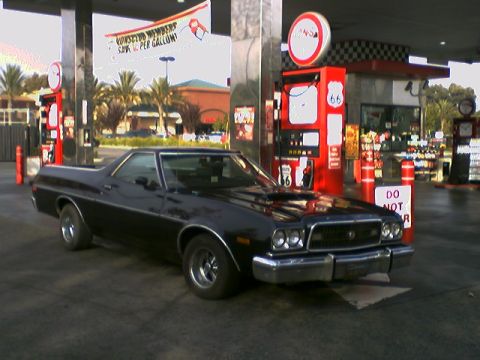
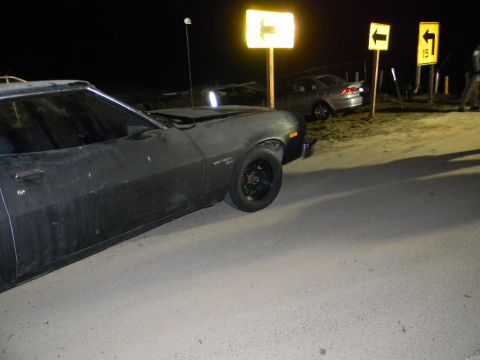
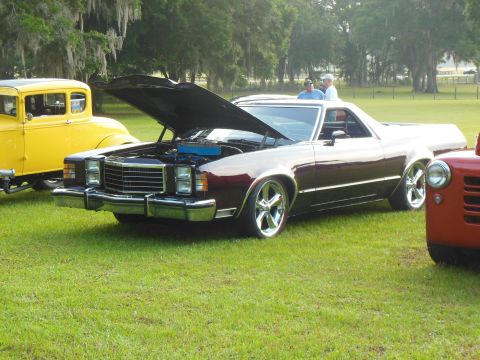
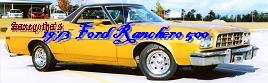
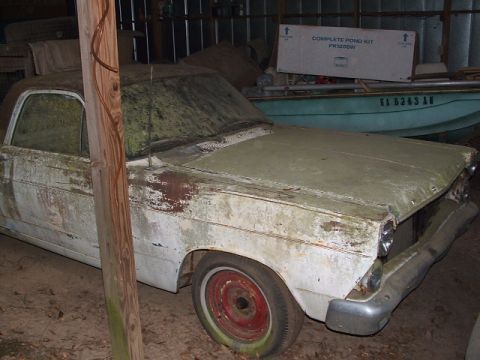
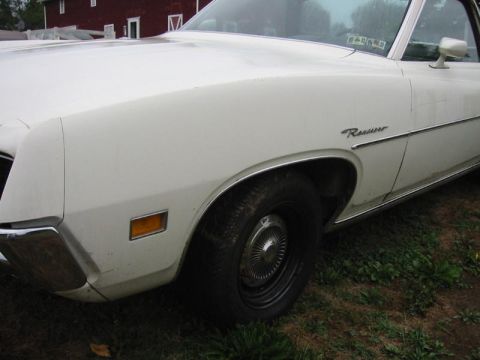
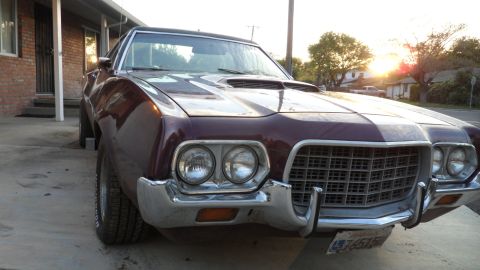
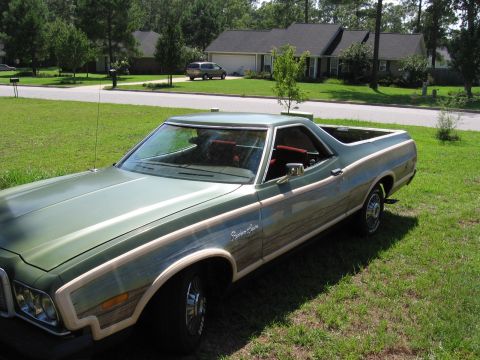
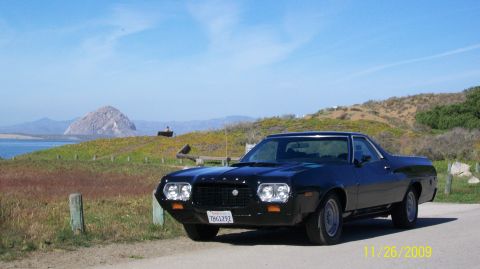
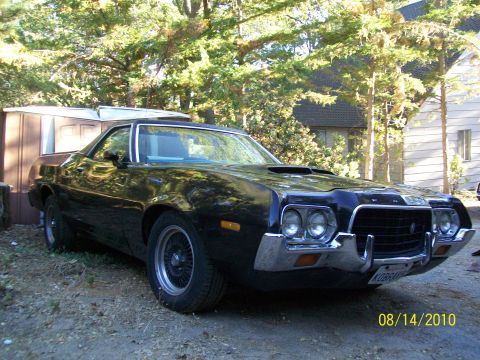
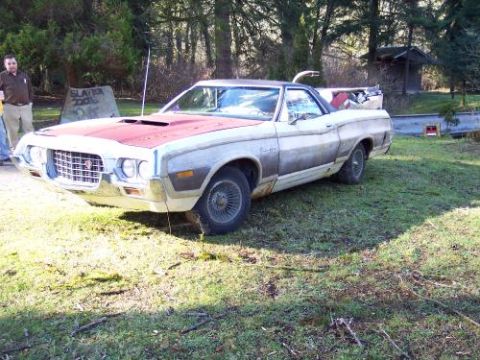
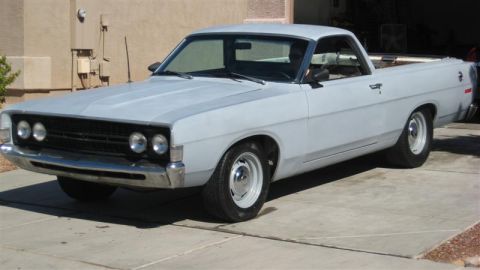
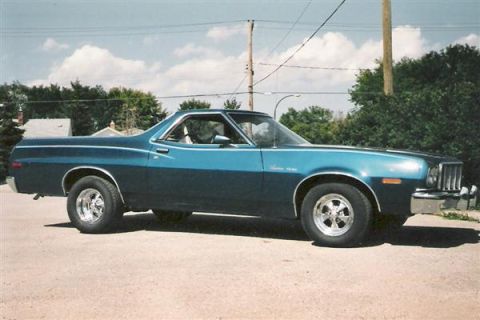
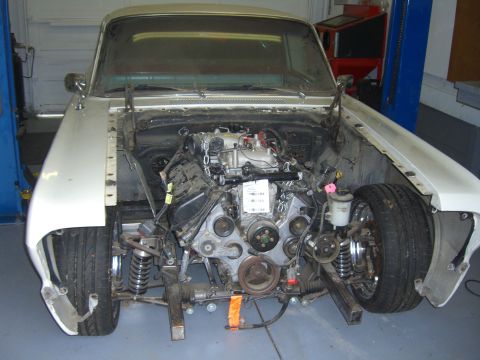
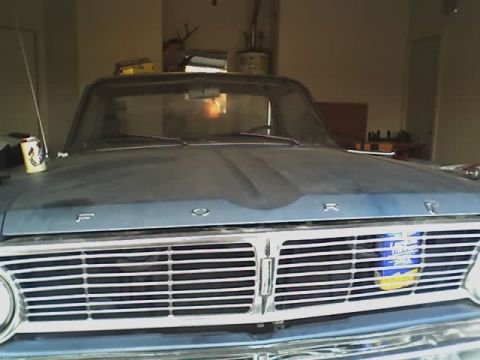
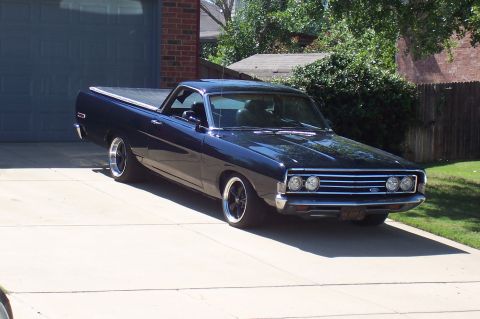
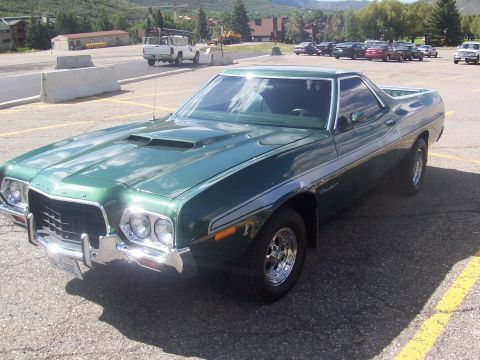
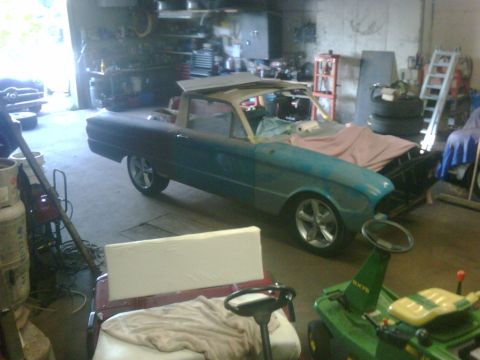
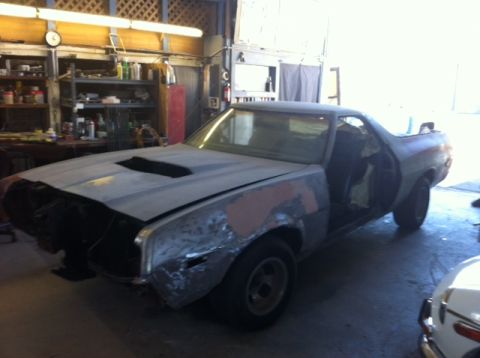

At a glance
- What it is: the Ford Ranchero, a coupe utility (car-based pickup) built on a two-door wagon body, introduced for 1957 as the first US coupe utility
- Years built: 1957 through 1979 model years, ended after 1979
- Platforms it used: full-size Ford (1957-1959), compact Falcon (1960-1965), intermediate Fairlane/Torino (1966-1971), Gran Torino (1972-1976), LTD II (1977-1979)
- Rival: the Chevrolet El Camino, which Chevrolet launched for 1959 in response to the Ranchero
- Engine span: 223 inline-six and 272/292/312/332/352 V8s (full-size era); 144/170/200 inline-sixes and 260/289 V8s (Falcon era); 289/302/351/390/428/429 V8s (Fairlane and Torino era); 250 six and 302/351/400/460 V8s (Gran Torino and LTD II era)
- Total production: 508,355 units across the 1957-1979 run
Ford Ranchero generations at a glance
| Years | Generation / platform | Key engines | What defines it |
|---|---|---|---|
| 1957-1959 | Full-Size Ranchero (full-size Ford) | 223 I6; 272, 292, 312 Y-block V8; 332, 352 FE V8 | The first US coupe utility, built on the short-wheelbase two-door Ranch Wagon body |
| 1960-1965 | Falcon Ranchero (compact Falcon) | 144, 170, 200 I6; 260, 289 Windsor V8 | Downsized onto the new compact Falcon for 1960; the V8 arrived for 1963 |
| 1966-1971 | Fairlane/Torino Ranchero (intermediate) | 170, 200, 250 I6; 289, 302, 351, 390 V8; 428/429 Cobra Jet | Moved to the intermediate Fairlane for 1966, then followed the line into the Torino; GT and Squire trims and big-block performance versions |
| 1972-1976 | Gran Torino Ranchero (intermediate) | 250 I6; 302, 351, 400, 429, 460 V8 (net hp) | Larger, heavier body on the 1972 Gran Torino platform; the emissions-era big-blocks and net horsepower ratings |
| 1977-1979 | LTD II Ranchero (LTD II) | 302, 351M, 400 V8 (net hp) | Final generation on the LTD II platform; production ended after the 1979 model year |
What a coupe utility is, and why the Ranchero came first
The Ford Ranchero is a coupe utility, a body style that takes a passenger-car or station-wagon body and replaces the area behind the front seat with an open cargo bed, keeping the car's unified body rather than bolting a separate pickup box to a truck frame. The 1957 Ford Ranchero was the first US-built vehicle of this type in the postwar period; Ford adapted it from the short-wheelbase two-door Ranch Wagon, essentially cutting off the rear roof and fitting a bed over the floor. Chevrolet responded with the El Camino for the 1959 model year, and the two nameplates competed for the rest of the Ranchero's life. Because the Ranchero was always derived from a passenger car, its size, styling, and engines changed whenever the donor car changed.
How the Ranchero moved across Ford platforms
The Ford Ranchero never had its own chassis. For 1957 through 1959 it rode on the full-size Ford. For 1960 Ford moved it to the new compact Falcon, shrinking the truck and pairing it with economical inline-sixes. The 1966 Ranchero shifted to the intermediate Fairlane, and as Ford expanded that line the Ranchero followed it into the Torino. The 1972 redesign placed the Ranchero on the larger Gran Torino platform, where it stayed through 1976. For 1977 Ford moved the Ranchero onto the LTD II, the renamed intermediate that replaced the Gran Torino, and the Ranchero ran there through its final 1979 model year. This platform-following is the defining trait of the nameplate: a 1965 Falcon Ranchero and a 1975 Gran Torino Ranchero are very different vehicles that share only the coupe-utility concept.
Engine eras of the Ford Ranchero
Because the Ford Ranchero shared engines with its donor cars, its powertrains changed with each platform. The full-size 1957-1959 Ranchero offered the 223 inline-six and Y-block V8s in 272, 292, and 312 displacement for 1957, with the FE-family 332 and 352 V8s arriving in 1958. The Falcon Ranchero of 1960-1965 started with small inline-sixes, the 144, then the 170, then the 200, and added the small Windsor V8 in 260 and later 289 form. The Fairlane and Torino Rancheros of 1966-1971 ran inline-sixes alongside 289, 302, 351, and FE 390 V8s, and the performance versions reached the 428 Cobra Jet and, for 1970-1971, the 429 Cobra Jet. The Gran Torino Ranchero of 1972-1976 used the 250 inline-six and 302, 351, 400, and big-block 429/460 V8s, rated in SAE net horsepower from 1972 onward rather than the higher SAE gross figures used before 1972. The LTD II Ranchero of 1977-1979 was V8 only, with the 302, the 351M, and the 400.
Trims, the GT, and the Squire
Ford Ranchero trim levels followed the donor cars and broadened over time. Early Falcon-era trucks were sold in base and Deluxe forms. As the Ranchero moved to the intermediate platform it picked up the Ranchero 500 as a better-equipped grade, the Ranchero GT as the performance and appearance model (carrying the GT's larger V8s, badging, and trim), and the Ranchero Squire with simulated woodgrain side paneling in the manner of Ford's Country Squire wagons. These three, the 500, the GT, and the Squire, continued through the Gran Torino and LTD II generations, so a buyer in the 1970s could choose a work-grade Ranchero, a woodgrain Squire, or a striped GT.
The end of the Ranchero
Ford ended the Ford Ranchero after the 1979 model year, when the LTD II platform that underpinned the final generation was itself discontinued. Ford did not replace the Ranchero with a successor coupe utility, and total production across the 1957 to 1979 run was 508,355 units. The Chevrolet El Camino, the Ranchero's longtime rival, outlived it and continued into the late 1980s.
Frequently asked questions
What is a Ford Ranchero?
The Ford Ranchero is a coupe utility, a car-based pickup built on a two-door station-wagon body with the cab and cargo bed formed as one unit rather than a separate truck cab and box. Ford built it from the 1957 through the 1979 model years, and it was the first US-built coupe utility of the postwar era.
What platforms did the Ford Ranchero use?
The Ford Ranchero shared its platform with Ford passenger cars and changed chassis several times: the full-size Ford for 1957-1959, the compact Falcon for 1960-1965, the intermediate Fairlane and then Torino for 1966-1971, the Gran Torino for 1972-1976, and the LTD II for 1977-1979.
What is the difference between the Ford Ranchero and the Chevrolet El Camino?
The Ford Ranchero and Chevrolet El Camino are both coupe utilities, car-based pickups. Ford introduced the Ranchero first, for the 1957 model year, and Chevrolet answered with the El Camino for 1959. They competed for decades; the Ranchero ended after 1979, while the El Camino continued into the late 1980s.
When did the Ford Ranchero get a V8?
The full-size 1957 Ford Ranchero offered Y-block V8s from the start. After the move to the compact Falcon, the early Falcon Rancheros were inline-six only until a V8, the 260 Windsor, was added for 1963, followed by the 289. Later Fairlane, Torino, Gran Torino, and LTD II Rancheros offered a range of V8s up to big-blocks.
When did the Ford Ranchero end production?
Ford ended Ranchero production after the 1979 model year, when the LTD II platform underpinning the final generation was discontinued. Ford did not offer a direct replacement, and total Ranchero production across 1957-1979 was 508,355 units.
Sources
- Wikipedia, Ford Ranchero
- Hagerty Media, Seven generations of the Ford Ranchero
- HowStuffWorks, 1957-1959 Ford Ranchero and 1960-1963 Ford Falcon Ranchero
- Ford factory specification literature and shop manuals for the donor passenger-car platforms
Asked all the time
What is a Ford Ranchero?
The Ford Ranchero is a coupe utility, a car-based pickup built on a two-door station-wagon body with the cab and cargo bed formed as one unit rather than a separate truck cab and box. Ford built it from the 1957 through the 1979 model years, and it was the first US-built coupe utility of the postwar era.
What platforms did the Ford Ranchero use?
The Ford Ranchero shared its platform with Ford passenger cars and changed chassis several times: the full-size Ford for 1957-1959, the compact Falcon for 1960-1965, the intermediate Fairlane and then Torino for 1966-1971, the Gran Torino for 1972-1976, and the LTD II for 1977-1979.
What is the difference between the Ford Ranchero and the Chevrolet El Camino?
The Ford Ranchero and Chevrolet El Camino are both coupe utilities, car-based pickups. Ford introduced the Ranchero first, for the 1957 model year, and Chevrolet answered with the El Camino for 1959. They competed for decades; the Ranchero ended after 1979, while the El Camino continued into the late 1980s.
When did the Ford Ranchero get a V8?
The full-size 1957 Ford Ranchero offered Y-block V8s from the start. After the move to the compact Falcon, the early Falcon Rancheros were inline-six only until a V8, the 260 Windsor, was added for 1963, followed by the 289. Later Fairlane, Torino, Gran Torino, and LTD II Rancheros offered a range of V8s up to big-blocks.
When did the Ford Ranchero end production?
Ford ended Ranchero production after the 1979 model year, when the LTD II platform underpinning the final generation was discontinued. Ford did not offer a direct replacement, and total Ranchero production across 1957-1979 was 508,355 units.