The registry
Nissan Registry: Models, Builds & Photos
Nissan Motor Co., Ltd. is a Japanese automaker founded on December 26, 1933 in Yokohama by industrialist Yoshisuke Aikawa as Jidosha-Seizo Co., renamed Nissan in 1934. It grew from building small Datsun cars into one of the world's largest vehicle manufacturers, exporting under the Datsun name through the 1970s, pioneering affordable sports cars like the 240Z, and building trucks, sedans, and SUVs on every continent. Overexpansion in Japan's bubble economy left Nissan near bankruptcy by 1999, when Renault took a controlling stake and Carlos Ghosn executed a famous turnaround. After Ghosn's 2018 arrest and ouster, the company restructured within the rebalanced Renault-Nissan-Mitsubishi Alliance. Nissan remains active today, headquartered in Yokohama.
Pick your model
Key facts
| Founded | December 26, 1933, Yokohama, Kanagawa, Japan (as Jidosha-Seizo Co., Ltd.; renamed Nissan Motor Co. in 1934) |
|---|---|
| Founders | Yoshisuke Aikawa, head of the Nihon Sangyo (Nissan) zaibatsu |
| Headquarters | Yokohama, Kanagawa, Japan |
| Parent / successor | Independent public company; member of the Renault-Nissan-Mitsubishi Alliance, with Renault holding a cross-shareholding stake |
| Fate / status | Active; never dissolved. Survived near-insolvency in 1999 through the Renault alliance and the Nissan Revival Plan |
| Best known for | Datsun 240Z, Skyline GT-R, Nissan Leaf |
| Registry presence | 144 vehicles / 3,284 photos documented by owners on SuperMotors |
1933-1945: Yoshisuke Aikawa, the Nihon Sangyo Zaibatsu, and the Birth of Datsun
Nissan was born on December 26, 1933, not from an engineer's garage but from a financier's holding company. Yoshisuke Aikawa, founder of the Nihon Sangyo conglomerate (abbreviated to "Ni-San" on the Tokyo stock exchange, the source of the Nissan name), incorporated Jidosha-Seizo Co., Ltd. in Yokohama to mass-produce automobiles on the American model. He had acquired the DAT Motorcar operation, whose small car had been christened Datson, "son of DAT," then respelled Datsun because "son" sounds like the Japanese word for loss. In June 1934 the firm was renamed Nissan Motor Co., Ltd.
Aikawa's ambition was explicitly Detroit-scale. He imported American machine tools, hired American engineers, and built the Yokohama plant as Japan's first true automotive assembly line, producing the small Datsun Type 14 from 1935. His larger bet, a licensing arrangement with Graham-Paige for full-size cars and trucks, showed where he thought the market was heading. The state had other plans. Japan's 1936 Automobile Manufacturing Industries Law pushed Ford and GM out of Japan and pulled Nissan toward military truck production. Aikawa moved much of his empire to Manchuria in 1937 to run the Manchurian Industrial Development Company, and Nissan spent the war years building trucks, engines, and airplane components for the military. Aikawa himself was arrested as a suspected war criminal in 1945 and, though never convicted, was purged from Nissan's leadership. The founder never ran his car company again, a rupture that left postwar Nissan in the hands of professional managers and, decisively, its banks.
1945-1959: Occupation, the Austin License, and Katsuji Kawamata's Union War
Postwar Nissan survived on borrowed technology and won its future in a 100-day strike. With its plants partly requisitioned by occupation forces, Nissan Motor Co. restarted Datsun production slowly and, in 1952, signed a licensing agreement with Austin of England, assembling the Austin A40 and later the A50 in Japan. The deal was a deliberate classroom: Nissan engineers used Austin drawings and tooling to learn modern pressed-steel body construction and overhead-valve engine manufacture, knowledge that fed directly into the company's own Datsun 110 and 210 small cars.
The decisive event of the decade was labor, not product. In 1953 Nissan's militant company union struck for roughly 100 days. Katsuji Kawamata, a banker sent in from the Industrial Bank of Japan, broke the strike by backing a rival cooperative union, a victory that set Nissan's management-labor bargain for the next thirty years and put Kawamata on the path to the presidency, which he assumed in 1957. The same era produced Nissan's first export beachhead: Datsun sedans shown at the 1958 Los Angeles Imported Car Show, a class win in the 1958 Mobilgas Trial around Australia, and the 1960 incorporation of Nissan Motor Corporation U.S.A. under Yutaka Katayama, the marketing man whose exile to America would prove one of the luckiest personnel decisions in the industry.
1960-1972: Yutaka Katayama, the Datsun 510 and 240Z, and the Prince Merger
In the 1960s Nissan conquered America under a name that was not its own. Datsun, run in the United States by the charismatic Yutaka Katayama from 1960, sold cheap, tough pickups to West Coast buyers, then broke into the mainstream with the 1968 Datsun 510, a boxy sedan with independent rear suspension that road testers called a poor man's BMW. Katayama's crowning argument came in October 1969 with the Datsun 240Z, a six-cylinder sports car priced around $3,500 that made Jaguar-style performance affordable and sold nearly 150,000 units in its first generation in the U.S. alone. Katayama pushed both cars into competition; Brock Racing Enterprises' Trans-Am 2.5 championships with the 510 and John Morton's driving made Datsun a performance brand, and Bob Sharp's team later put Paul Newman in Datsun race cars.
At home, the era's pivotal corporate act was the 1966 absorption of Prince Motor Company, an aircraft-descended engineering house, brokered with government encouragement by MITI's industry-consolidation policy. Prince brought Nissan its Murayama plant, its engineering elite, and two nameplates that defined Nissan performance for fifty years: the Gloria and the Skyline, whose GT-R variant, launched in 1969, dominated Japanese touring car racing with roughly 50 race wins, including a fabled winning streak, and became the company's engineering totem. By 1972 Nissan Motor Co. was Japan's number two automaker, locked in the duel with Toyota that would shape every decision it made.
1973-1984: Oil Shocks, U.S. Plants, and the Datsun-to-Nissan Name Gamble
The 1973 oil crisis handed Nissan its greatest sales windfall and set up its costliest marketing mistake. Fuel-starved American buyers stampeded toward small Japanese cars, and Datsun sales in the U.S. climbed toward half a million units a year by the end of the 1970s on the strength of the B210, the 620 pickup, and the Z-car line. But success bred political backlash. Voluntary export restraints negotiated in 1981 capped Japanese imports, so Nissan Motor Co., under president Takashi Ishihara, localized: a truck plant at Smyrna, Tennessee, opened in June 1983, Nissan's first U.S. factory, chosen partly to stay non-union. Ishihara, who had run the U.S. subsidiary's finances, also drove the decision to retire the Datsun name worldwide between 1981 and 1984 and sell everything as Nissan, a rebranding that industry accounts put at around 500 million dollars and years of squandered brand equity, since American buyers knew Datsun and had never heard of Nissan.
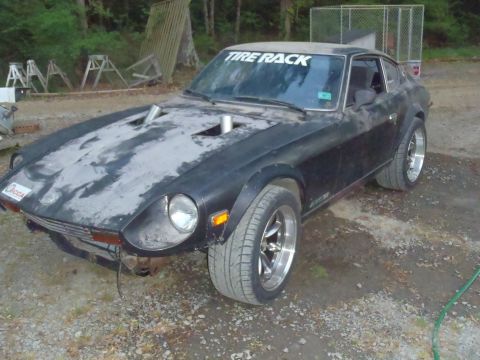
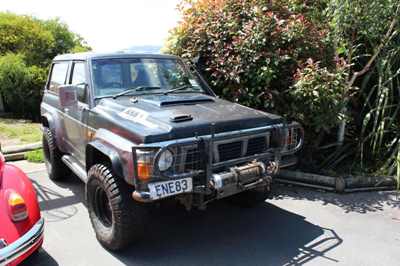
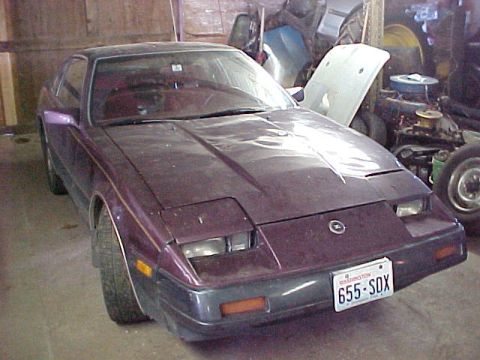
The product story of the era was the front-wheel-drive conversion and the upmarket push. The Sentra replaced the Datsun 210 as the volume small car in 1982, while the Maxima grew out of the Datsun 810 into Nissan's flagship sedan for America. The 300ZX of 1984 carried the Z lineage into the turbocharged electronic era. Abroad, the Patrol did for Nissan in Australia, Africa, and the Middle East what the Land Cruiser did for Toyota, anchoring a global four-wheel-drive reputation the company would soon monetize in America.
1985-1991: Bubble-Era Ambition, the 901 Program, and Shioji's Fall
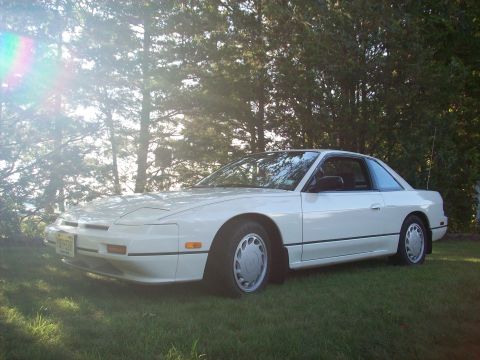
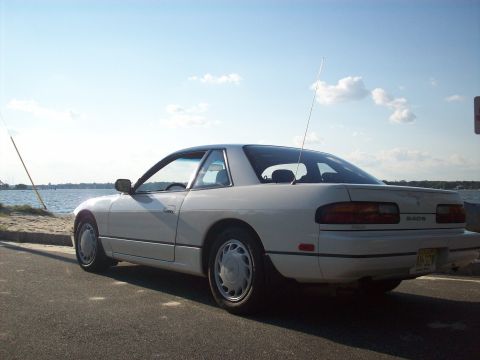
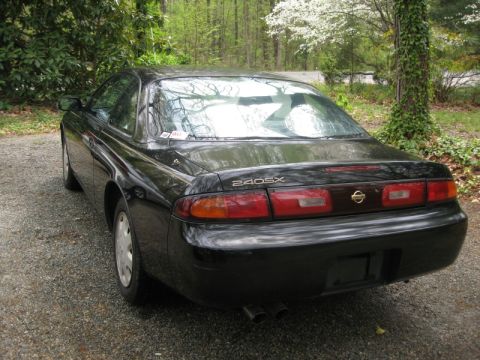
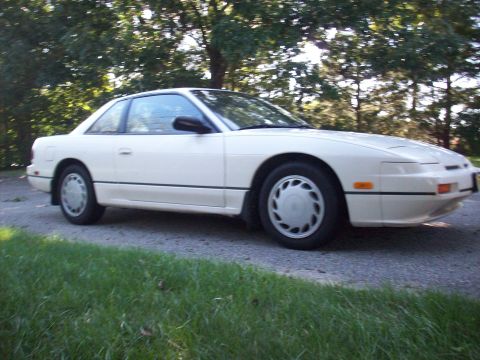
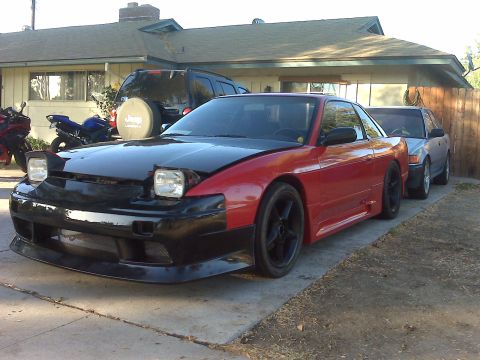
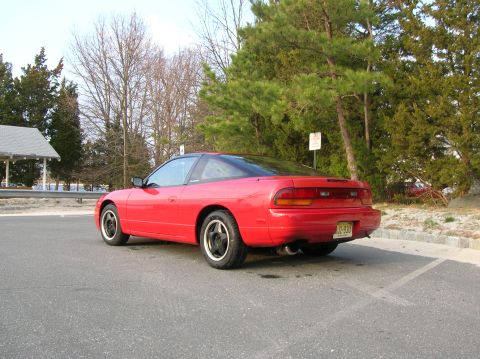
Between 1985 and 1991 Nissan spent like a company that believed Japan's bubble economy would never end. President Yutaka Kume, installed in 1985 after the bruising Ishihara years, broke the power of union boss Ichiro Shioji, whose decades-long veto over plant and product decisions had calcified the company, and unleashed the engineers. The result was the "901 Activity," an internal decree that Nissan would have the world's best driving performance by 1990. It produced the R32 Skyline GT-R of 1989, whose ATTESA all-wheel-drive system so dominated Australian Group A racing that local press called it Godzilla, the 300ZX Twin Turbo, and the multilink-suspension Silvia and 240SX platforms that later made Nissan the default currency of drifting. The 240SX, sold in America from 1989, mattered less for its showroom numbers than for seeding a rear-drive enthusiast culture that still sustains the brand's image.
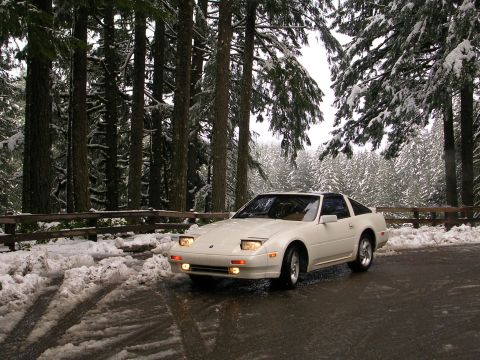
The same years planted the seeds of collapse. Nissan Motor Co. opened a UK plant at Sunderland in 1986, launched the Infiniti luxury division in America in 1989 against Toyota's Lexus, compact SUVs like the Pathfinder rode the truck boom, and headcount, model count, and keiretsu supplier shareholdings all ballooned. Capacity was built for a domestic market share Nissan never achieved; its Japanese share slid through the decade while Toyota's held. When the bubble burst in 1991, Nissan was carrying the industry's heaviest fixed costs into a decade of shrinking sales.
1992-1998: The Lost Decade, Zama's Closure, and the Slide Toward Insolvency
Nissan lost money in six of the seven fiscal years from 1992 through 1998, and by the end it owed its lenders more than 2 trillion yen. The bubble's collapse exposed everything the 1980s had hidden: too many platforms, too many dealers, keiretsu supplier contracts that priced parts 15 to 25 percent above what Renault paid, by Ghosn's later account, and a seniority culture in which no executive would close a plant or cancel a program. President Yoshifumi Tsuji did shut the historic Zama assembly plant in 1995, the first closure of a major Japanese auto plant in the postwar era, but the cuts were always a step behind the losses.

The product line told the story of an engineering company starved of investment. The Altima, launched for 1993 from the Smyrna plant, was a genuine American success, and the U.S. truck and SUV business, the Frontier-badged compact pickup and Pathfinder, kept dollars flowing. But home-market products aged, the Z-car was withdrawn from America in 1996 as an expensive irrelevance, and the Quest minivan had to be built in a joint venture with Ford because Nissan could not afford its own. By late 1998 Nissan Motor Co. was, in the words its own executives later used, months from bankruptcy. Merger talks with DaimlerChrysler collapsed in March 1999 when Daimler's board looked at the debt and walked away. That left one suitor.
1999-2004: Carlos Ghosn, the Renault Alliance, and the Nissan Revival Plan
On March 27, 1999, Renault paid roughly 5.4 billion dollars for a 36.8 percent stake in Nissan Motor Co., and sent a Brazilian-born, Lebanese-French executive named Carlos Ghosn to fix it. Ghosn's Nissan Revival Plan, announced that October, broke every Japanese corporate taboo at once: five plants closed including Murayama, the old Prince factory; 21,000 jobs cut; the keiretsu unwound by selling stakes in nearly 1,400 affiliated companies; purchasing costs cut 20 percent; and the debt halved. He promised to resign if Nissan did not return to profit in one year. It did, posting a then-record profit for fiscal 2000, and Ghosn, nicknamed "Le Cost Killer," became a business celebrity in Japan, his life serialized in manga.
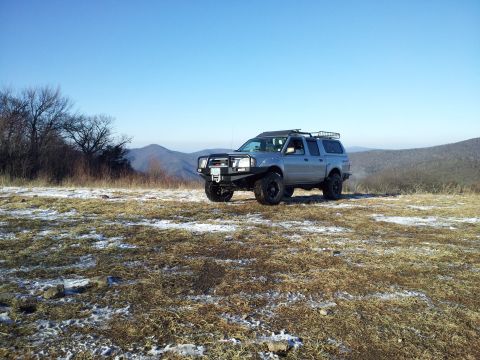
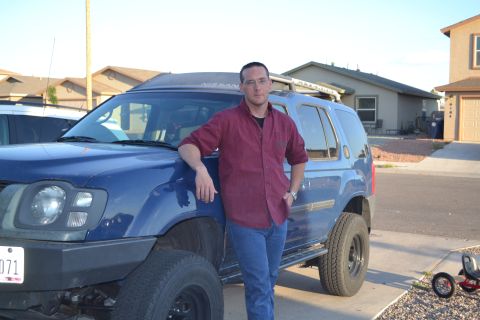
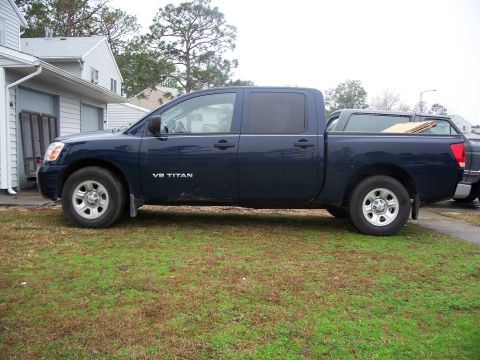
The revival was product-led as much as ledger-led. Ghosn hired designer Shiro Nakamura from Isuzu in 1999, and the design renaissance was immediate: the 2002 350Z resurrected the Z-car as the alliance's proof of confidence, the 2002 Murano invented Nissan's swoopy crossover language, and a full-size truck offensive out of a new Canton, Mississippi plant launched the TITAN pickup and Armada SUV in 2003 to attack Detroit's most profitable segment. The Xterra, a cheap, honest body-on-frame SUV launched in 1999, had already shown the formula: distinctive product, built on existing truck bones, priced to win. In 2005 Ghosn added the CEO job at Renault, running both companies across two continents.
2005-2017: The Leaf Bet, Emerging-Market Expansion, and Power Concentrated in One Man
In the decade after the revival, Nissan Motor Co. made the industry's boldest electric bet and quietly rebuilt the fragilities the crisis had burned away. Carlos Ghosn committed roughly 4 billion euros of alliance money to battery-electric vehicles, and the Nissan Leaf, launched in December 2010, became the world's best-selling electric car of its era, passing 300,000 cumulative sales before Tesla's Model 3 overtook it. The 2007 GT-R supercar, the global small-car push built around the Micra platform and new plants in Chennai and Resende, and the 2016 purchase of a controlling 34 percent stake in scandal-hit Mitsubishi Motors extended the empire; the Renault-Nissan-Mitsubishi Alliance sold more than 10 million vehicles in 2017, briefly, by some counts, the largest automotive group on earth.
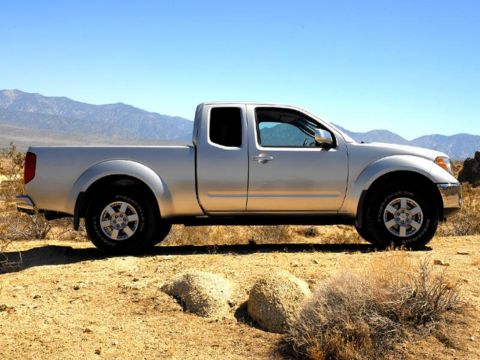
The costs accumulated underneath. Ghosn's "Power 88" plan chased 8 percent global market share with heavy U.S. fleet sales and incentive spending that eroded resale values and dealer margins. Quality and governance frayed: a 2017 final-inspection scandal in Japanese plants forced recalls of more than a million cars. And the alliance itself became a source of dread inside Yokohama, as the French state increased its Renault stake in 2015 and pressed for irreversible integration, which Nissan executives read as a takeover of the larger, more profitable Japanese partner by the smaller French one. Succession planning consisted of Ghosn, who chaired Renault, Nissan, and Mitsubishi simultaneously. Everything therefore depended on what happened to him.
2018-Today: Ghosn's Arrest, the Escape in a Box, and Makoto Uchida's Long Rebuild
On November 19, 2018, Tokyo prosecutors arrested Carlos Ghosn on the tarmac at Haneda airport, acting on evidence supplied by Nissan's own executives, and the alliance he built nearly died with his career. Ghosn was charged with underreporting some 9 billion yen in compensation and breach of trust; he called the case a boardroom coup by Nissan insiders, led by the executives around CEO Hiroto Saikawa, to block a Renault-Nissan merger. In December 2019 he escaped Japan hidden in an audio-equipment case aboard a private jet to Lebanon, one of the strangest exits in corporate history. Saikawa himself resigned in September 2019 after acknowledging he received ~¥96.5M in excess compensation via backdated share-appreciation rights, payments Nissan's own probe called improper though not illegal, and which Saikawa said he was unaware had been manipulated, and Makoto Uchida, a company lifer from the China operation, became CEO in December 2019.
Uchida inherited a company earning almost nothing on more than 7 million units of capacity. His Nissan NEXT plan cut global capacity about 20 percent, closed the Barcelona plant, retreated from unprofitable markets, and refreshed the aged U.S. lineup, including new generations of the Frontier and Pathfinder and the 2023 Z. In 2023 Nissan and Renault rebalanced the alliance at 15 percent cross-shareholdings each, ending the lopsided Renault stake, raised to roughly 43 percent in 2002, that had poisoned relations since the 1999 rescue. Renewed losses and pricing pressure in the U.S. and China pushed Nissan into merger talks with Honda in late 2024; the talks collapsed in February 2025 over control terms, Uchida stepped down, and Ivan Espinosa took over as CEO in April 2025 with another deep restructuring. Nissan Motor Co., Ltd. remains independent, headquartered in Yokohama, still trading on the engineering credibility of the Z and GT-R while it works out, for the third time in thirty years, how to be profitably smaller.
Leadership
| Leader | Tenure | Legacy |
|---|---|---|
| Yoshisuke Aikawa | 1933-1939 (president) | Founded the company from his Nihon Sangyo zaibatsu, launched Datsun mass production at the Yokohama plant, and tied Nissan to Japan's industrial expansion in Manchuria. |
| Katsuji Kawamata | 1957-1973 (president), chairman to 1985 | Broke the militant Masuda union in the 1953 strike as an Industrial Bank of Japan-trained finance man, then presided over the export boom and the 1966 Prince Motor merger. |
| Yutaka Katayama | 1960-1977 (U.S. operations; president of Nissan Motor Corp. USA from 1965) | "Mr. K" built the Datsun brand in America, championed the 510 and the 240Z, and made Nissan a top import nameplate before being recalled to Tokyo. |
| Ichiro Shioji | from the early 1960s to 1986 (president, Nissan workers' union confederation) | Not an executive but arguably the company's most powerful man for two decades; his union veto shaped plant and product decisions until his 1986 fall. |
| Takashi Ishihara | 1977-1985 (president) | Drove overseas manufacturing, opening the Smyrna, Tennessee plant in 1983 and the UK Sunderland project, and forced through the Datsun-to-Nissan rebrand. |
| Yutaka Kume | 1985-1992 (president) | Backed the 901 program to make Nissan's chassis engineering world-class by 1990, yielding the R32 Skyline GT-R, 300ZX Z32, and Primera. |
| Yoshifumi Tsuji | 1992-1996 (president) | Managed the first bubble-collapse retrenchment, closing the historic Zama assembly plant in 1995, but the cuts never caught up with the losses. |
| Yoshikazu Hanawa | 1996-2000 (president), chairman to 2003 | Negotiated the March 1999 Renault capital alliance that saved the company from insolvency and recruited Carlos Ghosn. |
| Carlos Ghosn | 1999-2017 (COO from 1999, president from 2000, CEO 2001-2017; chairman to 2018) | Executed the Nissan Revival Plan, restored profitability by 2001, bet early on the Leaf EV, then concentrated power until his 2018 arrest. |
| Hiroto Saikawa | 2017-2019 (president and CEO) | Ghosn's hand-picked successor who presided over the internal investigation that triggered Ghosn's 2018 arrest, then resigned in September 2019 after acknowledging he had received excess compensation via backdated share-appreciation rights that Nissan's probe called improper though not illegal. |
| Makoto Uchida | 2019-2025 (president and CEO) | Led the post-Ghosn restructuring, rebalanced the Renault alliance to equal 15% cross-shareholdings in 2023, and cut global capacity. |
| Ivan Espinosa | 2025-present (president and CEO) | Product-planning veteran promoted in April 2025 after the Honda merger talks collapsed; launched another deep restructuring of plants, capacity, and costs. |
Timeline
| Year | Event or model | Note |
|---|---|---|
| 1933 | Company founded | Yoshisuke Aikawa establishes Jidosha-Seizo Co., Ltd. in Yokohama on December 26, taking over Datsun small-car production. |
| 1934 | Renamed Nissan Motor Co. | The company adopts the Nissan name from Aikawa's Nihon Sangyo holding group. |
| 1935 | Yokohama plant opens | Japan's first integrated automobile assembly line begins mass-producing Datsun cars. |
| 1945 | Occupation and requisition | Allied occupation authorities requisition Nissan plants; passenger-car output resumes only in 1947. |
| 1951 | Patrol introduced | Nissan's four-wheel-drive answer to the Jeep begins a production run that continues today. |
| 1952 | Austin license agreement | Nissan signs with Britain's Austin Motor Company to assemble the A40, rebuilding its passenger-car engineering base. |
| 1953 | 100-day strike | Katsuji Kawamata breaks the militant union; the company-aligned union under Ichiro Shioji later dominates labor relations. |
| 1957 | Skyline introduced | Launched by Prince Motor Company, the Skyline joins the Nissan family with the 1966 merger and becomes its performance flagship. |
| 1958 | U.S. exports begin | Datsun sedans and pickups debut at the Los Angeles Imported Car Show and go on sale in America. |
| 1960 | Katayama to America | Yutaka Katayama arrives in California and begins building the Datsun dealer network. |
| 1966 | Prince Motor merger | Nissan absorbs Prince Motor Company, gaining the Skyline, the Gloria, and Prince's aviation-descended engineering staff. |
| 1968 | Datsun 510 launched in the U.S. | Katayama's "poor man's BMW" sedan, with independent rear suspension and an overhead-cam engine, transforms Datsun's American image. |
| 1969 | Datsun 240Z launched | The affordable six-cylinder sports car sells nearly 150,000 units in the U.S. by 1973 and founds the Z line. |
| 1980 | Sunny/Sentra era; U.S. plant announced | Nissan commits to a truck plant in Smyrna, Tennessee, its first U.S. manufacturing site. |
| 1981 | Datsun-to-Nissan rebrand begins | Nissan starts retiring the Datsun name worldwide, a costly transition completed in the mid-1980s. |
| 1981 | Maxima introduced | The Datsun 810's upscale successor becomes Nissan's American flagship sedan. |
| 1982 | Sentra introduced | The U.S.-market successor to the Datsun 210 becomes one of Nissan's best-selling nameplates. |
| 1982 | Micra introduced | The March/Micra supermini becomes a small-car staple in Japan and Europe. |
| 1983 | Smyrna, Tennessee plant opens | Nissan begins building pickups in the American South, ahead of most Japanese rivals. |
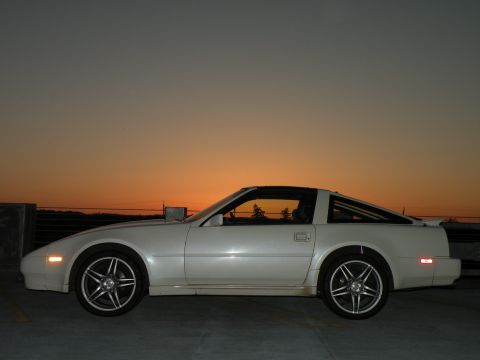
| 1984 | 300ZX introduced | The Z31 carries the Z car into the V6 turbo era; the 1989 Z32 becomes a 901-program showcase. |
| 1984 | 200SX (S12) introduced | The rear-drive S-chassis coupe line continues in the U.S. under the 200SX name. |
| 1985 | 901 program launched | Under president Yutaka Kume, Nissan targets world-leading chassis engineering by 1990. |
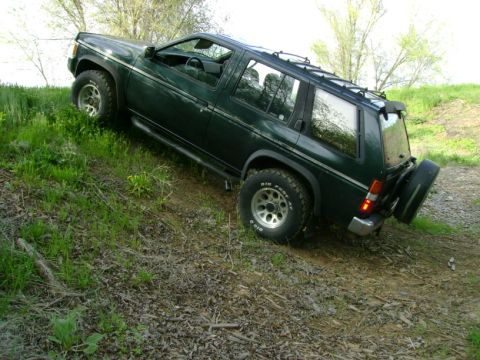
| 1986 | Pathfinder introduced | The Hardbody-based SUV arrives as Nissan's entry in the emerging compact sport-utility market. |
| 1986 | Sunderland, UK plant opens | Nissan becomes the first Japanese automaker to build cars in Britain. |
| 1989 | 240SX introduced | The S13 coupe and fastback bring the S-chassis to America and later anchor the drifting scene. |
| 1989 | Skyline GT-R returns (R32) | The all-wheel-drive, twin-turbo R32 dominates Group A racing and earns the "Godzilla" nickname. |
| 1992 | Altima introduced | The midsize sedan replaces the Stanza in the U.S. as losses mount at home. |
| 1993 | Quest introduced | A minivan jointly developed with Ford, built in Avon Lake, Ohio. |
| 1995 | Zama plant closes | Nissan shuts its historic Zama assembly plant, the first closure of a major Japanese auto factory since the war. |
| 1995 | Almera introduced | The European-market compact replaces the Sunny nameplate in Europe. |
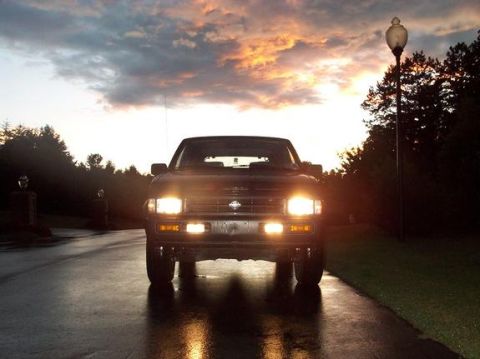
| 1997 | Frontier introduced | The Hardbody's successor compact pickup debuts for the 1998 model year, built in Smyrna. |
| 1999 | Renault alliance | Renault takes a 36.8% stake for about $5.4 billion in March; Carlos Ghosn arrives and launches the Nissan Revival Plan. |
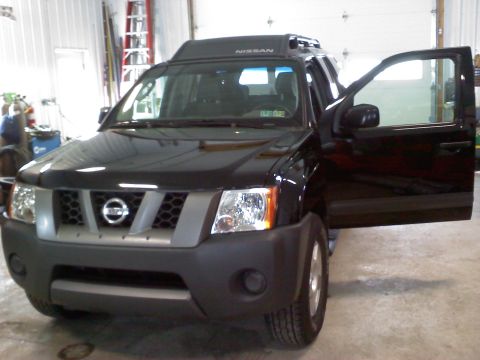
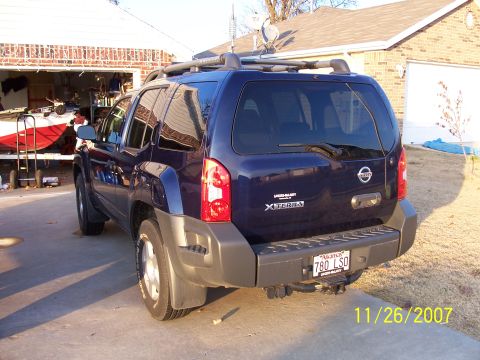
| 1999 | Xterra introduced | The body-on-frame compact SUV wins the 2000 North American Truck of the Year award. |
| 2001 | Revival Plan completed early | Nissan returns to record profitability a full year ahead of Ghosn's schedule. |
| 2002 | Murano introduced | Nissan's first crossover for the U.S. market debuts on the FF-L platform. |
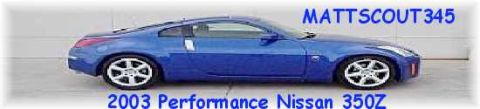
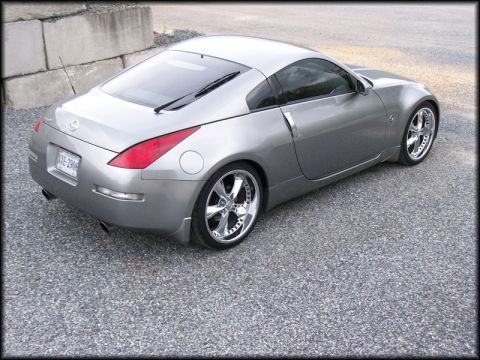
| 2002 | 350Z introduced | The Z car returns after a U.S. hiatus, a signature product of the Ghosn revival. |
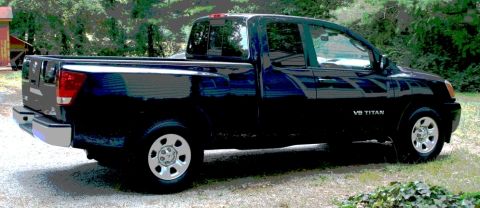
| 2003 | TITAN and Armada introduced | Nissan enters the full-size truck and SUV market from its new Canton, Mississippi plant. |
| 2010 | Leaf launched | Nissan ships the world's first mass-market battery-electric car, eventually the best-selling EV of its decade. |
| 2016 | Mitsubishi joins the alliance | Nissan takes a 34% controlling stake in Mitsubishi Motors after its fuel-economy scandal. |
| 2018 | Ghosn arrested | Tokyo prosecutors arrest chairman Carlos Ghosn in November on financial-misconduct charges; the board removes him days later. |
| 2019 | Ghosn flees Japan; Uchida named CEO | Ghosn escapes to Lebanon concealed in a music-equipment case in December; Makoto Uchida takes over the rebuild. |
| 2023 | Alliance rebalanced | Renault and Nissan agree to equalize cross-shareholdings at 15% each, ending two decades of unequal ownership. |
| 2025 | Honda talks collapse; Espinosa named CEO | Merger talks with Honda end in February over control terms; Ivan Espinosa succeeds Makoto Uchida as CEO on April 1 and launches a new restructuring. |
Asked all the time
Who founded Nissan?
Industrialist Yoshisuke Aikawa founded the company on December 26, 1933 in Yokohama as Jidosha-Seizo Co., Ltd., renaming it Nissan Motor Co. in 1934 after his Nihon Sangyo holding group. It took over production of the small Datsun car, whose lineage traces to the 1911 Kwaishinsha works.
Is Nissan still in business?
Yes. Nissan Motor Co., Ltd. is an active automaker headquartered in Yokohama, Japan, and a member of the Renault-Nissan-Mitsubishi Alliance. It survived near-bankruptcy in 1999 through the Renault capital alliance and the Nissan Revival Plan but was never dissolved.
Why did Nissan stop using the Datsun name?
President Takashi Ishihara ordered the worldwide switch from Datsun to Nissan starting in 1981, reasoning that one global corporate brand would carry more weight than the export-only Datsun name. The transition ran through the mid-1980s and cost hundreds of millions of dollars in marketing and signage; Nissan briefly revived Datsun as an emerging-market budget brand from 2013 to 2022.
Why was Nissan taken over by Renault?
By 1998 Nissan carried roughly $20 billion in debt after overexpanding during Japan's bubble economy, and by Carlos Ghosn's own account only four of its 43 models were making money. In March 1999 Renault bought a 36.8% controlling stake for about $5.4 billion, installing Ghosn to run the Nissan Revival Plan, which closed plants, cut suppliers, and returned the company to record profit by 2001.
How did Nissan lose Carlos Ghosn?
Tokyo prosecutors arrested Nissan chairman Carlos Ghosn in November 2018 on charges of underreporting compensation and breach of trust; the board ousted him within days. In December 2019, while awaiting trial on bail, he fled Japan to Lebanon hidden in a music-equipment case aboard a private jet, and he has remained there since.
What was Nissan's relationship with Prince Motor Company?
Nissan absorbed Prince Motor Company in a government-encouraged 1966 merger, gaining the Skyline and Gloria nameplates plus Prince's aviation-descended engineering staff. The Prince lineage produced the Skyline GT-R, which became Nissan's performance flagship.
When did Nissan start building cars in the United States?
Nissan opened its Smyrna, Tennessee plant in 1983, initially building pickup trucks, making it one of the first Japanese automakers to manufacture in the American South. A second plant in Canton, Mississippi opened in 2003 to build the full-size Titan and Armada.
How is Nissan documented on SuperMotors?
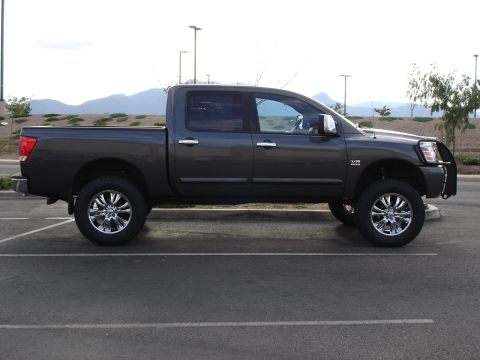
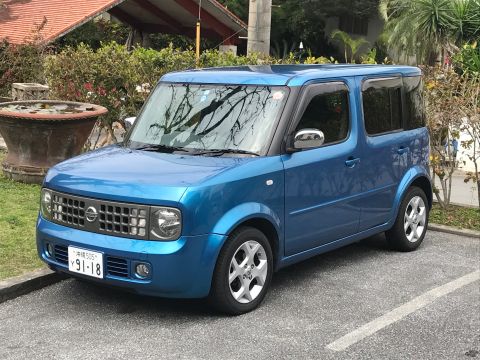
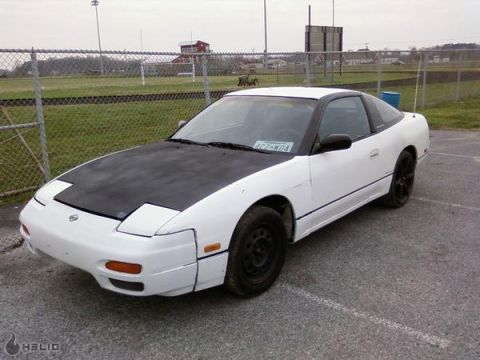
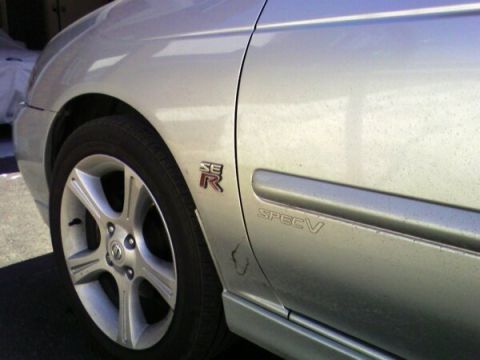
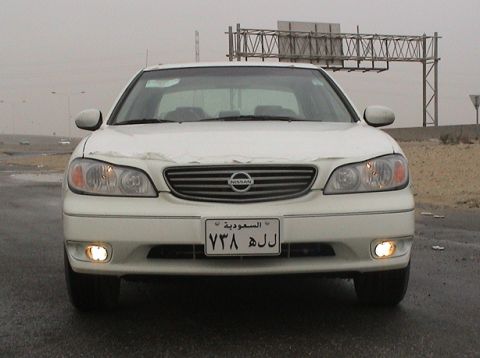
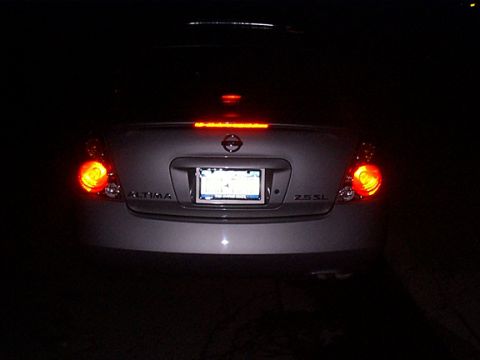
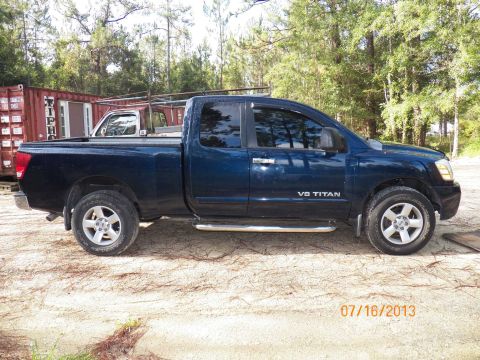
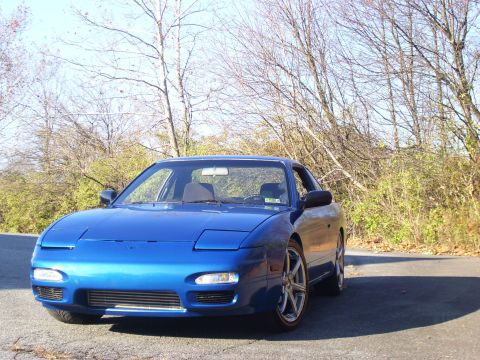
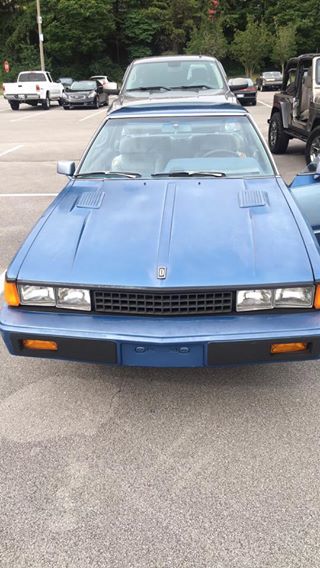
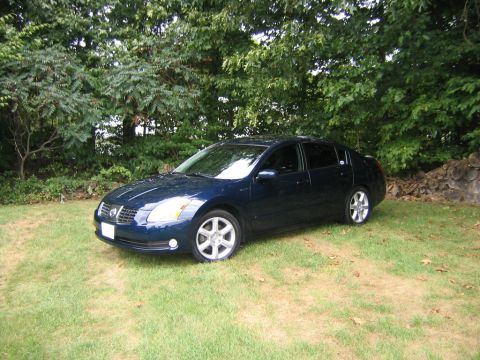
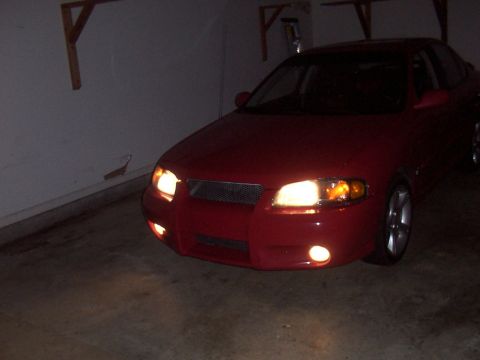
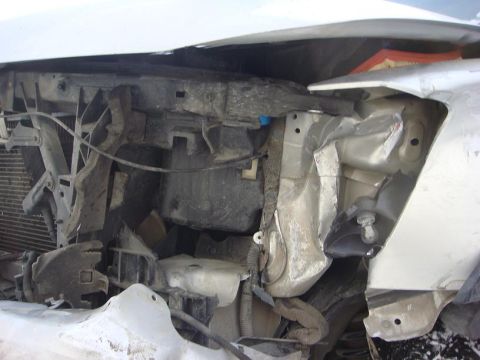
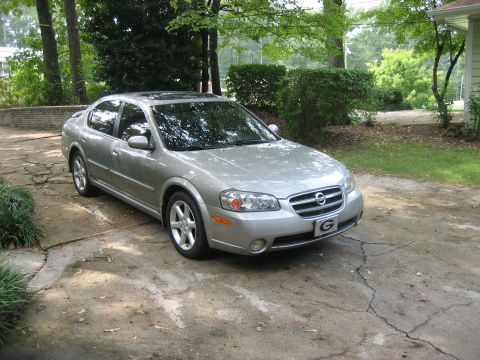
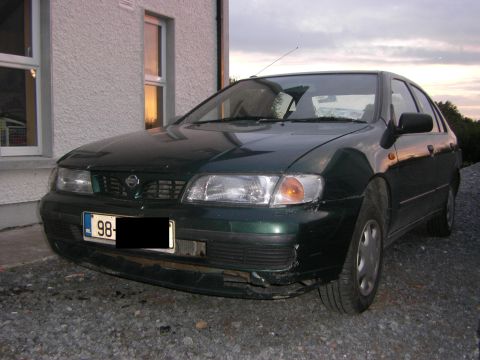
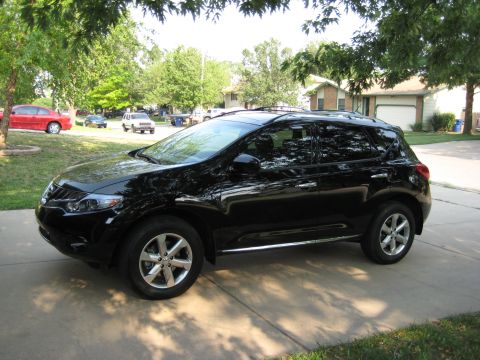
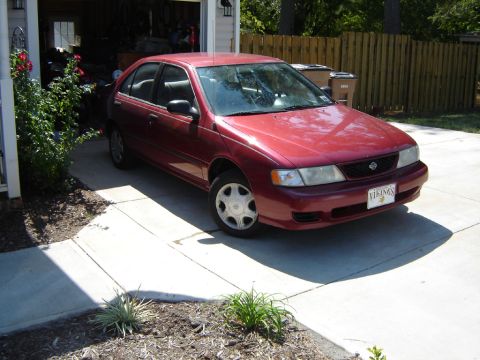
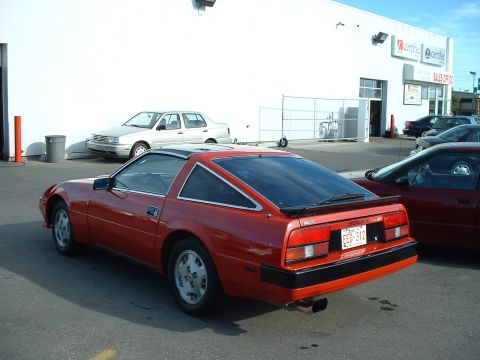
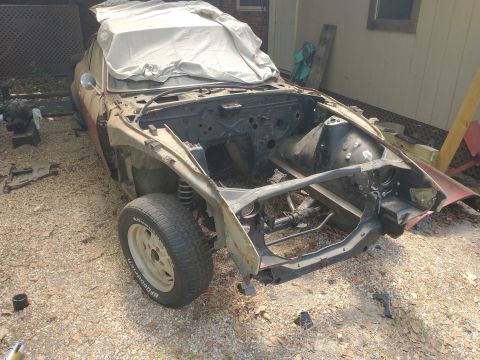
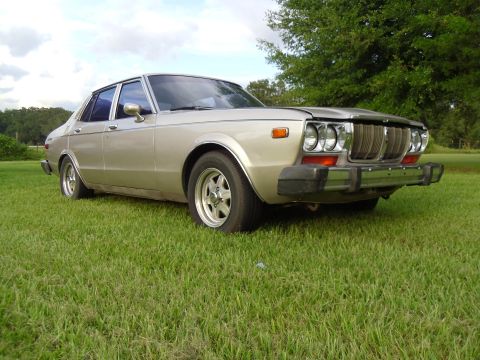
SuperMotors owners have documented 144 Nissan vehicles across 19 models with 3,284 photos, with the 240SX, Maxima, and 300ZX among the most represented nameplates in the registry.
The wall
The most-documented Nissan vehicles in the registry, every photo by the owner.