The registry
BMW Registry: Models, Builds & Photos
BMW, legally Bayerische Motoren Werke AG, is a German manufacturer of luxury automobiles and motorcycles founded in Munich on March 7, 1916, from the aircraft-engine businesses of Karl Rapp and Gustav Otto, with financier Camillo Castiglioni and managing director Franz Josef Popp shaping the early company. Banned from building aero engines after World War I, BMW pivoted to motorcycles in 1923 and cars in 1928. It rebuilt from wartime ruin, nearly collapsed in 1959 before the Quandt family rescued it, then rode the Neue Klasse sedans and the 3, 5, and 7 Series to global dominance of the sport-sedan market. Today BMW remains an active, independent multinational headquartered in Munich, owner of Mini and Rolls-Royce, with the Quandt family still its largest shareholder.
Pick your model
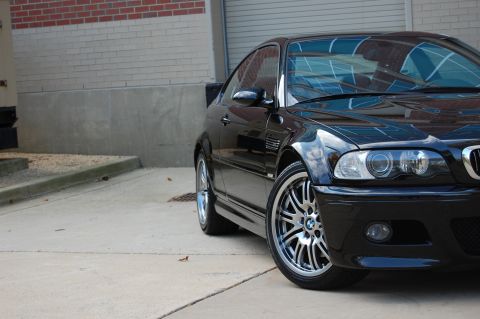
Key facts
| Founded | March 7, 1916, Munich, Bavaria, Germany |
|---|---|
| Founders | Karl Rapp, Gustav Otto, Camillo Castiglioni, Franz Josef Popp |
| Headquarters | Munich, Bavaria, Germany |
| Parent / successor | Independent; largest shareholder is the Quandt family. Owns Mini and Rolls-Royce Motor Cars. |
| Fate / status | Active multinational manufacturer of luxury automobiles and motorcycles |
| Best known for | 3 Series, 5 Series, R-series GS motorcycles |
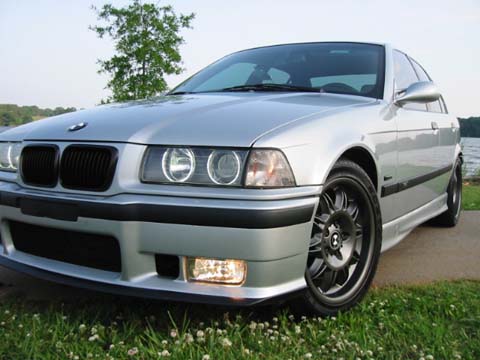
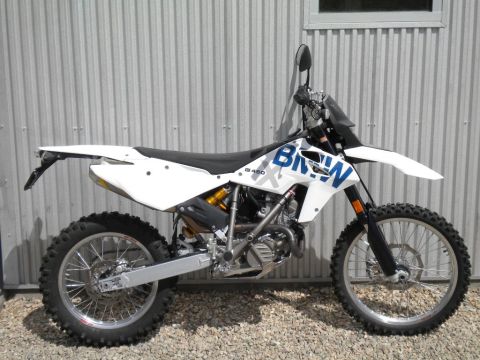
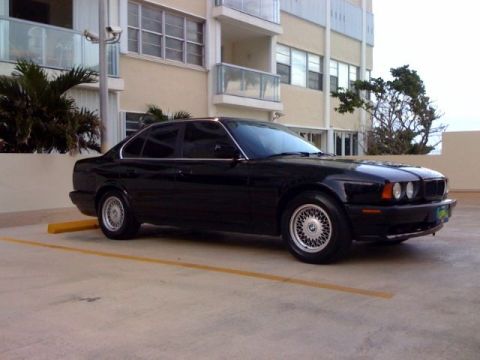
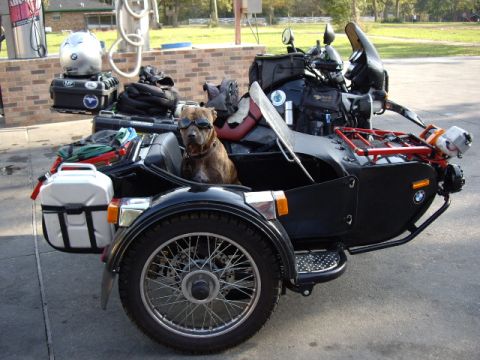
| Registry presence | 93 vehicles / 3,564 photos documented by owners on SuperMotors |
1913-1923: Karl Rapp, Gustav Otto, and an Aircraft-Engine Company Forbidden to Build Aircraft Engines
Bayerische Motoren Werke was born on March 7, 1916, not as a car company but as a consolidation of two struggling Munich aviation firms in the middle of a world war. Karl Rapp's Rapp Motorenwerke built aero engines of uneven quality; Gustav Otto, son of the four-stroke pioneer Nikolaus Otto, built airframes next door as Bayerische Flugzeugwerke. Wartime demand from the German military forced both onto a larger footing, and the reorganized Rapp firm took the name Bayerische Motoren Werke in 1917 after Rapp himself was pushed out, his reputation damaged by engine failures. The men who actually made BMW work were Franz Josef Popp, an Austrian engineer sent to Munich to supervise engine contracts who became the company's first general director and ran it for a quarter century, and Max Friz, the designer whose high-altitude Type IIIa aero engine gave the young firm its first genuine product advantage. Financier Camillo Castiglioni, a Viennese speculator, supplied the capital and the corporate maneuvering, at one point selling the company and buying back its name and engineering assets in 1922, merging them into the Bayerische Flugzeugwerke plant at Oberwiesenfeld, which is why BMW today dates its founding to BFW's 1916 registration.
The Treaty of Versailles nearly killed the company at age three. The 1919 ban on German aero-engine production erased BMW's entire reason for existing, and Popp kept the works alive building railway brakes and farm equipment under license. The famous escape came in 1923, when Max Friz laid out the R32 motorcycle around a flat-twin boxer engine with shaft drive, an architecture BMW motorcycles retain more than a century later. The R32 gave BMW a product it owned outright, and it set the pattern the company would repeat at every crisis: survive by engineering its way into a new market.
1928-1945: Franz Josef Popp, the Dixi Gamble, and the Descent into the Nazi War Economy
BMW became an automaker in November 1928 by buying one, acquiring the Fahrzeugfabrik Eisenach and its Dixi 3/15, a license-built Austin Seven, because Franz Josef Popp judged that motorcycles alone could not carry the company through the coming decade. The little Dixi taught Bayerische Motoren Werke to mass-produce cars, and within a decade the company's own engineering had transformed its range: the 1936 328 sports car, with its Fritz Fiedler-developed two-liter six, won its class at the 1938 Mille Miglia and won the 1940 running outright, the shortened wartime Brescia Grand Prix event, establishing the template of the light, fast, six-cylinder BMW decades before the marketing department named it.
The same years carried the company somewhere much darker. Aero engines returned as Germany rearmed, and by the late 1930s aviation, not cars, was again BMW's dominant business; the 801 radial engine powered the Focke-Wulf Fw 190, and the company built some of the world's first production jet engines, the 003 turbojet. BMW's wartime production depended heavily on forced and slave labor, including concentration-camp prisoners at its Allach plant near Munich, a fact the company itself has acknowledged and commissioned historians to document. Popp, who had led BMW since 1917, was forced out in 1942 after clashes with the Reich Air Ministry. When the war ended, the Munich works were largely rubble, the Eisenach car plant sat in the Soviet zone and was lost permanently, and the Allies dismantled much of what remained. The company that had bet everything on aviation twice had, for the second time, no permitted product to build.
1945-1959: Pots, Pans, the Isetta, and the Shareholders' Revolt That Nearly Handed BMW to Mercedes
In December 1959, Bayerische Motoren Werke came within one shareholders' meeting of ceasing to exist as an independent company. The postwar decade had been a slow rebuild from confiscation: BMW made cooking pots, bicycles, and eventually motorcycles again in 1948 with the R24. Its return to cars in 1951 was a strategic error, the large, expensive 501 and 502 luxury sedans, cars aimed at a market that bombed-out West Germany did not yet have. The company papered over the gap at the bottom with the Isetta bubble car, license-built from Italy's Iso from 1955, which sold over 160,000 units but earned almost nothing per unit. Beautiful money-losers like the 507 roadster, of which only 252 were built, deepened the hole. By 1959 BMW was losing money on nearly everything it sold, and Deutsche Bank, its lead creditor, backed a rescue plan that amounted to absorption by Daimler-Benz.
The plan died on the floor of the annual general meeting on December 9, 1959, when small shareholders and dealers, marshaled by Frankfurt lawyer Friedrich Mathern, exploited an accounting objection to block the Daimler deal. Into that opening stepped industrialist Herbert Quandt, who, instead of selling his stake, increased it to a controlling position and personally underwrote the recapitalization. Quandt's bet was not sentimental; he had seen the prototype of a new middle-class sedan and concluded the company's engineering was worth saving. The Quandt family has controlled BMW ever since, and that continuity of patient ownership, rare among automakers, is the single biggest structural reason the company never again faced a forced merger.
1961-1972: The Neue Klasse, Eberhard von Kuenheim, and the Invention of the Sport Sedan
The car that saved Bayerische Motoren Werke debuted at the 1961 Frankfurt show: the 1500, first of the Neue Klasse sedans, a compact four-door with a free-revving overhead-cam four, front disc brakes, and independent rear suspension at a price ordinary professionals could reach. It was the product Herbert Quandt had bet the company on, and it defined the market position BMW has occupied ever since, the sporting alternative to Mercedes-Benz rather than a competitor on Mercedes's own terms. The smaller two-door 02 series that followed in 1966, particularly the 2002, exported that formula to the United States, where journalist David E. Davis's 1968 Car and Driver piece on the 2002 became one of the most influential car reviews ever written and effectively created BMW's American enthusiast base.
The decade's other decisive move was managerial. In 1970 the Quandts installed Eberhard von Kuenheim, a 41-year-old engineer, as chairman of the management board. Von Kuenheim would run BMW for 23 years, the longest and most consequential tenure in its history, taking annual production from roughly 140,000 vehicles to over half a million and turnover up more than eighteenfold. He professionalized a still provincial Bavarian firm: the four-cylinder headquarters tower and adjacent Munich museum were completed beside the 1972 Olympic site and formally opened in 1973, BMW Motorsport GmbH was founded in 1972 under Jochen Neerpasch to turn racing into a brand-building machine, and the model range was reorganized into the numbered series structure that customers could navigate at a glance.
1972-1982: Paul Bracq, Claus Luthe's Predecessors, and the Series Strategy That Built a Range
Between 1972 and 1978, Bayerische Motoren Werke replaced its entire lineup with a coherent three-tier range that survives to this day, and that act of product planning, more than any single car, is what turned a saved company into a growth company. The 5 Series arrived first in 1972, a mid-size sedan styled under French design chief Paul Bracq to replace the aging Neue Klasse, and it became the company's backbone product. The 3 Series followed in 1975 as the successor to the beloved 02, and it grew into the best-selling BMW of all time and the profit engine that funded everything else the company attempted. The 7 Series completed the ladder in 1977, giving BMW a flagship to fight the Mercedes S-Class directly rather than conceding the top of the market.
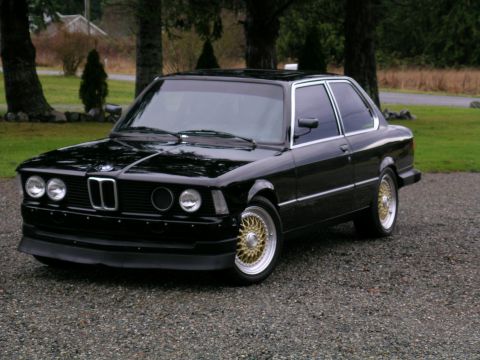
Racing carried the brand message. BMW Motorsport's 3.0 CSL coupes won six European Touring Car championships in the 1970s, and the mid-engined M1 of 1978, though a commercial misadventure born of a failed production deal with Lamborghini, gave the motorsport division its first complete car and its identity. The payoff of the whole engineering-first posture came in 1983, when a turbocharged BMW four-cylinder, developed under Paul Rosche from a production-based block, powered Nelson Piquet's Brabham to the Formula One world championship, the first title ever won with a turbo engine. The message to buyers was exact: the company selling you a sedan built the most powerful engine in Grand Prix racing.
1982-1993: Claus Luthe's Design Era, the Birth of M, and the K-Series Reinvention of the Motorcycle
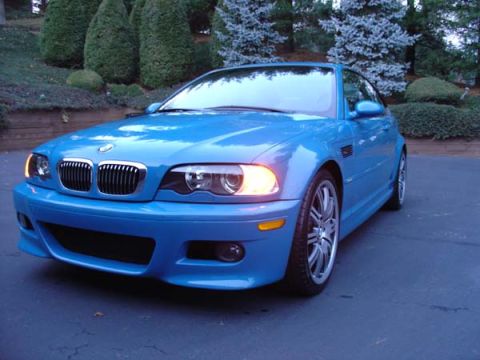
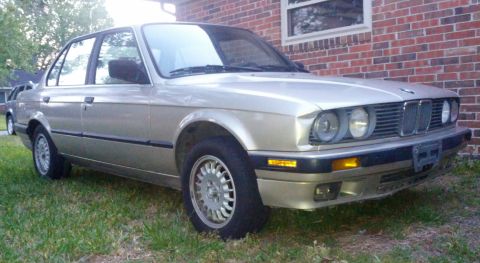
By the mid-1980s Bayerische Motoren Werke had converted its motorsport division from a race shop into a product line, and the letter M became one of the most valuable sub-brands in the industry. The M5 of 1985 put the M1's motorsport-derived six into a plain 5 Series body and invented the discreet super sedan; the M3 of 1986 was built the other way around, a homologation special created so BMW could race the 3 Series in Group A touring cars, and it became the most successful touring car of its era while founding a model line that now outsells many entire brands. Under design chief Claus Luthe, hired from Audi, the whole range acquired the clean, tension-surfaced look, the E32 7 Series and E34 5 Series especially, that many enthusiasts still regard as peak BMW design.
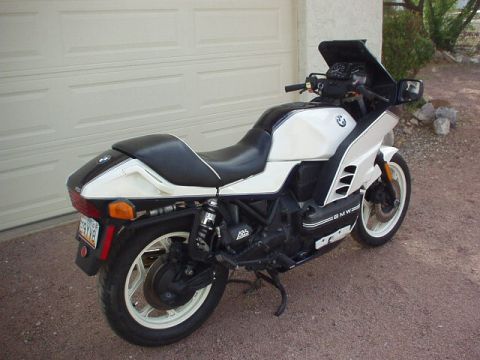
The motorcycle business, BMW's oldest product line, got its own reinvention. The 1983 K100RS and its siblings introduced a liquid-cooled inline-four laid flat in the frame, the company's first clean break from the boxer twin in 60 years, aimed at Japanese competition that had made the old twins look antique. The boxer did not die; the R80G/S of 1980 had already created the large adventure-touring category, a segment BMW invented and still dominates. The era closed with an overreach: the 1989 8 Series grand tourer, a technological showcase whose development costs and early-1990s recession sales never reconciled, an early warning that even a disciplined company could misjudge the top of the market.
1994-2000: Bernd Pischetsrieder, the Rover Disaster, and the Six Billion Pound Lesson
In January 1994, Bayerische Motoren Werke bought the Rover Group from British Aerospace for roughly 800 million pounds, and the purchase became the most expensive mistake in the company's history. Chairman Bernd Pischetsrieder, who had succeeded Eberhard von Kuenheim in 1993, wanted volume, front-wheel-drive small-car expertise, and the Land Rover and Mini brands, a shortcut to becoming a full-line manufacturer without diluting the BMW badge. What he got was decaying plants, a chronically overvalued pound, and losses that the German press nicknamed the English Patient, ultimately draining a sum widely estimated around six billion pounds. The failure consumed two chairmen: Pischetsrieder was forced out in February 1999, his successor Joachim Milberg presided over the exit, and in March 2000 BMW broke Rover apart, selling Land Rover to Ford, handing the Rover car business to the Phoenix consortium for a token ten pounds, and keeping exactly one asset, Mini, which it relaunched in 2001 and turned into a genuine profit center.
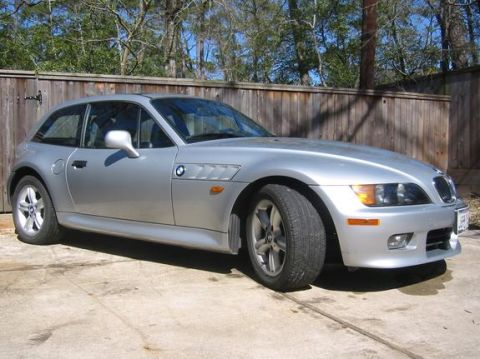
The same years show why the company survived the misadventure. The core business kept executing: the American plant in Spartanburg, South Carolina opened in 1994 and built the Z3 roadster, the first BMW model built entirely outside Germany, followed by the X5 of 1999, the company's first SUV and the product that proved the brand could stretch into trucks without losing its handling identity. Spartanburg also produced the low-volume M Coupe, and Munich crowned the era with the Z8, a hand-finished homage to the 507. In 1998 BMW also secured the rights to Rolls-Royce automobiles, launching its own Rolls-Royce company at Goodwood in 2003.
2001-2013: Chris Bangle's Flame Surfacing, the GS Empire, and the Bet on i
The 2001 launch of the E65 7 Series split Bayerische Motoren Werke's customer base more violently than any product decision since the war, and it was deliberate. American-born design chief Chris Bangle, appointed in 1992, argued that BMW's clean Luthe-era language had run out of road, and his flame-surfaced, high-tailed designs, mocked online as the Bangle Butt, arrived alongside the iDrive controller to loud enthusiast protest. The commercial verdict went the other way: BMW's sales roughly doubled during Bangle's tenure, the design language was imitated across the industry, and the controversial Z4 roadster of 2002 replaced the soft Z3 with something far more aggressive. Under chairman Helmut Panke and then Norbert Reithofer, the company overtook Mercedes-Benz in the mid-2000s to become the world's best-selling premium carmaker, a position it held for a decade.

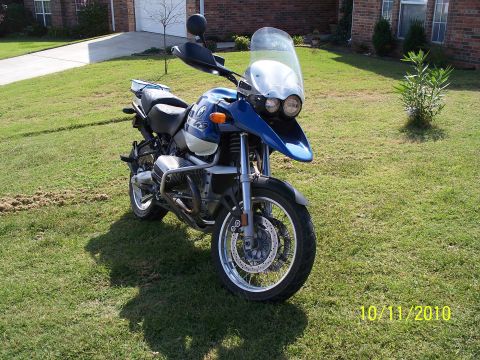
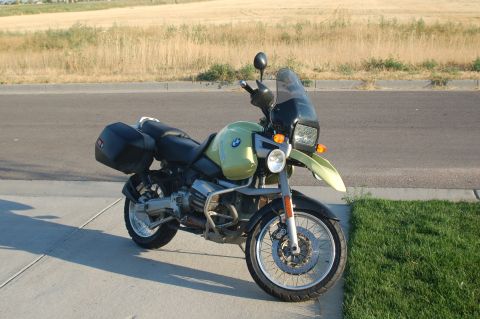
Motorrad, the motorcycle division, built its own empire in parallel. The oil-head boxer adventure bikes, the R1100GS ABS and the R1150GS ABS with its expedition-ready Adventure variant, made the GS the best-selling large motorcycle in Europe, helped by the 2004 television series Long Way Round. Single-cylinder F650 models built with Rotax and Aprilia broadened the entry point, and the R1200C ABS cruiser marked a rare failed stretch into Harley-Davidson territory, dropped in 2004. The car side closed the era with its biggest engineering wager since the Neue Klasse: the 2013 launch of the i3 city car, followed in 2014 by the i8 hybrid sports car, both built around carbon-fiber passenger cells, a multi-billion-euro bet that electrification was coming and that BMW should own the materials science first.
2013-2026: Harald Krueger, Oliver Zipse, and the Neue Klasse Name Reborn for the Electric Age
In 2025 Bayerische Motoren Werke began production of a new generation of electric vehicles it deliberately named Neue Klasse, borrowing the badge of the cars that saved the company in 1961 to signal that it considers the shift to software-defined electric cars an equivalent bet-the-company moment. The road there was uneven. The i3's early lead was allowed to lapse under chairman Harald Krueger, whose cautious tenure from 2015 to 2019 ended with his resignation amid criticism that BMW had squandered its electrification head start to Tesla; Mercedes-Benz retook the premium sales crown in 2016. His successor Oliver Zipse, a production specialist, pursued a flexibility strategy, building combustion, hybrid, and electric versions on shared lines rather than committing to a single drivetrain future, an approach criticized as hedging in 2020 and widely reassessed as prudent when EV demand growth slowed in 2024.
The company that entered its second decade past the centenary remains, structurally, what Herbert Quandt's 1959 rescue made it: an independent Munich manufacturer, roughly 2.4 to 2.5 million vehicles a year across BMW, Mini, and Rolls-Royce plus over 200,000 motorcycles, with Stefan Quandt and Susanne Klatten, Herbert's children, holding nearly half the voting stock. Spartanburg has grown into BMW's largest plant anywhere and, by BMW's own account, the largest automotive exporter by value in the United States. The through-line from the 1916 aero-engine works is unusually clean for a 110-year-old company: family control, engineering as the brand, and a habit, proven in 1923, 1961, and again with the electric Neue Klasse, of answering existential threats with a new architecture rather than a merger.
Leadership
| Leader | Tenure | Legacy |
|---|---|---|
| Karl Rapp | 1913-1917 | Founded Rapp Motorenwerke, the aircraft-engine firm that became BMW; forced out before the company took his successor's course. |
| Franz Josef Popp | 1917-1942 | First general director; steered BMW from aero engines into motorcycles (1923) and cars via the 1928 Dixi purchase, then presided over its absorption into the Nazi war economy. |
| Herbert Quandt | 1959-1982 (principal shareholder) | Blocked the 1959 sale to Daimler-Benz and recapitalized the company, financing the Neue Klasse that saved BMW. |
| Eberhard von Kuenheim | 1970-1993 (chairman of the board of management) | Longest-serving chief; multiplied turnover roughly eighteenfold, built Dingolfing, and established the 3/5/7 Series range logic. |
| Paul Bracq | 1970-1974 (design director) | Shaped the first 5 Series and 3 Series design language and the 1972 Turbo concept. |
| Claus Luthe | 1976-1990 (chief designer) | Defined the E32 7 Series, E34 5 Series, and E30/E36-era look that carried BMW through its peak sport-sedan years. |
| Bernd Pischetsrieder | 1993-1999 (chairman) | Bought Rover Group in 1994; the roughly six-billion-pound failure cost him the job but left BMW with Mini and the Rolls-Royce name. |
| Joachim Milberg | 1999-2002 (chairman) | Unwound the Rover disaster in 2000, kept Mini, and reset BMW on the premium-brand strategy that carried it through the next two decades. |
| Helmut Panke | 2002-2006 (chairman) | Expanded the range downward and into SUVs with the 1 Series and X3; BMW overtook Mercedes-Benz in 2005 to become the world's best-selling premium carmaker. |
| Chris Bangle | 1992-2009 (design chief) | Flame-surfacing design language of the E65 7 Series and its siblings; polarizing but commercially the best-selling generation of each line it touched. |
| Norbert Reithofer | 2006-2015 (chairman) | Launched Project i and the i3/i8, BMW's first purpose-built electric cars. |
| Harald Krueger | 2015-2019 (chairman) | Presided over record sales but a hesitant EV strategy; resigned in 2019. |
| Oliver Zipse | 2019-present (chairman) | Revived the Neue Klasse name for BMW's dedicated electric platform, launching from 2025. |
Timeline
| Year | Event | Detail |
|---|---|---|
| 1913 | Rapp Motorenwerke founded | Karl Rapp opens an aircraft-engine works in Munich, next door to Gustav Otto's aircraft factory. |
| 1916 | BMW founding date | March 7, 1916: Bayerische Flugzeugwerke is registered, the date BMW counts as its founding. |
| 1917 | BMW name adopted | Rapp Motorenwerke is renamed Bayerische Motoren Werke under general director Franz Josef Popp. |
| 1919 | Versailles ban | The Treaty of Versailles forbids German aircraft-engine production, forcing BMW to seek new products. |
| 1923 | R 32 motorcycle | BMW's first motorcycle pairs a boxer twin with shaft drive, a layout its R-series bikes still use. |
| 1928 | Dixi purchase | In November, BMW buys Fahrzeugfabrik Eisenach and its Dixi 3/15, a licensed Austin Seven, becoming a car maker. |
| 1936 | 328 sports car | The BMW 328 wins its class at the Nürburgring on debut and later the 1940 Mille Miglia, run that year as the shortened Brescia Grand Prix. |
| 1939-1945 | War production | BMW builds aero engines for the Luftwaffe using forced and concentration-camp labor, a record the company has publicly acknowledged. |
| 1948 | R 24 restarts production | The first postwar BMW motorcycle emerges from a Munich plant stripped by occupation authorities. |
| 1955 | Isetta license | BMW builds the Iso-licensed Isetta bubble car, its cash lifeline through the late 1950s. |
| 1959 | Quandt rescue | At the December shareholders' meeting a Daimler-Benz takeover collapses; Herbert Quandt recapitalizes BMW instead. |
| 1962 | Neue Klasse 1500 | Shown at Frankfurt in 1961 and on sale in 1962, the four-door 1500 sedan establishes the sporting-sedan formula that defines BMW to this day. |
| 1966 | 02 Series | The 1600-2, and the 2002 that followed in 1968, brings the Neue Klasse formula to a compact two-door and cracks the American market. |
| 1970 | Von Kuenheim era begins | Eberhard von Kuenheim becomes chairman at 41 and runs BMW for 23 years. |
| 1972 | BMW Motorsport GmbH; 5 Series launch | The M division is founded and the E12 5 Series opens the numbered-series naming system. |
| 1973 | Four-cylinder headquarters | Karl Schwanzer's tower opens in Munich beside the new Olympic park. |
| 1975 | 3 Series introduced | The E21 replaces the 02 Series and becomes the best-selling BMW line ever. |
| 1977 | 7 Series introduced | The E23 flagship completes the 3/5/7 range architecture. |
| 1978 | M1 supercar | BMW Motorsport's mid-engined M1 is the first car to wear the M badge alone. |
| 1983 | K100 launched | The K100RS and its inline-four "flying brick" siblings reinvent the BMW motorcycle beyond the boxer twin. |
| 1985 | First M5 | The E28 M5, hand-built around the M1's engine, creates the super-sedan category. |
| 1986 | M3 introduced | The E30 M3 homologation special becomes the most successful touring car of its era. |
| 1994 | R1100GS and the modern GS | The oilhead boxer generation, including the R1100GS, builds the adventure-bike segment BMW still dominates. |
| 1994 | Rover purchase; Spartanburg opens | BMW buys Rover Group for 800 million pounds and opens its first full US plant in South Carolina. |
| 1995 | Z3 roadster | The first Spartanburg-built BMW debuts in the Bond film GoldenEye. |
| 1998 | Rolls-Royce name secured; M Coupe | BMW wins the rights to the Rolls-Royce car marque from 2003; the clamshell Z3 M Coupe ships the same year. |
| 1999 | X5 introduced | BMW's first SUV, built at Spartanburg, opens the model family that now anchors its profits. |
| 2000 | Rover sold; Z8 | BMW disposes of Rover for a token ten pounds, keeping Mini, while the 507-inspired Z8 tops the range. |
| 2001 | New Mini launched | The BMW-engineered Mini hatchback becomes the lasting prize of the Rover episode. |
| 2001 | E65 7 Series | Chris Bangle's flame-surfaced flagship and iDrive polarize critics but outsell every 7 Series before it. |
| 2002 | Z4 introduced | The Z3's successor carries the new design language onto a roadster. |
| 2013 | i3 launch | BMW's carbon-fiber-bodied electric city car opens the i sub-brand. |
| 2019 | Zipse takes over | Oliver Zipse replaces Harald Krueger as chairman amid criticism of a slow EV transition. |
| 2021 | Neue Klasse announced | BMW revives its 1962 savior's name for a dedicated electric-vehicle architecture. |
| 2025 | iX3 on Neue Klasse platform | The first Neue Klasse production car begins the electric relaunch from the new Debrecen plant. |
Asked all the time
Who founded BMW?
BMW traces to Karl Rapp's Rapp Motorenwerke (1913) and Gustav Otto's aircraft works in Munich, with financier Camillo Castiglioni and managing director Franz Josef Popp shaping the company that took the Bayerische Motoren Werke name in 1917. The official founding date is March 7, 1916.
Is BMW still in business?
Yes. BMW AG remains an active, independent multinational headquartered in Munich, building luxury cars and motorcycles and owning the Mini and Rolls-Royce car brands.
Why did BMW almost go under in 1959?
Postwar BMW lost money on a range split between bubble cars and expensive V8 sedans. At the December 1959 shareholders' meeting a rescue-by-takeover from Daimler-Benz was on the table; small shareholders and dealers revolted, and Herbert Quandt instead recapitalized the company, whose family remains the largest shareholder.
Why did BMW stop building aircraft engines?
The Treaty of Versailles banned German aircraft-engine production after World War I, forcing BMW into railway brakes, then motorcycles in 1923 and cars in 1928. It returned to aero engines in the 1930s and built them through World War II.
Who owns BMW today?
BMW is publicly traded, but the Quandt family, through Stefan Quandt and Susanne Klatten, holds a combined stake of roughly 47 percent, dating to Herbert Quandt's 1959 rescue.
What does BMW stand for?
Bayerische Motoren Werke, German for Bavarian Motor Works, a name adopted in 1917 when Rapp Motorenwerke was renamed.
Did BMW use forced labor during World War II?
Yes. BMW built Luftwaffe aero engines using forced and concentration-camp labor during the Nazi era, a record the company has publicly acknowledged and documented in its own commissioned history.
How did BMW end up owning Mini and Rolls-Royce?
BMW bought Rover Group in 1994, sold most of it in 2000 after roughly six billion pounds in losses, but kept Mini and relaunched it in 2001. Separately, in 1998 BMW secured the rights to the Rolls-Royce car marque, building Rolls-Royce cars from 2003.
The wall
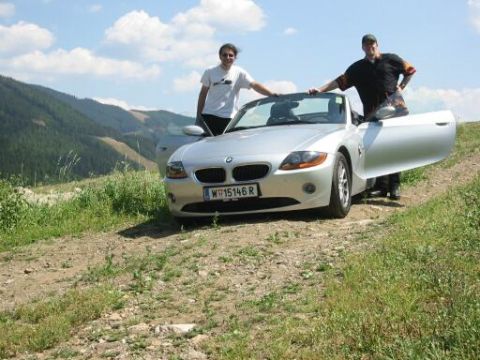
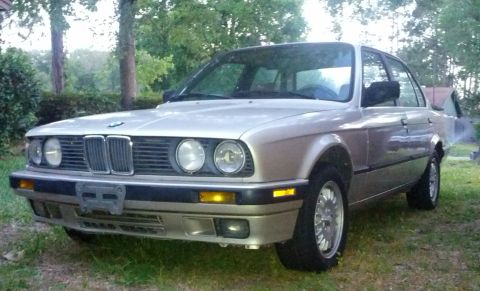
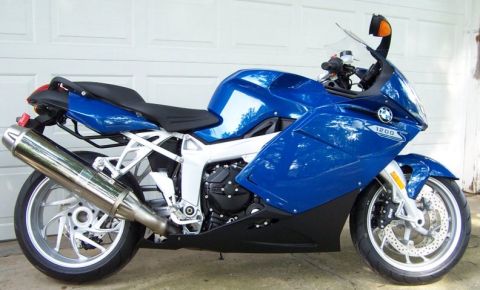
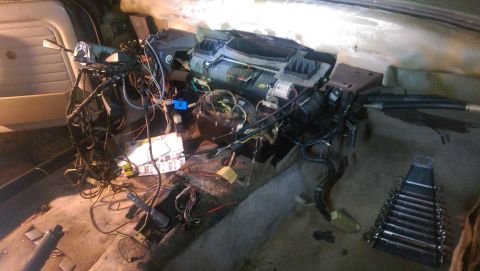
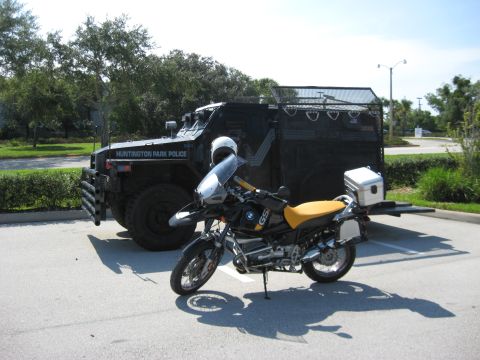
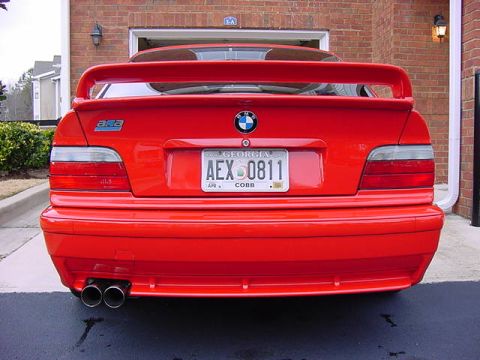
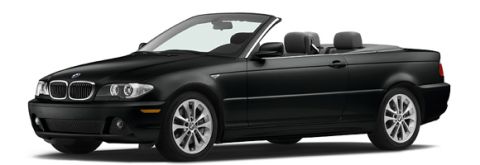
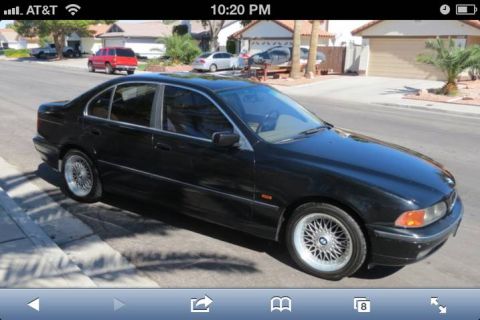
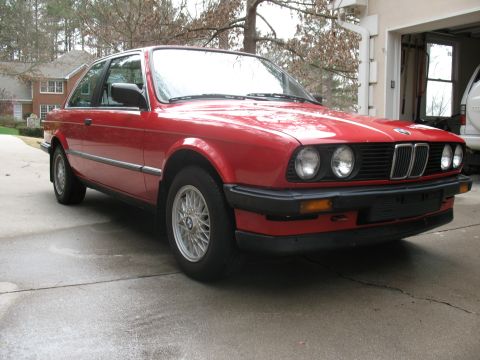
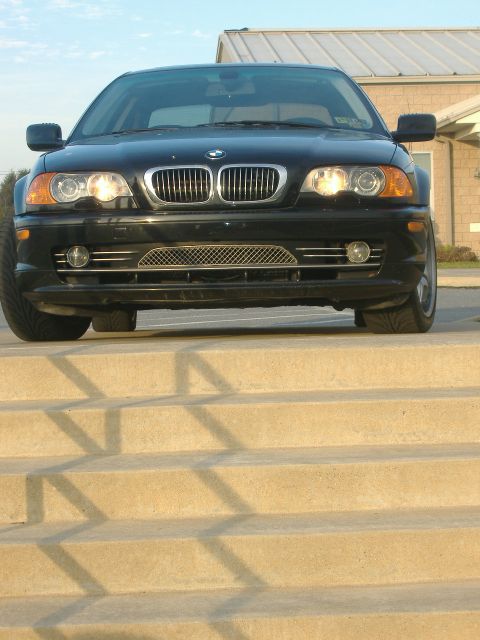
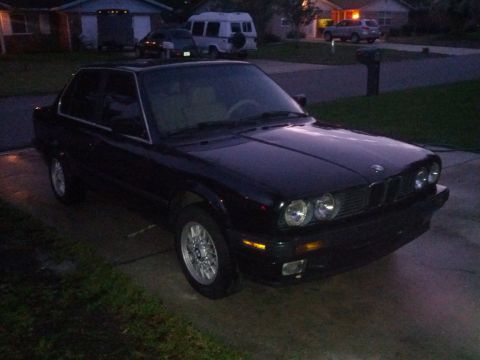
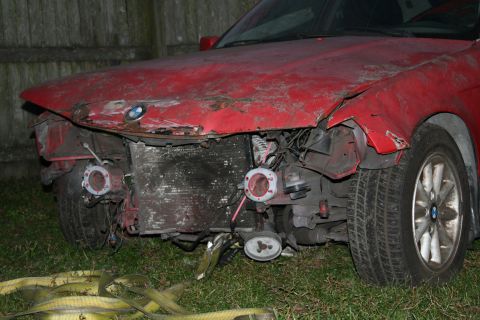
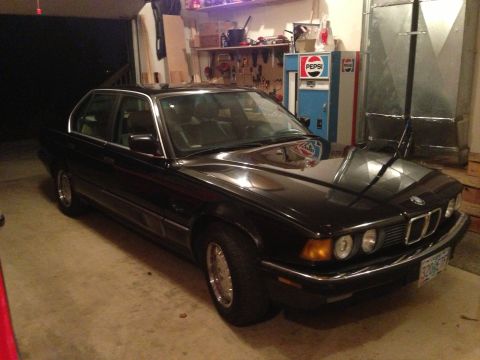
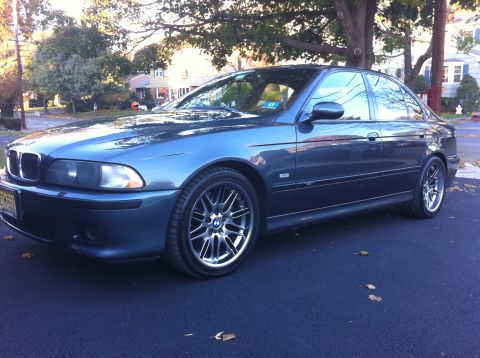
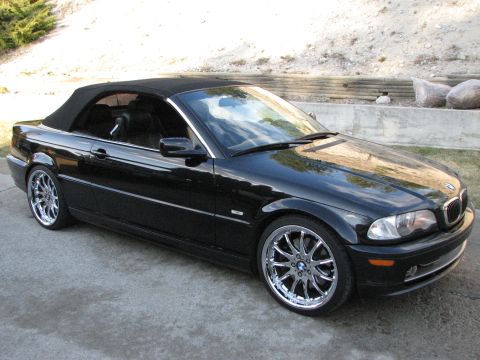
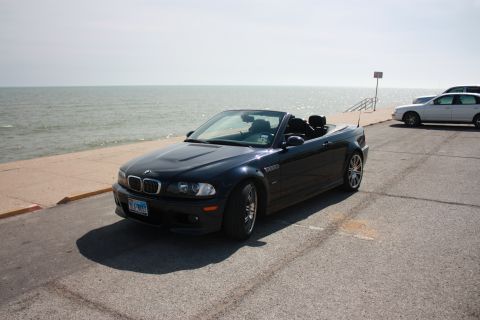
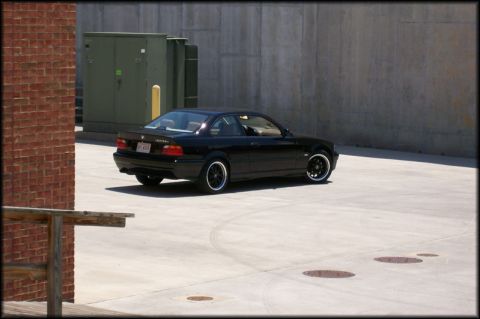
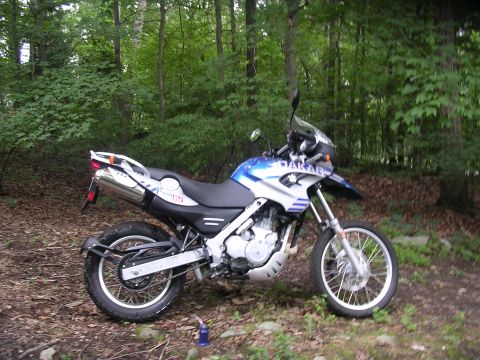
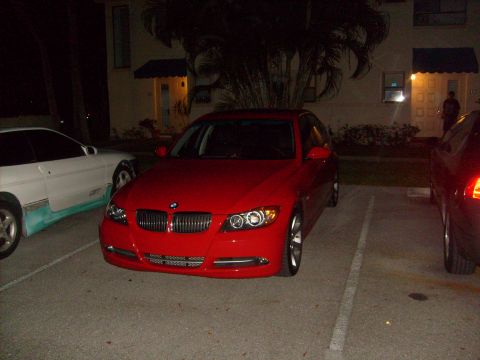
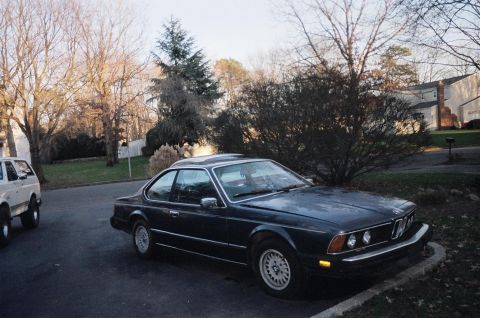
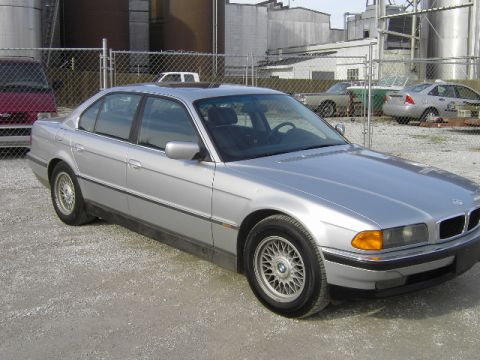
The most-documented BMW vehicles in the registry, every photo by the owner.