Home/
Registry/
Ford/
Ranchero/
1977-1979/
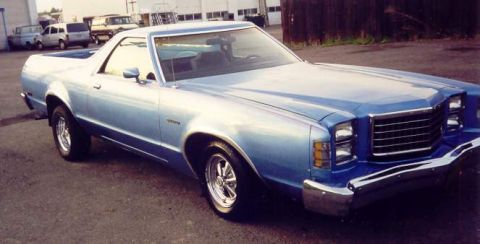
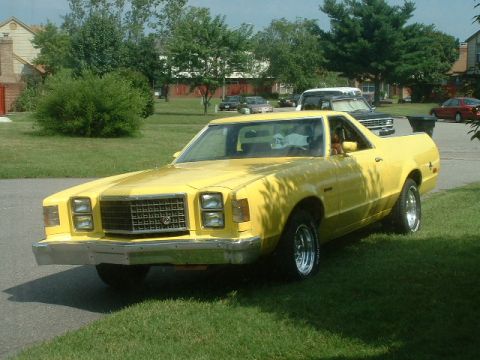
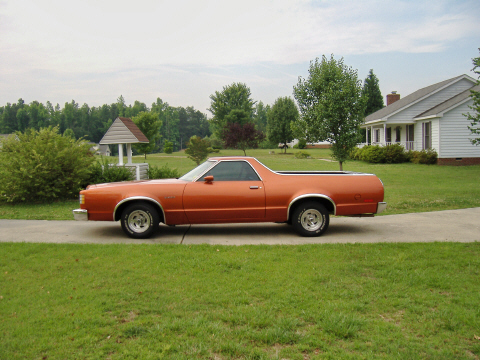
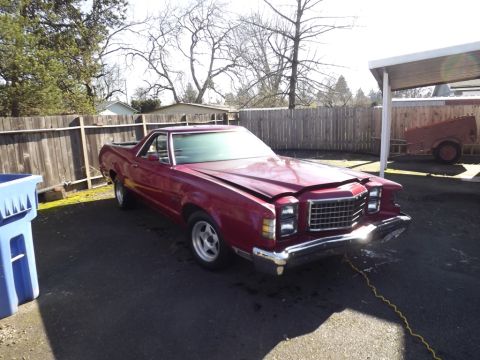
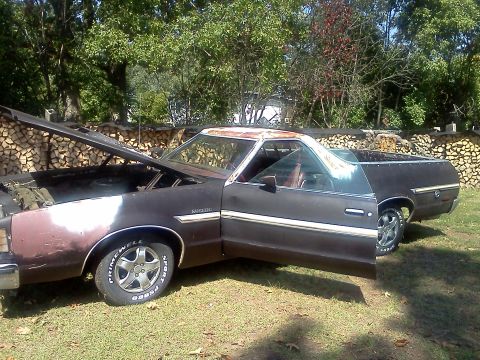
1979 Ford Ranchero/
Photo
supermotors.net/registry/media/1145920
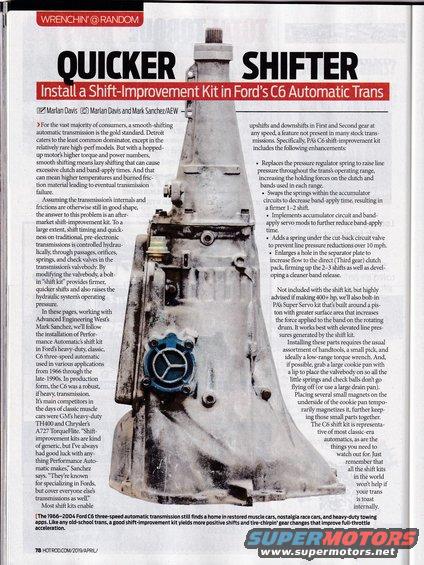
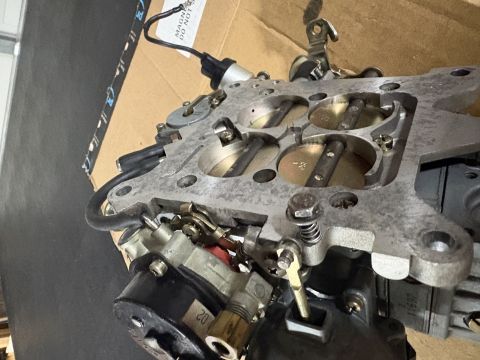
Article detailing a shift-improvement kit for Ford's C6 automatic transmission, a close-up of the transmission itself.
WRENCHIN @ RANDOM ) For the vast majority of consumers, a smooth-shifting automatic transmission is the gold standard. Detroit caters to the least common dominator, except in the relatively rare high-perf models. But with a hopped- up motors higher torque and power numbers, smooth shifting means lazy shifting that can cause excessive clutch and bandapply times. And that can mean higher temperatures and burned fric tion material leading to eventual transmission a failure. A Assuming the transmissions internals and frictions are otherwise still in good shape, the answer to this problem is an after market shiftimprovement kit. To a large extent, shift timing and quick ness on traditional, prevelectronic transmissions is controlled hydrau lically, through passages, orices, springs, and check valves in the transmissions valvebody. By modifying the valvebody, a bolt in shift kit provides rmer, quicker shifts and also raises the hydraulic systems operating pressure. In these pages, working with Advanced Engineering Wests Mark Sanchez, well follow the installation of Perfor- mance Automatics shift kit in Fords heavyduty, classic, C6 three~speed automatic used in various applications from 1966 through the late: 1990s. In production form, the C6 was a robust, if heavy, transmission. Its main competitors in the days of classic muscle cars were GMs heavy-duty TH400 and Chryslers A727 TorqueFlite. Shifte improvement kits are kind of generic, but Ive always had good luck with any thing Performance Auto- matic makes, Sanchez says. Theyre known for specializing in Fords, but cover everyone elses transmissions as well Most shift kits enable upshifts and downshifts in First and Second gear at any speed, a feature not present in many stock trans- missions. Specically, PAs C6 shift-improvement kit includes the following enhancements: . Replaces the pressure regulator spring to raise line pressure throughout the transs operating range, increasing the holding forces on the clutch and bands used in each range. . Swaps the springs within the accumulator circuits to decrease bandapply time, resulting in a firmer 12 shift. . Implements accumulator circuit and band apply servo mods to further reduce bandapply time. . Adds a spring under the cutback circuit valve to prevent line pressure reductions over 10 mph. - Enlarges a hole in the separator plate to increase ow to the direct (Third gear) clutch pack, rming up the 23 shifts as well as devel oping a cleaner band release. Not included with the shift kit, but highly advised if making 400+ hp, well also boltin PAs Super Servo kit thats built around a pis- ton with greater surface area that increases the force applied to the band on the rotating drum. It works best with elevated line prese sures generated by the shift kit. Installing these parts requires the usual assortment of handtools, a small pick, and ideally a lowrange torque wrench. And, if possible, grab a large cookie pan with a lip to place the valvebody on so all the little springs and check balls dont go ying off (or use a large drain pan). Placing several small magnets on the underside of the cookie pan tempo rarily magnetizes it, further keepe ing those small parts together. The C6 shift kit is representa tive of most classiceera automatics, as are the things you need to watch out for. Just remember that all the shift kits . l in the world . a 5' wont help if f? " T if! w your trans ' ' ' f is toast internally. [The 19662004 Ford C6 three-speed automatic transmission still finds a home in restored muscle cars, nostalgia race cars, and heavy-duty towing apps. Like any old-school trans, a good shift-improvement kit yields more positive shifts and tire-chirpin' gear changes that improve full-throttle acceleration. 78 HOTROD.COM/20l9/APR|L/
Comments
More from this build

No comments yet.