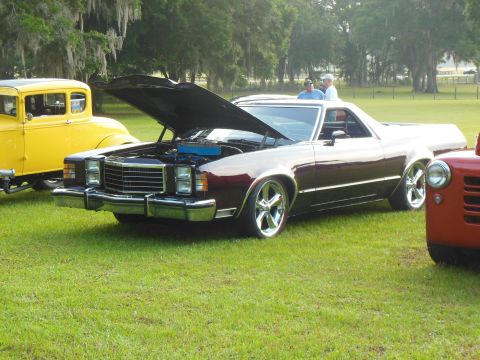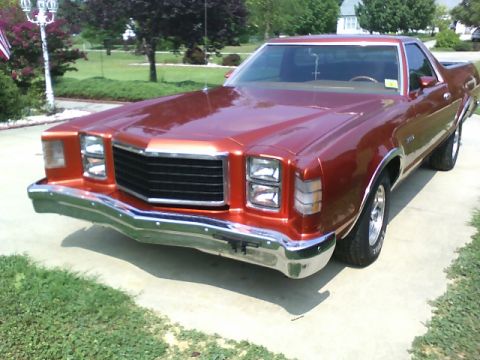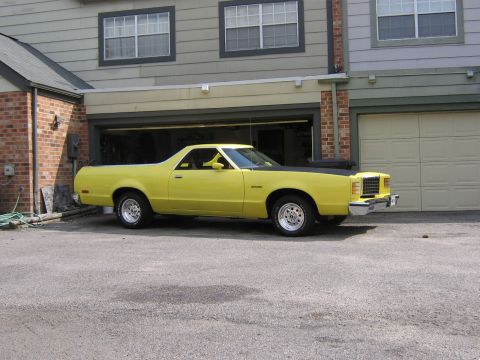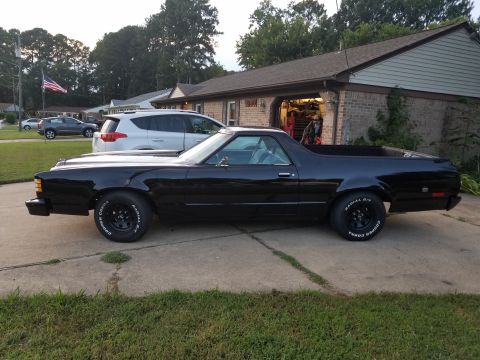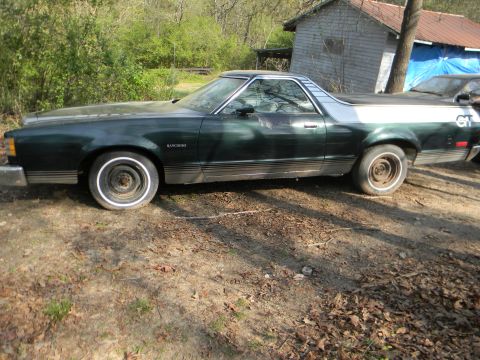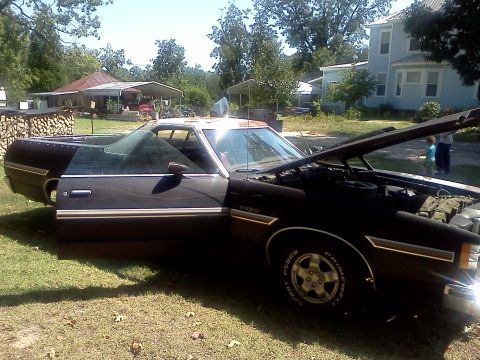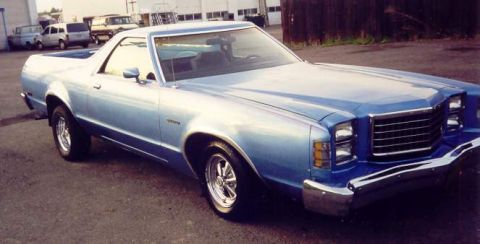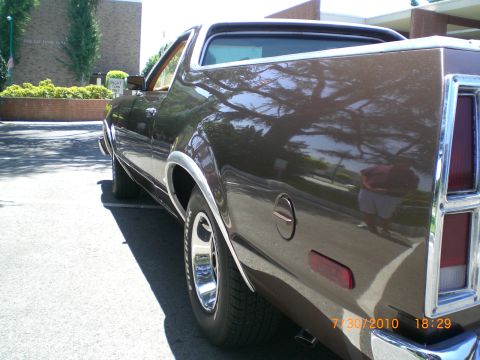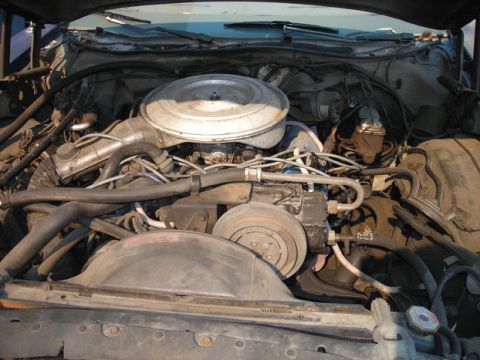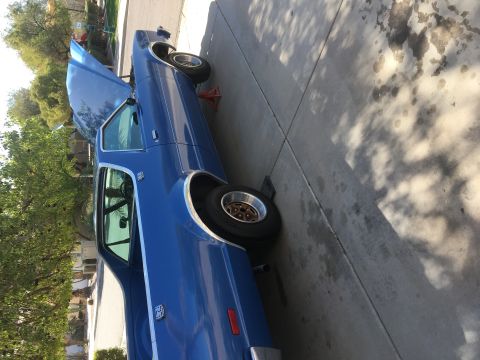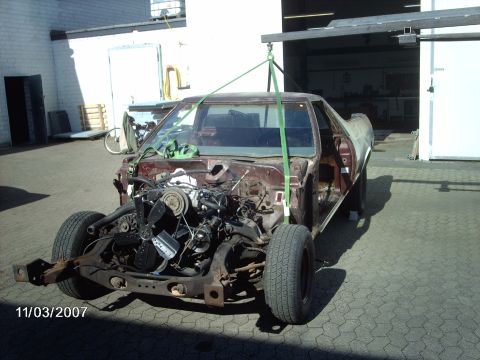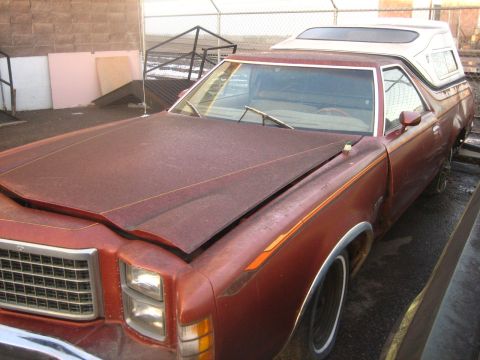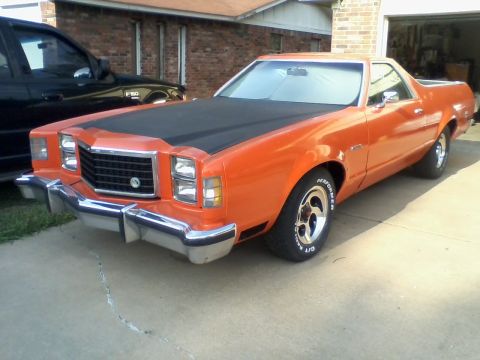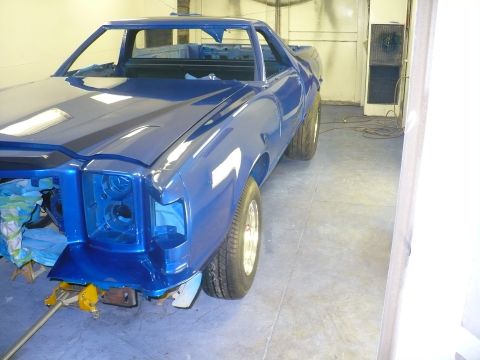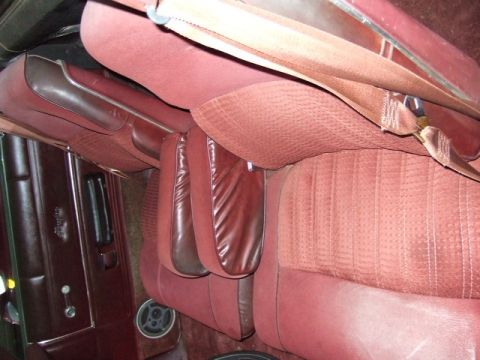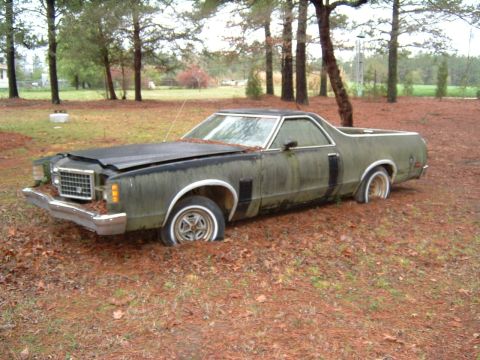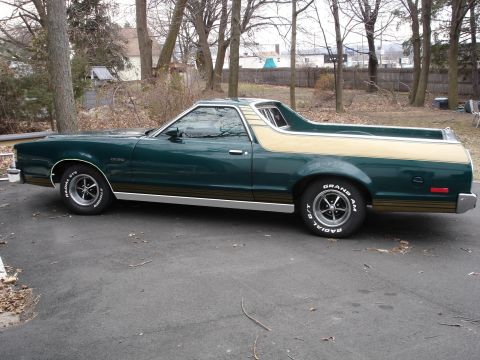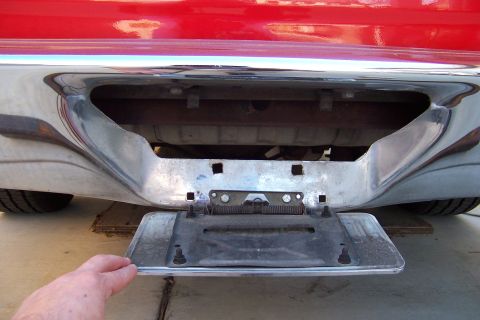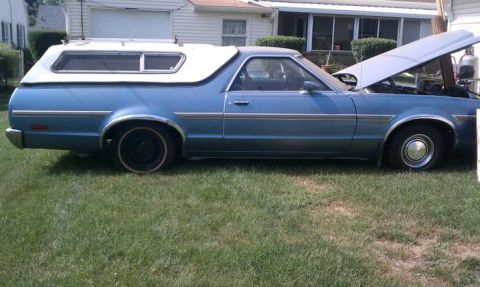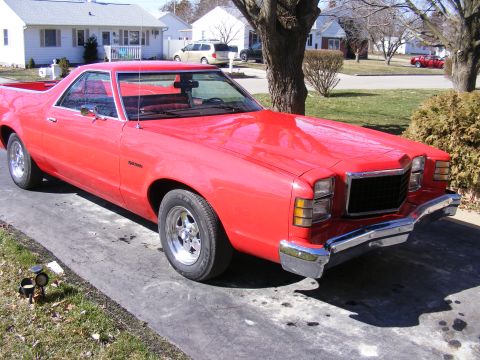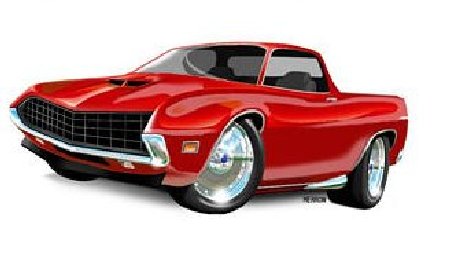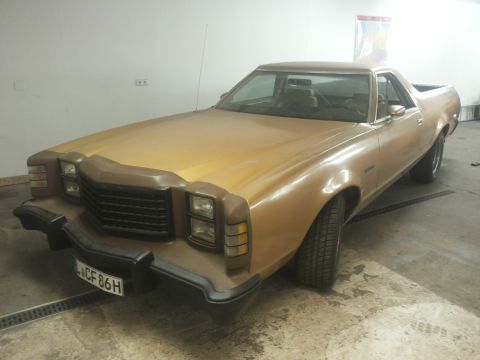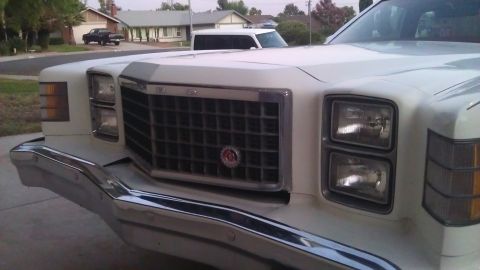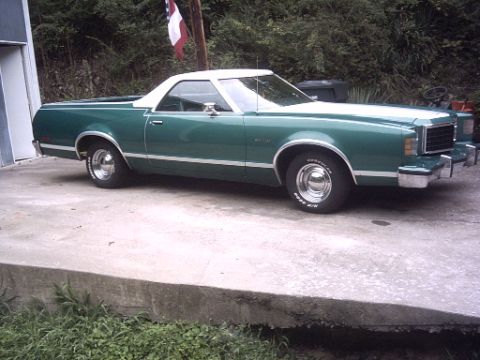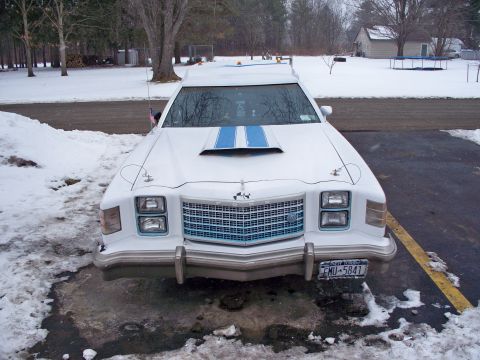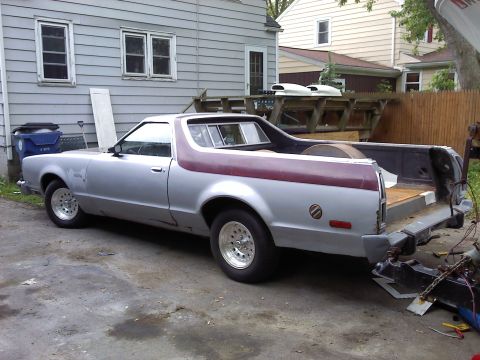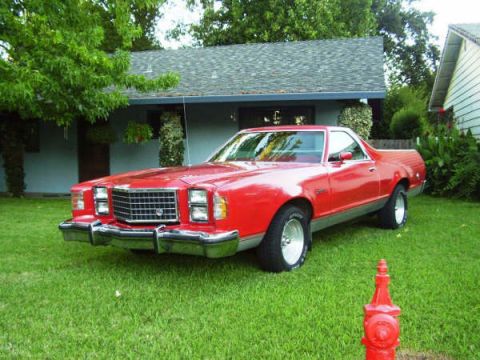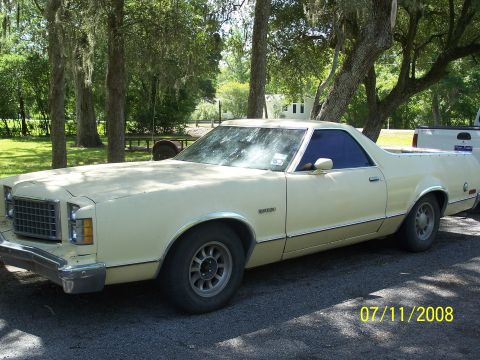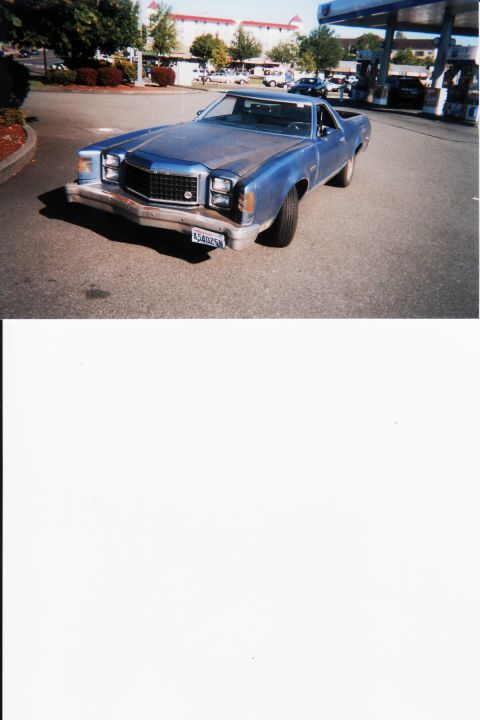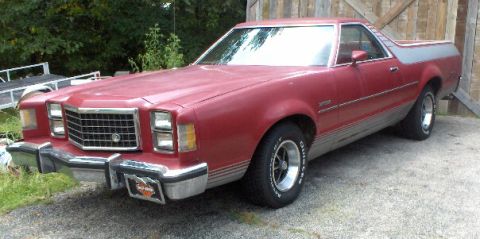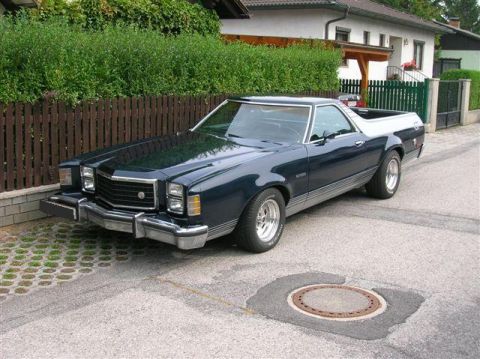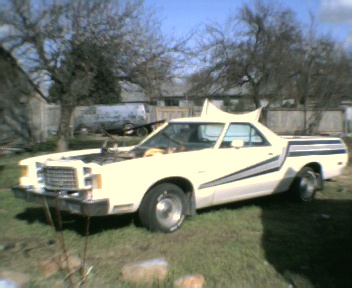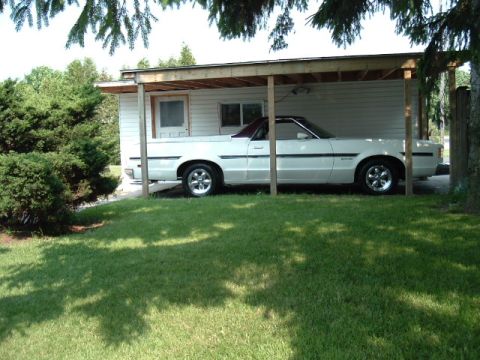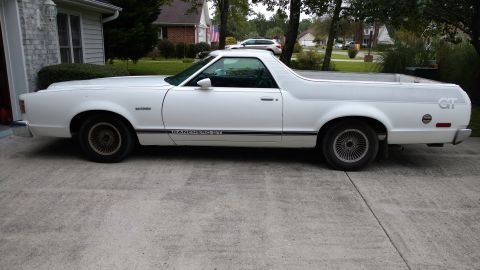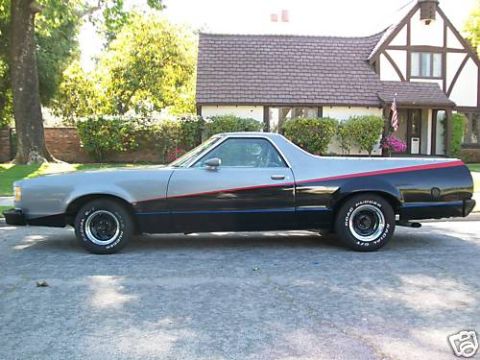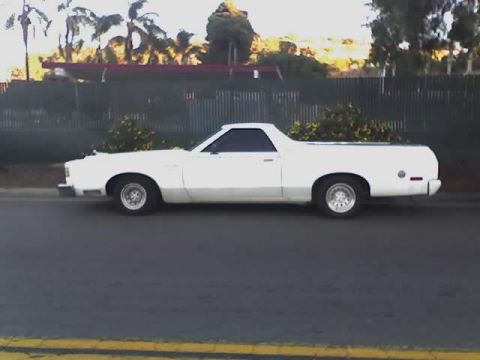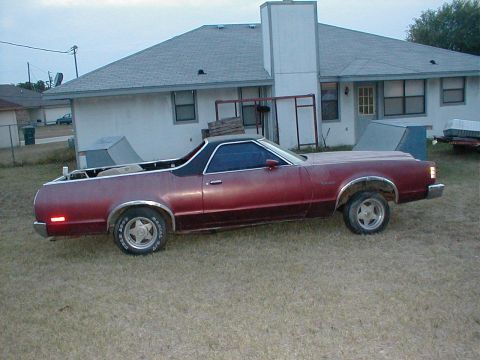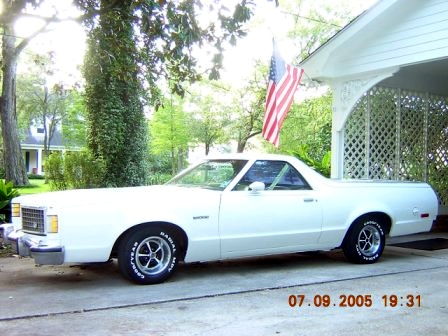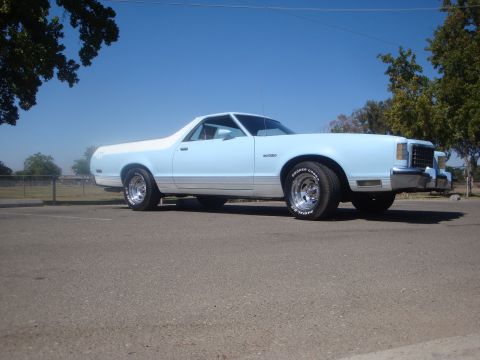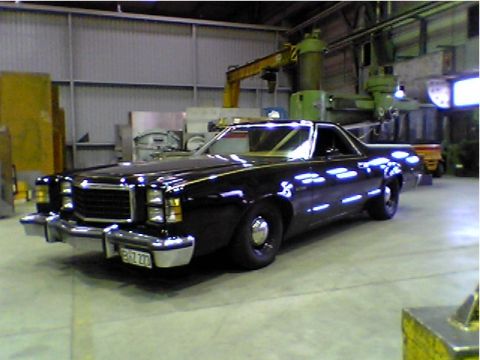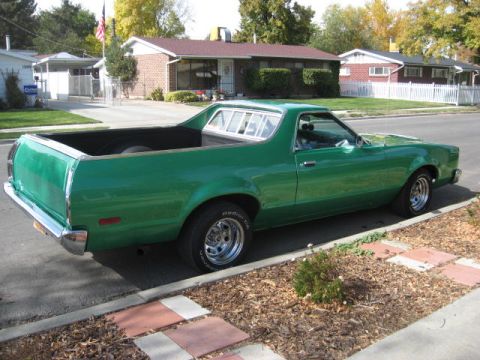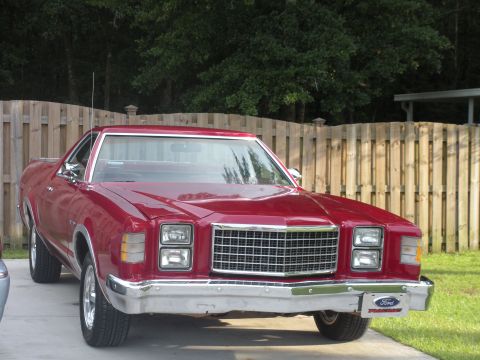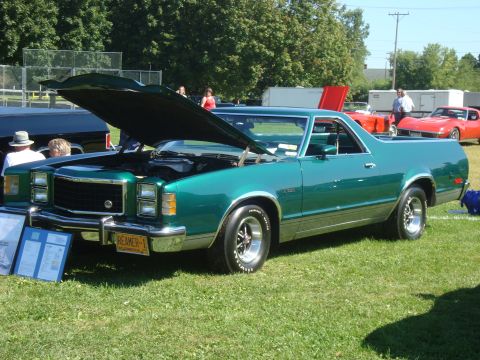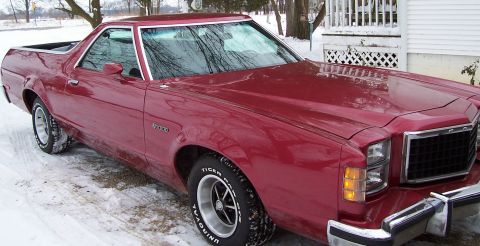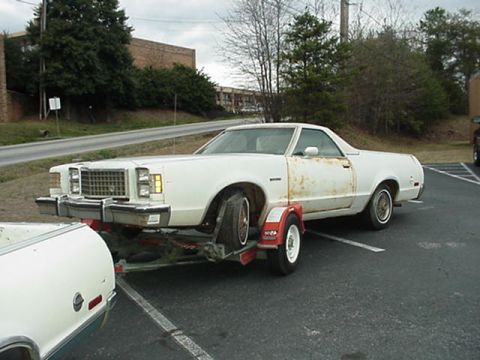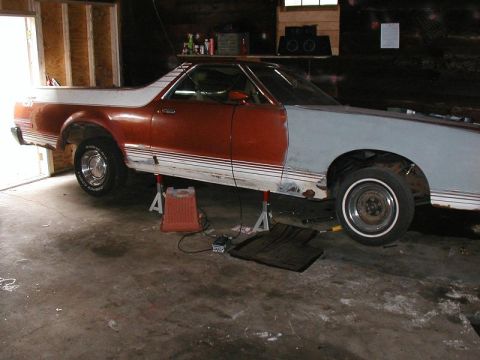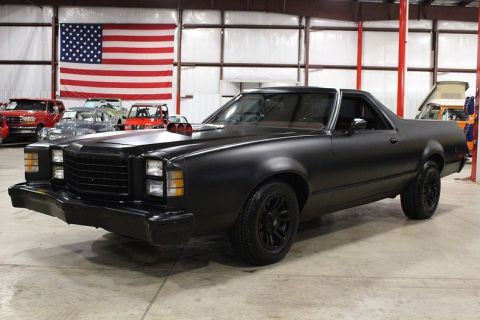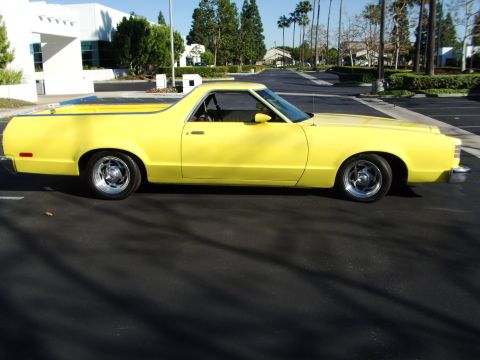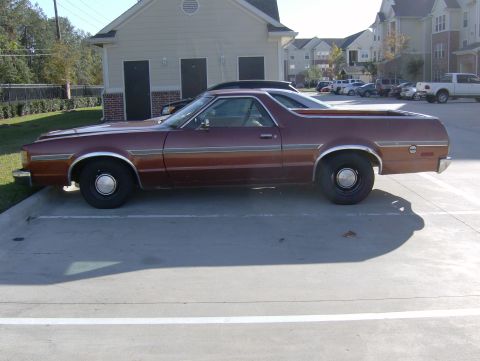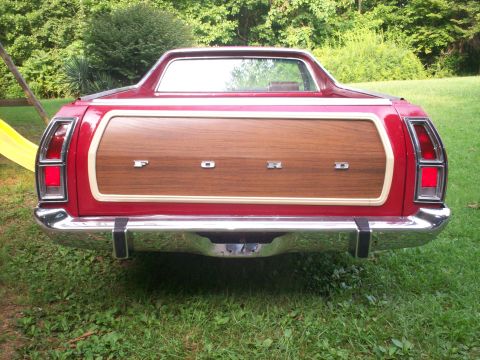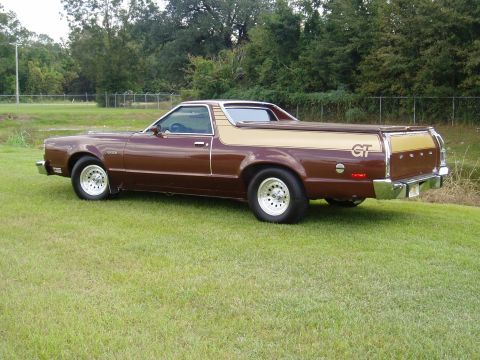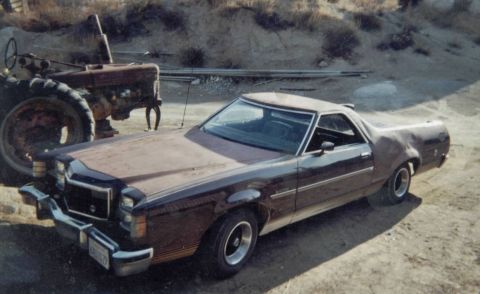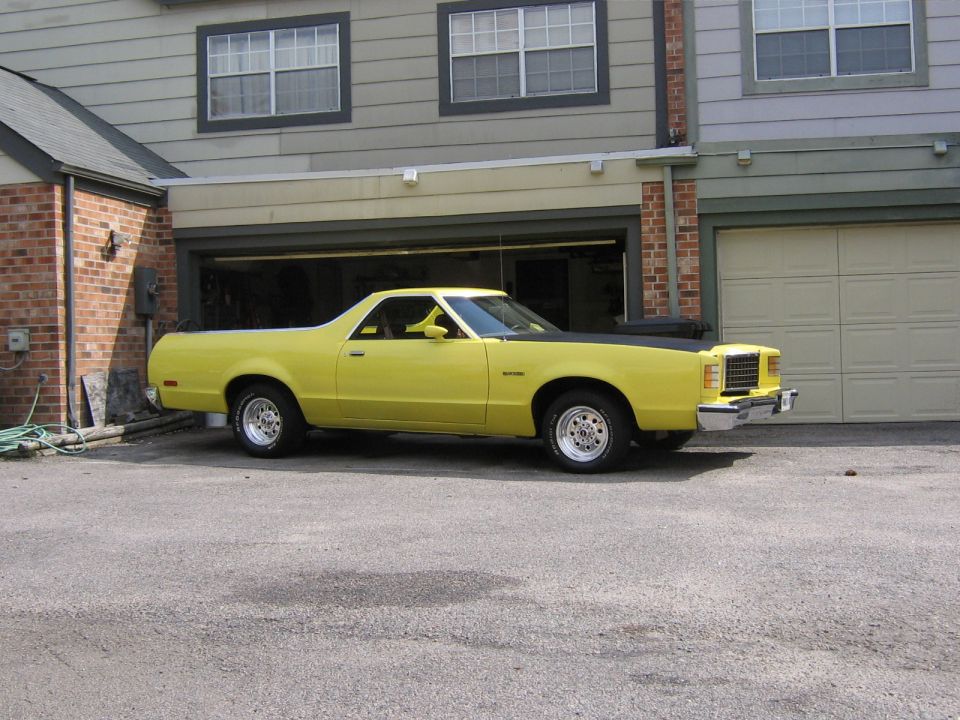
The 1977 Ford Ranchero moved onto the LTD II, the renamed and restyled intermediate that replaced the Gran Torino, making this the final Ranchero generation. The LTD II kept body-on-frame construction on a 118-inch wheelbase, similar in size to the outgoing Gran Torino Ranchero. This generation was V8 only, with no inline-six offered. For 1977 and 1978 Ford listed three V8s, all with two-barrel carburetors: the 302 as the base engine with the 351M and the 400 optional. For 1979, the final year, the lineup narrowed to two engines, the 302 and the 351M, paired with three-speed automatic transmissions only, and the 400 was dropped. All horsepower figures are SAE net, the standard used since 1972. The three established trim levels carried over: the appearance-oriented Ranchero GT with graphics and white-letter tires, the woodgrain Ranchero Squire, and the base Ranchero 500. Ford ended Ranchero production after the 1979 model year, when the LTD II platform itself was discontinued, closing out the nameplate after a 1957-1979 run and 508,355 total units.
Other Ford Ranchero generations
The 1977-1979 Ford Ranchero at a glance
- Generation: the LTD II Ranchero, the final generation, on the platform that replaced the Gran Torino
- Platform: LTD II, body-on-frame, 118-inch wheelbase
- Years: 1977 through 1979, the last Ford Ranchero; production ended after 1979
- Engines: V8 only, no inline-six; 302 base with 351M and 400 optional (1977-1978), narrowing to 302 and 351M for 1979
- Transmission, 1979: three-speed automatic only, no manual offered
- Horsepower: rated SAE net, the standard since 1972
- Trim levels: Ranchero GT (graphics, white-letter tires), woodgrain Ranchero Squire, base Ranchero 500
- Total production (all generations): 508,355 units across 1957-1979
Ford Ranchero 1977-1979 year by year
| Year | Ford Ranchero changes | Engines offered (SAE net) |
|---|---|---|
| 1977 | The Ford Ranchero moves onto the new LTD II platform, body-on-frame on a 118-inch wheelbase; V8 only with three two-barrel V8s | 302 V8 (base); 351M V8; 400 V8 |
| 1978 | The LTD II Ranchero continues with the same three V8s; offered as the GT, Squire, and 500 | 302 V8 (base); 351M V8; 400 V8 |
| 1979 | Final model year of the Ford Ranchero; the lineup narrows to the 302 and 351M with the 400 dropped, all with three-speed automatics; production ends after 1979 | 302 V8; 351M V8 |
The move to the LTD II platform
For 1977 Ford replaced the Gran Torino with the LTD II, a renamed and restyled intermediate, and the Ford Ranchero moved onto that platform for its final generation. The LTD II retained body-on-frame construction on a 118-inch wheelbase, keeping the Ranchero close in size to the outgoing Gran Torino truck. The 1977-1979 Rancheros are the last of the nameplate, and they share their underpinnings and front-end styling with the LTD II passenger cars of the same years.
Engines of the 1977-1979 Ford Ranchero
The 1977-1979 Ford Ranchero was V8 only; no inline-six was offered in this generation. For 1977 and 1978 Ford listed three V8s, all fitted with two-barrel carburetors: the 302 as the base engine, with the 351M and the 400 optional. For the final 1979 model year the lineup narrowed to two engines, the 302 and the 351M, and the 400 was dropped, with three-speed automatic transmissions only. All horsepower figures from this generation are SAE net, the rating standard the industry had used since 1972, and reflect the emissions tuning of the late 1970s. Because the Ranchero shared the LTD II's drivetrain, its engines matched the LTD II passenger cars.
The GT, Squire, and 500
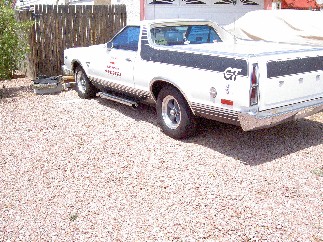
The 1977-1979 Ford Ranchero offered the three established trim levels. The Ranchero GT was the appearance-oriented model with sporty graphics and white-letter tires. The Ranchero Squire wore simulated woodgrain side paneling in the manner of Ford's Country Squire wagons. The Ranchero 500 was the base grade. These same three names had carried through the Torino and Gran Torino generations, so the LTD II Rancheros closed out the nameplate with a familiar trim ladder.
The end of the Ford Ranchero
Ford ended the Ford Ranchero after the 1979 model year. The LTD II platform that underpinned the final generation was itself discontinued, and Ford did not develop a replacement coupe utility, so 1979 was the last year for the nameplate. Total Ranchero production across the entire 1957 to 1979 run was 508,355 units. The Chevrolet El Camino, the rival that Chevrolet had introduced for 1959 in response to the Ranchero, outlived it and continued into the late 1980s.
Frequently asked questions
What generation is the 1977-1979 Ford Ranchero?
The 1977-1979 Ford Ranchero is the final generation, built on the LTD II platform that replaced the Gran Torino. It used body-on-frame construction on a 118-inch wheelbase and was the last Ranchero before Ford ended the nameplate after 1979.
What engines did the 1977-1979 Ford Ranchero use?
The 1977-1979 Ford Ranchero was V8 only. For 1977 and 1978 it offered the 302 as the base engine with the 351M and 400 optional, all two-barrel V8s. For 1979 the lineup narrowed to the 302 and 351M with the 400 dropped. All figures are SAE net, the standard since 1972.
Did the 1977-1979 Ford Ranchero offer an inline-six?
No. The 1977-1979 Ford Ranchero was V8 only, with no inline-six offered in the final LTD II generation. The base engine was the 302 V8, and the larger V8s were optional.
When did the Ford Ranchero end production?
Ford ended Ranchero production after the 1979 model year, when the LTD II platform underpinning the final generation was discontinued. Ford offered no direct replacement, and total Ranchero production across 1957-1979 was 508,355 units.
What platform is the final Ford Ranchero based on?
The final 1977-1979 Ford Ranchero is based on the LTD II, the renamed and restyled intermediate that replaced the Gran Torino for 1977. It kept body-on-frame construction on a 118-inch wheelbase, similar in size to the previous Gran Torino Ranchero.
Sources
- Wikipedia, Ford Ranchero (LTD II generation) and Ford LTD II
- Hagerty Media, Seven generations of the Ford Ranchero
- Mac's Motor City Garage, Last of the Breed: 1979 Ford Ranchero
- The Truth About Cars, Junkyard Find: 1977 Ford Ranchero GT Brougham
- Ford factory specification literature for the 1977-1979 LTD II
Asked all the time
What generation is the 1977-1979 Ford Ranchero?
The 1977-1979 Ford Ranchero is the final generation, built on the LTD II platform that replaced the Gran Torino. It used body-on-frame construction on a 118-inch wheelbase and was the last Ranchero before Ford ended the nameplate after 1979.
What engines did the 1977-1979 Ford Ranchero use?
The 1977-1979 Ford Ranchero was V8 only. For 1977 and 1978 it offered the 302 as the base engine with the 351M and 400 optional, all two-barrel V8s. For 1979 the lineup narrowed to the 302 and 351M with the 400 dropped. All figures are SAE net, the standard since 1972.
Did the 1977-1979 Ford Ranchero offer an inline-six?
No. The 1977-1979 Ford Ranchero was V8 only, with no inline-six offered in the final LTD II generation. The base engine was the 302 V8, and the larger V8s were optional.
When did the Ford Ranchero end production?
Ford ended Ranchero production after the 1979 model year, when the LTD II platform underpinning the final generation was discontinued. Ford offered no direct replacement, and total Ranchero production across 1957-1979 was 508,355 units.
What platform is the final Ford Ranchero based on?
The final 1977-1979 Ford Ranchero is based on the LTD II, the renamed and restyled intermediate that replaced the Gran Torino for 1977. It kept body-on-frame construction on a 118-inch wheelbase, similar in size to the previous Gran Torino Ranchero.
Technical Reference
Member-uploaded diagrams & documents for this generation. AI-classified; community-verified where badged.
Data/Spec Plates (7)
- Ford Brake Booster Applications & Control Valve Usage Chart - Ranchero, LTD IIThis is a page (12-01-33) from a Ford factory shop manual section titled 'General Hydraulic Brake Service.' It contains two reference tables. The first, 'Brake Booster Applications,' lists brake booster types and sizes…
- Ford certification label dated 09-78: GVWR 5501 LB, front GAWR 2902 LB, HR78-14B tires on 14X6JJ rims, VIN 9H47F113682, type TRUCK, body 97D.
- Ford certification label dated 08/75: GVWR 5774, GAWR front 2939 rear 3022, VIN 5A48S173676, type TRUCK, body 97R, color 4V, trim CG, axle 6.
- Ford certification label for a 1979 Ranchero dated 09-78: GVWR 5501 LB, front GAWR 2902 LB, HR78-14 tires, VIN 9H47F113682, truck, body 97D.
- Ford Motor Co. certification label dated 08/75: GVWR 5774, GAWR front 2939 and rear 3022, VIN 5A48S173676, truck, body 97R, trim CG, axle 6.
- Ford certification label on a red jamb dated 09-78 with GVWR 5501 lb, HR78-14 tires at 28 and 32 PSI cold, VIN 9H47F113682 and body code 97D.
- Ford door-jamb label dated 09-78: GVWR 5501 lb, front GAWR 2902 lb, rear 2663 lb, HR78-14 tires on 14X6JJ rims, VIN 9H47F113682, TYPE TRUCK.
Service Procedures (6)
- Magazine walkthrough of the Performance Automatic 1967-1976 Ford C6 shift improvement kit (PN PA36417), steps 01 to 07 removing the pan and valvebody.
- Ford C6 Transmission Shift Kit Install: Separator Plate, Servo & Band AdjustmentThis is page 81 of the April 2019 issue of Hot Rod magazine, part of a step-by-step service article covering the rebuild/shift-kit upgrade of a Ford C6 automatic transmission. Steps 17-25 are shown with photos and…
- Ford C6 Valvebody Install & Torque Specs - Hot Rod April 2019 Shift Kit GuideThis is page 82 from the April 2019 issue of Hot Rod magazine ('Wrenchin' @ Random' section), covering the final steps of a Ford C6 automatic transmission valvebody/shift-improvement kit installation. Captions 26-28…
- Ford A/C Suction Throttling Valve Diagram & R-12 Discharge Procedure (Shop Manual)This is page 36-32-7 from a Ford factory shop manual section titled 'A/C General Service: Refrigerant Systems.' The top of the page presents Figure 10, an exploded cutaway diagram of the suction throttling valve (STV)…
- Ford C6 Transmission Valvebody Shift Kit Install Guide - Hot Rod April 2019This is page 80 from the April 2019 issue of Hot Rod magazine (HOTROD.COM/2019/APRIL), from the "Wrenchin' @ Random" section. It is one page of a step-by-step service procedure (steps 08-16) covering the installation…
- Ford C6 Automatic Shift Kit Install - Hot Rod April 2019 'Quicker Shifter' ArticleThis is page 78 of the April 2019 issue of Hot Rod magazine (HOTROD.COM), a 'Wrenchin' @ Random' article titled 'Quicker Shifter: Install a Shift-Improvement Kit in Ford's C6 Automatic Trans' by Marlan Davis, with…
Wiring Diagrams (4)
- 1975-76 Ford Torino/Elite/Thunderbird & Cougar A/C-Heater Wiring DiagramThis is a scanned page (section 36-45-9) from a Ford factory shop manual showing FIG. 7, the Manual A/C-Heater Electrical System Wiring Diagram for the Mercury Montego and Cougar, Ford Torino, Elite, and Thunderbird…
- 1975-76 Ford Torino, Cougar, Elite, T-Bird Manual A/C-Heater Wiring DiagramThis is a scanned page (section 36-45-9) from a Ford factory service manual showing 'FIG. 7 Manual A/C-Heater Electrical System Wiring Diagram' for the Montego, Cougar, Torino, Elite and Thunderbird heater-A/C system…
- Ford Alternator Charging System Wiring Diagram - Indicator Light & AmmeterThis scanned page from a Ford service manual presents two alternator charging system wiring diagrams. Figure 1 (drawing J1210-1M) shows the alternator charging system with a charge indicator light, and Figure 2…
- Ford Alternator Charging System Wiring Diagram - Indicator Light & AmmeterThis scanned page from a Ford service reference presents two schematic wiring diagrams of the alternator charging system. Figure 1 (drawing number J1210-1M) shows the charging system as used with a charge indicator…
Vacuum Routing (2)
- Ford 351M V8 Vacuum Routing Diagram - Calibration 9-71J-R10 & 7-72J-R11This document is a scanned page from an emissions/vacuum routing reference showing a vacuum hose schematic for a Ford 351M (351") V8 engine. The page contains two figure captions: Fig. 25 identifies calibration…
- 1978-79 Ford Ranchero/T-Bird/Cougar/LTD II A/C-Heat Vacuum Line Routing DiagramThis is page 54, titled "A/C - HEAT (VACUUM)," from a Ford Motor Company factory vacuum diagram manual (footer code FMC-09-78/VF). It applies to the XR-7, LTD II, T-Bird, Cougar, and Ranchero. The diagram shows the…
Torque Specs (2)
- Steering linkage torque limits in ft-lb for Maverick/Comet, Granada/Monarch and other car lines, plus special service tools TOOL 3290-C and T64P-3590-F.
- Shop manual specifications page listing steering linkage torque limits in ft-lb, from Pitman arm to sector shaft to tie rod and idler arm fasteners.
Exploded Parts (1)
Manual Pages (1)
- Ford Dual Brake System & Combination Valve Description - Shop Manual 12-01-2This is page 12-01-2 of a Ford factory shop manual section titled "General Hydraulic Brake Service." It describes the dual brake system used in all models, consisting of a dual master cylinder and a brake control valve…
Blueprints (1)
- Ford C6 Automatic Floor Shift Lever - Homemade Linkage Fabrication BlueprintThis document is a hand-drawn fabrication blueprint, sketched on graph paper, for making a floor shift lever (shift linkage rod) for a Ford C6 automatic transmission. The dimensioned drawing shows a flat bar 17 inches…
The wall · registered 1977-1979 Rancheros
Sorted by depth of documentation. Click any vehicle to open its permanent record.