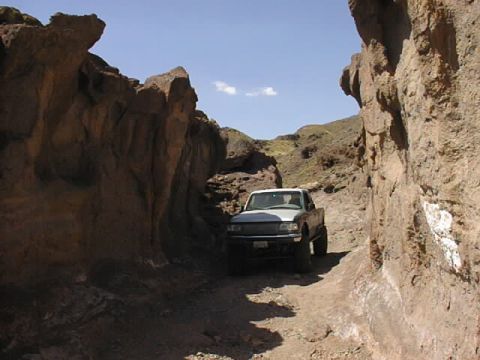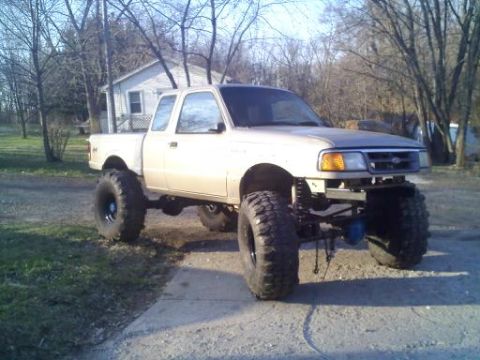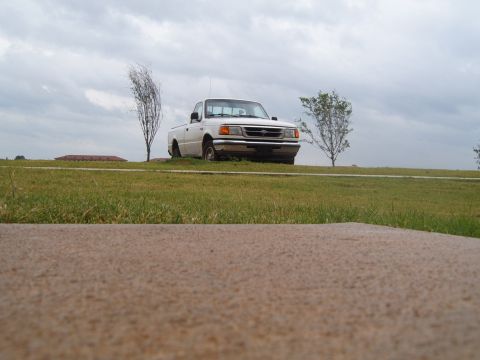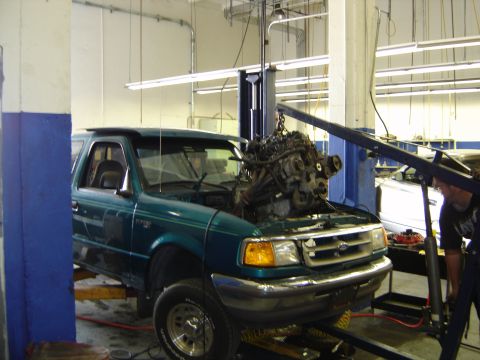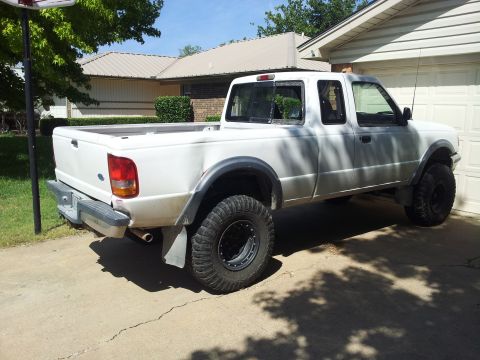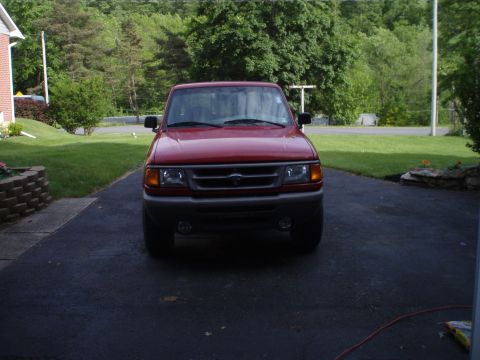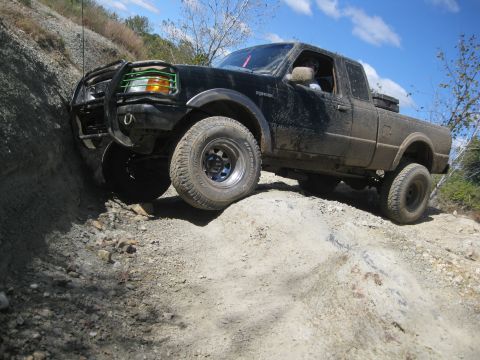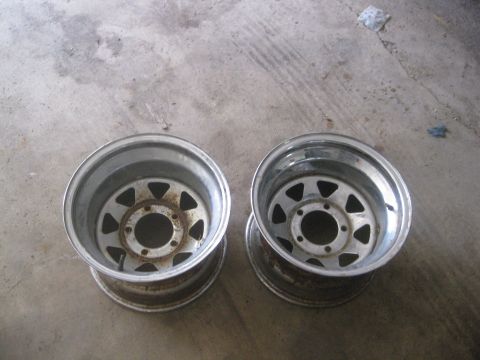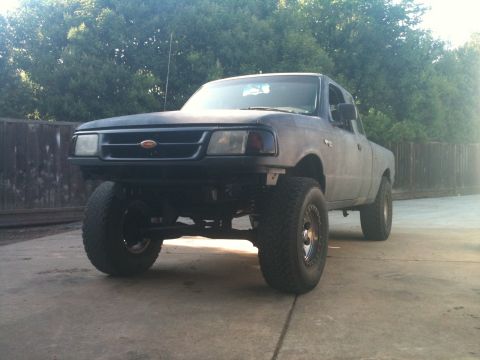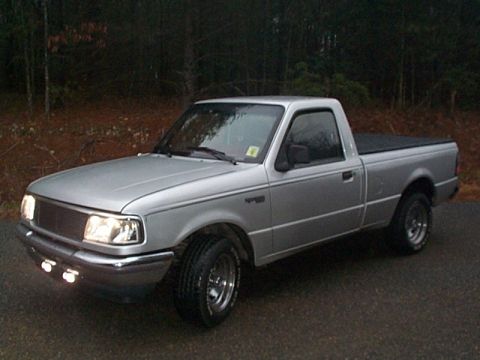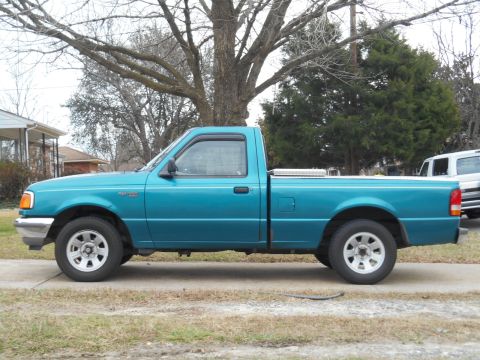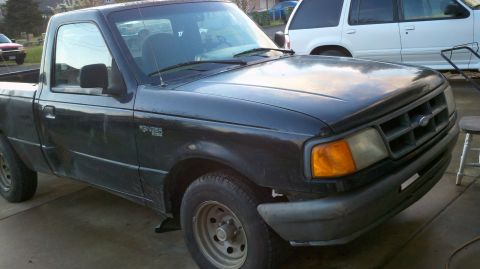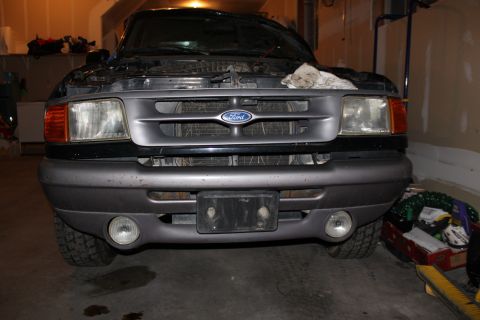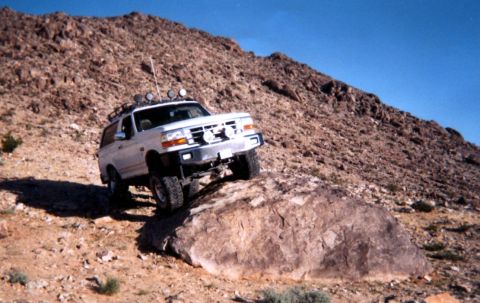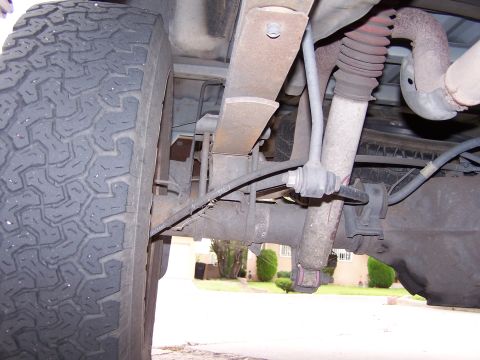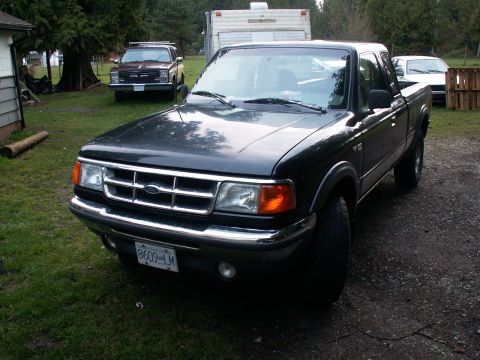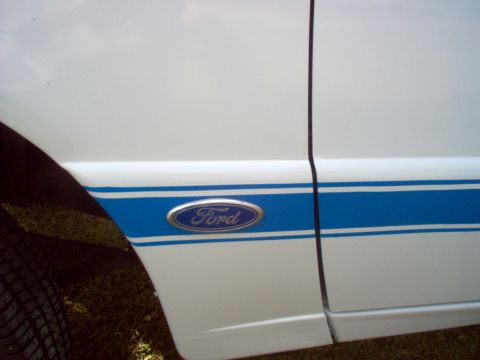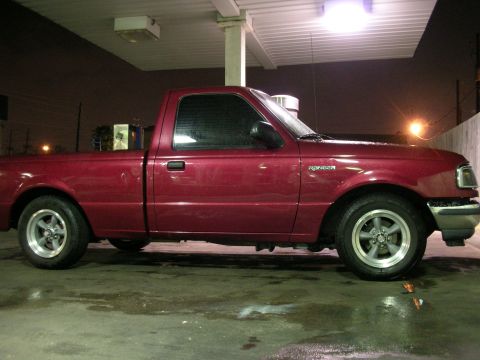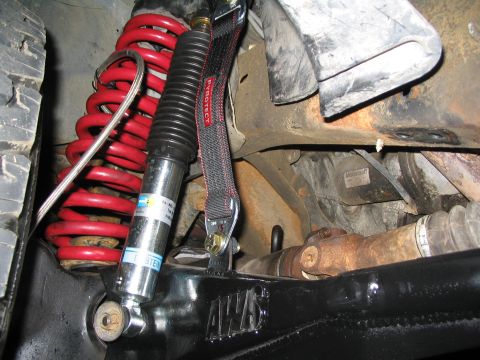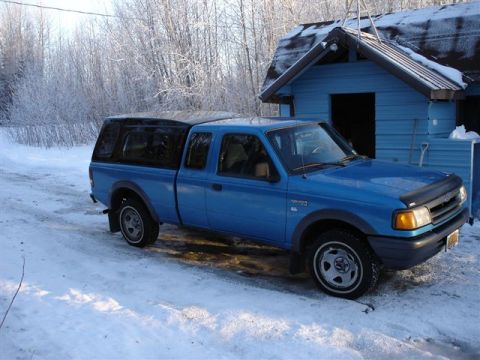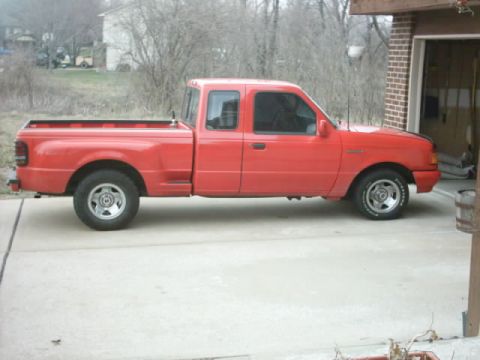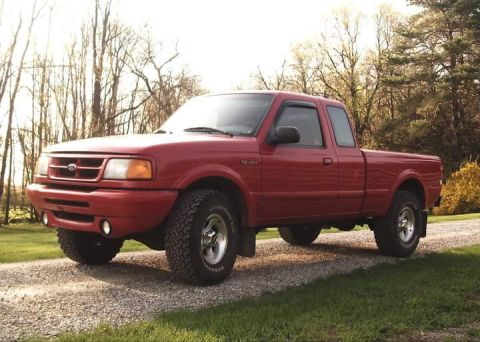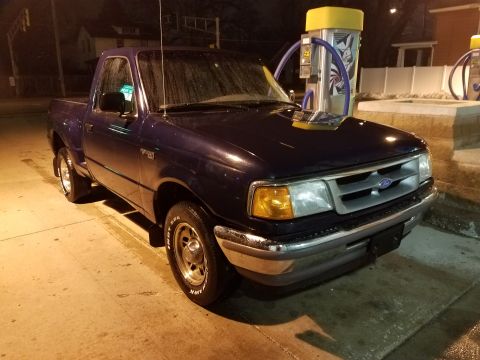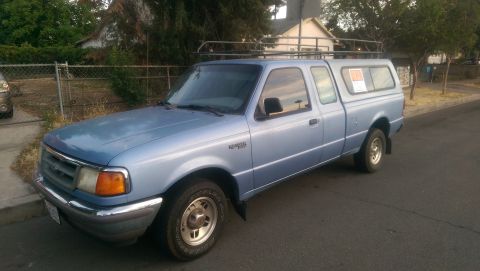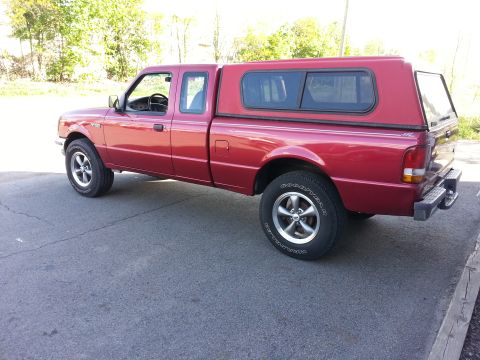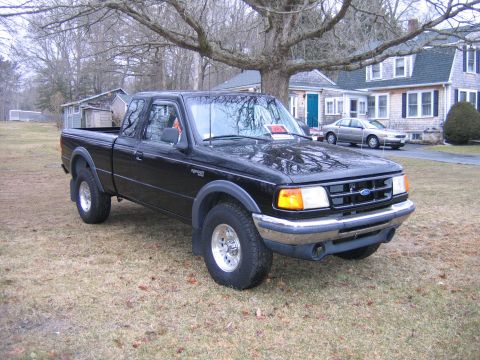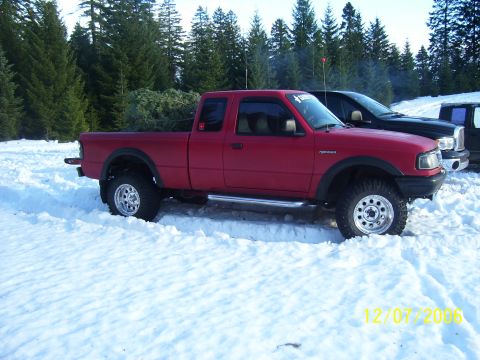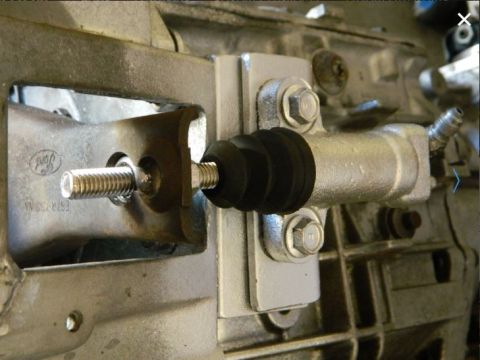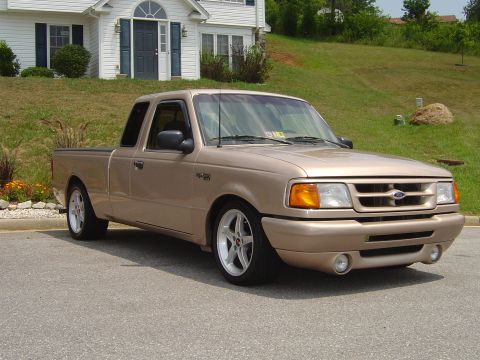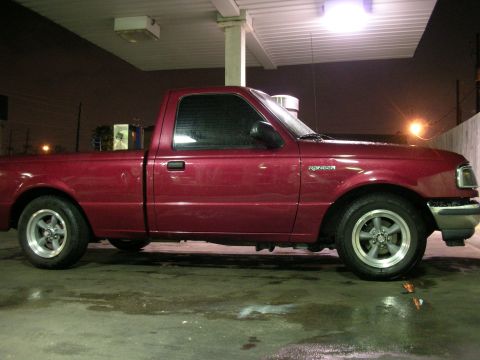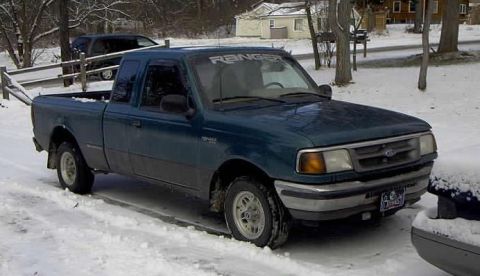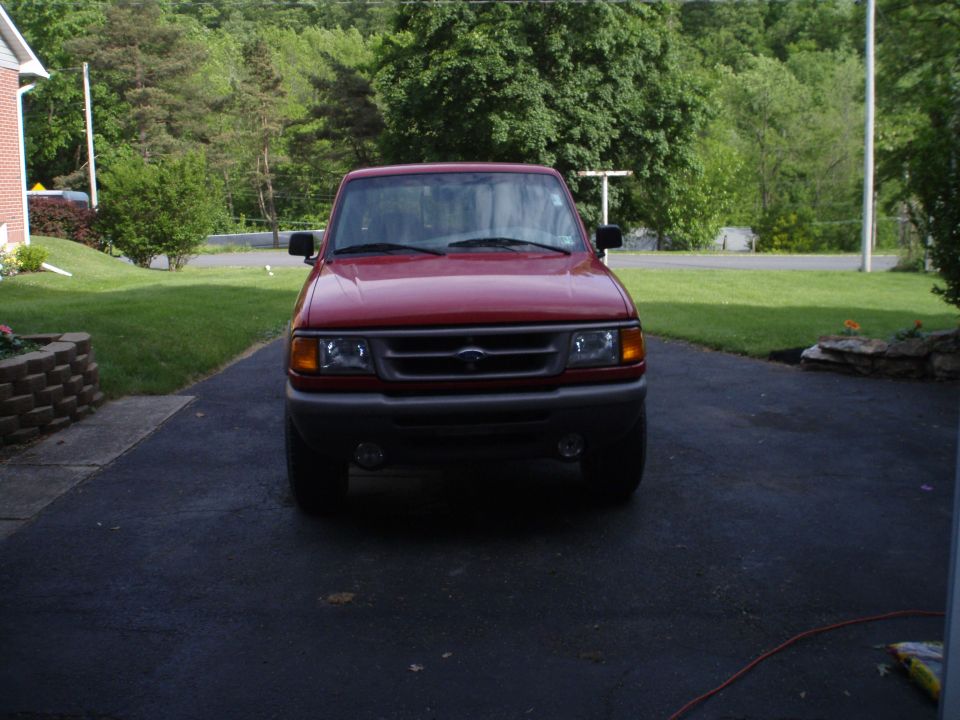
The 1993 model year brought the second-generation Ford Ranger, an aerodynamic restyle of the compact pickup on a carryover chassis. The 1993 Ford Ranger smoothed the body and front end while keeping the basic frame, axles, and engine family of the first generation. The engine lineup narrowed to three: the 2.3 overhead-cam four-cylinder as the base engine, the 3.0 Vulcan V6, and the 4.0 OHV Cologne V6 as the top engine. The four-wheel-drive 1993-1997 Ranger kept the Twin-Traction-Beam independent front suspension, now using a Dana 35 and 28 hybrid front axle. A five-speed manual was standard and a four-speed automatic optional, with a five-speed automatic added for the 4.0 V6 late in the generation. The second generation introduced the Splash, a sport trim with a flareside bed, lowered ride height, and distinctive bodywork. A driver-side airbag became available during the generation as Ford updated the interior for the 1995 model year. The second-generation Ranger ran through 1997 before the heavily reworked third-generation Ranger arrived for 1998 with a new front suspension.
Other Ford Ranger generations
The 1993-1997 Ford Ranger at a glance
- Generation: second-generation Ford Ranger, an aerodynamic restyle on the carryover chassis
- Years: 1993 through 1997, replaced by the third-generation Ranger for 1998
- Engines: 2.3 OHC four-cylinder (base); 3.0 Vulcan V6; 4.0 OHV Cologne V6 (top engine)
- Transmissions: five-speed manual standard; four-speed automatic optional; a five-speed automatic added for the 4.0 V6 late in the generation
- 4x4 front suspension: Twin-Traction-Beam independent front, using a Dana 35 and 28 hybrid front axle
- Sport trim: the Splash, with a flareside bed, lowered ride height, and unique bodywork
- Safety: a driver-side airbag became available with the 1995 interior update
Ford Ranger 1993-1997 year by year
| Year | Ford Ranger changes | Engines offered |
|---|---|---|
| 1993 | Second-generation aerodynamic restyle of the Ford Ranger arrives; the Splash sport trim with a flareside bed joins the lineup | 2.3 I4; 3.0 Vulcan V6; 4.0 OHV Cologne V6 |
| 1994 | The second-generation Ford Ranger continues with its restyled body and three-engine lineup | 2.3 I4; 3.0 Vulcan V6; 4.0 OHV Cologne V6 |
| 1995 | Interior update for the Ford Ranger brings a new dashboard and a driver-side airbag | 2.3 I4; 3.0 Vulcan V6; 4.0 OHV Cologne V6 |
| 1996 | The second-generation Ford Ranger carries over with its updated interior and three engines | 2.3 I4; 3.0 Vulcan V6; 4.0 OHV Cologne V6 |
| 1997 | Final model year of the second-generation Ford Ranger; a five-speed automatic became available for the 4.0 V6 | 2.3 I4; 3.0 Vulcan V6; 4.0 OHV Cologne V6 |
What changed in the 1993 restyle
The 1993 Ford Ranger introduced the second generation as an aerodynamic restyle rather than an all-new truck. Ford smoothed the front end, hood, and body sheet metal for a more rounded shape while retaining the underlying frame, axles, and engine family from the first generation. Because the chassis carried over, the four-wheel-drive Ranger kept the Twin-Traction-Beam front suspension. The restyle was primarily about exterior aerodynamics and interior updates, and it kept the Ranger competitive in the compact-pickup class through the mid-1990s.
Engines and drivetrain of the 1993-1997 Ford Ranger
The second-generation Ford Ranger offered three engines: the 2.3 overhead-cam four-cylinder as the base engine, the 3.0 Vulcan V6, and the 4.0 OHV Cologne V6 as the top engine. The 4.0 OHV V6 was the same pushrod Cologne engine introduced for the Ranger in 1990 and was the most powerful option in this generation, producing about 160 horsepower and 225 lb-ft of torque. A five-speed manual was standard across the lineup, with a four-speed automatic optional; a five-speed automatic became available for the 4.0 V6 late in the generation. The four-wheel-drive 1993-1997 Ranger used the Twin-Traction-Beam independent front suspension with a Dana 35 and 28 hybrid front axle, the last Ranger generation to use the Twin-Traction-Beam layout before the 1998 redesign switched to a short-and-long-arm independent front.
The Ranger Splash
The Ford Ranger Splash was a sport-oriented trim introduced with the second generation for 1993. It used a flareside stepside bed with external rear fenders, a lowered ride height on two-wheel-drive models, monochrome or two-tone paint, and distinctive bodywork that set it apart from the work-oriented XL and XLT trims. The Splash gave the Ranger a youth-market sport model in the compact-pickup segment and remained in the lineup through the second generation.
The 1995 interior update
For the 1995 model year the Ford Ranger received an interior update that brought a redesigned dashboard and a driver-side airbag. This was the most significant equipment change within the second generation. The exterior styling and chassis carried over, but the new interior modernized the cabin partway through the generation.
Frequently asked questions
What generation is the 1993-1997 Ford Ranger?
The 1993-1997 Ford Ranger is the second-generation compact pickup. It is an aerodynamic restyle of the first-generation truck on a carryover chassis, with smoother body sheet metal and a more rounded front end.
What engines did the 1993-1997 Ford Ranger use?
The 1993-1997 Ford Ranger used the 2.3 overhead-cam four-cylinder as the base engine, the 3.0 Vulcan V6, and the 4.0 OHV Cologne V6 as the top engine. The 4.0 OHV V6 produced about 160 horsepower and 225 lb-ft of torque.
What was the Ford Ranger Splash?
The Ford Ranger Splash was a sport trim introduced with the second generation for 1993. It used a flareside stepside bed, a lowered ride height on two-wheel-drive models, and distinctive bodywork, giving the Ranger a youth-oriented sport model.
Does the 1993-1997 Ford Ranger 4x4 have a solid front axle?
No. The 1993-1997 Ford Ranger 4x4 used the Twin-Traction-Beam independent front suspension with a Dana 35 and 28 hybrid front axle. It was the last Ranger generation to use the Twin-Traction-Beam layout before the 1998 redesign switched to a short-and-long-arm independent front suspension.
When did the Ford Ranger get a driver-side airbag?
The Ford Ranger received a driver-side airbag with the 1995 interior update, which also brought a redesigned dashboard. It was the most significant equipment change within the 1993-1997 second generation.
Sources
- Ford factory specification sheets and shop manuals for the 1993-1997 Ranger
- Wikipedia, Ford Ranger (Americas), second generation
- Consumer Guide, 1993-97 Ford Ranger
- The Ranger Station, 4x4 front-axle history (Dana 35 and 28 hybrid TTB)
Asked all the time
What generation is the 1993-1997 Ford Ranger?
The 1993-1997 Ford Ranger is the second-generation compact pickup. It is an aerodynamic restyle of the first-generation truck on a carryover chassis, with smoother body sheet metal and a more rounded front end.
What engines did the 1993-1997 Ford Ranger use?
The 1993-1997 Ford Ranger used the 2.3 overhead-cam four-cylinder as the base engine, the 3.0 Vulcan V6, and the 4.0 OHV Cologne V6 as the top engine. The 4.0 OHV V6 produced about 160 horsepower and 225 lb-ft of torque.
What was the Ford Ranger Splash?
The Ford Ranger Splash was a sport trim introduced with the second generation for 1993. It used a flareside stepside bed, a lowered ride height on two-wheel-drive models, and distinctive bodywork, giving the Ranger a youth-oriented sport model.
Does the 1993-1997 Ford Ranger 4x4 have a solid front axle?
No. The 1993-1997 Ford Ranger 4x4 used the Twin-Traction-Beam independent front suspension with a Dana 35 and 28 hybrid front axle. It was the last Ranger generation to use the Twin-Traction-Beam layout before the 1998 redesign switched to a short-and-long-arm independent front suspension.
When did the Ford Ranger get a driver-side airbag?
The Ford Ranger received a driver-side airbag with the 1995 interior update, which also brought a redesigned dashboard. It was the most significant equipment change within the 1993-1997 second generation.
Technical Reference
Member-uploaded diagrams & documents for this generation. AI-classified; community-verified where badged.
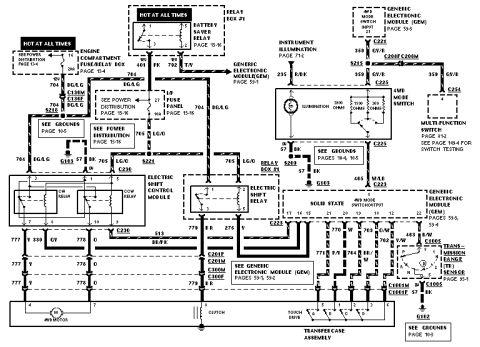
Wiring Diagrams (1)
The wall · registered 1993-1997 Rangers
Sorted by depth of documentation. Click any vehicle to open its permanent record.