Model hub · Ford
Ford Ranger: History, Generations & Specs
The Ford Ranger is the compact pickup Ford sold in North America from the 1983 model year through 2011, revived for 2019 as a midsize truck on the global T6 platform. It replaced the Mazda-built Ford Courier, ran three generations in its original form, and provided the platform for the Bronco II and later the Ford Explorer. The last original Ranger was built December 16, 2011 at the Twin Cities Assembly Plant in Saint Paul, Minnesota, and Ford sold no new Ranger in the US for 2012 through 2018. The current T6-based Ranger runs EcoBoost power, and the 2024 redesign added the first North American Ranger Raptor.
Pick your generation
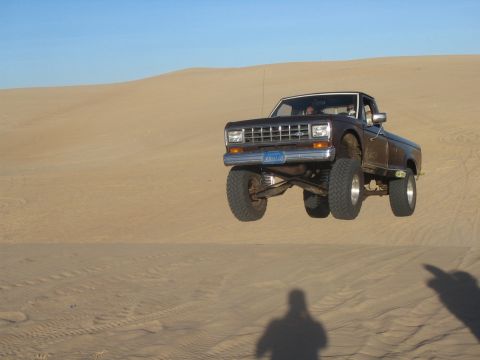
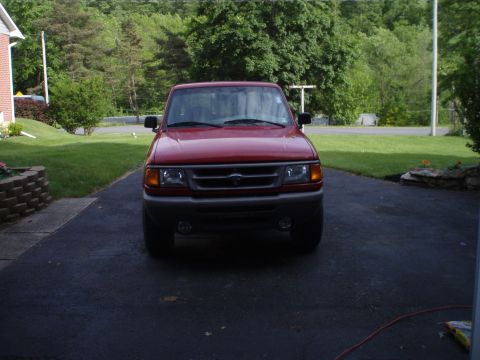
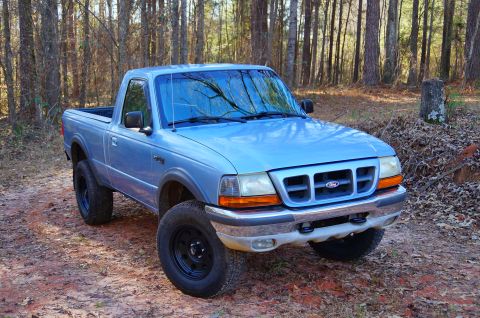
Each generation page covers what changed year by year, what owners call them, and the wall of registered vehicles.
By model year
More Ford models
The wall
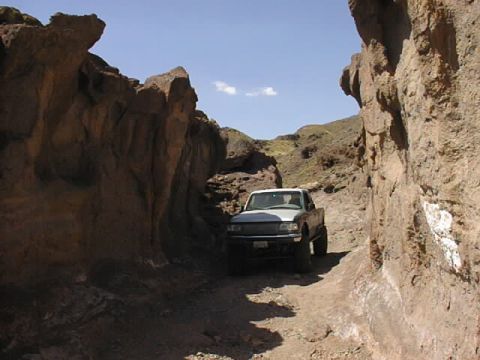
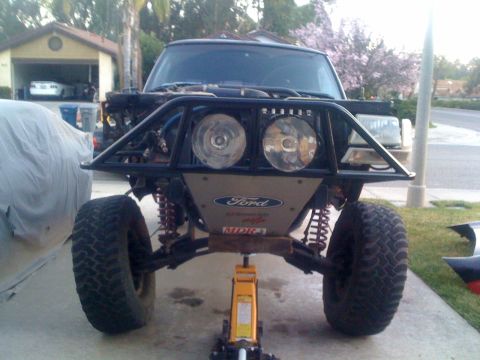
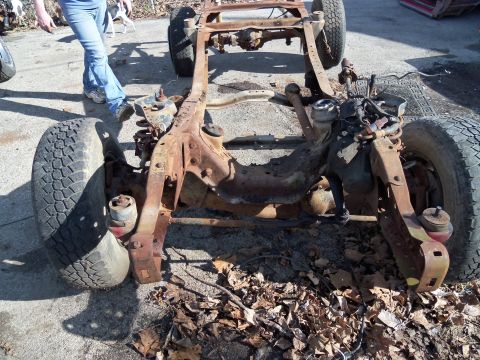
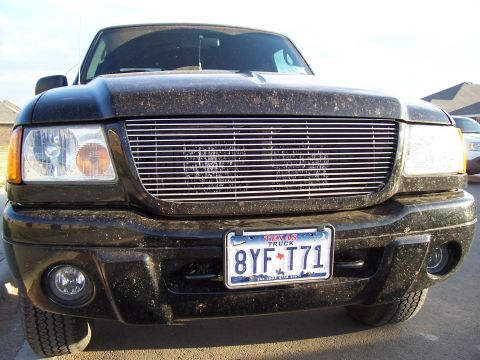
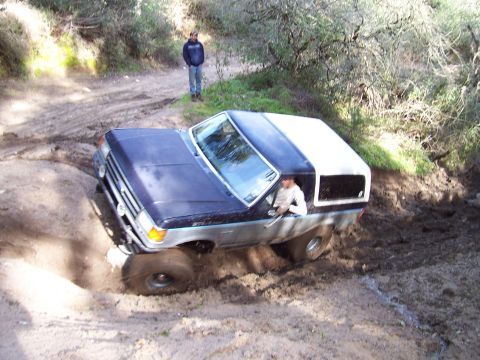
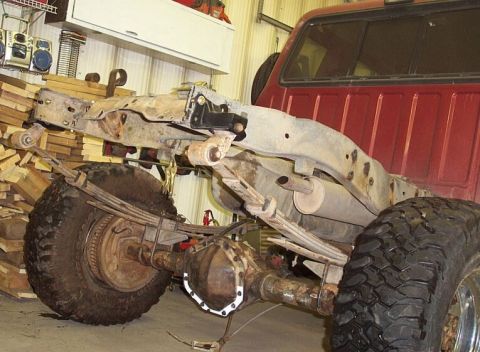
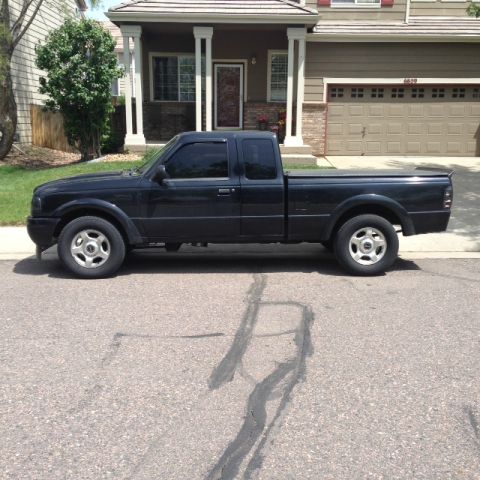
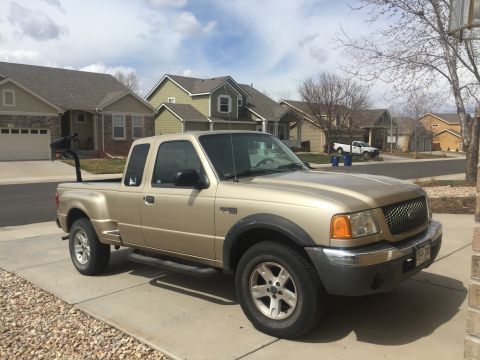
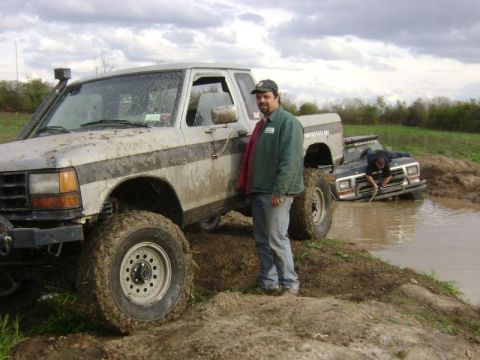
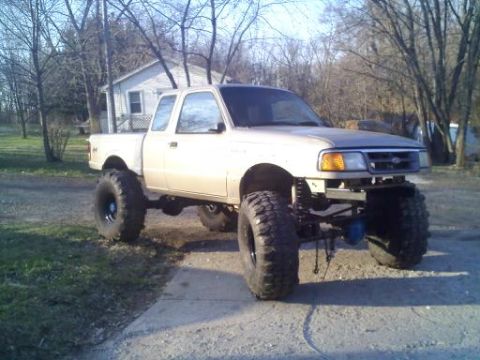
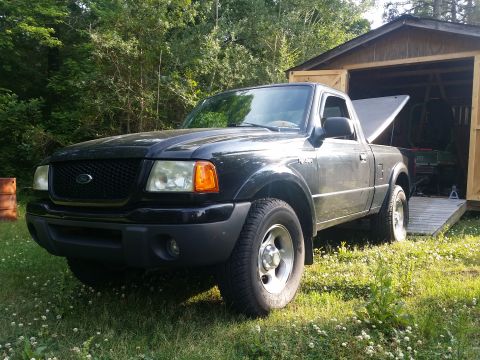
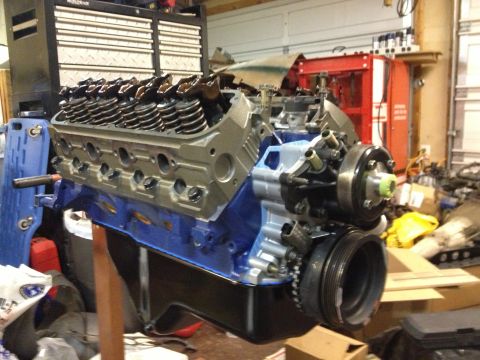
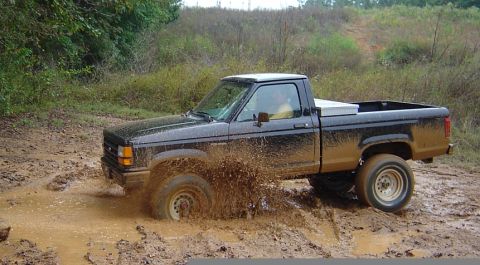
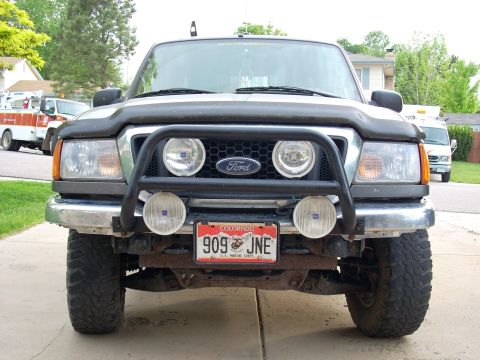
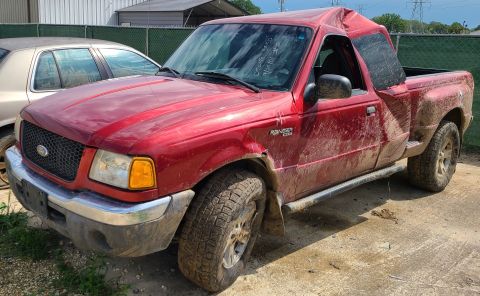
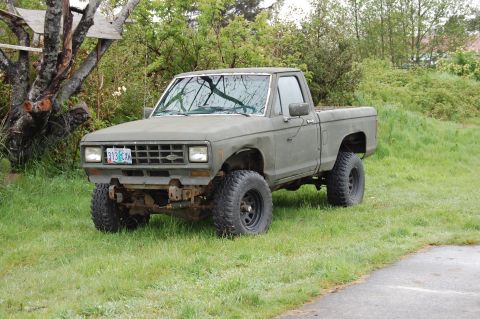
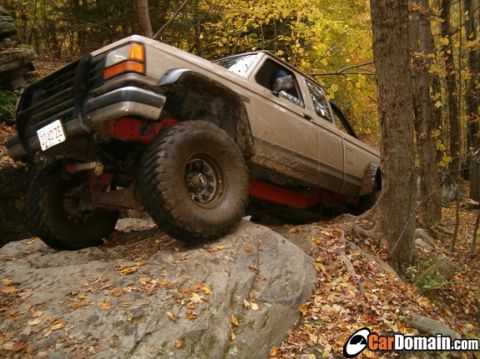
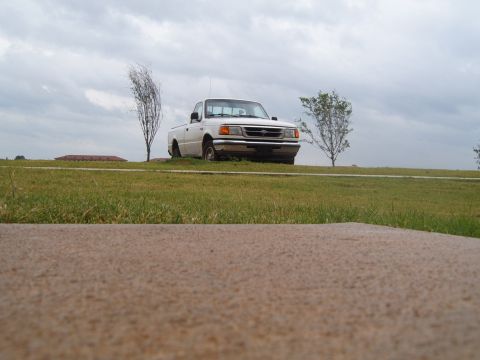
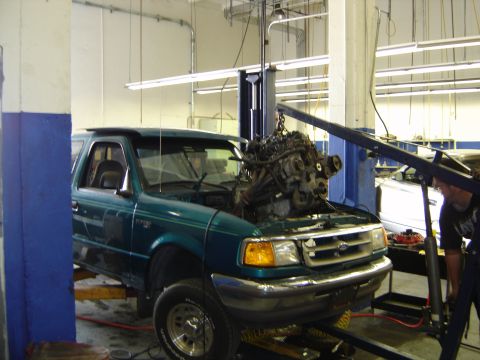
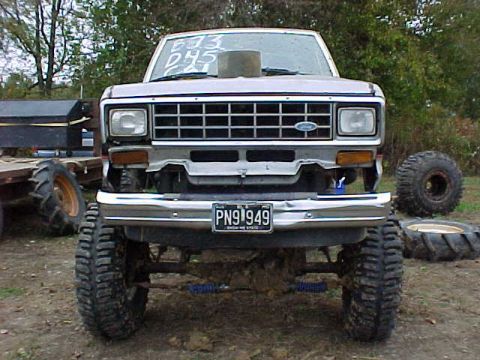
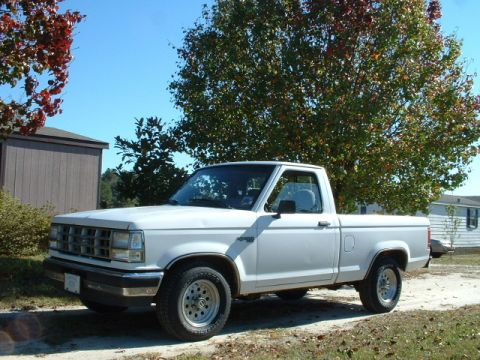
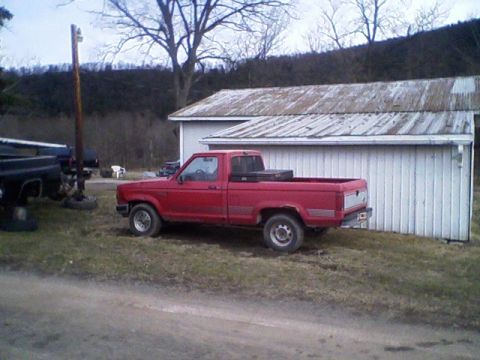
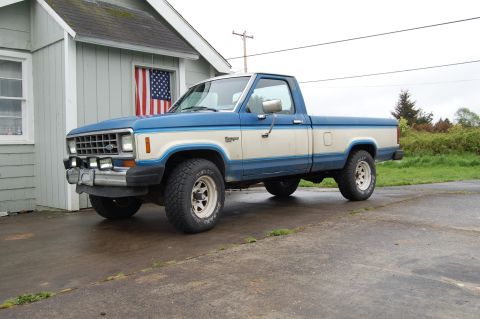
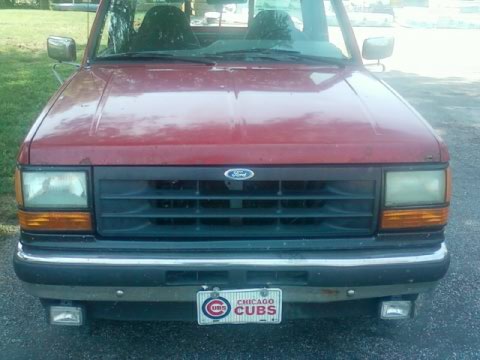
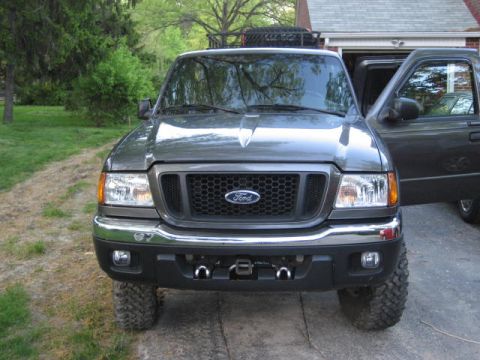
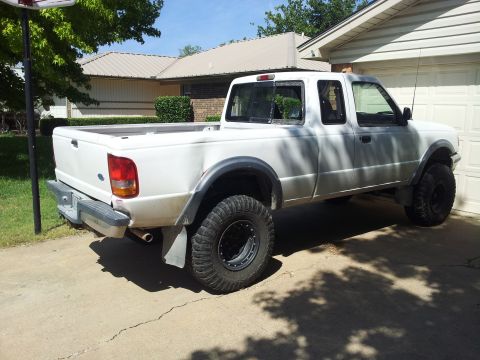
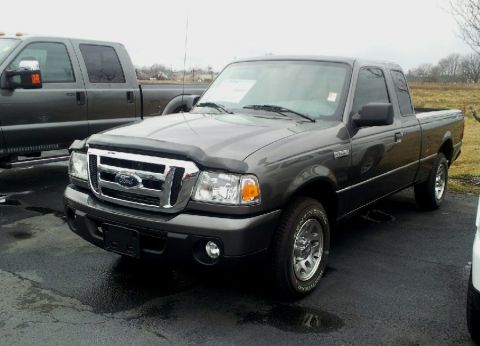
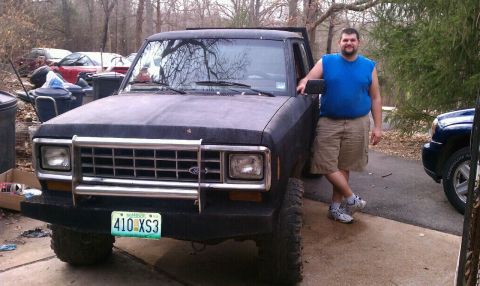
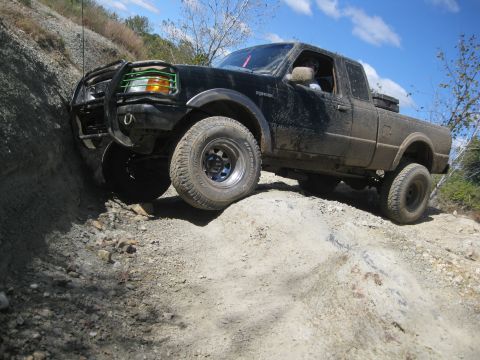
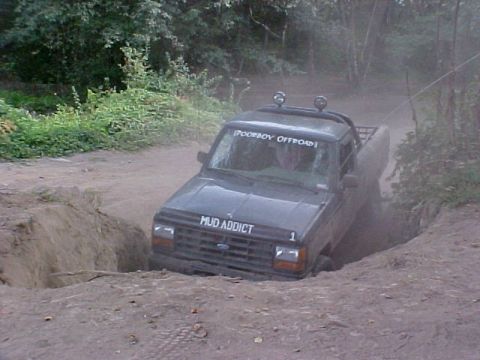
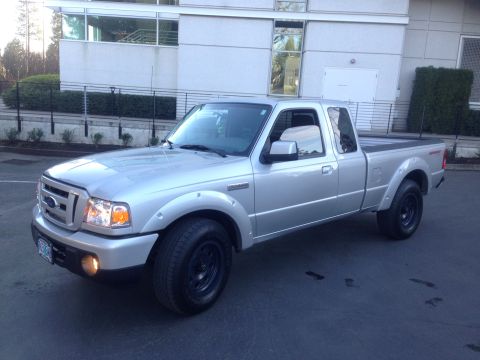
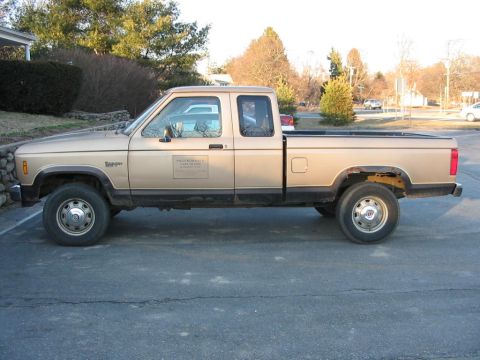
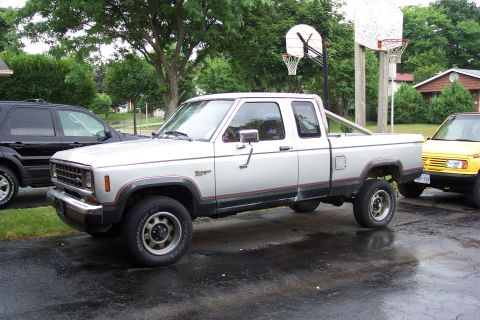
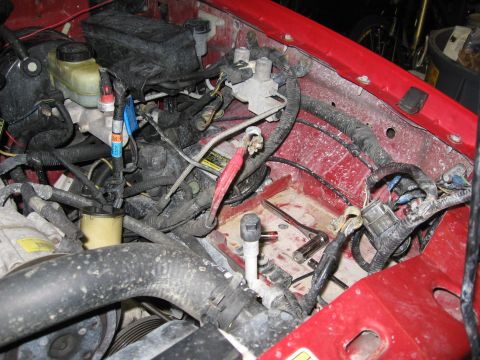
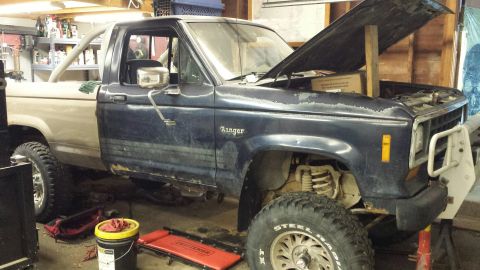
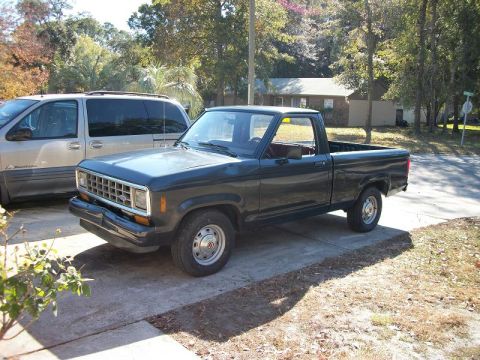
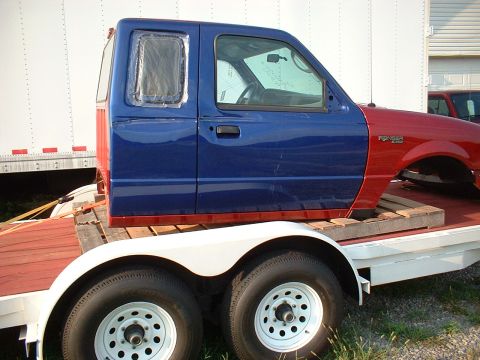
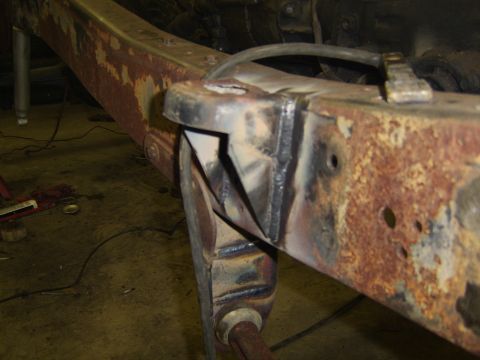
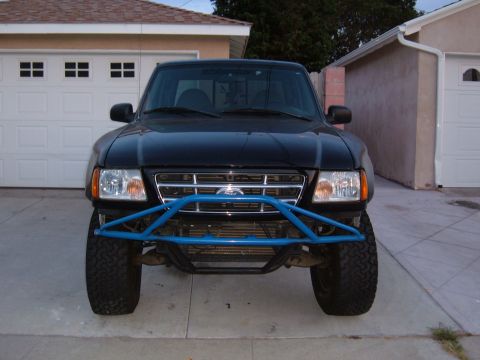
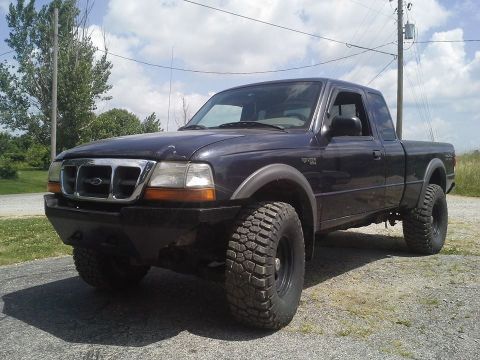
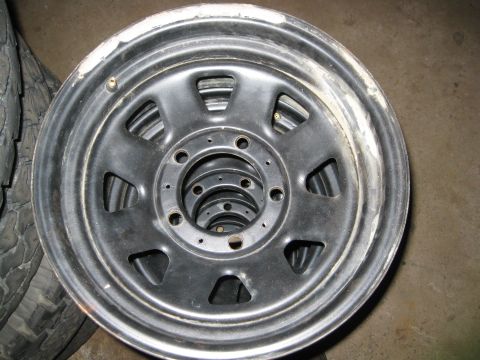
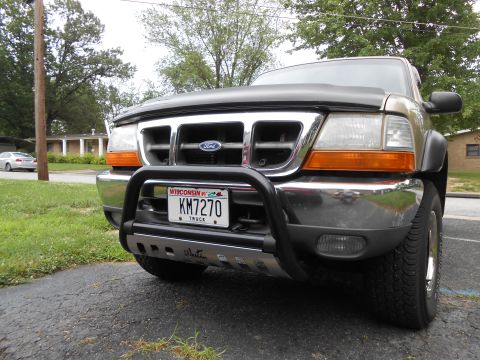
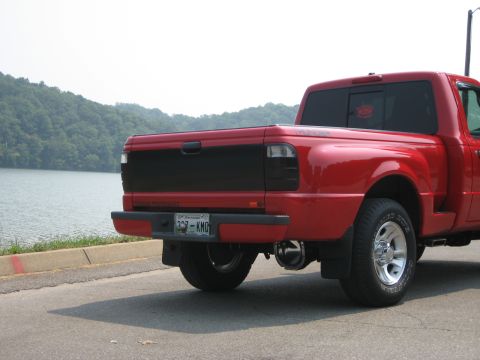
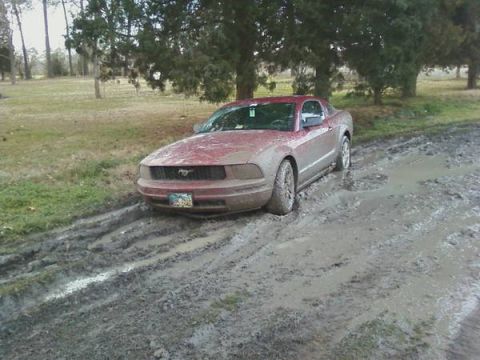
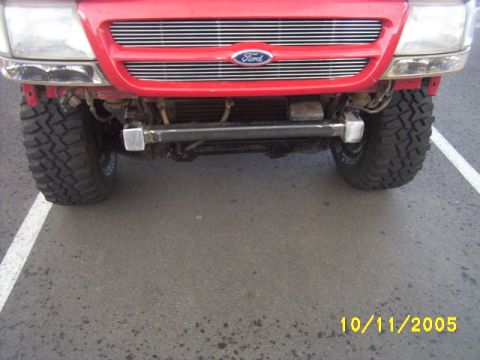
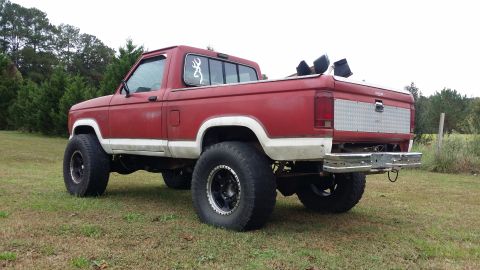
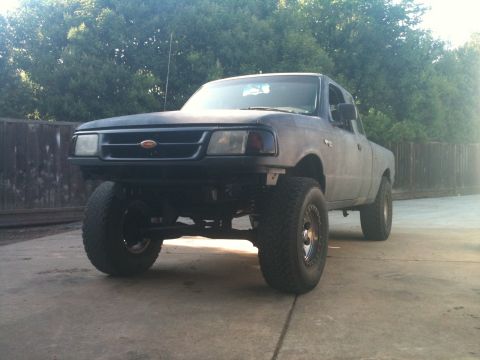
The most-documented Ford Rangers in the registry, every photo by the owner.
Key facts
| Fact | Detail |
|---|---|
| Production years (North America) | 1983-2011, then 2019-present after a 2012-2018 US hiatus |
| Generations | Three for the original 1983-2011 run, plus the T6-based return from 2019 |
| Class | Compact pickup 1983-2011; midsize pickup from 2019 |
| Platform (current) | Global T6; updated T6.2 for the 2024 redesign |
| Predecessor | Replaced the Mazda-built Ford Courier |
| Platform-mates | Provided the platform for the Bronco II and later the Ford Explorer |
| Notable variant | Ranger Raptor, first sold in North America for 2024 with the 3.0 EcoBoost V6 |
| Final original Ranger | Built December 16, 2011 at the Twin Cities Assembly Plant, Saint Paul, Minnesota |
Generations at a glance
| Years | Generation | Why it matters |
|---|---|---|
| 1983-1992 | First-Generation Ranger (1983-1992) | Replaced the Ford Courier, introduced the Twin-I-Beam front end, and spawned the Bronco II. |
| 1993-1997 | Second-Generation Ranger (1993-1997) | Aerodynamic restyle on a carryover chassis that added the Splash trim and kept the Twin-Traction-Beam 4x4 front end. |
| 1998-2011 | Third-Generation Ranger (1998-2011) | New frame with a short-and-long-arm independent front suspension; ran 14 model years to the final unit on December 16, 2011. |
| 2019-2026 | T6-Based Ranger (2019-2026) | Returned to the US as a midsize truck with EcoBoost power and a 10-speed automatic; the 2024 redesign added V6 options and the first Ranger Raptor. |
The Ranger story: compact pickup, US hiatus, and return
The Ford Ranger nameplate began as a trim level on full-size Ford trucks, but as a standalone model the Ranger launched for 1983 as Ford's compact pickup, replacing the Mazda-built Ford Courier. The original Ranger was engineered and built in North America and ran for three generations through 2011: the 1983-1992 first generation, the 1993-1997 second generation, and the 1998-2011 third generation. It also provided the platform for the Bronco II compact SUV and later the Ford Explorer. Ford ended Ranger production in North America when the Twin Cities Assembly Plant in Saint Paul, Minnesota closed on December 16, 2011. For the 2012 through 2018 model years Ford sold no new Ranger in the United States, even as a larger global Ranger, internally the T6, was sold in other markets. Ford brought the Ranger back to the United States for 2019 using a North American adaptation of that global truck, the T6-based Ranger, now classed as a midsize pickup rather than a compact.
Engine eras of the Ford Ranger
For its first two decades the Ford Ranger ran Ford's pushrod and overhead-cam compact-truck engines. The four-cylinders came from the Lima family in 2.0 and 2.3 displacements, and the V6s spanned the German-designed Cologne family (2.8, then 2.9, and the 4.0) and the domestic 3.0 Vulcan. Early first-generation trucks also offered Mazda-sourced and Mitsubishi-sourced diesels. The 4.0 Cologne V6 arrived for 1990 in pushrod (OHV) form and was the Ranger's top engine for years. The third generation modernized the lineup: a 2.3 Duratec four replaced the older 2.5 four during 2001, and the same year the pushrod 4.0 gave way to the SOHC 4.0 Cologne V6 shared with the Ford Explorer, rated up to 207 horsepower. When the Ranger returned for 2019 it dropped V6 and naturally aspirated engines entirely and used only the turbocharged 2.3 EcoBoost four, rated 270 horsepower and 310 lb-ft of torque, paired with a 10-speed automatic. The 2024 redesign brought boosted V6 power back with the 2.7 EcoBoost V6 (315 horsepower) on non-Raptor trucks and the 3.0 EcoBoost V6 (405 horsepower) in the Ranger Raptor.
How the front suspension changed
The Ford Ranger used Ford's Twin-I-Beam independent front suspension on two-wheel-drive models and the related Twin-Traction-Beam (TTB) layout on four-wheel-drive models from 1983 through 1997. Four-wheel-drive Rangers used a Dana 28 TTB front axle early, then a larger Dana 35 TTB after the 4.0 V6 arrived for 1990, and a Dana 35 and 28 hybrid from 1993 to 1997. For the 1998 third-generation redesign Ford abandoned the Twin-Traction-Beam arrangement and switched to a short-and-long-arm (SLA) independent front suspension, with coil springs on conventional two-wheel-drive models and torsion bars on four-wheel-drive models plus some raised two-wheel-drive configurations. The returned 2019 and later Ranger uses a coil-over double-wishbone independent front suspension as part of the global T6 chassis.
The Ranger Raptor and the modern V6 era
When the Ford Ranger returned to the United States for 2019, it was offered only with the 2.3 EcoBoost turbocharged four and a 10-speed automatic, with no manual transmission and no V6. The redesigned 2024 Ranger, built on the updated T6.2 platform, expanded the lineup: buyers could add a 2.7 EcoBoost twin-turbo V6 rated 315 horsepower and 400 lb-ft of torque, and Ford introduced the first Ranger Raptor sold in North America. The 2024 Ranger Raptor uses a 3.0 EcoBoost twin-turbo V6 rated 405 horsepower and 430 lb-ft of torque, with a two-speed transfer case and front and rear locking differentials. This marked the first time a factory high-performance off-road Raptor variant of the Ranger was sold in the United States.
Frequently asked questions
When did the Ford Ranger first appear and when was it discontinued in the US?
The Ford Ranger launched as a compact pickup for the 1983 model year, replacing the Ford Courier. Ford ended North American Ranger production on December 16, 2011 at the Twin Cities Assembly Plant in Saint Paul, Minnesota, and sold no new Ranger in the United States for the 2012 through 2018 model years.
When did the Ford Ranger return to the US?
The Ford Ranger returned to the United States for the 2019 model year as a midsize pickup based on the global T6 platform, after a US absence covering the 2012 through 2018 model years. The 2019 Ranger used a single 2.3 EcoBoost turbocharged four and a 10-speed automatic.
What engines did the original Ford Ranger use?
The original 1983-2011 Ford Ranger used the 2.0 and 2.3 Lima four-cylinders, the 2.8 and later 2.9 Cologne V6, the 3.0 Vulcan V6, and the 4.0 Cologne V6 in pushrod form from 1990 and SOHC form from 2001. Early first-generation trucks also offered Mazda-sourced and Mitsubishi-sourced diesels. The third generation added the 2.3 Duratec four during 2001.
Did the Ford Ranger 4x4 use the Twin-Traction-Beam suspension?
Yes. Four-wheel-drive Ford Rangers used the Twin-Traction-Beam (TTB) independent front suspension from 1983 through 1997, with two-wheel-drive trucks using the related Twin-I-Beam layout. The 1998 third-generation redesign replaced the TTB with a short-and-long-arm independent front suspension.
What is the Ford Ranger Raptor and when did it reach the US?
The Ford Ranger Raptor is the high-performance off-road version of the Ranger. The first Ranger Raptor sold in North America arrived for the 2024 model year with a 3.0 EcoBoost twin-turbo V6 rated 405 horsepower and 430 lb-ft of torque, alongside a redesigned Ranger that also offered a 2.7 EcoBoost V6.
Sources
- Ford factory specification sheets and shop manuals for the 1983-2011 and 2019-present Ranger
- Wikipedia, Ford Ranger (Americas)
- The Ranger Station, engine and front-suspension generation histories
- Twin Cities Assembly Plant production records (final Ranger, December 16, 2011)
- Ford press materials for the 2019 Ranger return and the 2024 Ranger and Ranger Raptor
Asked all the time
When did the Ford Ranger first appear and when was it discontinued in the US?
The Ford Ranger launched as a compact pickup for the 1983 model year, replacing the Ford Courier. Ford ended North American Ranger production on December 16, 2011 at the Twin Cities Assembly Plant in Saint Paul, Minnesota, and sold no new Ranger in the United States for the 2012 through 2018 model years.
When did the Ford Ranger return to the US?
The Ford Ranger returned to the United States for the 2019 model year as a midsize pickup based on the global T6 platform, after a US absence covering the 2012 through 2018 model years. The 2019 Ranger used a single 2.3 EcoBoost turbocharged four and a 10-speed automatic.
What engines did the original Ford Ranger use?
The original 1983-2011 Ford Ranger used the 2.0 and 2.3 Lima four-cylinders, the 2.8 and later 2.9 Cologne V6, the 3.0 Vulcan V6, and the 4.0 Cologne V6 in pushrod form from 1990 and SOHC form from 2001. Early first-generation trucks also offered Mazda-sourced and Mitsubishi-sourced diesels. The third generation added the 2.3 Duratec four during 2001.
Did the Ford Ranger 4x4 use the Twin-Traction-Beam suspension?
Yes. Four-wheel-drive Ford Rangers used the Twin-Traction-Beam (TTB) independent front suspension from 1983 through 1997, with two-wheel-drive trucks using the related Twin-I-Beam layout. The 1998 third-generation redesign replaced the TTB with a short-and-long-arm independent front suspension.
What is the Ford Ranger Raptor and when did it reach the US?
The Ford Ranger Raptor is the high-performance off-road version of the Ranger. The first Ranger Raptor sold in North America arrived for the 2024 model year with a 3.0 EcoBoost twin-turbo V6 rated 405 horsepower and 430 lb-ft of torque, alongside a redesigned Ranger that also offered a 2.7 EcoBoost V6.