SuperMotors SuperMotors SUPERMOTORS Search: try “orange Bronco on 35s”
Home/ Registry/ Mercury/ Grand Marquis/ 1992-1997/ “The "LSE S/C"”/ Photo supermotors.net/registry/media/639652

First problem with flipping the inlet was the bypass actuator ha…

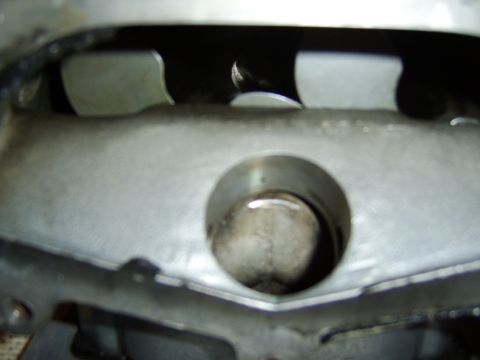
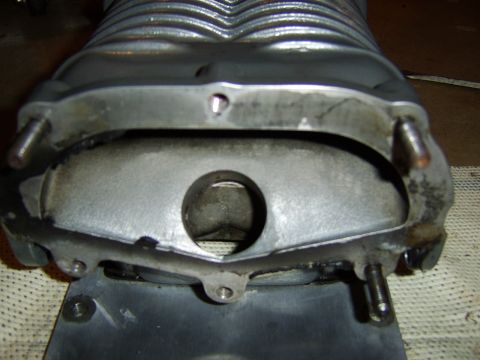
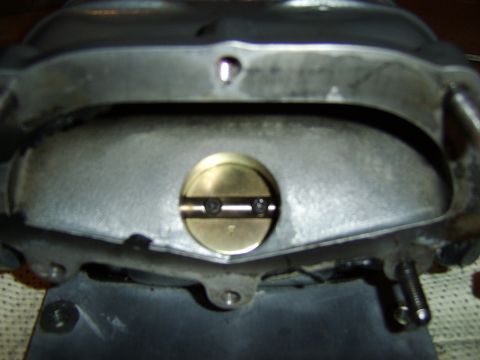
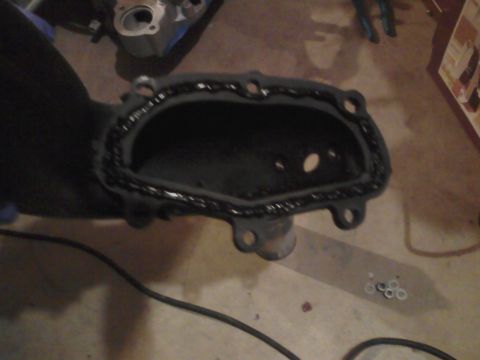
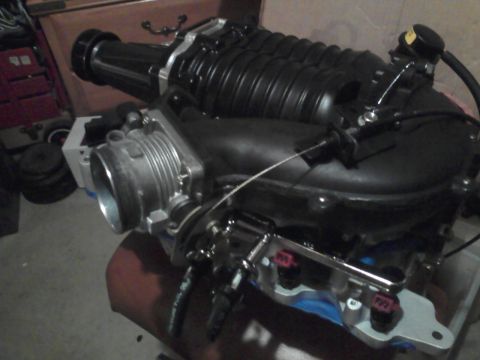
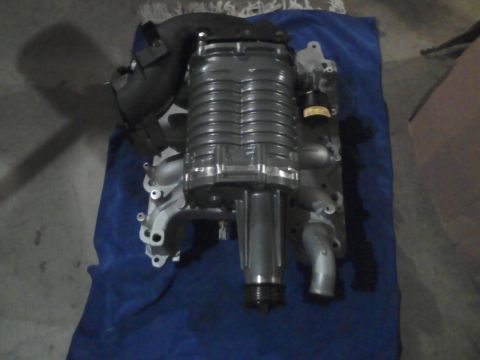
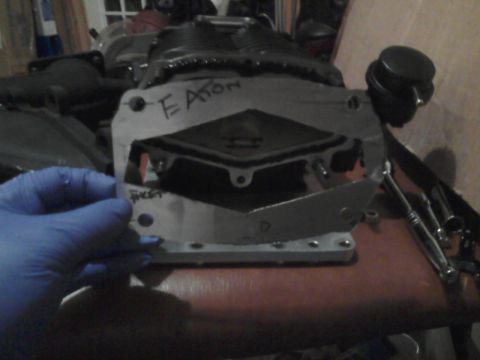
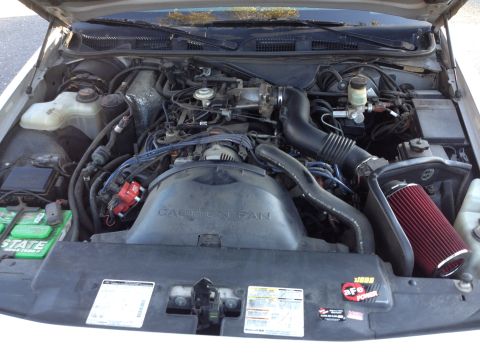
First problem with flipping the inlet was the bypass actuator had to be flipped to the other side. This entailed removing the bypass blade/shaft and the actuator itself.


The actuator is vacuum controlled. With engine vacuum the valve is opened allowing air to bypass the rotor lobes thus reducing parasitic loss and increasing efficiency. 
When there is no vacuum, and the blower starts to go into boost, the actuator forces the valve shut.

The actuator is calibrated by Eaton (Magnuson in this case) so it must be installed the same way to keep it accurate.
First problem with flipping the inlet was the bypass actuator had to be flipped to the other side. This entailed removing the bypass blade/shaft and the actuator itself. The actuator is vacuum controlled. With engine vacuum the valve is opened allowing air to bypass the rotor lobes thus reducing parasitic loss and increasing efficiency. When there is no vacuum, and the blower starts to go into boost, the actuator forces the valve shut. The actuator is calibrated by Eaton (Magnuson in this case) so it must be installed the same way to keep it accurate.Original file
First problem with flipping the inlet was the bypass actuator had to be flipped to the other side. This entailed removing the bypass blade/shaft and the actuator itself.


The actuator is vacuum controlled. With engine vacuum the valve is opened allowing air to bypass the rotor lobes thus reducing parasitic loss and increasing efficiency. 
When there is no vacuum, and the blower starts to go into boost, the actuator forces the valve shut.

The actuator is calibrated by Eaton (Magnuson in this case) so it must be installed the same way to keep it accurate.

First problem with flipping the inlet was the bypass actuator had to be flipped to the other side. This entailed removing the bypass blade/shaft and the actuator itself.


The actuator is vacuum controlled. With engine vacuum the valve is opened allowing air to bypass the rotor lobes thus reducing parasitic loss and increasing efficiency.
When there is no vacuum, and the blower starts to go into boost, the actuator forces the valve shut.

The actuator is calibrated by Eaton (Magnuson in this case) so it must be installed the same way to keep it accurate.

Owner caption · Photo 1136 of 1450

Is this accurate? Sign in to help verify it.
Comments

No comments yet.

More 1992-1997 Grand Marquiss