Model hub · Chevrolet
Chevrolet Corvette: History, Generations & Specs
The Chevrolet Corvette is America's two-seat sports car, in production since 1953 across eight generations, C1 through C8. Every one has worn fiberglass or composite body panels over frames that progressed from steel to hydroformed steel to aluminum. The layout was front engine, rear drive from 1953 through 2019, with a small-block V8 available from 1955 and standard from 1956; the mid-engine C8 replaced that layout for 2020 and is the current car, paired with an 8-speed dual-clutch transaxle and no manual option. One quirk trips people up: there was no 1983 model year, because production problems pushed the all-new C4 to launch as a 1984.
Pick your generation
Each generation page covers what changed year by year, what owners call them, and the wall of registered vehicles.
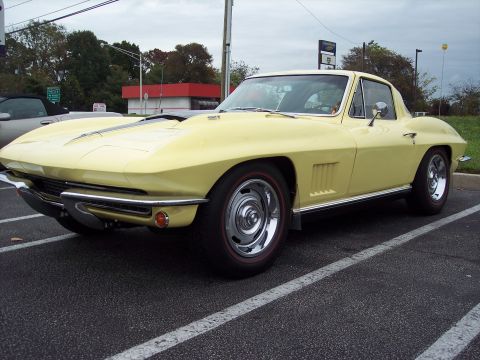
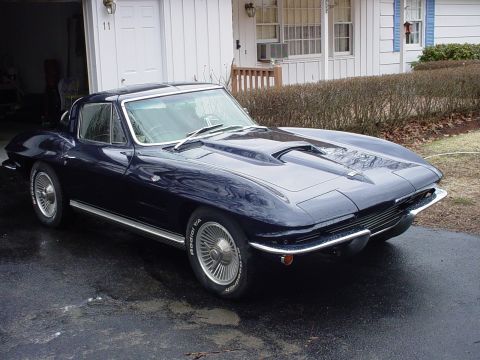 Open1963-1967Corvette C2 Sting Ray21 photos · 2 registered
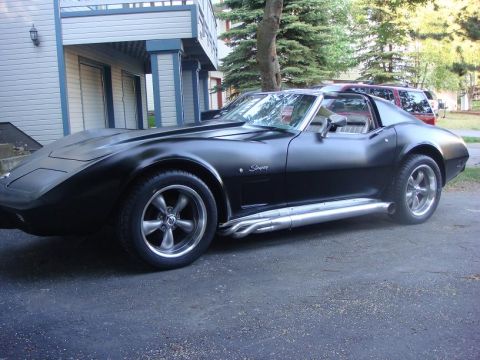
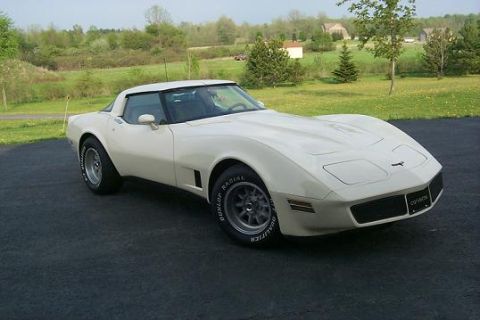
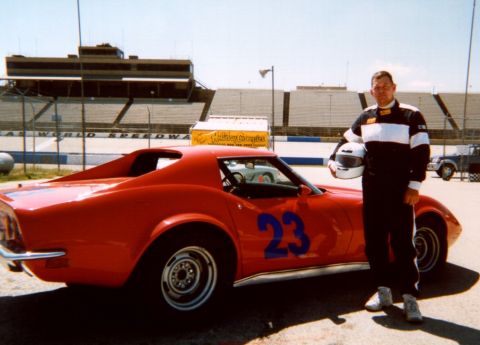
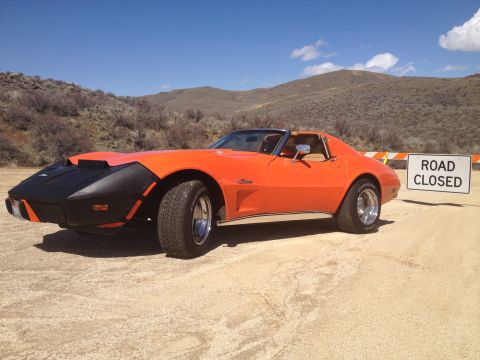
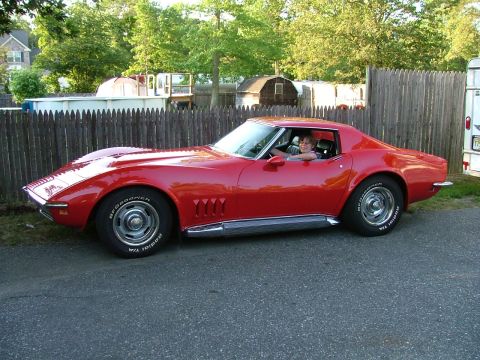
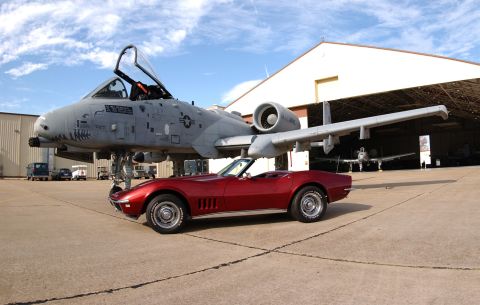
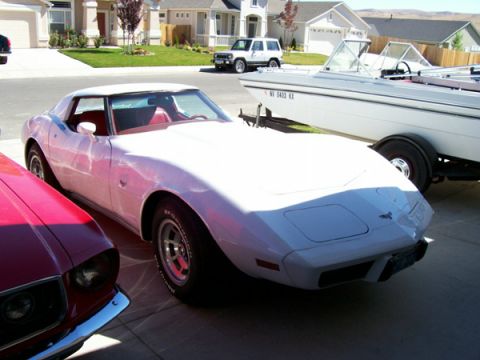
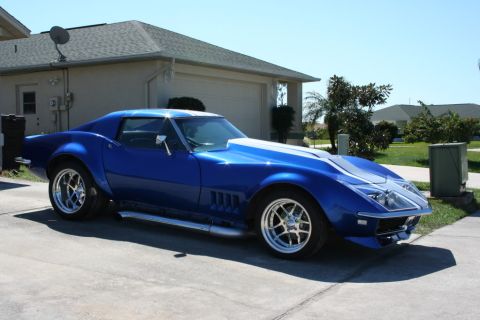 Open1968-1982Corvette C31,880 photos · 34 registered
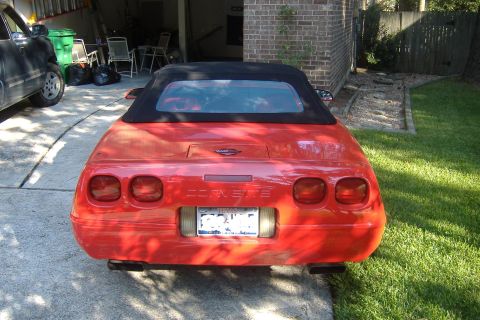 Open1984-1996Corvette C453 photos · 8 registered
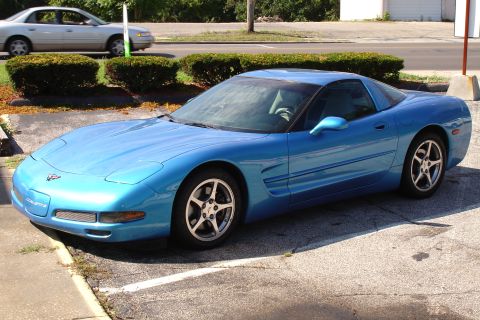
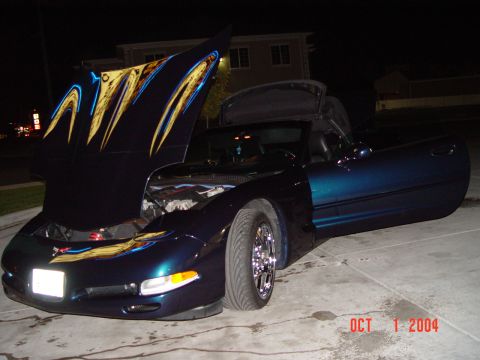 Open1997-2004Corvette C532 photos · 10 registered
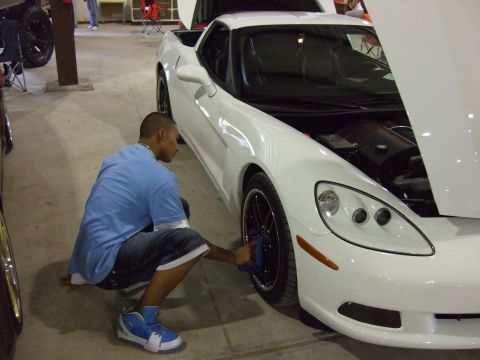
 Open2005-2013Corvette C6186 photos · 8 registered
Open2014-2019Corvette C7Be the first · add yours
Open2020-2026Corvette C8 (Mid-Engine)Be the first · add yours
Open2005-2013Corvette C6186 photos · 8 registered
Open2014-2019Corvette C7Be the first · add yours
Open2020-2026Corvette C8 (Mid-Engine)Be the first · add yours
By model year
More Chevrolet models
The wall
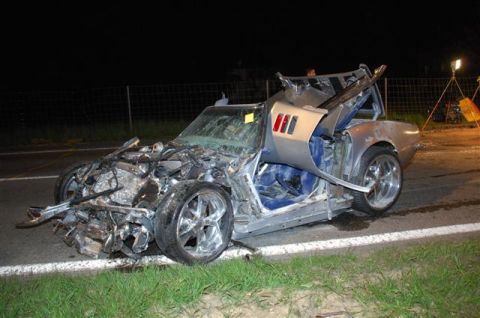
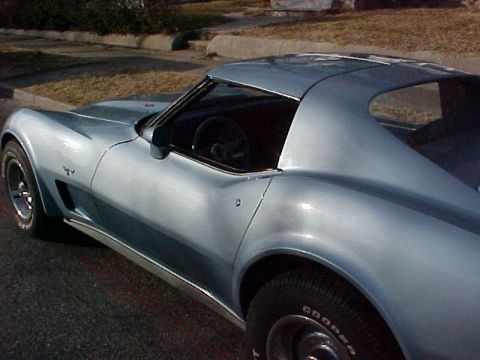
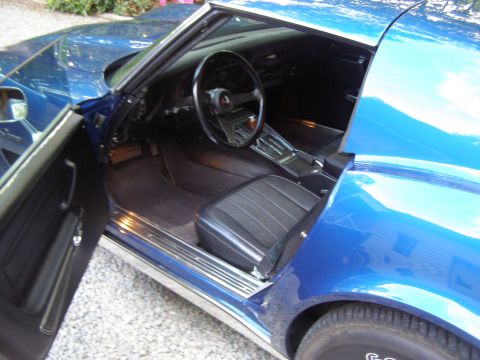
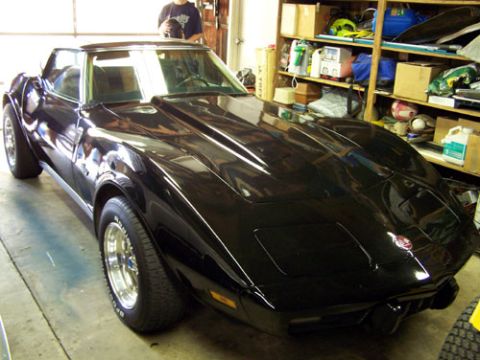
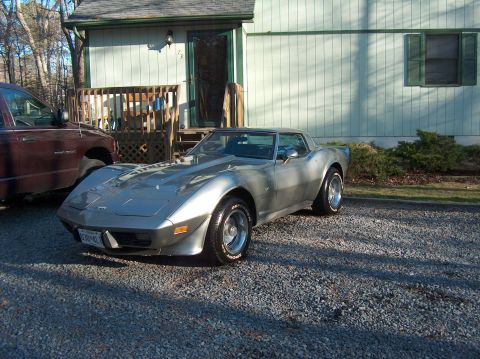
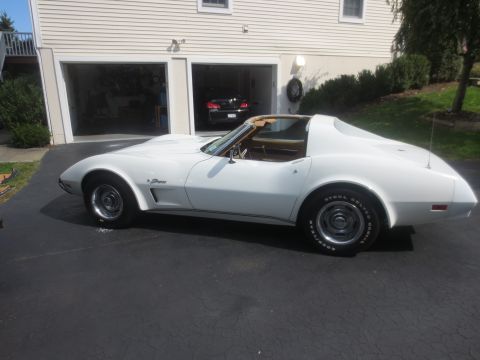
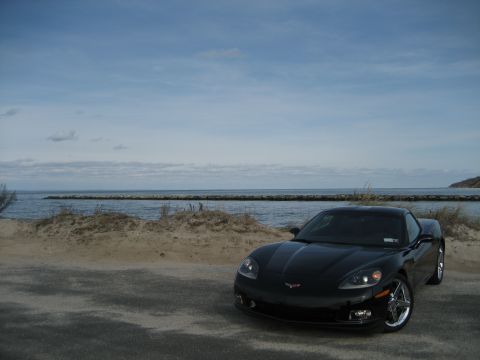
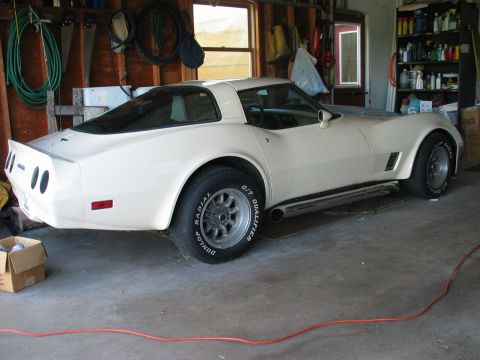
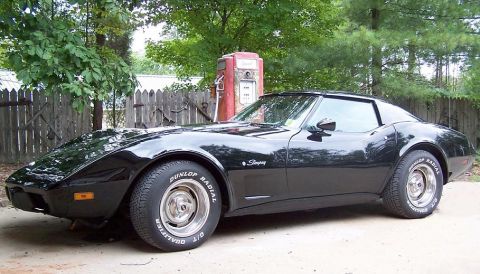
The most-documented Chevrolet Corvettes in the registry, every photo by the owner.
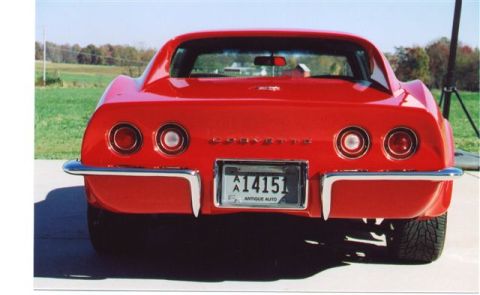
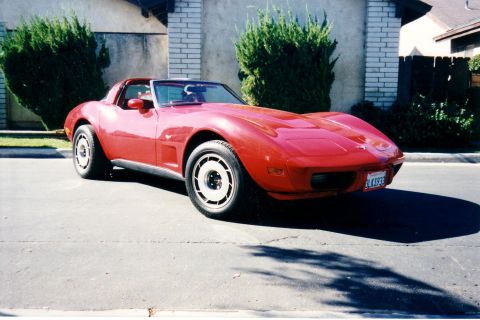
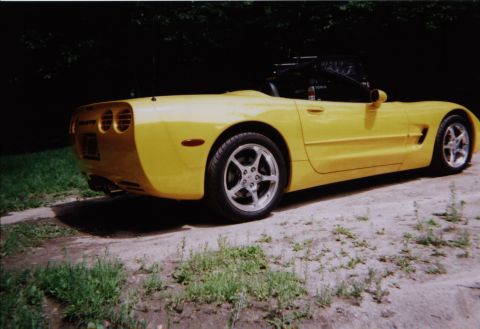
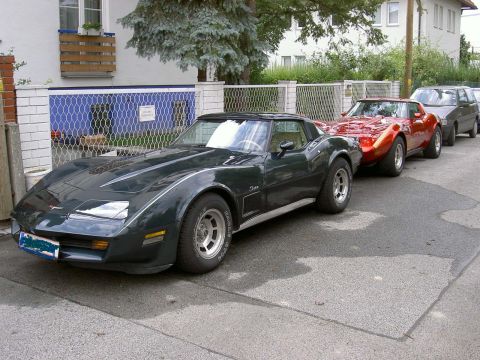

Key facts
| Fact | Detail |
|---|---|
| Production years | 1953 to present (no 1983 model year) |
| Generations | 8 (C1 through C8) |
| Body | Two-seat sports car; fiberglass or composite panels every generation |
| Frames | Steel, then hydroformed steel (C5), then aluminum (C7 base car) |
| Layout | Front engine, rear drive 1953-2019; mid-engine from 2020 |
| Engines | Inline six 1953-1955; V8 available from 1955, standard from 1956 |
| Notable variants | 1963 split-window, L88, ZR-1, Z06, ZR1, Grand Sport, E-Ray |
Generations at a glance
| Generation | Years | Why it matters |
|---|---|---|
| 1953-1962 Corvette C1 | 1953-1962 | Started as a six-cylinder boulevard roadster, ended a genuine performer with the fuel-injected 283 making one horsepower per cubic inch. |
| 1963-1967 Corvette C2 Sting Ray | 1963-1967 | Introduced independent rear suspension and the first Corvette coupe, the one-year-only 1963 split-window; big blocks arrived in 1965. |
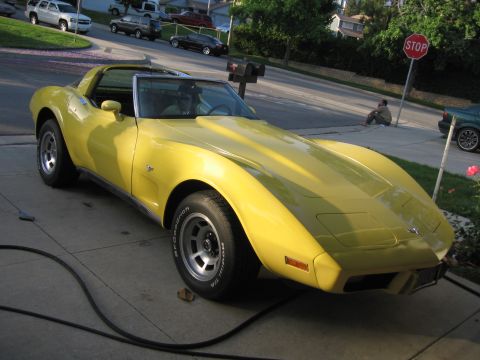
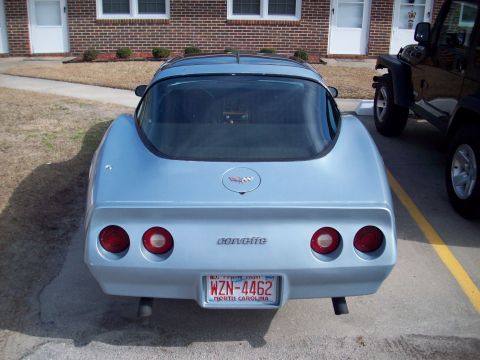
| 1968-1982 Corvette C3 | 1968-1982 | Fifteen years on the C2 chassis under Mako Shark II bodywork; from the 425 hp gross LS6 454 to the emissions-era 165 hp, yet 1979 was the all-time sales peak. |
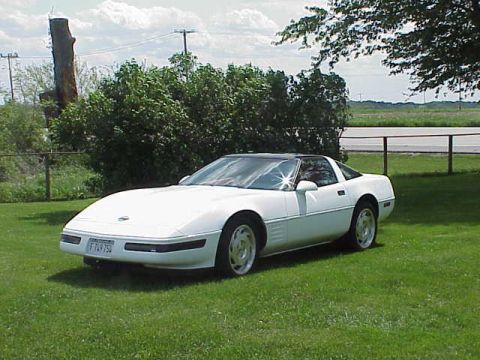
| 1984-1996 Corvette C4 | 1984-1996 | All-new uniframe car with digital instruments and the Lotus-developed DOHC ZR-1; launched late as a 1984 after the skipped 1983 model year. |
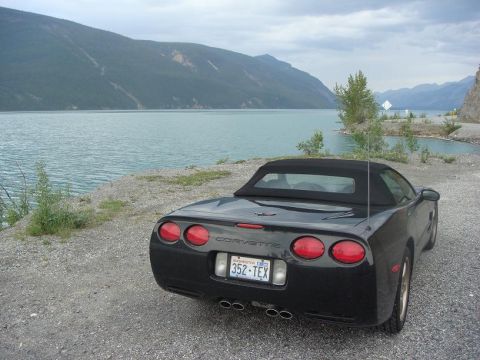
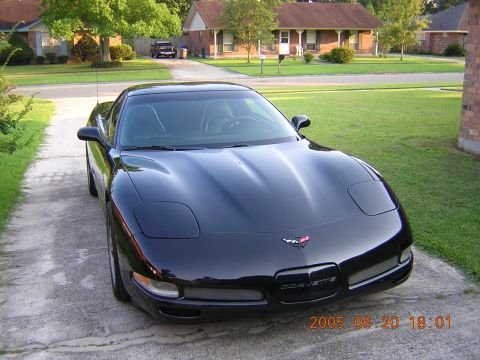
| 1997-2004 Corvette C5 | 1997-2004 | All-aluminum LS1 and a rear transaxle on stiff hydroformed rails; the common entry point for a usable, cheap-to-run V8 sports car. |
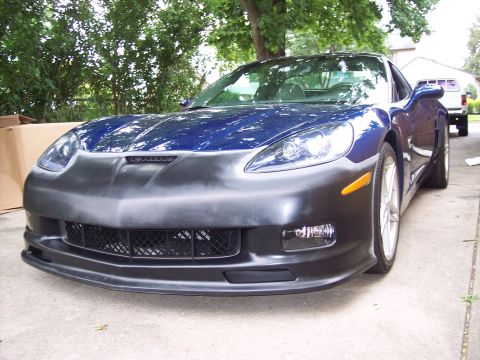
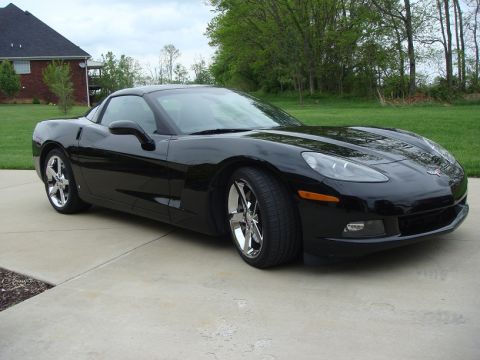
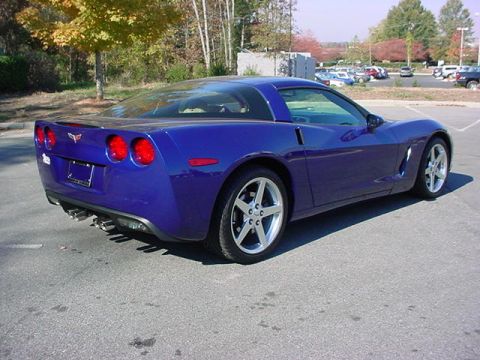
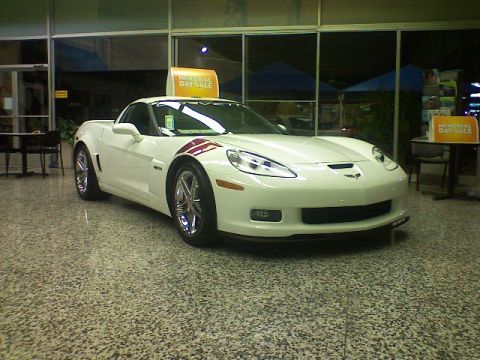
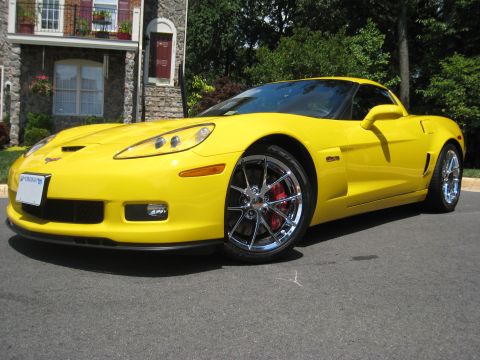
| 2005-2013 Corvette C6 | 2005-2013 | Tighter body, exposed headlights for the first time since 1962, 505 hp LS7 Z06 and the 638 hp supercharged ZR1. |
| 2014-2019 Corvette C7 | 2014-2019 | Aluminum frame on the base Stingray, 7-speed rev-matching manual, and the 755 hp ZR1 that closed the front-engine era. |
| 2020-present Corvette C8 (Mid-Engine) | 2020-present | Engine moved behind the seats with a dual-clutch transaxle; the flat-plane LT6 Z06 and the all-wheel-drive E-Ray followed. |
Chevrolet showed the first Corvette as a Motorama concept in January 1953 and put it into production that June, building 300 cars for the 1953 model year, all Polo White roadsters with the 235 cubic inch Blue Flame inline six and a two-speed Powerglide automatic. The fiberglass body was chosen partly to speed tooling, and the material stuck. The small-block V8 arrived in 1955 and defined the car for the next 65 years.
C1, 1953-1962: six-cylinder roadster to fuel-injected performer
The C1 Chevrolet Corvette started as a six-cylinder boulevard roadster and ended as a genuine performer. The 265 V8 came in 1955, a three-speed manual followed late that year, and the 1957 cars offered the 283 V8 with Rochester mechanical fuel injection rated at up to 283 hp gross, one horsepower per cubic inch. The 1961-1962 cars picked up the ducktail rear that previewed the next generation, and 1962 brought the 327 small block.
C2, 1963-1967: Sting Ray, split-window, and big blocks
The 1963-1967 C2 Corvette Sting Ray introduced independent rear suspension and the first Corvette coupe, the one-year-only 1963 split-window. Small blocks ran from the base 327 up to the 375 hp gross fuel-injected L84. Big blocks arrived in 1965 with the 396, then the 427, topping out with the 1967 L88, officially rated at 430 hp gross and understated on purpose. Four-wheel disc brakes became standard in 1965.
C3, 1968-1982: fifteen years from muscle to malaise
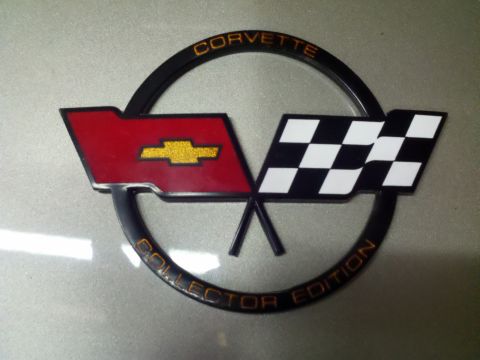
The C3 Chevrolet Corvette ran fifteen model years on the C2 chassis under new bodywork drawn from the Mako Shark II show car. Early cars offered the 427 and then the 454 big block plus the high-winding LT-1 350 small block; the 1971 LS6 454 was rated at 425 hp gross. Emissions rules and the 1972 switch to net ratings cut published output hard, and by 1975 the base engine made 165 hp net. Late C3s sold in huge numbers anyway, with 1979 the all-time peak at 53,807 cars. The generation closed in 1982 with the 200 hp Cross-Fire Injection 350, the first fuel-injected Corvette since 1965, offered only with a four-speed automatic, plus a Collector Edition with a lifting glass hatch.
C4, 1984-1996: the all-new car after the skipped year
The C4 Corvette was an all-new car with a uniframe structure carrying a backbone driveline beam, a clamshell hood, and digital instruments. There was no 1983 model year sold to the public; production issues pushed the launch to March 1983 as a 1984 model. The Tuned Port Injection 350 arrived in 1985, the DOHC 32-valve ZR-1 with the Lotus-developed LT5 ran 1990-1995 at 375 and later 405 hp, and the 1992 LT1 raised the base engine to 300 hp. The 1996 Grand Sport closed the generation with the 330 hp LT4.
C5, 1997-2004: LS1, rear transaxle, and the value pick
The 1997-2004 C5 Chevrolet Corvette introduced the all-aluminum LS1 V8 at 345 hp (350 hp from 2001) and a rear-mounted transaxle for better weight balance. Hydroformed frame rails made it far stiffer than the C4. The fixed-roof hardtop Z06 arrived in 2001 with the LS6, 385 hp at first and 405 hp for 2002-2004. C5s are the common entry point for a usable, cheap-to-run V8 sports car.
C6, 2005-2013: exposed headlights and the 638 hp ZR1
The C6 Corvette kept the C5 architecture but shrank the body, added exposed headlights for the first time since 1962, and started with the 400 hp 6.0L LS2. The 6.2L LS3 at 430 hp took over the base car in 2008. The Z06 used a 505 hp 7.0L LS7 in an aluminum frame, and the 2009-2013 ZR1 ran the supercharged 6.2L LS9 at 638 hp, the fastest factory Corvette to that point.
C7, 2014-2019: the last front-engine Stingray
The 2014-2019 C7 Corvette Stingray brought an aluminum frame to the base car, the direct-injected 6.2L LT1 at 455 hp (460 with the performance exhaust), and a 7-speed manual with rev matching. The Z06 returned in 2015 with the supercharged LT4 at 650 hp, and the 2019 ZR1 finished the front-engine era with the 755 hp LT5.
C8, 2020-present: the engine moves behind the seats
The C8 Chevrolet Corvette moved the engine behind the seats for 2020, pairing the 6.2L LT2 V8 (490 hp standard, 495 hp with the performance exhaust) with an 8-speed dual-clutch transaxle. No manual is offered. The 2023 Z06 introduced the 5.5L flat-plane-crank LT6 at 670 hp, the most powerful naturally aspirated V8 in a production car at its launch, and the 2024 E-Ray added an electric front motor for 655 hp combined and the first all-wheel-drive Corvette.
Asked all the time
Why is there no 1983 Chevrolet Corvette?
Chevrolet skipped the 1983 model year entirely. Production and quality problems with the all-new C4 delayed its launch, so the car went on sale in March 1983 as a 1984 model. Forty-three 1983 cars (prototypes and pilot cars) were built and one survives at the National Corvette Museum, but none were sold to the public.
When did the Corvette first get a V8?
The Chevrolet Corvette received the 265 cubic inch small-block V8 in 1955, its third model year. The 1953 and 1954 cars used the 235 cubic inch Blue Flame inline six with a two-speed Powerglide automatic. The V8 saved the model, and every Corvette from 1956 through today has been V8 powered.
Which Corvette generation is the best value for a driver's car?
The 1997-2004 C5 Chevrolet Corvette is usually the answer. It has the all-aluminum 345-350 hp LS1, a rear transaxle for balance, a stiff hydroformed frame, and huge parts availability, and clean examples still sell well below comparable C2 and C3 money. The 2001-2004 Z06 with the 385-405 hp LS6 is the performance pick of the generation.
When did the Corvette switch to a mid-engine layout?
The Chevrolet Corvette went mid-engine with the C8 generation in the 2020 model year. Every Corvette from 1953 through the 2019 C7 was front-engine. The C8 pairs a 6.2L LT2 V8 behind the seats with an 8-speed dual-clutch transaxle, and it is the first Corvette generation offered without a manual transmission.
Which C2 Corvette years are the most sought after?
For the 1963-1967 C2 Corvette Sting Ray, the 1963 split-window coupe (one year only) and the 1967 big-block cars, especially the 427 L71 and the rare L88, bring the strongest money. Fuel-injected small-block cars from 1963-1965 are also prized. Documentation matters enormously; matching-numbers drivetrains carry a large premium on any C2.
Why did Corvette horsepower drop so much in the 1970s?
Two things hit the C3 Chevrolet Corvette at once. In 1972 the industry switched from gross to net horsepower ratings, which cut published numbers even where actual output changed little, and tightening emissions rules plus lower compression cut real output through the decade. The base 1975 Corvette was rated at 165 hp net, versus 425 hp gross for the 1971 LS6 454.