Home/
Registry/
Ford/
Fairlane/
1968-1969/
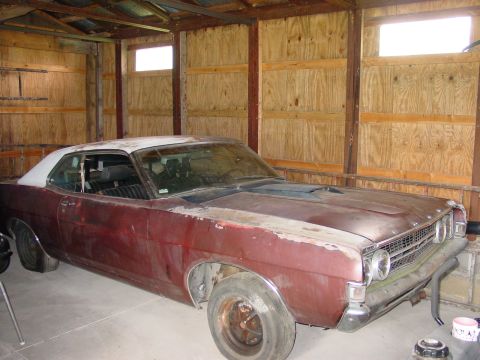
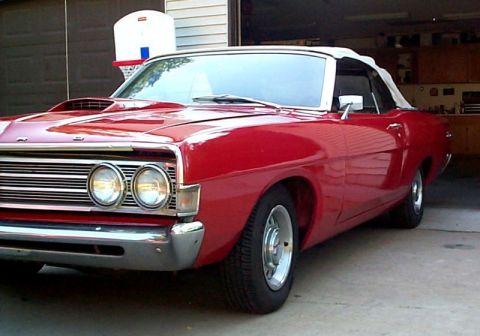
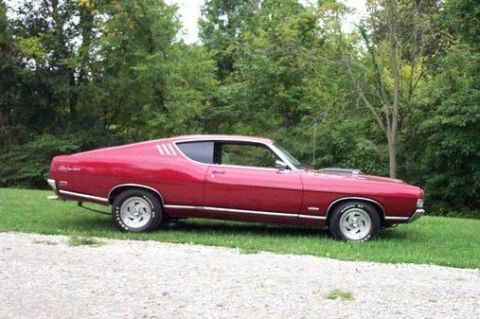
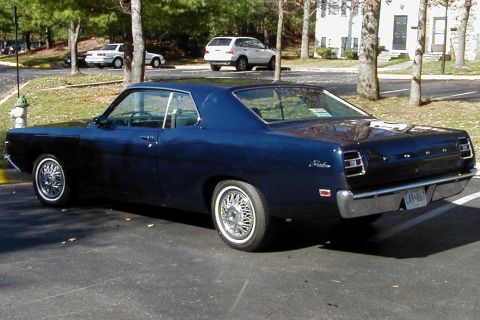
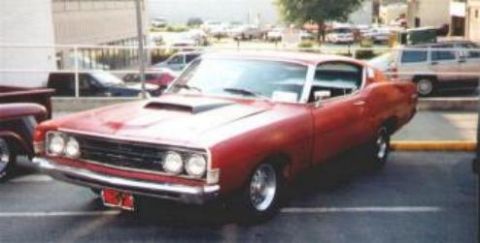
1969 Ford Fairlane/
Photo
supermotors.net/registry/media/1008384
Chatterton Simplic Hyper-Expansion Engine - Some Unusual Engines p.46 (Setright)

Reference · 1968-1969 FairlaneAll 8 manual pages
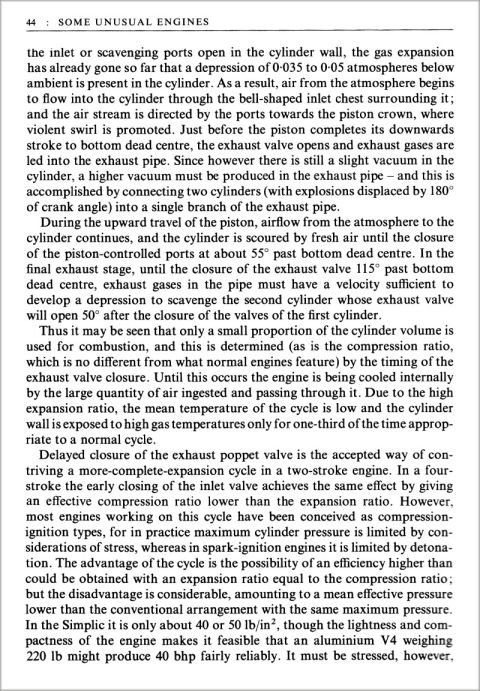
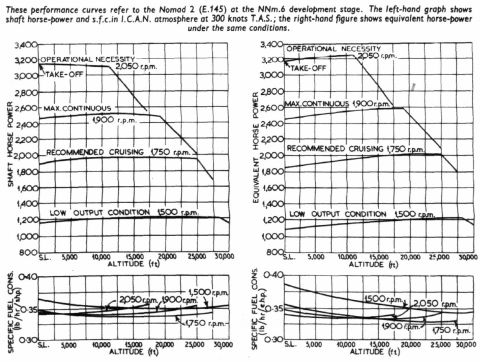
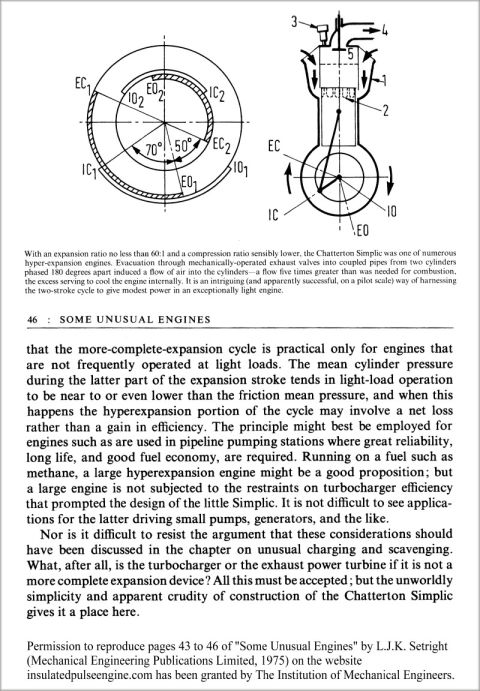
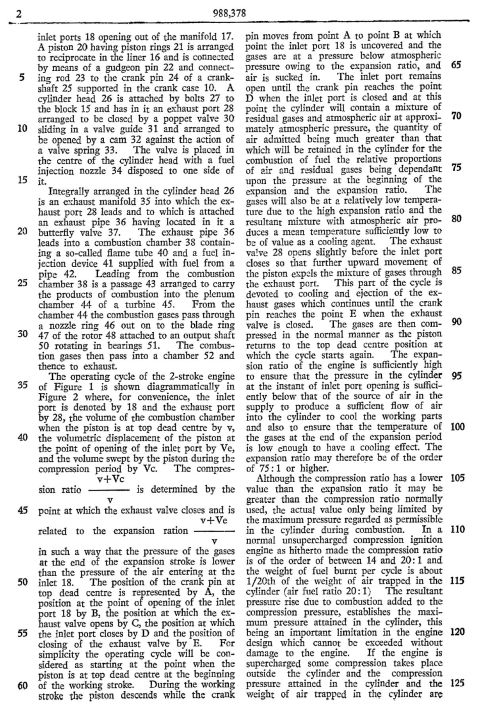
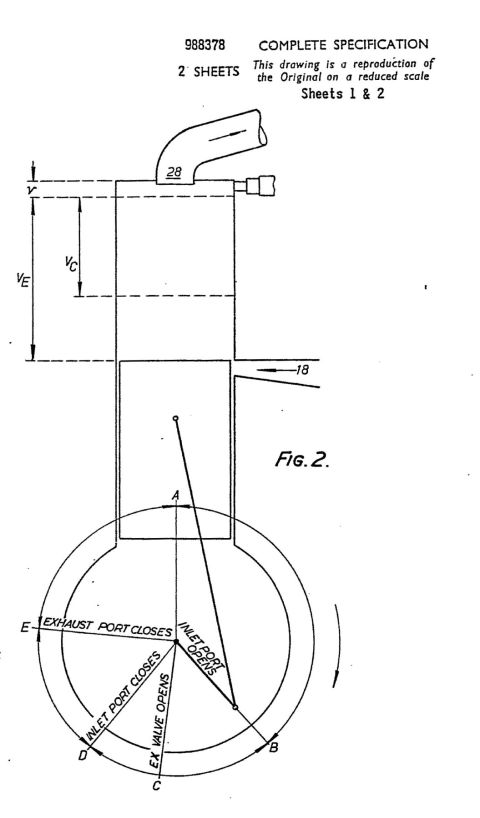
Scanned technical book page from Some Unusual Engines with a port-timing diagram and explanatory text.
Part of 1968-1969 Ford Fairlane Manual Pages
This is a scanned page (page 46) from the 1975 book "Some Unusual Engines" by L.J.K. Setright, published by Mechanical Engineering Publications Limited, reproduced with permission from The Institution of Mechanical Engineers for the website insulatedpulseengine.com. The page discusses the Chatterton Simplic, a hyper-expansion two-stroke engine with an expansion ratio of at least 60:1 and a sensibly lower compression ratio. Two diagrams illustrate the engine: a circular valve/port timing diagram (showing exhaust and intake opening/closing events EC, EO, IC, IO with 70° and 50° angular intervals) and a cross-sectional view of the cylinder and crankcase with numbered callouts. The caption explains that mechanically operated exhaust valves feeding coupled pipes from two cylinders phased 180 degrees apart induced airflow five times greater than needed for combustion, with excess air cooling the engine internally. The text argues the more-complete-expansion cycle is practical only for engines not frequently run at light loads, since hyperexpansion at light load can produce a net efficiency loss. Suggested applications include pipeline pumping stations, methane-fueled engines, small pumps, and generators. The author also compares the concept with turbochargers and exhaust power turbines as complete-expansion devices. This is a general engineering reference, not a vehicle-specific manual page.
Is this accurate? Sign in to help verify it.
Frequently asked questions
- What expansion ratio did the Chatterton Simplic engine use?
- The Chatterton Simplic had an expansion ratio of no less than 60:1, with a compression ratio sensibly lower.
- How was excess air used in the Chatterton Simplic?
- Evacuation through mechanically-operated exhaust valves into coupled pipes from two cylinders phased 180 degrees apart induced airflow five times greater than needed for combustion, with the excess air serving to cool the engine internally.
- When is the more-complete-expansion cycle practical, according to this page?
- It is practical only for engines that are not frequently operated at light loads, because at light load the hyperexpansion portion of the cycle may involve a net loss rather than a gain in efficiency.
- What applications does the author suggest for hyperexpansion engines?
- Pipeline pumping stations where reliability, long life, and fuel economy are needed; large engines running on methane; and the small Simplic driving small pumps, generators, and the like.
- What book is this page from?
- Page 46 of "Some Unusual Engines" by L.J.K. Setright, Mechanical Engineering Publications Limited, 1975, reproduced with permission of The Institution of Mechanical Engineers on insulatedpulseengine.com.
No comments yet.