Model hub · Suzuki
Suzuki Samurai: History, Generations & Specs
The Suzuki Samurai is a body-on-frame mini 4x4 sold new in the United States for the 1986-1995 model years, the American-market version of Suzuki's SJ413. All US trucks form a single generation built on one simple recipe: a 1.3 liter inline-four, a 5-speed manual, and in standard form part-time four-wheel drive with a two-speed transfer case and leaf springs at all four corners, at a curb weight just under 2,100 pounds. It sold as a soft-top convertible and a hardtop "tin top." Cheap, light, and remarkably capable off road, it sold over 80,000 units in 1987, then never recovered from a 1988 Consumer Reports rollover rating. The last US model year was 1995, and clean stock survivors are now harder to find than modified ones.
Pick your generation
Each generation page covers what changed year by year, what owners call them, and the wall of registered vehicles.
By model year
More Suzuki models
The wall
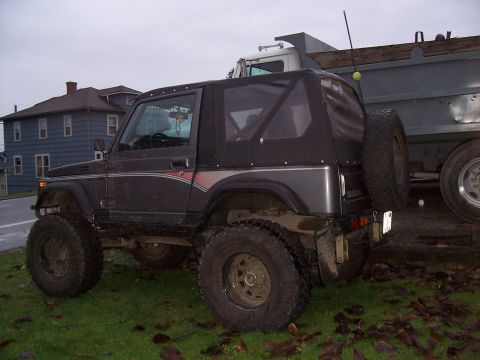
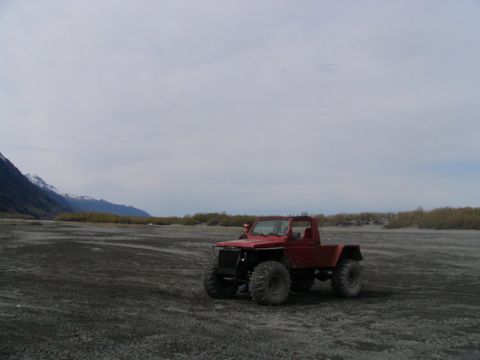
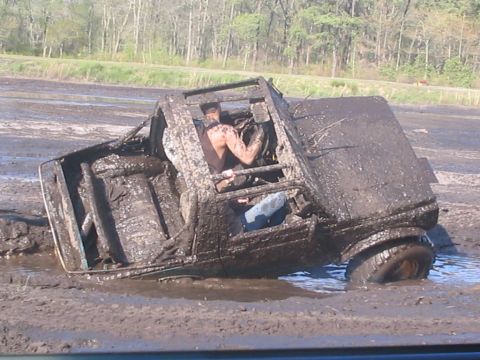
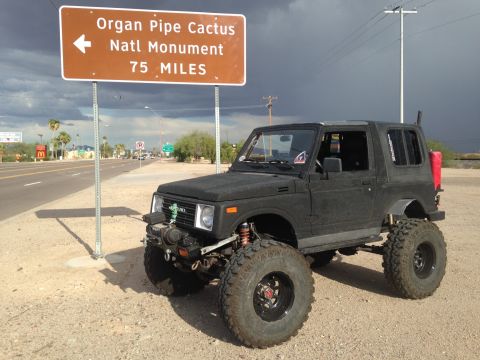
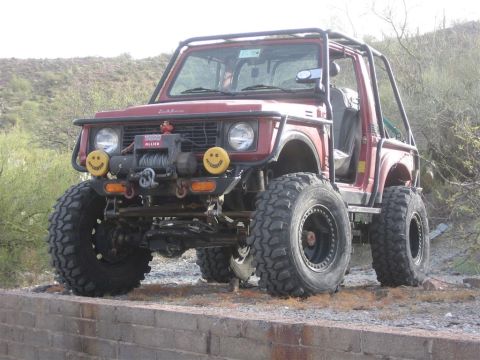
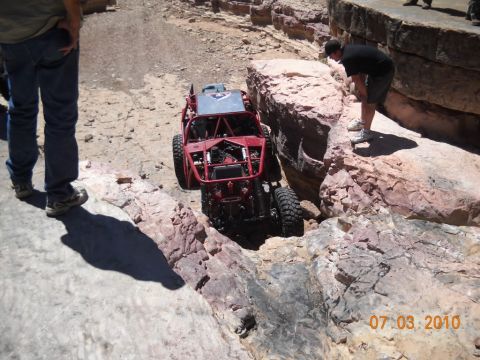
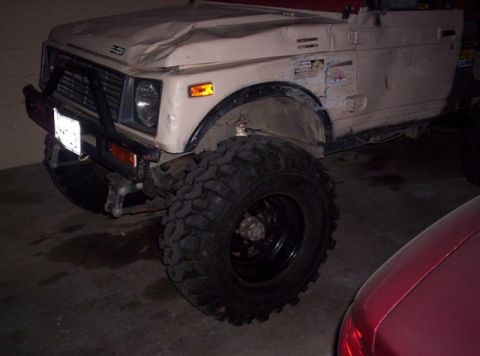
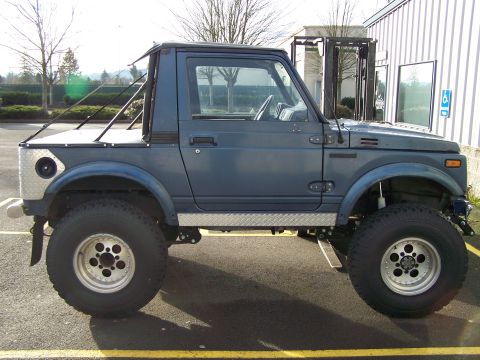
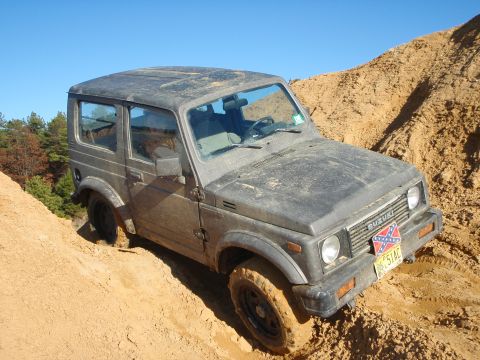
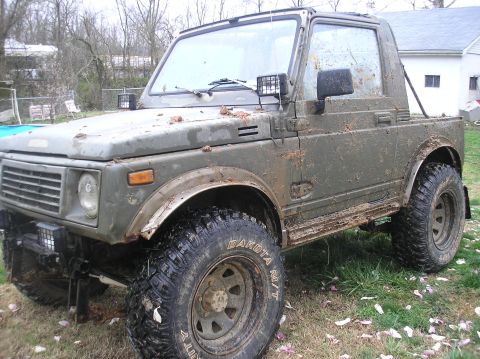
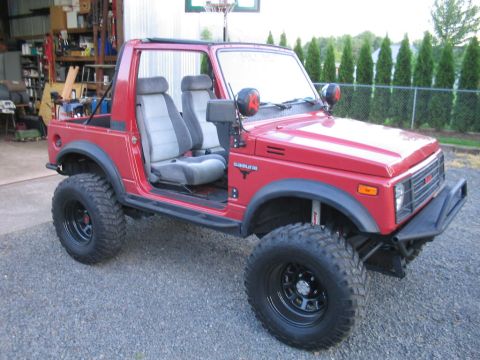
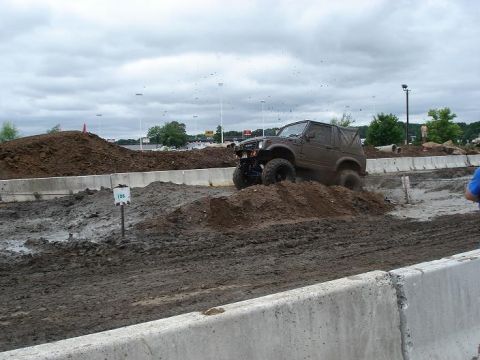
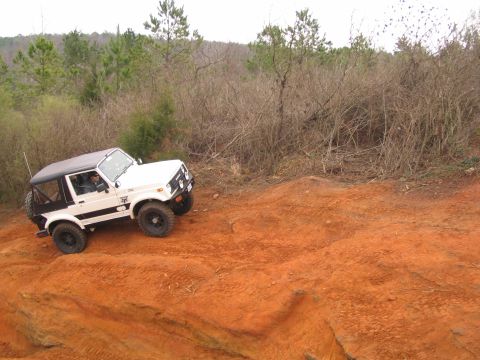
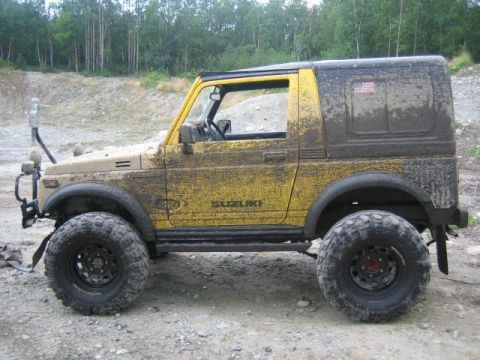
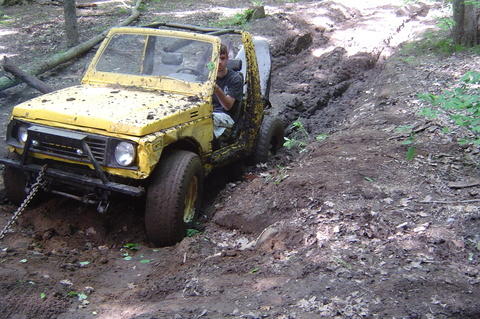
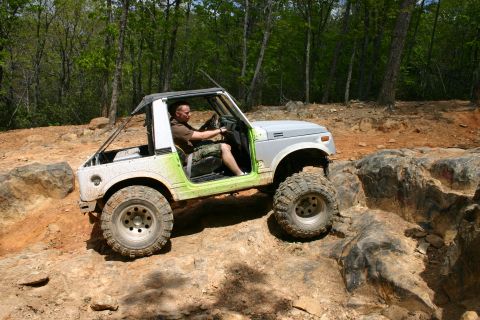
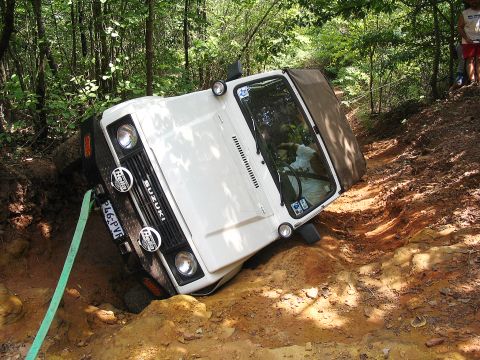
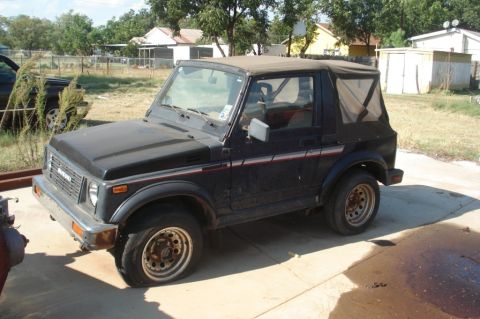
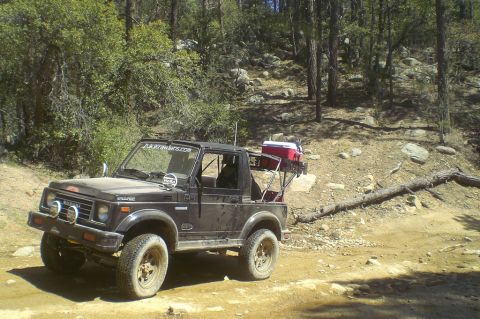
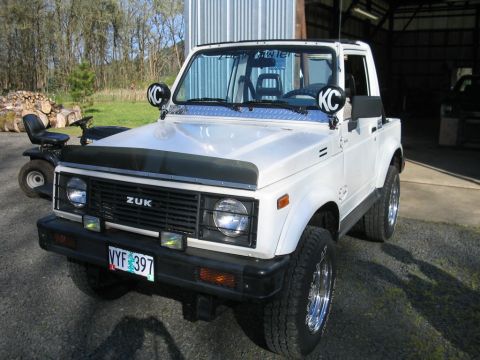
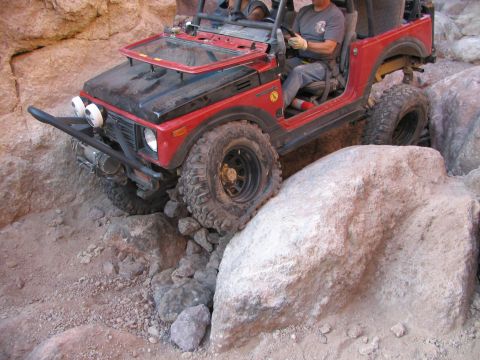
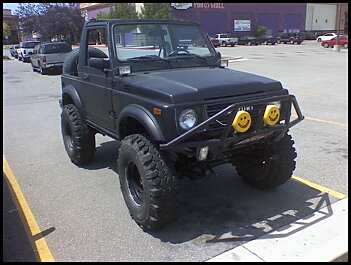
The most-documented Suzuki Samurais in the registry, every photo by the owner.
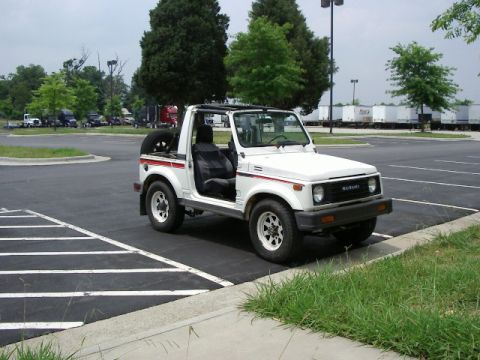
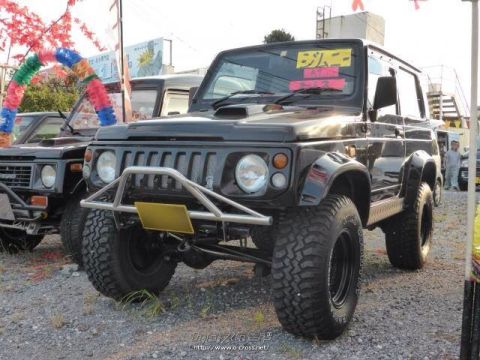
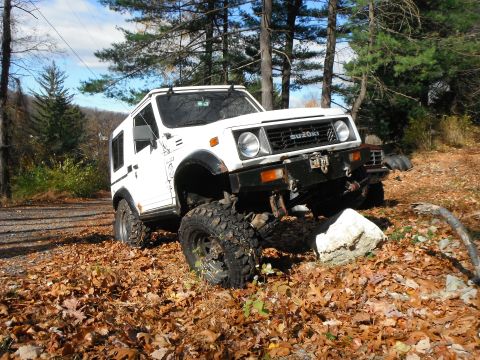
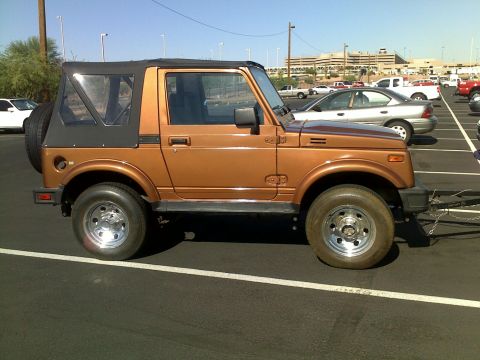
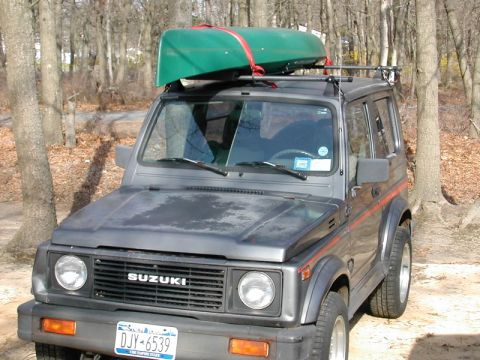
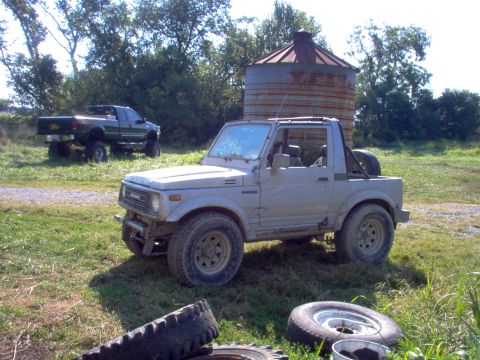
Key facts
| Fact | Detail |
|---|---|
| US production years | 1986-1995 |
| Generations (US) | 1 (single generation covers the whole run) |
| Class | Body-on-frame mini 4x4 |
| Platform | Suzuki SJ413 (SJ/LJ light 4x4 line; sold elsewhere as Sierra) |
| Engine | 1.3 liter inline-four; carbureted through 1989 (low-60s hp), throttle-body injected from 1990 (66 hp) |
| Drivetrain | 5-speed manual; standard part-time 4WD with two-speed transfer case; leaf springs front and rear |
| Curb weight | Just under 2,100 pounds |
| Body styles | Soft-top convertible and hardtop "tin top" (hardtop dropped around 1990) |
| Notable variants | Rear-drive 2WD JA and JS trims, early 1990s |
Generations at a glance
| Generation | Years | Why it matters |
|---|---|---|
| 1986-1995 Samurai (SJ413) | 1986-1995 | The only US generation: ladder frame, 1.3 liter four, part-time 4WD, and a first-year price of $6,200 that made it a sales hit before the 1988 Consumer Reports rollover rating ended the boom. |
The Samurai descends from Suzuki's long-running LJ and SJ light 4x4 line. The US truck is the SJ413, sold elsewhere under names like Sierra and, in earlier smaller-engined form, SJ410. When Suzuki brought it to the United States for the 1986 model year the base price was $6,200, about two thirds the price of a Jeep Wrangler, and it sold in numbers Suzuki never repeated here: 47,000 in the first year, and more than 80,000 in 1987.
1986-1995: the single US generation
Every US Samurai uses the same basic recipe: a ladder frame, leaf springs front and rear, a 1.3 liter inline-four, a 5-speed manual, and in standard form a part-time transfer case with a low range. The light curb weight is why the little 1.3 moves it acceptably and why the truck crawls so well off road. The slow-selling hardtop was dropped around 1990, leaving the soft top to carry the rest of the run. A mid-1988 running change softened the suspension, lowered the fifth gear ratio, and redesigned the dash. In the early 1990s Suzuki also sold rear-drive 2WD versions, the JA and JS trims, the one exception to the 4x4 formula, and for 1994 the rear seat was deleted rather than add the rear shoulder belts that new US safety rules required.
The nameplate's turning point came in June 1988, when Consumers Union announced that Consumer Reports had rated the Samurai "not acceptable" for rollover propensity in its avoidance-maneuver testing, published in the July 1988 issue. Samurai sales fell 70.6 percent that same month against June 1987 and never recovered. Suzuki sued Consumers Union over the testing in 1996, and the case ended in 2004 with the suit dismissed by mutual agreement and no money changing hands, each side characterizing the outcome in its own favor. The last US model year was 1995, though the SJ platform continued in other markets long after.
For buyers today the practical split is early carbureted trucks (1986-1989) versus later throttle-body injected ones (1990-1995). The injected engine is easier to live with; the early Hitachi carburetor is a known headache and many owners swap it for a simpler aftermarket carb. Rust in the frame, rockers, and floors matters far more than the odometer. The aftermarket for lockers, gearing, and spring-over conversions is deep, and unmolested stock trucks are getting harder to find than modified ones.
Asked all the time
What engine does the Suzuki Samurai have?
Every US-market Suzuki Samurai (1986-1995) uses a 1.3 liter inline-four from the G13 family. The 1986-1989 trucks are carbureted, with horsepower in the low 60s; the 1990-1995 trucks use throttle-body fuel injection rated at 66 hp. Curb weight just under 2,100 pounds keeps the truck usable, especially with the two-speed transfer case in low range on the 4WD models.
Which Suzuki Samurai years are best to buy?
Mechanically the trucks are similar across 1986-1995, so condition beats year. Many buyers prefer the fuel-injected 1990-1995 Samurais over the 1986-1989 carbureted trucks because the stock Hitachi carburetor is fussy with age. Rust in the frame, rockers, and floor pans is the real deciding factor on any year.
Did the Suzuki Samurai really roll over easily?
In June 1988 Consumers Union announced that Consumer Reports had rated the Suzuki Samurai "not acceptable" for rollover propensity in its avoidance-maneuver testing, published in the July 1988 issue, and US sales fell 70.6 percent that month. Suzuki sued Consumers Union in 1996 over the testing; the case ended in 2004 with the suit dismissed and no money changing hands. As with any short-wheelbase, narrow-track 4x4, driving style and modifications (lift height, tire size) matter a great deal.
Is the Suzuki Samurai the same as the SJ413?
Yes. The US-market Suzuki Samurai (1986-1995) is Suzuki's SJ413, sold in other markets under names such as Sierra. The related SJ410 used a smaller 1.0 liter engine and was not the US Samurai specification.
Were all US Suzuki Samurais four-wheel drive?
Almost all, but not every one. The standard 1986-1995 Samurai is part-time 4WD with a two-speed transfer case, and Suzuki also sold rear-drive 2WD versions in the US for a few years in the early 1990s, the JA and JS trims. Confirm the transfer case and front hubs are present before assuming a given truck is a 4x4.
How capable is a stock Suzuki Samurai off road?
Very capable for its size. The 1986-1995 Samurai 4x4 combines a ladder frame, solid axles on leaf springs at both ends, part-time four-wheel drive, a two-speed transfer case, and a curb weight just under 2,100 pounds. The light weight and short wheelbase (79.9 inches on early trucks) let it pick through terrain that stops heavier trucks, and the aftermarket for lockers, gears, and suspension is extensive.
What body styles did the Suzuki Samurai come in?
The US Suzuki Samurai (1986-1995) came as a soft-top convertible and as a hardtop, which owners call the tin top. The slow-selling hardtop was dropped around 1990, so later trucks are all soft tops. They share the same frame, drivetrain, and suspension. The rear seat was deleted for 1994 rather than add the rear shoulder belts that new US safety rules required.