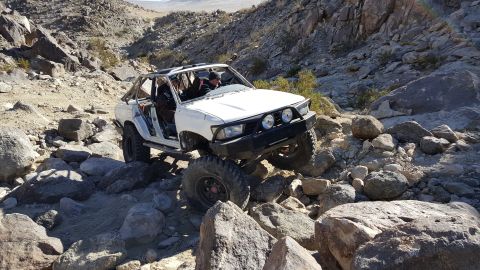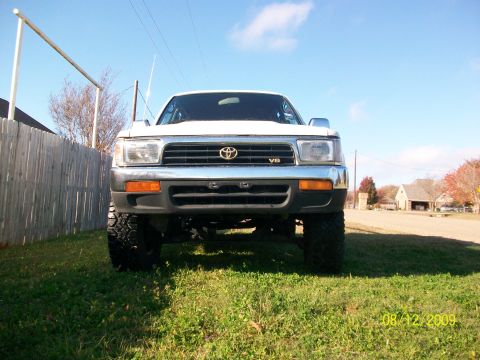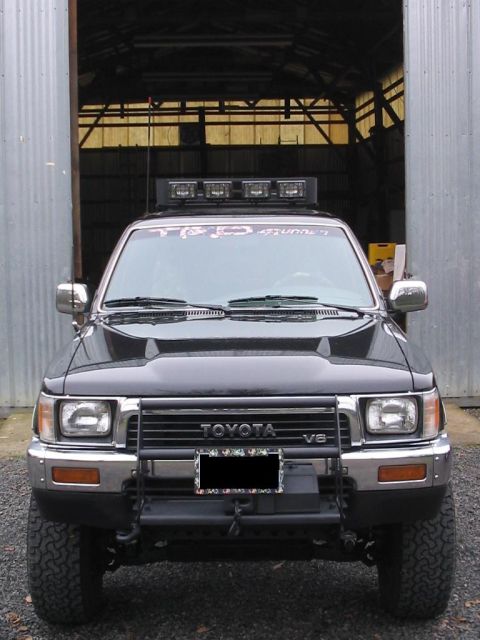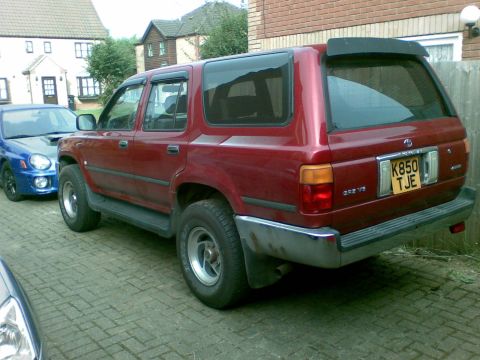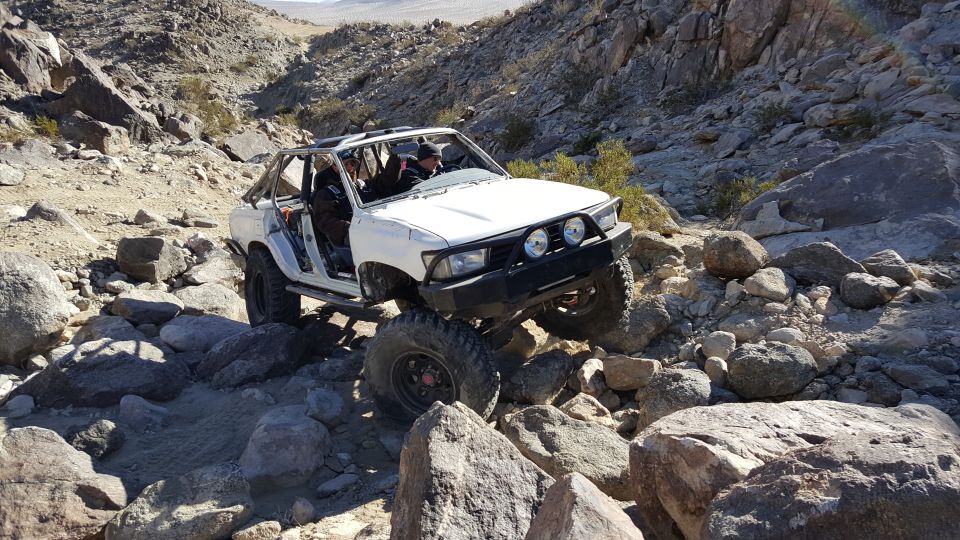
The second-generation Toyota 4Runner (1990-1995) moved to a dedicated wagon body with a fixed steel roof, replacing the first generation's removable fiberglass top over a pickup bed. Toyota offered it in two-door and four-door configurations, both built on a body-on-frame chassis derived from the Hilux/Toyota Pickup. Power came from a 2.4 liter 22R-E inline-four or a 3.0 liter 3VZ-E V6, with rear-wheel drive or part-time four-wheel drive.
Other Toyota 4Runner generations
Platform and body
The second-generation Toyota 4Runner (1990-1995) used body-on-frame construction shared with the Toyota Pickup/Hilux of the same era. Unlike the first-generation 4Runner, which was a pickup fitted with a removable fiberglass canopy, the 1990-1995 model had a fully integrated steel body and fixed roof. It was sold as a two-door and as a four-door.
Engine lineup
- 2.4 liter 22R-E inline-four: a SOHC 2,366 cc fuel-injected four rated at 116 horsepower.
- 3.0 liter 3VZ-E V6: a SOHC 2,958 cc fuel-injected V6 rated at 150 horsepower and roughly 180 lb-ft of torque, the top engine across the run.
Drivetrain
The 1990-1995 4Runner was offered in rear-wheel drive (4x2) and part-time four-wheel drive (4x4) with a two-speed transfer case. The four-wheel-drive system was not full-time; it engaged for low-traction use rather than continuous dry-pavement operation.
Transmissions
A five-speed manual was standard. A four-speed automatic (Toyota A340-series) was available, most commonly paired with the 3.0 liter 3VZ-E V6.
Year-by-year notable changes
- 1990: introduction of the new wagon body, replacing the canopy-style first generation.
- 1992: exterior refresh, including revised front-end styling.
- 1993: interior revisions and addition of a driver-side airbag.
- 1995: final model year for this generation; the third generation with the 3.4 liter 5VZ-E V6 followed for 1996.
Trims and variants
The 1990-1995 4Runner was sold in base and SR5 trim levels, with the SR5 the more commonly equipped grade. Buyers could combine two-door or four-door bodies, the four-cylinder or V6 engine, and rear- or four-wheel drive.
Asked all the time
What engines were available in the 1990-1995 Toyota 4Runner?
Two engines were offered: the 2.4 liter 22R-E inline-four rated at 116 horsepower, and the 3.0 liter 3VZ-E V6 rated at 150 horsepower with about 180 lb-ft of torque.
How is the second-generation 4Runner different from the first?
The first-generation 4Runner was a Toyota Pickup fitted with a removable fiberglass top over the bed. The 1990-1995 second generation is a purpose-built wagon with a fixed steel roof and an integrated body, sold in two-door and four-door forms.
Did the 1990-1995 4Runner come with four doors?
Yes. The second generation was available as both a two-door and a four-door, and the four-door body was new to the 4Runner line for this generation. The two-door was the slower seller and was dropped from the US lineup after the 1992 model year, leaving the four-door for the later years.
What transmissions and drivetrains were offered?
A five-speed manual was standard and a four-speed automatic was optional, most often with the V6. Both rear-wheel drive and part-time four-wheel drive with a two-speed transfer case were available.
Which years should a buyer look at within this generation?
The 1992 refresh brought one-piece front bumpers and updated headlamps, and leather became available that year. For 1995, the final year, Toyota added the upscale Limited trim with leather and wood-grain trim. Across the run, the V6 3VZ-E cars offer more power than the 22R-E four.
Technical Reference
Member-uploaded diagrams & documents for this generation. AI-classified; community-verified where badged.
Service Procedures (1)
The wall · registered 1990-1995 4Runners
Sorted by depth of documentation. Click any vehicle to open its permanent record.