Model hub · Toyota
Toyota 4Runner: History, Generations & Specs
The Toyota 4Runner is a body-on-frame midsize SUV that Toyota has built since the 1984 model year, spanning six generations that continue in production today. It started as a variant of the Toyota Pickup (Hilux), with a fiberglass rear canopy fitted over a short-bed truck to create a two-door SUV, and it later shared underpinnings with the Tacoma. Throughout its run it has kept a truck-based ladder frame and available part-time four-wheel drive with a two-speed transfer case, while power shifted from four-cylinders to V6s, an available V8, and now turbocharged four-cylinder and hybrid engines. The four-door body arrived with the 1990 second generation, and after a brief two-door overlap the 4Runner became a four-door-only SUV.
Pick your generation
Each generation page covers what changed year by year, what owners call them, and the wall of registered vehicles.
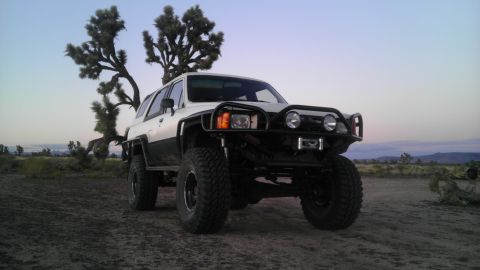 Open1984-1989First-Gen 4Runner1,184 photos · 17 registered
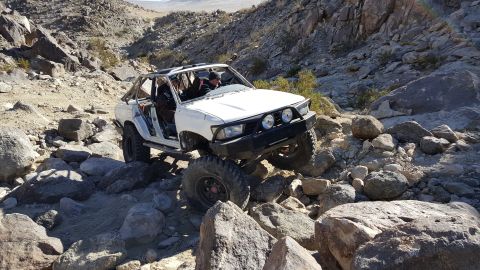 Open1990-1995Second-Gen 4Runner1,807 photos · 7 registered
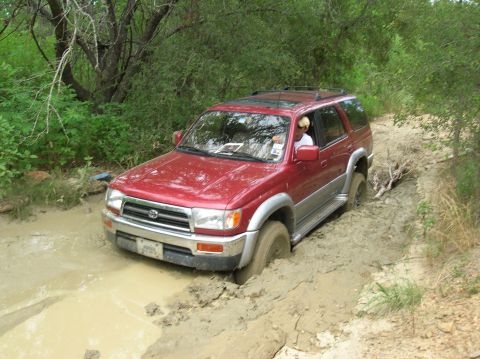 Open1996-2002Third-Gen 4Runner285 photos · 5 registered
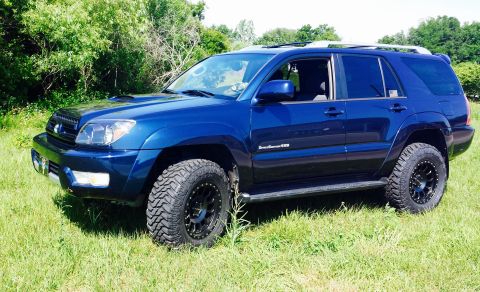 Open2003-2009Fourth-Gen 4Runner135 photos · 3 registered
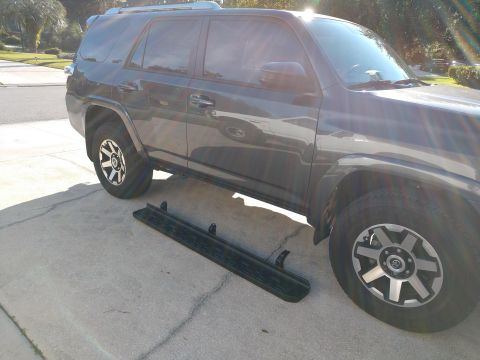 Open2010-2024Fifth-Gen 4Runner103 photos · 3 registered
Open2025-2026Sixth-Gen 4RunnerBe the first · add yours
Open2010-2024Fifth-Gen 4Runner103 photos · 3 registered
Open2025-2026Sixth-Gen 4RunnerBe the first · add yours
By model year
More Toyota models
The wall
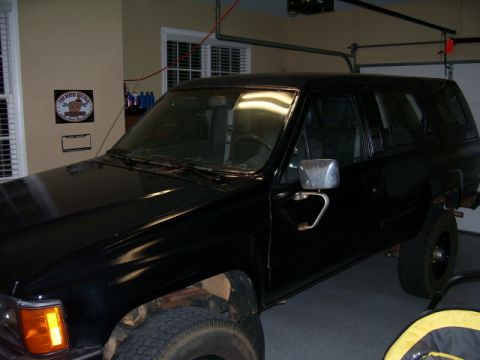
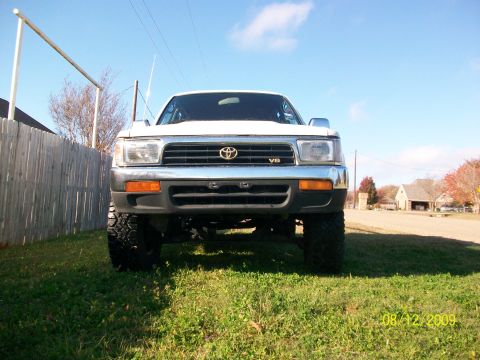
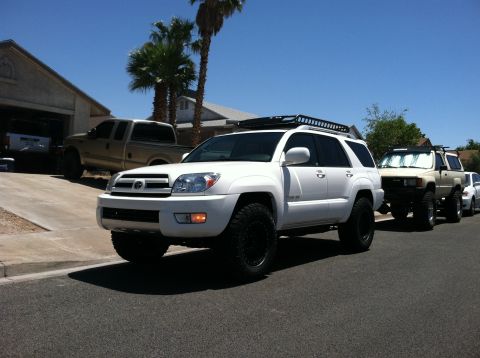
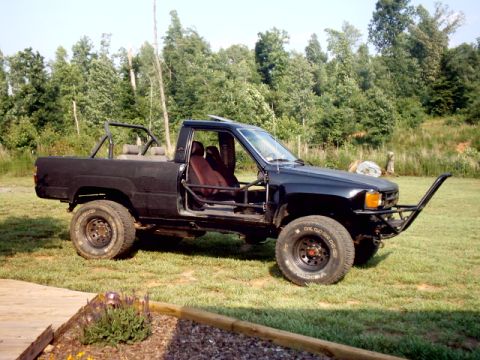
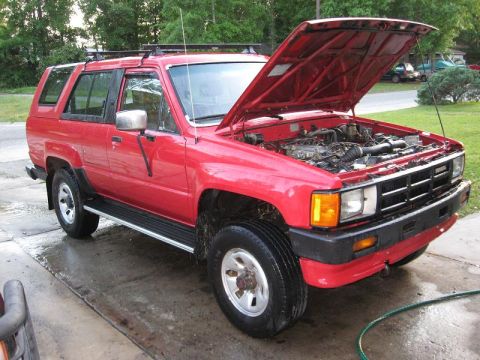
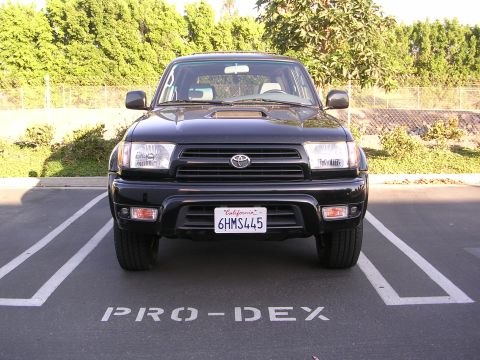
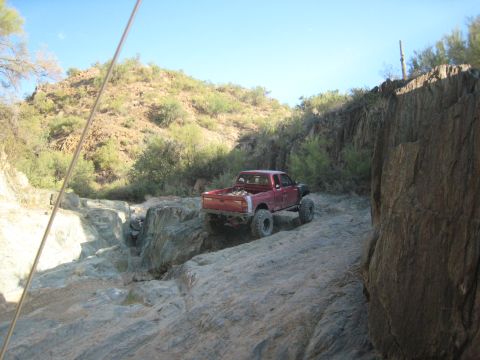
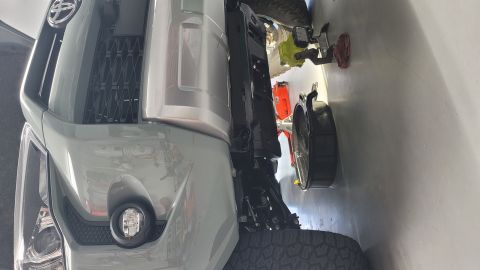
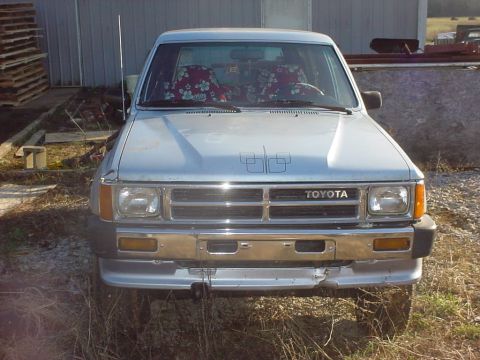
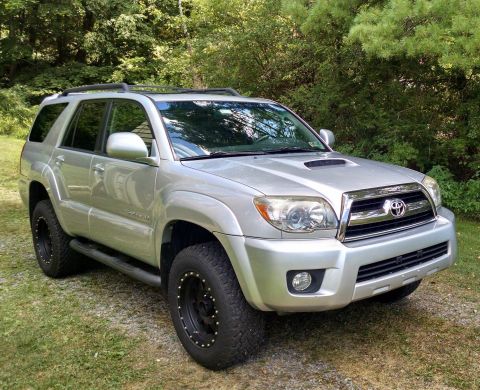
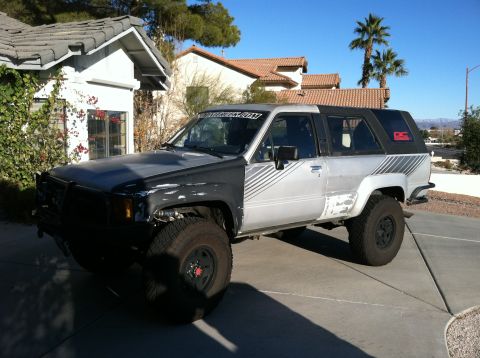
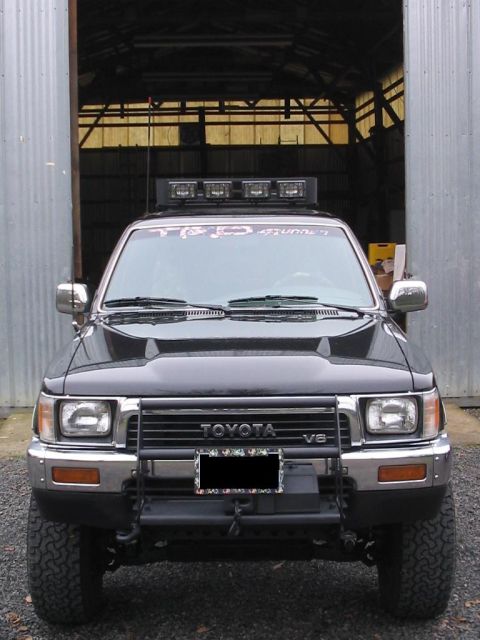
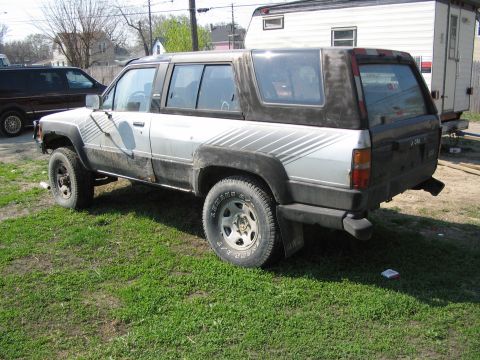
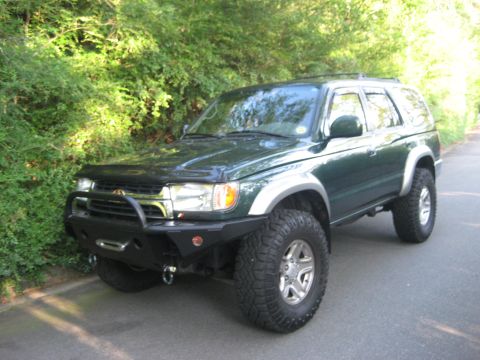
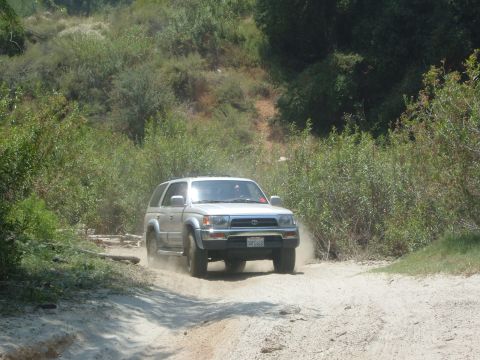
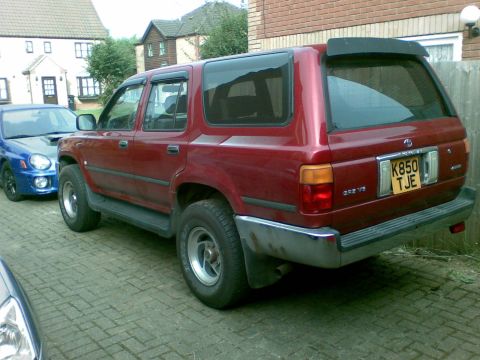
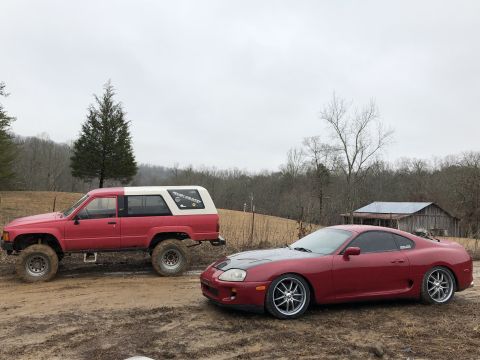
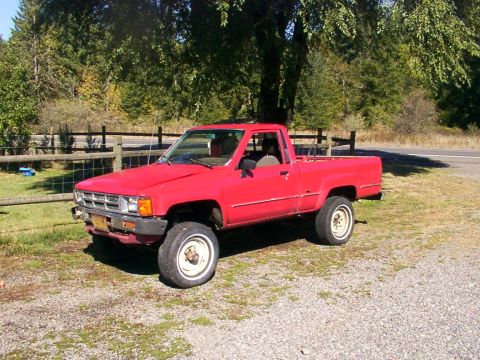
The most-documented Toyota 4Runners in the registry, every photo by the owner.
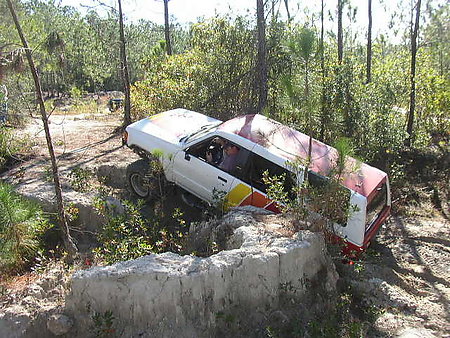
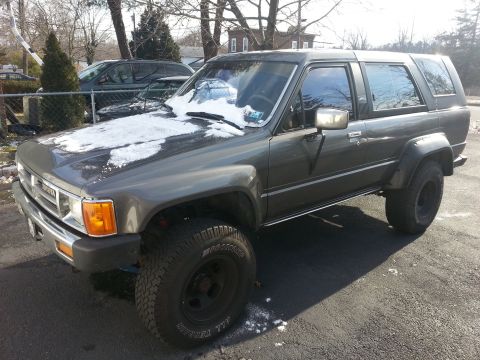
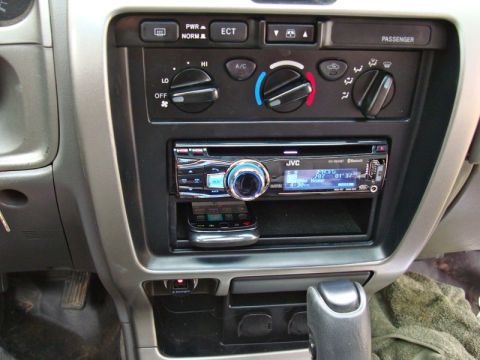

Key facts
| Fact | Detail |
|---|---|
| Production years | 1984 model year to present |
| Generations | Six |
| Class and body | Body-on-frame midsize SUV; two-door through 1989, four-door from 1990 (two-door overlap in 1990-1991), four-door only since |
| Platform | Toyota truck ladder frames: Hilux/Pickup, then Tacoma-shared, now TNGA-F (shared with Tacoma and Land Cruiser) |
| Drivetrain | Rear-wheel drive or part-time four-wheel drive with a two-speed transfer case |
| Notable variants | Turbocharged 22R-TE (1986-1987), available V8 (2003-2009), Trail/TRD Off-Road and TRD Pro trims, i-FORCE MAX hybrid (2025-present) |
Generations at a glance
| Generation | Years | What defines it |
|---|---|---|
| 1984-1989 First-Gen 4Runner | 1984-1989 | Two-door SUV based on the Toyota Pickup with a removable rear top; 22R/22RE fours, a turbo four for 1986-1987, and a 3.0-liter V6 from 1988. |
| 1990-1995 Second-Gen 4Runner | 1990-1995 | Introduced the four-door body and a fixed roof; the two-door lasted only through 1991. |
| 1996-2002 Third-Gen 4Runner | 1996-2002 | Moved to coil-spring rear suspension and Tacoma-shared underpinnings, with the 3.4-liter 5VZ-FE V6. |
| 2003-2009 Fourth-Gen 4Runner | 2003-2009 | Grew in size, adopted the 4.0-liter 1GR-FE V6, and offered the only V8 in 4Runner history. |
| 2010-2024 Fifth-Gen 4Runner | 2010-2024 | Long-running 270-horsepower V6 generation with Trail/TRD Off-Road and TRD Pro trims, built through 2024. |
| 2025-2026 Sixth-Gen 4Runner | 2025-present | Moved to the TNGA-F platform and replaced the V6 with turbocharged 2.4-liter and hybrid power. |
The Toyota 4Runner began as a variant of the Toyota Pickup (Hilux), fitting a fiberglass rear canopy over a short-bed truck to create a two-door SUV. It has been built on Toyota truck ladder frames throughout its production, sharing components first with the Pickup and later with the Tacoma. The sections below cover each generation's platform and powertrain in detail.
First generation (1984-1989)
The first-generation 4Runner (N60) was a two-door SUV based on the Toyota Pickup, with a removable rear top over the cargo area. Early U.S. cars used the 2.4-liter 22R and fuel-injected 22RE inline-four; a turbocharged 22R-TE four-cylinder (about 135 horsepower) was offered for 1986-1987, and a 3.0-liter 3VZ-E V6 rated at 150 horsepower arrived for 1988. Rear-wheel drive and part-time four-wheel drive with a solid front axle (1984-1985) were offered, with a double-wishbone independent front suspension replacing the solid axle from 1986, plus four- and five-speed manuals and an automatic.
Second generation (1990-1995)
The second-generation 4Runner (N120/N130) introduced a four-door SUV body and switched to a fixed roof, dropping the first generation's removable top. A two-door body was also offered for the 1990 and 1991 model years before being discontinued, leaving the four-door as the only body style. Engines included the 2.4-liter 22RE four-cylinder (116 horsepower) and the 3.0-liter 3VZ-E V6 rated at 150 horsepower. Rear-wheel drive and part-time four-wheel drive were offered with manual and automatic transmissions.
Third generation (1996-2002)
The third-generation 4Runner (N180) introduced coil-spring rear suspension in place of leaf springs and shared underpinnings with the Tacoma. Powertrains were the 2.7-liter 3RZ-FE four-cylinder (150 horsepower) and the 3.4-liter 5VZ-FE V6 rated at about 183 horsepower; the four-cylinder was dropped for 2001-2002, leaving the V6 as the sole engine. Both rear-wheel drive and four-wheel drive were available with five-speed manual or four-speed automatic transmissions.
Fourth generation (2003-2009)
The fourth-generation 4Runner (N210) grew in size and adopted the 4.0-liter 1GR-FE V6, rated at 245 horsepower early (2003-2005) and re-rated to 236 horsepower for 2006-2009, plus an available 4.7-liter 2UZ-FE V8 (235 horsepower, rising to 270 horsepower for 2005). It offered rear-wheel drive and four-wheel drive with automatic transmissions (five-speed on V8 models), plus available electronic aids such as Downhill Assist Control and a rear locking differential on some trims. No other 4Runner generation offered a V8.
Fifth generation (2010-2024)
The fifth-generation 4Runner (N280) was powered almost entirely by the 4.0-liter 1GR-FE V6 rated at 270 horsepower and paired with a five-speed automatic. For the 2010 model year only, a 2.7-liter 2TR-FE four-cylinder (about 157 horsepower) with a four-speed automatic was offered on the base rear-wheel-drive model before being dropped. It was offered in rear-wheel drive and four-wheel drive configurations, with trims including the trail-oriented TRD Pro and the Trail/TRD Off-Road featuring a locking rear differential and the KDSS suspension option. This generation ran with periodic updates through the 2024 model year.
Sixth generation (2025-present)
The sixth-generation 4Runner moved to Toyota's TNGA-F body-on-frame platform shared with the Tacoma and Land Cruiser. It replaced the V6 with turbocharged 2.4-liter four-cylinder power, offered as the i-FORCE engine (278 horsepower) and an i-FORCE MAX hybrid (up to 326 horsepower), paired with an eight-speed automatic. Rear-wheel drive and four-wheel drive remain available across the trim range.
Asked all the time
Which engines did the Toyota 4Runner use over the years?
Early 4Runners used the 2.4-liter 22R/22RE four-cylinder and 3.0-liter 3VZ-E V6 (1984-1995). The third generation added the 3.4-liter 5VZ-FE V6. The fourth generation (2003-2009) introduced the 4.0-liter 1GR-FE V6 and an available 4.7-liter 2UZ-FE V8. The fifth generation (2010-2024) used the 4.0-liter V6 at 270 horsepower, and the sixth generation (2025-present) switched to a turbocharged 2.4-liter four-cylinder with an available hybrid.
When did the 4Runner become a four-door SUV?
The 4Runner was a two-door SUV in its first generation (1984-1989). It became a four-door SUV with the second generation starting in the 1990 model year, and it has remained four-door since.
Which 4Runner generation is best for off-road use?
Off-road capability depends on trim more than generation. The fourth and fifth generations offer configurations with a locking rear differential, and Toyota's KDSS suspension and TRD Pro trims appear on the fifth generation (2010-2024). All generations offer part-time four-wheel drive with a two-speed transfer case.
What changed with the sixth-generation 4Runner in 2025?
The 2025 sixth-generation 4Runner moved to Toyota's TNGA-F platform shared with the Tacoma and Land Cruiser, replaced the 4.0-liter V6 with a turbocharged 2.4-liter four-cylinder (including an i-FORCE MAX hybrid), and adopted an eight-speed automatic transmission.
Did the 4Runner ever offer a V8 engine?
Yes. The fourth generation (2003-2009) offered an available 4.7-liter 2UZ-FE V8 alongside the 4.0-liter V6. No other 4Runner generation offered a V8.