Model hub · Mercury
Mercury Marauder: History, Generations & Specs
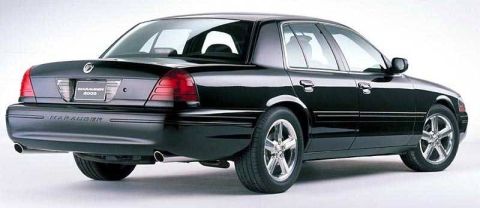
The Mercury Marauder is a performance nameplate Mercury applied three separate times to its full-size cars, across three generations: the 1963-1965 sloped-roof hardtops developed with NASCAR superspeedways in mind, the 1969-1970 Marauder and Marauder X-100 fastbacks, and the 2003-2004 four-door sedan on Ford's rear-drive Panther platform with a 302 hp DOHC 4.6 liter V8 shared with the Mustang Mach 1. Before it named a car, Marauder was Mercury's name for its strongest V8 engines, starting in 1958. Every era shares the same idea, a fast full-size Mercury. The model ended after 2004, with 11,052 of the final Panther-platform cars built.
Pick your generation
Each generation page covers what changed year by year, what owners call them, and the wall of registered vehicles.
By model year
More Mercury models
Technical Reference
The wall
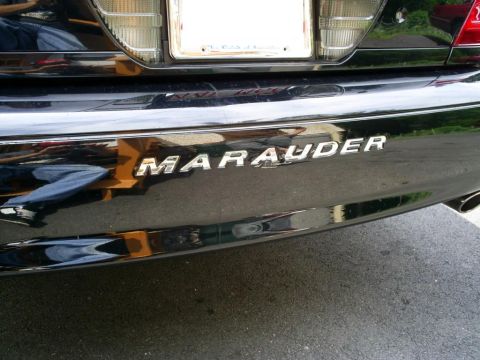
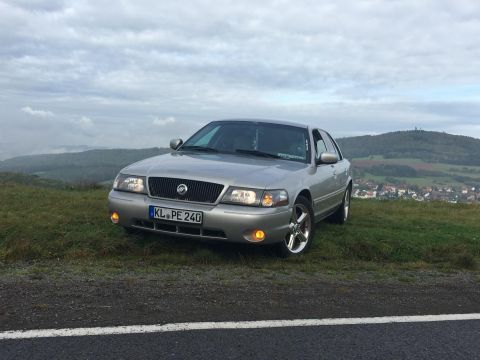
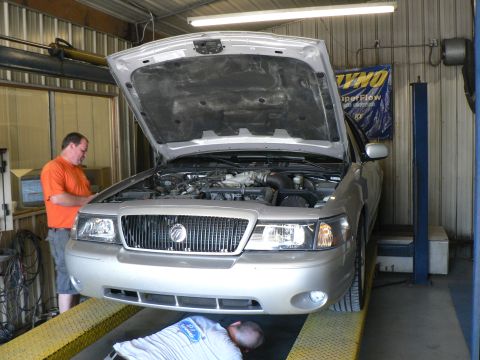
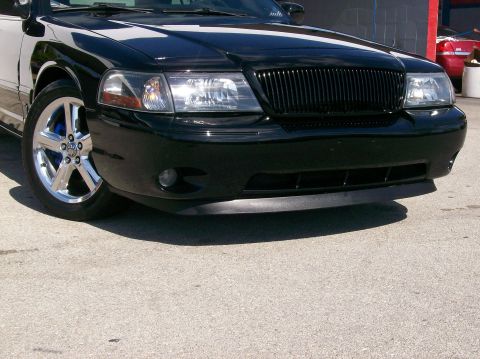
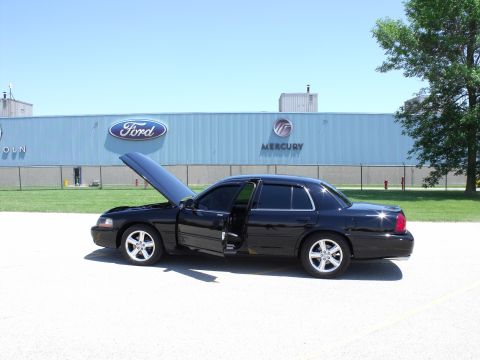
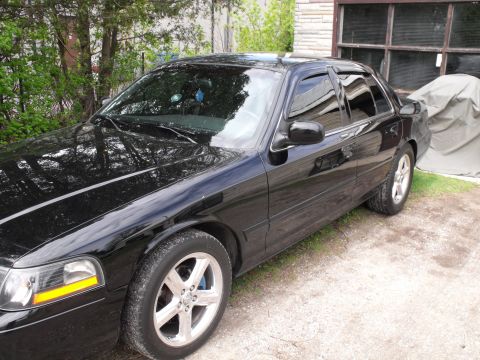
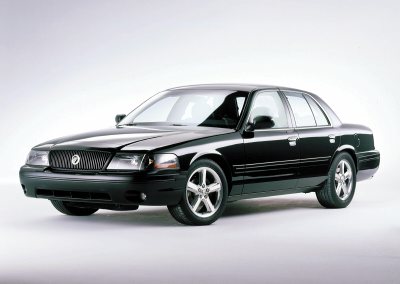
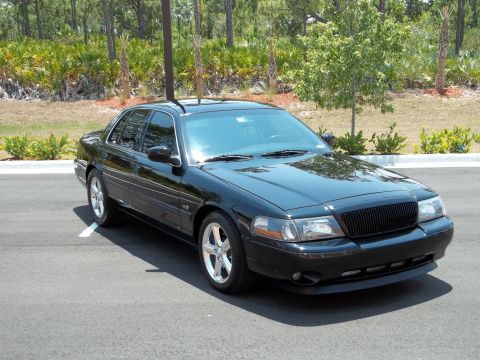
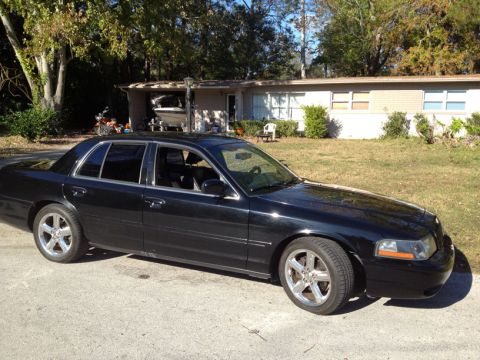
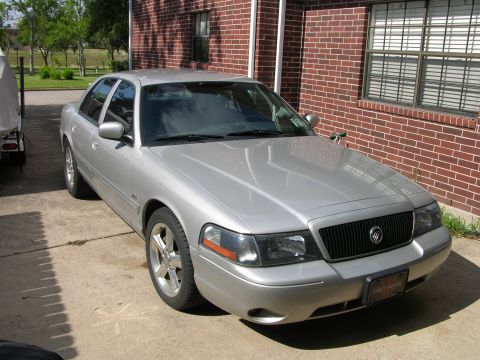
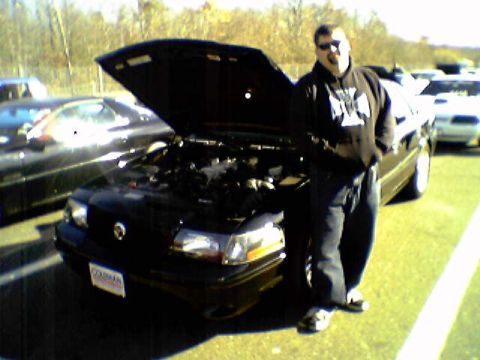
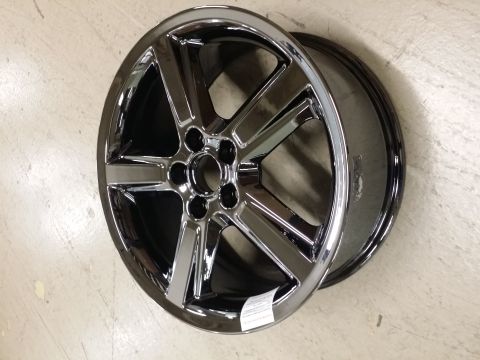
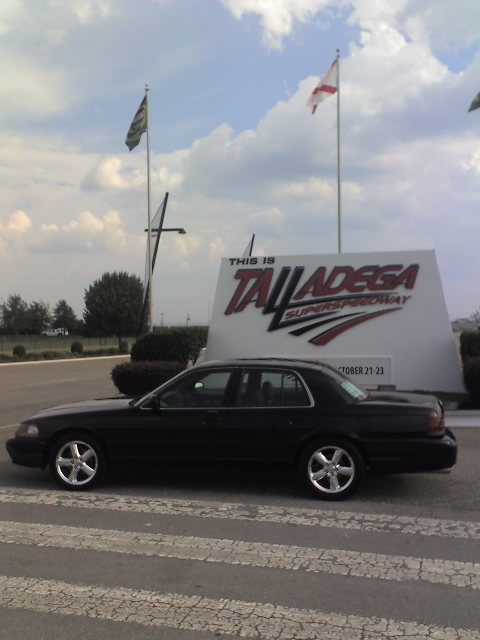
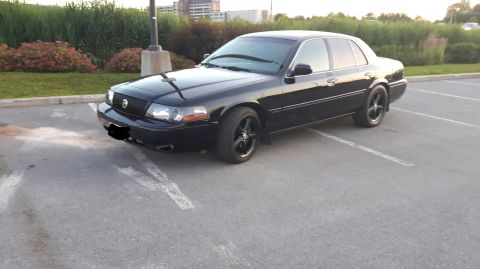
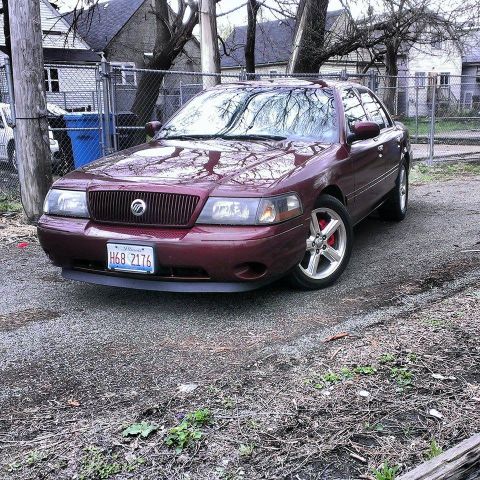
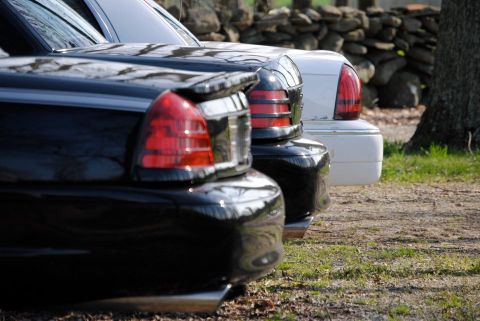
The most-documented Mercury Marauders in the registry, every photo by the owner.
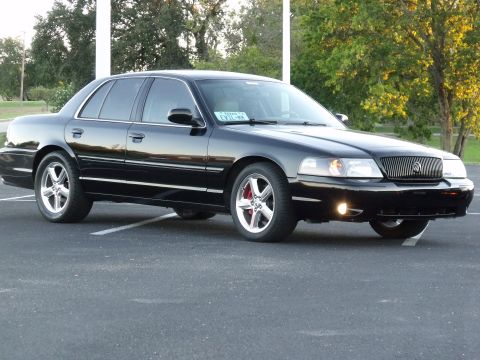
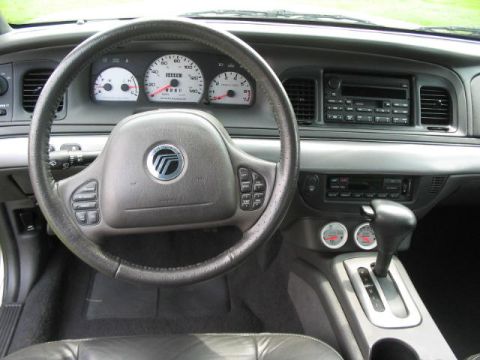
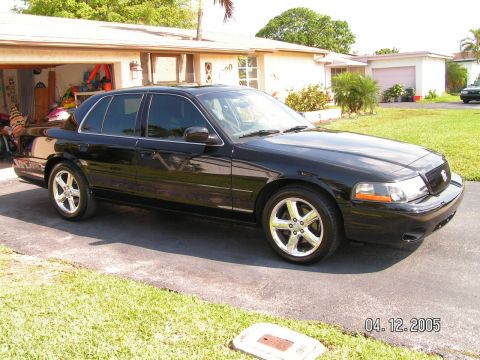
Key facts
| Fact | Detail |
|---|---|
| Production years | 1963-1965, 1969-1970, 2003-2004 (name used on engines from 1958) |
| Generations | 3 |
| Body styles | Two-door and four-door hardtops (1963-1965), two-door fastback hardtop (1969-1970), four-door sedan (2003-2004) |
| Platform | Full-size Mercury chassis; 121 inch wheelbase full-size chassis (1969-1970); Ford Panther platform (2003-2004) |
| Notable variants | Marauder Super 390 and 427 Super Marauder engines, Marauder X-100 (1969-1970) |
| Final-era production | 7,838 (2003) and 3,214 (2004), 11,052 in all |
Generations at a glance
| Years | Generation | Significance |
|---|---|---|
| 1963-1965 Marauder (1963½ Fastback) | Marauder (1963½ Fastback) | A sloped-roof hardtop on Mercury's full-size lines, created for aerodynamics on NASCAR superspeedways, powered by FE big blocks up to the 425 hp dual-quad 427 Super Marauder. |
| 1969-1970 Marauder X-100 | Marauder X-100 | A standalone fastback two-door hardtop with a tunneled backlight, topped by the X-100 with a 360 hp four-barrel 429. |
| 2003-2004 Marauder (Panther) | Marauder (Panther) | A Grand Marquis body with Police Interceptor brake and suspension hardware and the 302 hp DOHC 4.6 V8 shared with the Mustang Mach 1. |
The Marauder name started under the hood. Mercury first used it in 1958 on its MEL-series V8s, the 383 and the 430, and the tri-power 430 Super Marauder carried a 400 hp rating, the first mass-produced engine sold in the United States advertised at that figure. The name moved onto the FE-series engines in the 1960s, where the dual-quad 427 Super Marauder topped out at 425 hp gross. When Mercury put a sloped racing roofline on its full-size hardtops in mid-1963, the car took the engine's name.
1963-1965 Marauder: the NASCAR roofline
The first 1963-1965 Mercury Marauder arrived as a mid-1963 model, a two-door hardtop roofline offered on the Monterey, Monterey Custom, and S-55. The sloped rear glass was sold alongside Mercury's reverse-slant Breezeway roof as an alternative, and it existed for one reason, aerodynamics on NASCAR superspeedways, where the Breezeway shape gave up speed. For 1964 the Marauder spread to the Monterey, Montclair, and Park Lane lines and added four-door hardtops. All engines were FE big blocks, from the 250 hp two-barrel 390 and 300 hp four-barrel Marauder Super 390 up to the 427 in 410 hp four-barrel and 425 hp dual-quad Super Marauder versions, all gross ratings. Parnelli Jones won the stock-car class at the Pikes Peak Hill Climb in 1963 and 1964 in Bill Stroppe-prepared Marauders and took the 1964 USAC stock car championship, but Mercury pulled out of factory racing after 1964. The Marauder faded to an unadvertised trim option for 1965, and the S-55 took over as Mercury's performance full-size for 1966.
1969-1970 Marauder and X-100: the fastback revival
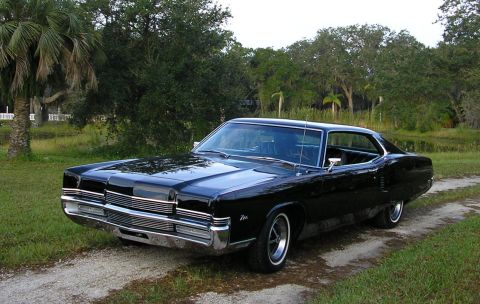
Mercury revived the name for 1969 as its own model, the 1969-1970 Marauder, a two-door hardtop on the 121 inch wheelbase full-size chassis, wearing Marquis front sheet metal and a fastback roof with a tunneled backlight and flying-buttress C-pillars shared with the Ford XL and Galaxie 500 SportsRoof. The base Marauder carried a two-barrel 390 cubic inch FE V8 with a three-speed manual standard. The upmarket Marauder X-100 got the four-barrel 429 rated at 360 hp gross and 480 lb-ft of torque, a C6 SelectShift automatic, Kelsey-Hayes styled wheels, rear fender skirts, a matte-finish treatment on the decklid and tunneled window area, and upgraded seating with twin comfort lounge or bucket seats. Mercury sold 14,666 Marauders for 1969 and 6,043 for 1970, then dropped the model.
2003-2004 Marauder: the Panther sedan
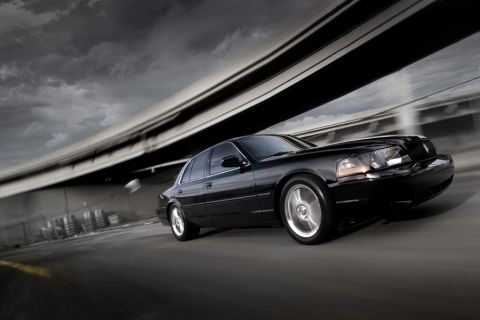
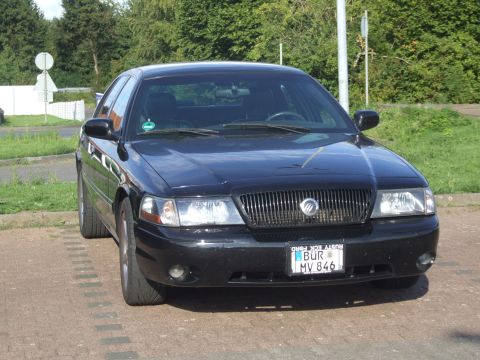
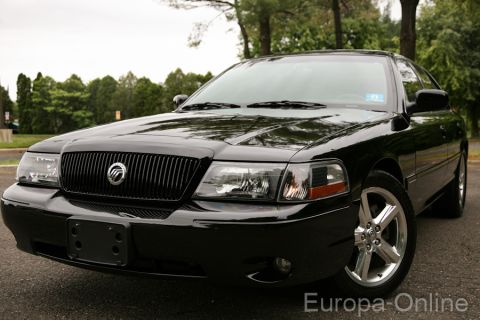
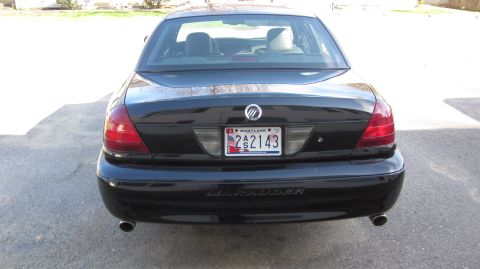
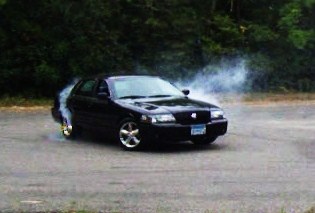
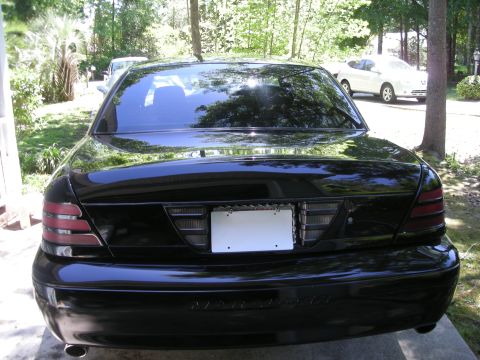
The final Mercury Marauder is a 2003-2004 four-door sedan on Ford's rear-drive Panther platform, a Grand Marquis body over heavier-duty brake and suspension pieces drawn from the Crown Victoria Police Interceptor, with an aluminum driveshaft, load-leveling rear air springs, and a 3.55 limited-slip rear axle. The engine is the 302 hp 4.6 liter DOHC 32-valve V8 shared with the Mustang Mach 1, backed by a 4-speed automatic, the 4R70W in 2003 and the 4R75W in 2004. Every car wore monochromatic exterior trim over a dark interior. Black accounted for most production, joined by Silver Birch and Dark Blue Pearl in 2003 and Dark Toreador Red for 2004. Ford built 7,838 for 2003 and 3,214 for 2004, 11,052 in all, and the model ended after 2004.
Asked all the time
What engine does the 2003-2004 Mercury Marauder have?
The 2003-2004 Mercury Marauder uses a 4.6 liter DOHC 32-valve V8 rated at 302 hp, shared with the Mustang Mach 1, paired with a 4-speed automatic (the 4R70W in 2003, the 4R75W in 2004) and a 3.55 limited-slip rear axle on the rear-drive Panther platform.
Was the original 1963-1965 Mercury Marauder a separate model?
No. The 1963-1965 Mercury Marauder was a sloped-roof hardtop offered on Mercury's full-size lines, first the Monterey, Monterey Custom, and S-55 in mid-1963, then the Monterey, Montclair, and Park Lane for 1964. Mercury created the roofline as an alternative to the reverse-slant Breezeway roof, whose shape cost speed on NASCAR superspeedways.
What is the difference between a 1969-1970 Mercury Marauder and a Marauder X-100?
The 1969-1970 base Marauder came with a two-barrel 390 cubic inch V8. The Marauder X-100 upgraded to the four-barrel 429 rated at 360 hp gross and 480 lb-ft of torque and added a C6 SelectShift automatic, Kelsey-Hayes styled wheels, rear fender skirts, a matte-finish rear deck treatment, and upgraded seating.
How many 2003-2004 Mercury Marauders were built?
Ford built 7,838 Mercury Marauders for 2003 and 3,214 for 2004, 11,052 in total. Black was the most common color across both years, with Silver Birch, Dark Blue Pearl (2003 only), and Dark Toreador Red (2004 only) making up the rest.
Why was the Mercury Marauder named after an engine?
Mercury first used Marauder in 1958 on its big MEL-series V8s, and the tri-power 430 Super Marauder was advertised at 400 hp, the first mass-produced engine sold in the United States with that rating. The name carried onto the FE-series 390 and 427 engines, including the 425 hp dual-quad 427 Super Marauder, before Mercury moved it to the sloped-roof full-size cars in mid-1963.
Which Mercury Marauder years should a buyer look for?
It depends on the era. For the 1963-1965 Mercury Marauder, the 427 cars are the most sought after. For 1969-1970, the Marauder X-100 with the 429 is the collectible one. The 2003-2004 Marauder is the practical daily-drivable choice, with 2004 cars rarer than 2003 (3,214 built versus 7,838).