Home/
Registry/
Ford/
Bronco/
1992-1996/
1996 Ford Bronco/
Photo
supermotors.net/registry/media/1166983
Ford EEC-IV Output State Check & Cylinder Balance Test - Code Reader Procedure

Reference · 1992-1996 BroncoAll 142 service procedures
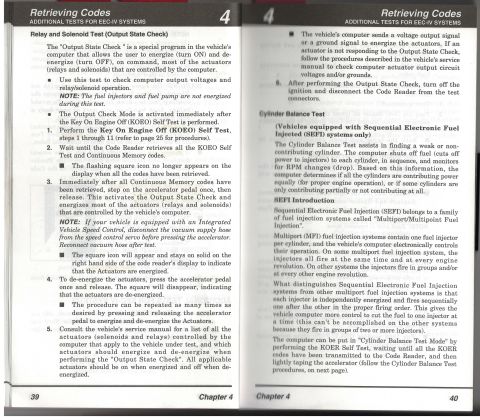
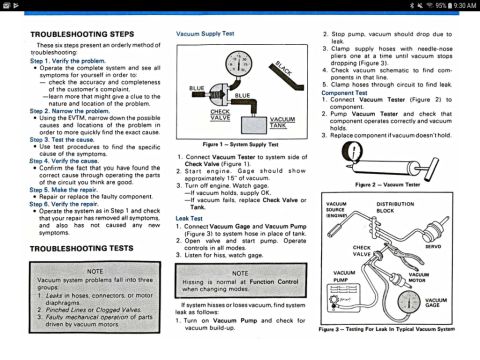
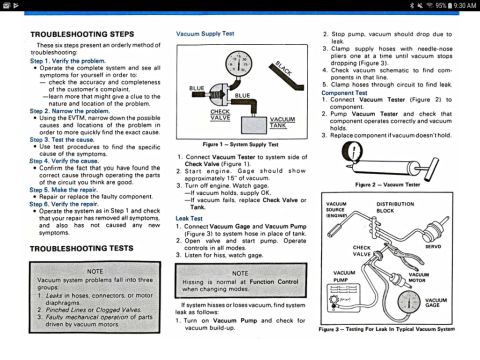
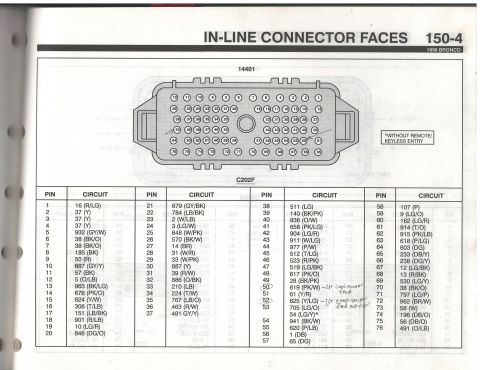
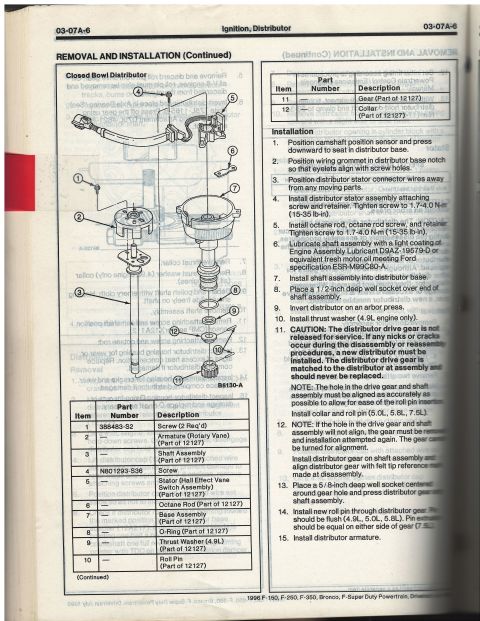
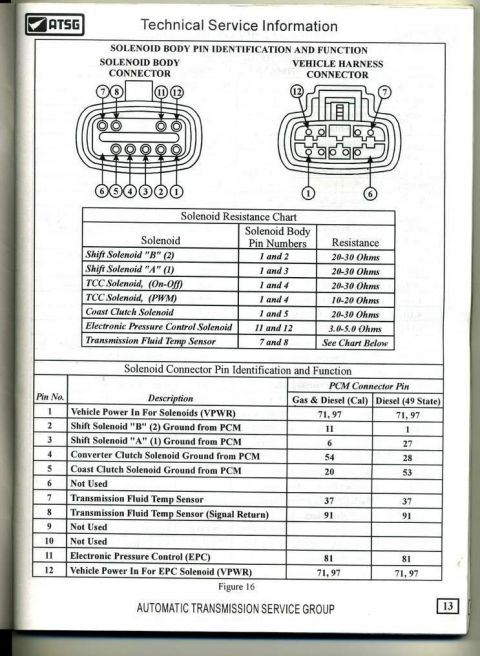
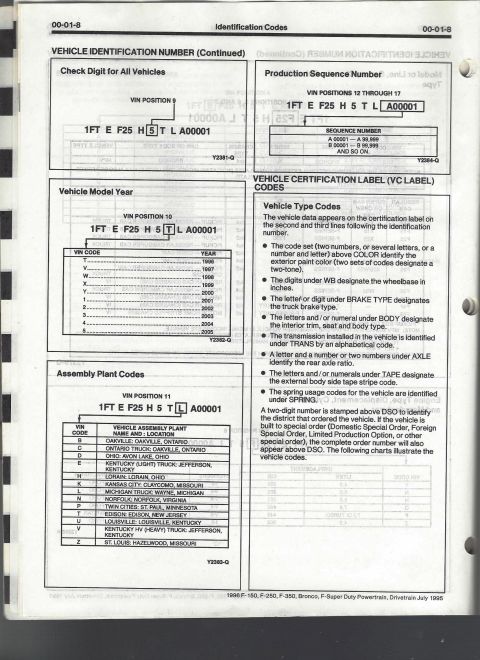
Service manual page covering the EEC-IV Output State Check (energize relays/solenoids on command) and SEFI Cylinder Balance Test; fuel injectors and fuel pump are NOT energized during the output test.
Part of 1992-1996 Ford Bronco Service Procedures
This two-page spread (pages 39-40, Chapter 4) comes from an aftermarket EEC-IV code reader instruction manual covering "Additional Tests for EEC-IV Systems," applicable to Ford vehicles with EEC-IV engine computers such as the uploader's Bronco. Page 39 details the Relay and Solenoid Test (Output State Check), a special program that lets the user energize and de-energize most computer-controlled actuators (relays and solenoids). It walks through a five-step procedure: perform the Key On Engine Off (KOEO) Self Test, wait for all KOEO and Continuous Memory codes to be retrieved, press and release the accelerator to activate the Output State Check (a solid square icon indicates actuators are energized), press the accelerator again to de-energize, and consult the service manual for the list of applicable actuators. Notes state fuel injectors and fuel pump are not energized during the test, and vehicles with Integrated Vehicle Speed Control must have the speed control servo vacuum hose disconnected first. Page 40 explains follow-up steps if an actuator doesn't respond, then introduces the Cylinder Balance Test for Sequential Electronic Fuel Injection (SEFI) vehicles, which cuts fuel to each cylinder in sequence and monitors RPM drop to find weak cylinders. It also explains how SEFI differs from other multiport (MFI) systems and how to enter Cylinder Balance Test Mode via the KOER Self Test.
Is this accurate? Sign in to help verify it.
Frequently asked questions
- What is the Output State Check on Ford EEC-IV systems?
- It is a special program in the vehicle's computer that lets the user energize (turn ON) and de-energize (turn OFF), on command, most of the actuators (relays and solenoids) controlled by the computer, used to check computer output voltages and relay/solenoid operation.
- How do you activate the Output State Check?
- Perform the Key On Engine Off (KOEO) Self Test, wait until the Code Reader retrieves all KOEO Self Test and Continuous Memory codes, then step on the accelerator pedal once and release. A solid square icon on the code reader display indicates the actuators are energized; pressing the accelerator again de-energizes them.
- Are the fuel injectors and fuel pump energized during the Output State Check?
- No. The document notes that the fuel injectors and fuel pump are not energized during this test.
- What does the Cylinder Balance Test do?
- On vehicles with Sequential Electronic Fuel Injection (SEFI) only, the computer cuts power to the injectors of each cylinder in sequence and monitors RPM drop to determine if all cylinders are contributing power equally, or if some contribute only partially or not at all.
- What if my vehicle has Integrated Vehicle Speed Control?
- Disconnect the vacuum supply hose from the speed control servo before pressing the accelerator, and reconnect the vacuum hose after the test.





No comments yet.