Model hub · Ford
Ford Bronco: History, Generations & Specs
The Ford Bronco is Ford's body-on-frame 4x4, built for the 1966 through 1996 model years and revived from 2021, spanning six generations. It began as a compact utility on a dedicated 92-inch-wheelbase chassis (1966-1977), then went full-size on the F-series platform for four generations (1978-1996) known as the Dentside, Bullnose, Bricknose, and OBS. A separate Ranger-based compact, the Bronco II (1984-1990), shared the name but was never a full-size Bronco. Ford discontinued the full-size truck after 1996 as buyers shifted to the four-door Expedition and Explorer, then brought the Bronco back for 2021 as a body-on-frame SUV with EcoBoost engines, removable top and doors, and Sasquatch and Raptor variants. It remains in production through 2026.
Pick your generation
Each generation page covers what changed year by year, what owners call them, and the wall of registered vehicles.
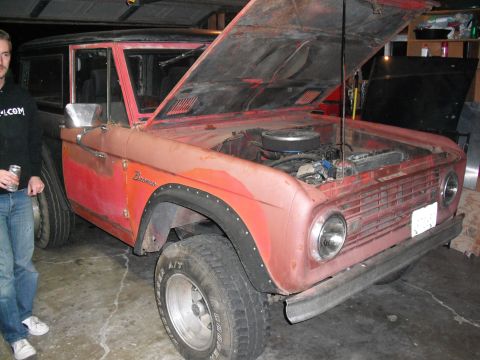 Open1966-1977First-Generation Bronco (Early Bronco)9,026 photos · 296 registered
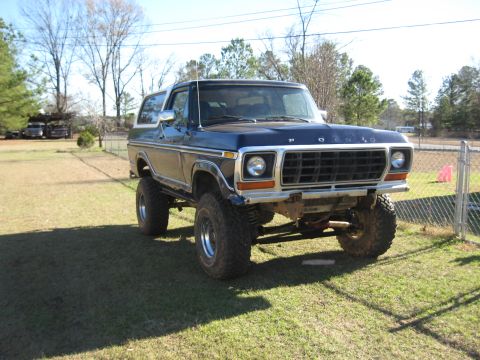 Open1978-1979Second-Generation Bronco (Full-Size Dentside)62,760 photos · 1,037 registered
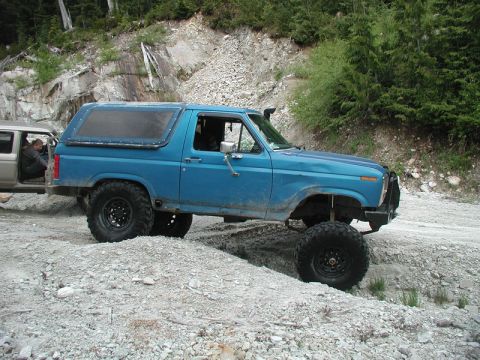
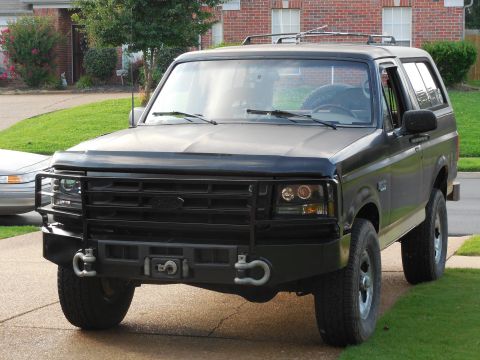 Open1980-1986Third-Generation Bronco (Bullnose)73,320 photos · 1,151 registered
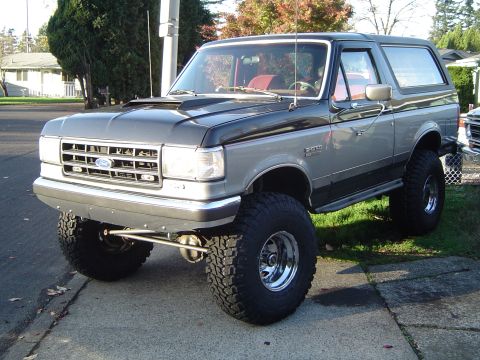
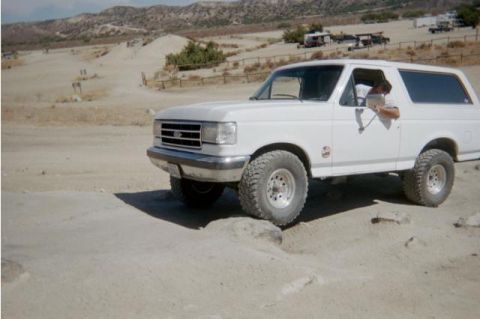 Open1987-1991Fourth-Generation Bronco (Bricknose)111,162 photos · 1,802 registered
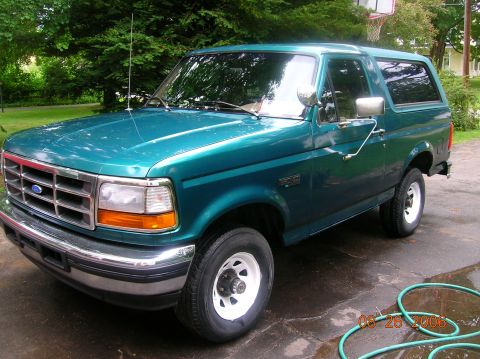
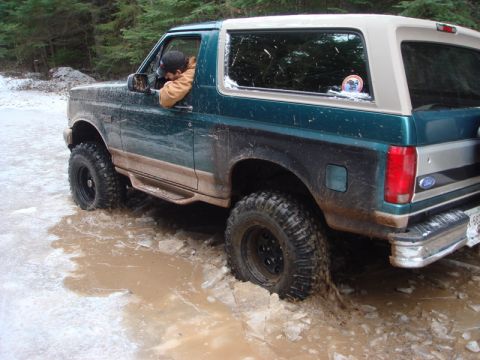 Open1992-1996Fifth-Generation Bronco (OBS)132,788 photos · 2,239 registered
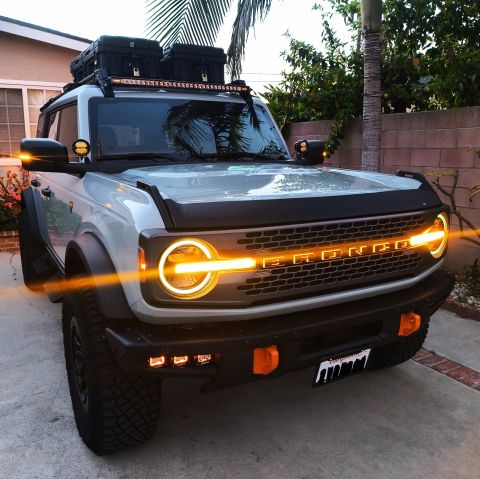 Open2021-2026Sixth-Generation Bronco (Revival)41 photos · 3 registered
By model year
More Ford models
The wall
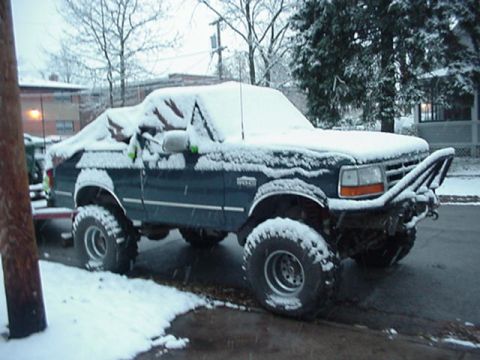
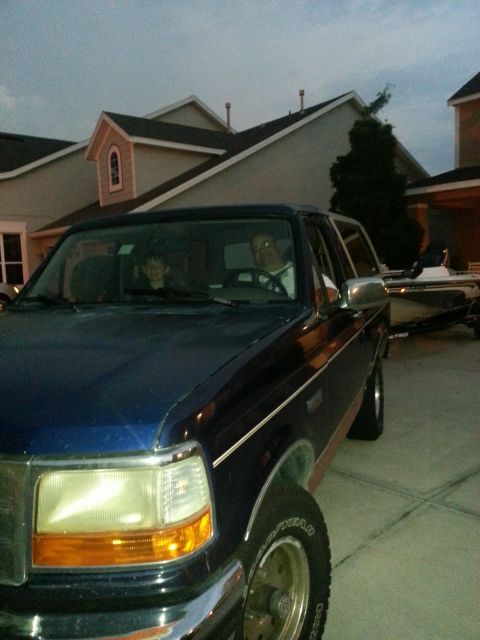
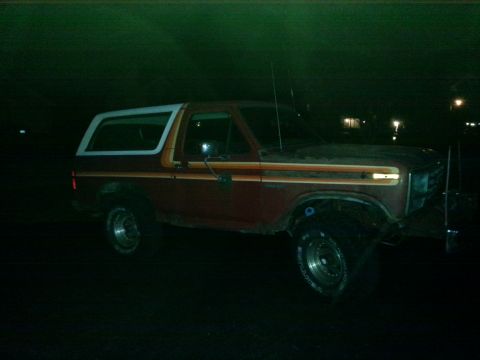
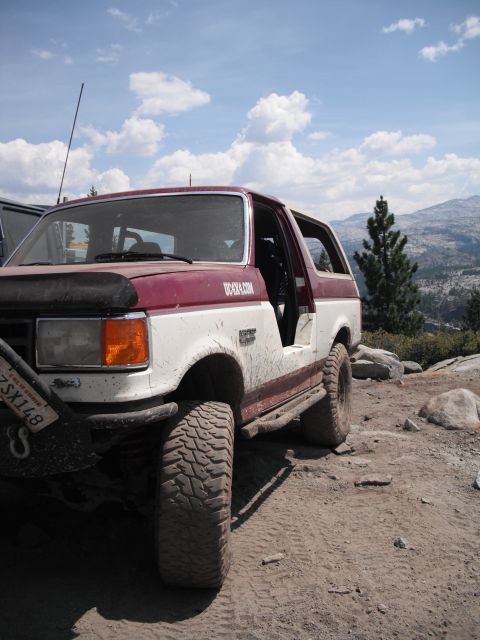
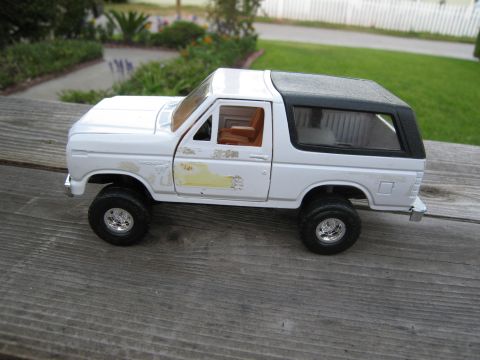
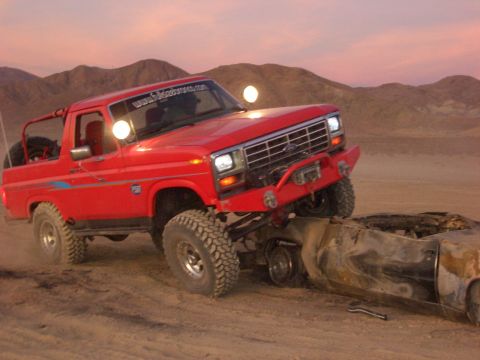
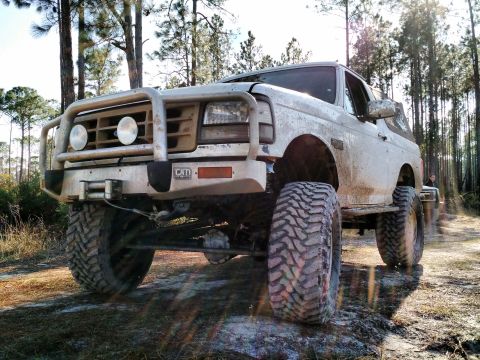
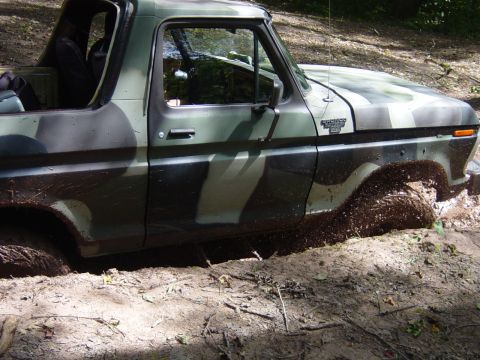
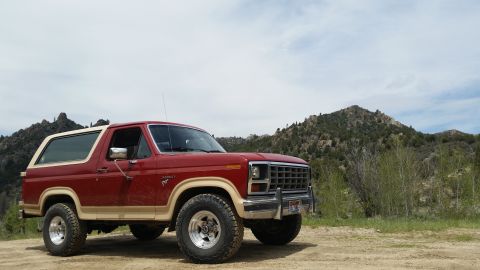
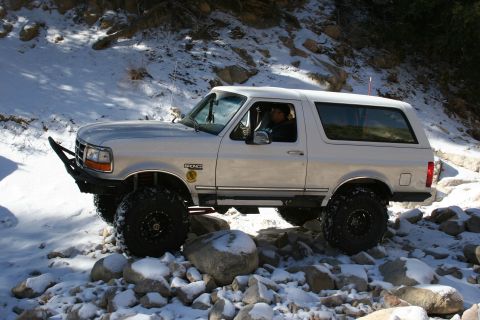
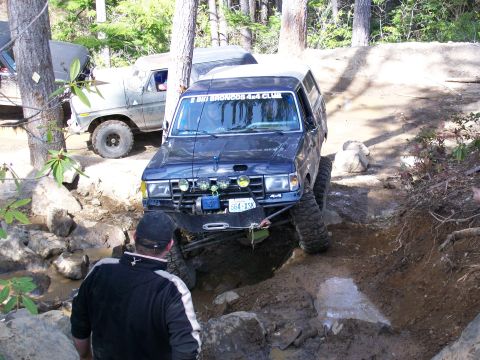
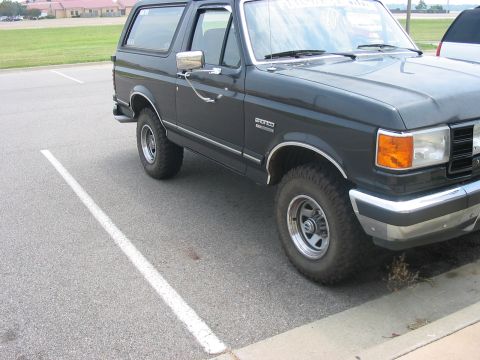
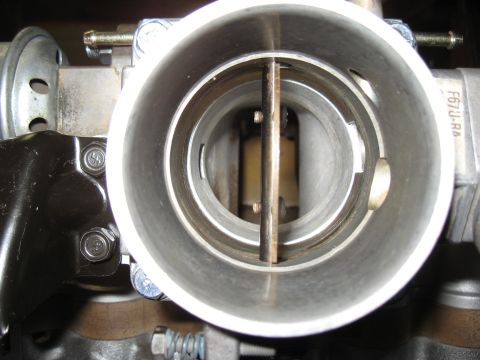
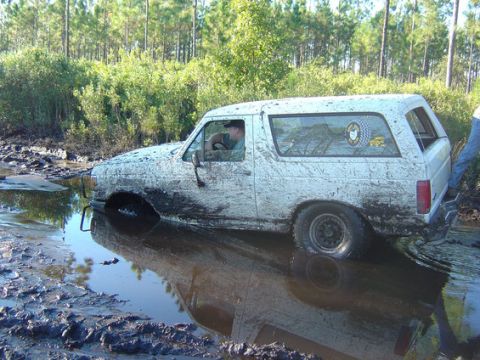
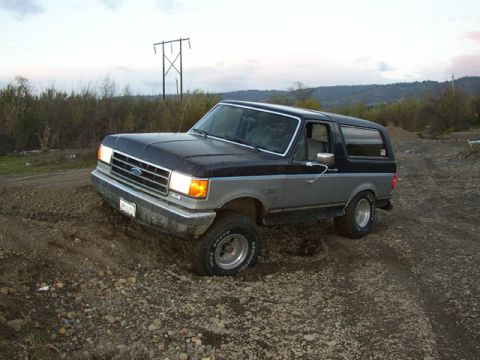
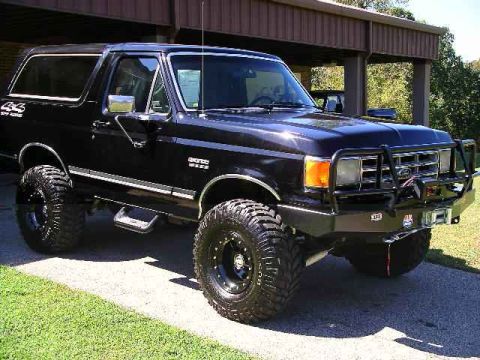
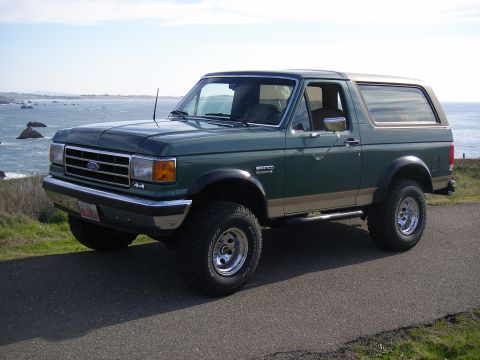
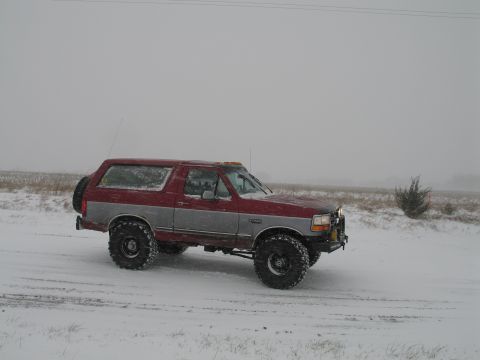
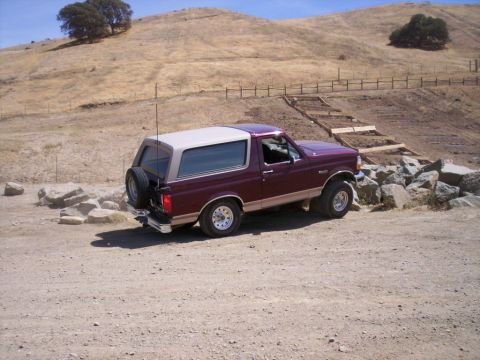
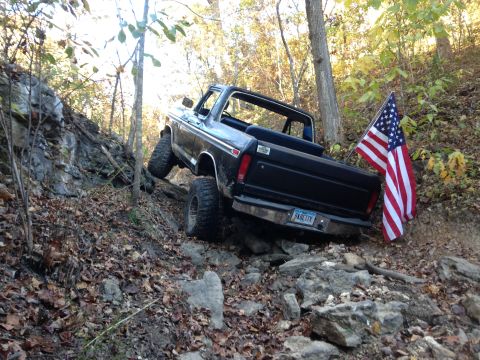
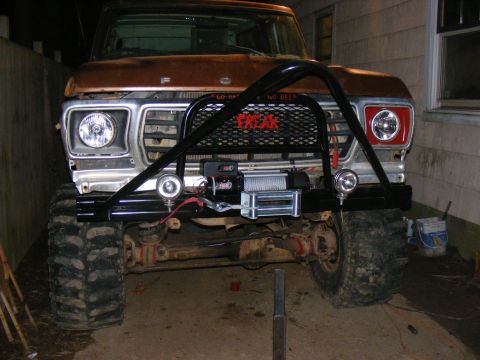
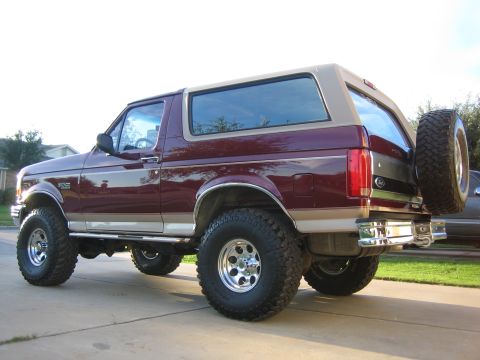
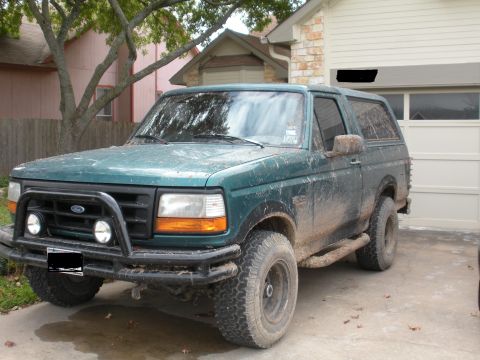
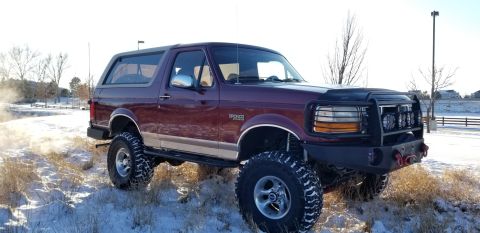
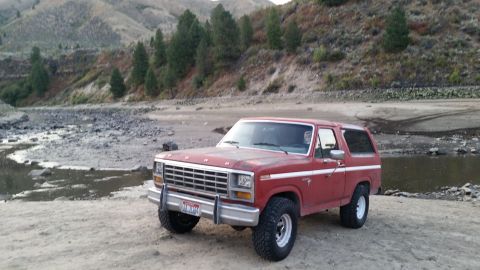
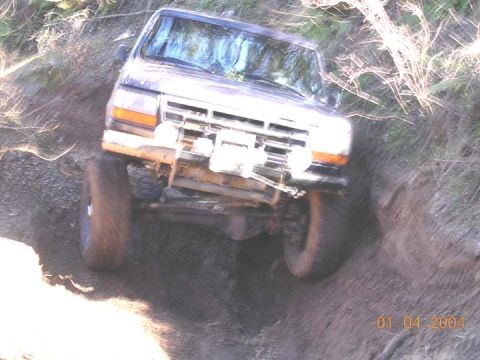
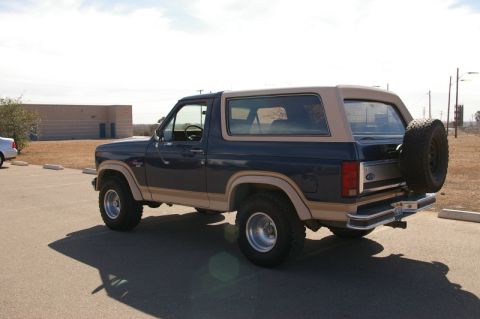
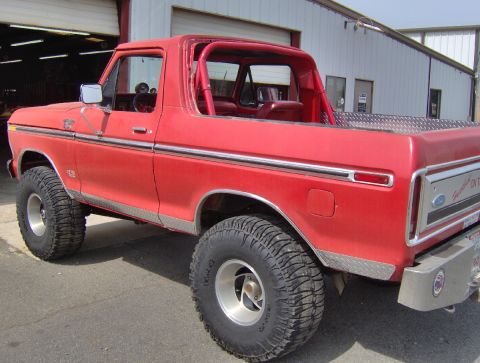
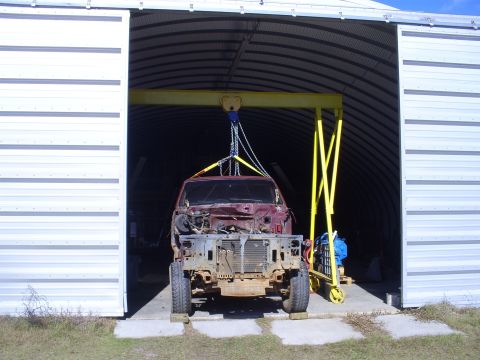
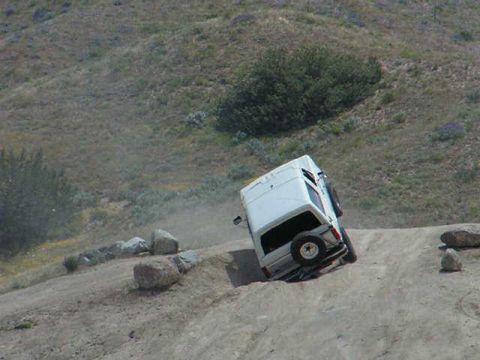
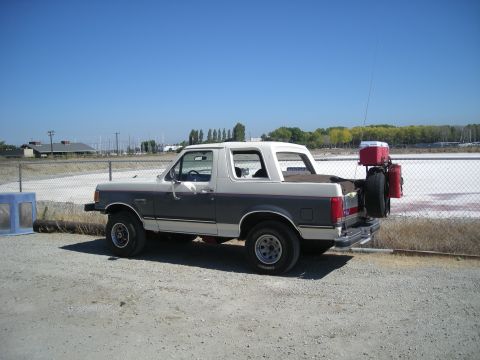
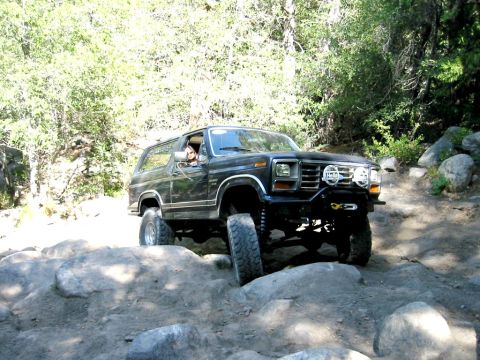
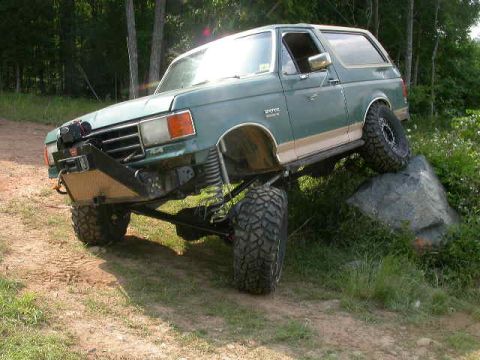
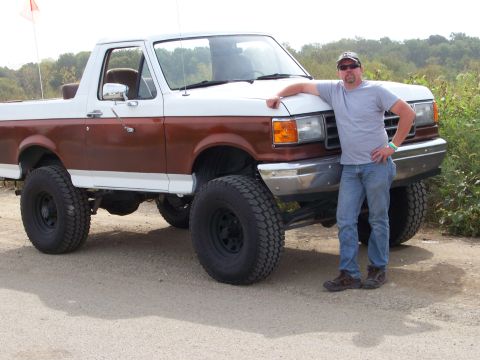
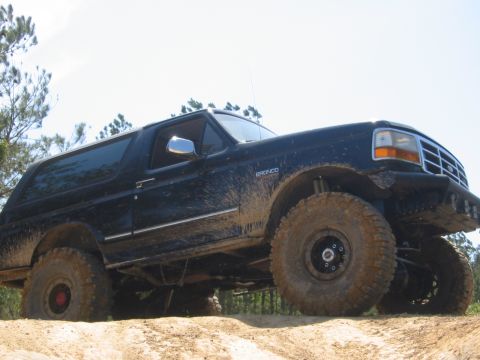
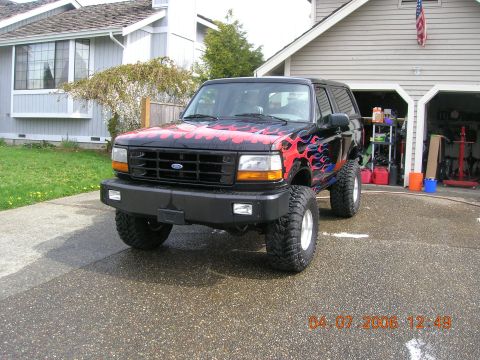
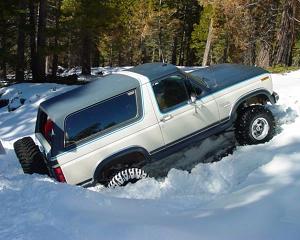
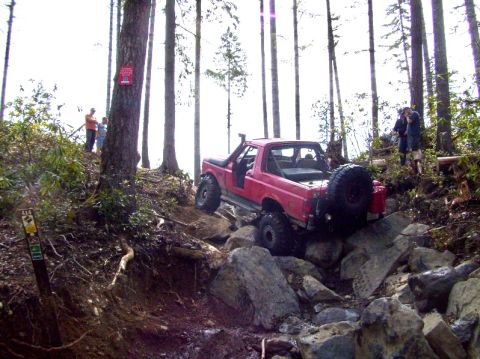
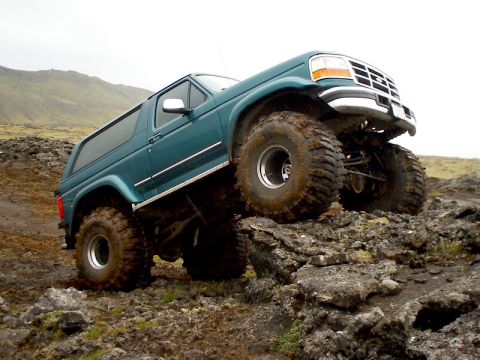
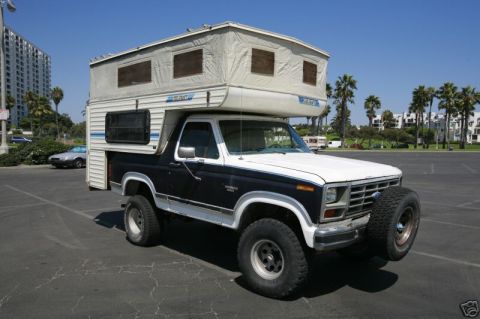
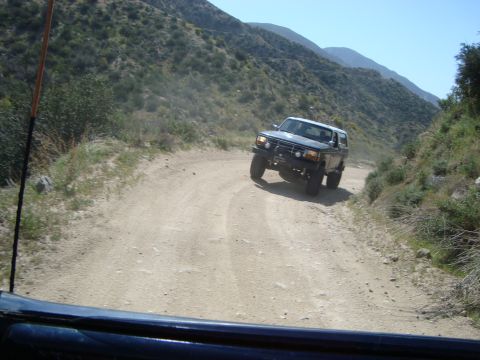
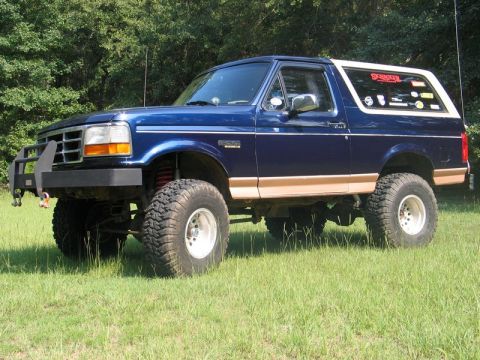
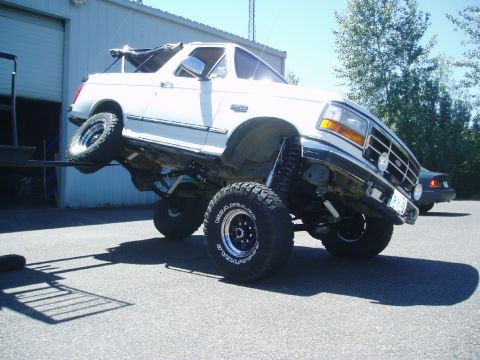
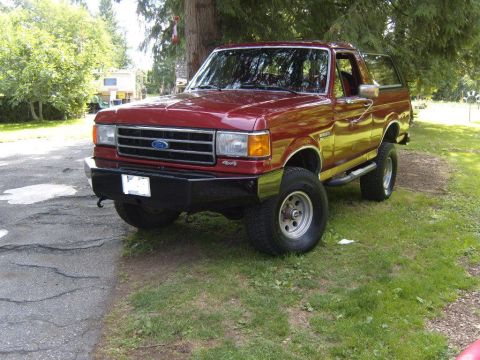
The most-documented Ford Broncos in the registry, every photo by the owner.

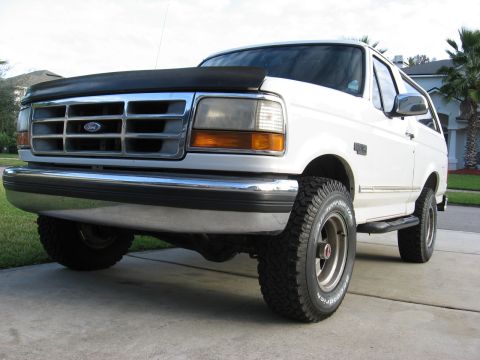
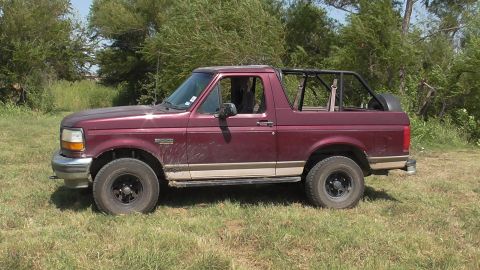
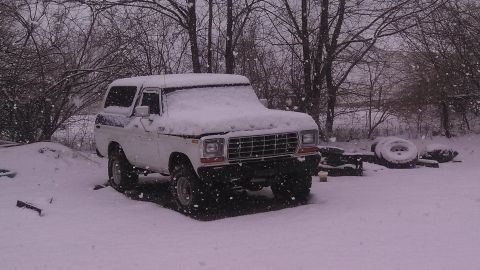
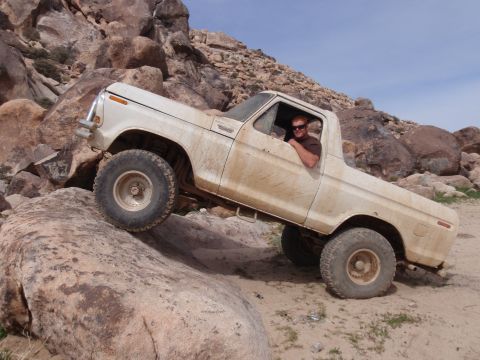
Key facts
| Fact | Detail |
|---|---|
| What it is | Ford's body-on-frame 4x4, sold 1966-1996 and again from 2021 |
| Production years | 1966-1996; revived 2021-2026 (no Bronco built for the 1997-2020 model years) |
| Generations | 6 |
| Body and platform | 1st gen: dedicated compact 4x4 chassis, 92-inch wheelbase; 2nd-5th gens: full-size on the F-series platform; 6th gen: body-on-frame, 2-door and 4-door |
| Related models | Bronco II (1984-1990), a separate compact on the Ranger platform; Bronco Sport (2021+), a separate unibody, car-based crossover, not a Bronco |
| Notable variants | Sasquatch off-road package; Bronco Raptor (3.0L EcoBoost V6, from 2022) |
Generations at a glance
| Generation | Nickname | Signature engines | Why it matters |
|---|---|---|---|
| 1966-1977 First-Generation Bronco (Early Bronco) | Early Bronco | 170 cu in I6 at launch, 289 cu in V8 (1966-1968), 302 cu in V8 (from 1969) | Launched the nameplate as a compact utility 4x4 on a 92-inch wheelbase, in U13 roadster, U14 half-cab, and U15 wagon bodies. |
| 1978-1979 Second-Generation Bronco (Full-Size Dentside) | Dentside | 351 cu in (5.8L) and 400 cu in (6.6L) V8 | The Bronco became a full-size truck on a 104-inch wheelbase, sharing the F-100/F-150 cab and front sheetmetal, with a removable fiberglass rear top; two model years only. |
| 1980-1986 Third-Generation Bronco (Bullnose) | Bullnose | 300 cu in (4.9L) I6, 302 cu in (5.0L) and 351 cu in (5.8L) V8 | Introduced Twin-Traction Beam independent front suspension on 4x4 models, with a lighter, more aerodynamic body for fuel economy. |
| 1987-1991 Fourth-Generation Bronco (Bricknose) | Bricknose | 300 cu in (4.9L) I6, 302 cu in (5.0L) and 351 cu in (5.8L) V8 | Adopted electronic fuel injection across the engine range and added rear-wheel anti-lock brakes; flush headlamps set it apart from the Bullnose. |
| 1992-1996 Fifth-Generation Bronco (OBS) | OBS (Old Body Style) | 4.9L (300) I6, 5.0L (302) and 5.8L (351 Windsor) V8s | Rounder body with a driver-side airbag from 1994; the last full-size Bronco, and the generation of the white 1993 O.J. Simpson chase truck. |
| 2021-2026 Sixth-Generation Bronco (Revival) | Revival | 2.3L EcoBoost I4, 2.7L EcoBoost V6 (Bronco Raptor: 3.0L EcoBoost V6) | Revived the nameplate after a 25-year gap with removable doors and roof, a 7-speed manual option on the four-cylinder, the Sasquatch package, and the Bronco Raptor from 2022. |
The Bronco story by era
Ford introduced the Bronco for the 1966 model year as a compact 4x4 on a dedicated 92-inch-wheelbase chassis, sold as the doorless U13 roadster (1966-1968), the U14 half-cab pickup (1966-1972), and the U15 wagon (1966-1977). The half-cab was discontinued after 1972, leaving the wagon as the only body style from 1973 onward. This first generation ran through 1977 and is what enthusiasts call the "early Bronco." It used a Ford 9-inch rear axle for all years, a Dana 30 front axle from 1966 through 1970, the stronger Dana 44 front axle from 1971 onward, and gained power front disc brakes for 1976.
For 1978 Ford scrapped the small chassis and made the Bronco full-size, sharing the cab and front structure of the F-series pickup. This second generation (1978-1979) used the F-series "Dentside" body and lasted only two model years. The full-size Bronco then tracked the F-series through three more bodies: the Bullnose third generation (1980-1986), which introduced Twin-Traction Beam independent front suspension; the Bricknose fourth generation (1987-1991), which brought fuel injection and rear anti-lock brakes; and the OBS fifth generation (1992-1996), which added a driver airbag and was the final full-size Bronco before Ford ended the line.
Full-size Bronco vs. Bronco II vs. Bronco Sport
Three separate vehicles have worn "Bronco" branding. The full-size Bronco (1978-1996) is a large body-on-frame truck built on the F-series platform. The Bronco II (1984-1990) is a separate, smaller SUV built on the compact Ranger pickup platform, powered by Cologne V6 engines (2.8L for 1984-1985, 2.9L for 1986-1990); it was sold at the same time as the full-size truck, had a fixed roof, and was replaced by the Ford Explorer for 1991. The Bronco Sport, introduced for 2021 alongside the sixth-generation Bronco, is a unibody, car-based crossover on Ford's C2 front-drive architecture and shares no chassis with the body-on-frame Bronco. The first-generation Bronco (1966-1977) was also compact, but unlike the Bronco II it rode on its own dedicated 92-inch-wheelbase 4x4 chassis, not a pickup platform.
The 1996-2021 hiatus and the 2021 revival
Ford discontinued the full-size Bronco after the 1996 model year, with U.S. buyers shifting toward the four-door Expedition and Explorer SUVs; no vehicle wore the Bronco name for the 1997 through 2020 model years. Ford revived the Bronco for the 2021 model year as the sixth generation, a body-on-frame SUV offered in two-door and four-door forms with removable doors and roof panels. The revived Bronco uses 2.3L EcoBoost four-cylinder and 2.7L EcoBoost V6 engines, offers a seven-speed manual on the four-cylinder, includes the off-road-focused Sasquatch package, and added the high-output Bronco Raptor (3.0L EcoBoost V6) for 2022.
How to tell the Bronco generations apart
Size is the first cue: a Bronco on a 92-inch wheelbase with a one-piece removable top or open body is a first-generation early Bronco (1966-1977). Any large, F-series-sized two-door wagon with a removable rear top is a full-size Bronco (1978-1996), and the four full-size generations are told apart by their F-series sheetmetal: the Dentside (1978-1979), the Bullnose (1980-1986), the flush-headlamp Bricknose (1987-1991), and the rounded OBS (1992-1996). A small two-door SUV from the 1980s with Ranger styling is a Bronco II (1984-1990), not a full-size Bronco. A modern Bronco with boxy retro styling and removable doors is a sixth-generation truck (2021-2026), while a smaller rounded crossover badged Bronco Sport is the separate unibody model.
Frequently asked questions
What years was the Ford Bronco made?
The Ford Bronco was built for the 1966 through 1996 model years, then revived from 2021. The first generation ran 1966-1977, the full-size generations covered 1978-1996, and after a 25-year gap the sixth generation arrived for 2021. The separate Bronco II, a compact Ranger-based model, was sold 1984-1990.
Why did Ford stop making the Bronco?
Ford ended the full-size Bronco after the 1996 model year. The two-door body-on-frame format was losing ground to roomier four-door SUVs, and Ford's plant capacity and buyer demand were shifting to the Expedition and Explorer. No Bronco was built for the 1997 through 2020 model years until Ford revived the nameplate for 2021.
What is the difference between a Bronco and a Bronco II?
The full-size Bronco (1978-1996) is a large body-on-frame truck on the F-series platform. The Bronco II (1984-1990) is a separate, smaller SUV built on the compact Ranger pickup platform with Cologne V6 power. They were sold at the same time and are not the same vehicle; the Bronco II was replaced by the Ford Explorer for 1991.
Which Bronco generation is the O.J. Simpson Bronco?
The white Bronco from the June 1994 televised pursuit was a 1993 Ford Bronco, which belongs to the fifth generation (1992-1996), the "OBS" or Old Body Style full-size Bronco. It was the last full-size Bronco generation before Ford discontinued the line after 1996.
What is an OBS Bronco?
"OBS" stands for Old Body Style and refers to the fifth-generation full-size Bronco of 1992-1996, built on the rounded final-iteration F-series body. This generation added a driver-side airbag and a center high-mount stop lamp, and it was the last full-size Bronco Ford produced before the 1997-2020 hiatus.
Sources
- Ford factory shop manuals, parts catalogs, and sales literature for the Bronco and F-series
- VIN and door-data-plate body-code decoding (U13/U14/U15 first-generation series)
- Established Bronco reference works, owner registries, and club technical archives
- Period road tests and contemporary automotive press coverage
Asked all the time
What years was the Ford Bronco made?
The Ford Bronco was built for the 1966 through 1996 model years, then revived from 2021. The first generation ran 1966-1977, the full-size generations covered 1978-1996, and after a 25-year gap the sixth generation arrived for 2021. The separate Bronco II, a compact Ranger-based model, was sold 1984-1990.
Why did Ford stop making the Bronco?
Ford ended the full-size Bronco after the 1996 model year. The two-door body-on-frame format was losing ground to roomier four-door SUVs, and Ford's plant capacity and buyer demand were shifting to the Expedition and Explorer. No Bronco was built for the 1997 through 2020 model years until Ford revived the nameplate for 2021.
What is the difference between a Bronco and a Bronco II?
The full-size Bronco (1978-1996) is a large body-on-frame truck on the F-series platform. The Bronco II (1984-1990) is a separate, smaller SUV built on the compact Ranger pickup platform with Cologne V6 power. They were sold at the same time and are not the same vehicle; the Bronco II was replaced by the Ford Explorer for 1991.
Which Bronco generation is the O.J. Simpson Bronco?
The white Bronco from the June 1994 televised pursuit was a 1993 Ford Bronco, which belongs to the fifth generation (1992-1996), the "OBS" or Old Body Style full-size Bronco. It was the last full-size Bronco generation before Ford discontinued the line after 1996.
What is an OBS Bronco?
"OBS" stands for Old Body Style and refers to the fifth-generation full-size Bronco of 1992-1996, built on the rounded final-iteration F-series body. This generation added a driver-side airbag and a center high-mount stop lamp, and it was the last full-size Bronco Ford produced before the 1997-2020 hiatus.