SuperMotors SuperMotors SUPERMOTORS Search — try “orange Bronco on 35s”
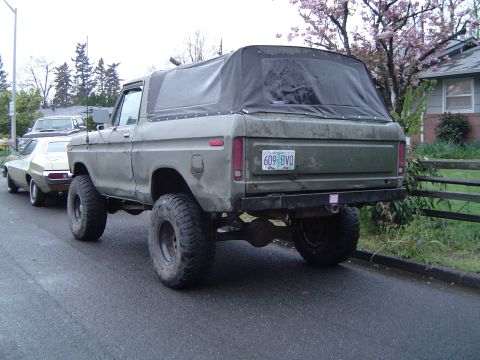
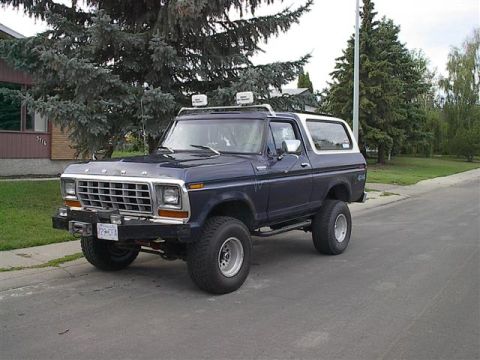
Home/ Registry/ Ford/ Bronco/ 1978-1979/ 1979 Ford Bronco/ Photo supermotors.net/registry/media/1032623

This document provides basic troubleshooting advice for vehicle electrical systems.

AI caption August 2014 · Photo 4 of 48

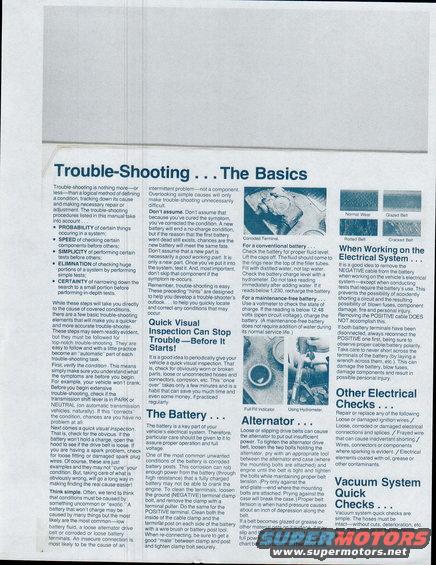
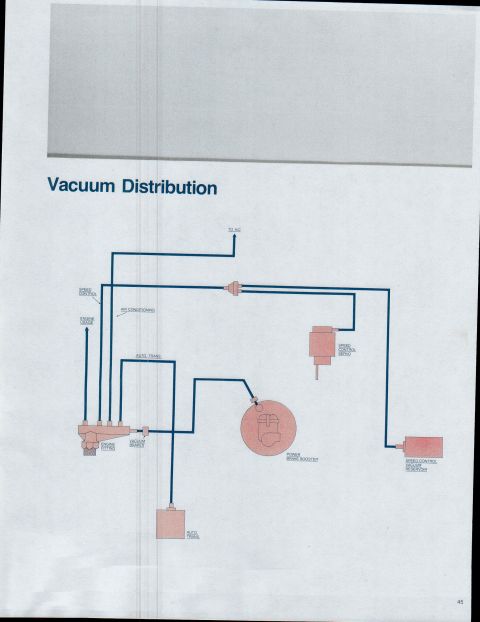
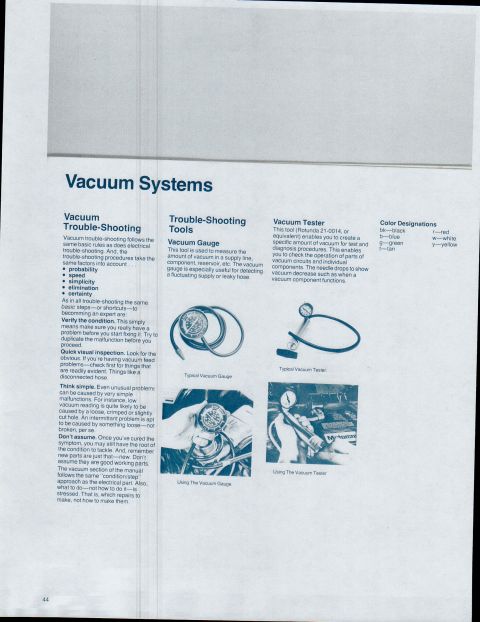
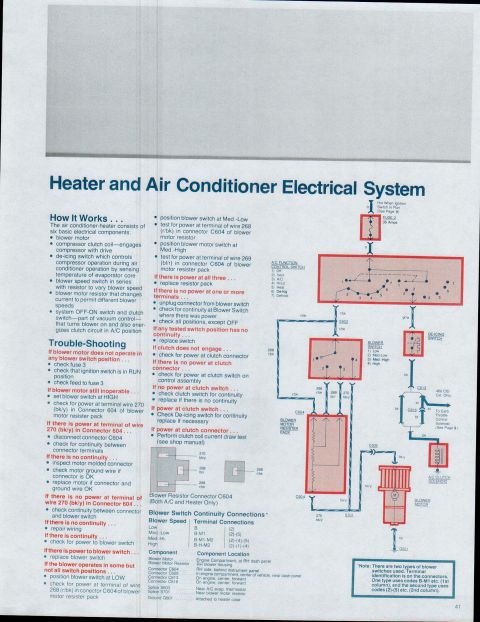
Trouble-Shooting . . .The Basics Trouble-shooting is nothing moreor lessthan a logical method of dening a condition. tracking down its cause and making necessary repair or adjustment. The troubleshooting procedures listed in this manual take into account. . . 0 PROBABILITY of certain things occuring in a system; - SPEED of checking certain components before others; SIMPLICITY of performing certain tests before others; ELIMINATION of checking huge portions of a system by performing simple tests; CERTAINTY of narrowing down the search to a small portion before performing in-depth tests. While these steps will take you directly to the cause of covered conditions, there are a few basic trouble-shooting elements that will make you a quicker and more accurate trouble-shooter. These steps may seem readily evident. but they must be followed for topnotch troubleshooting They are easy to follow and with a little practice become an "automatic" part of each trouble-shooting task. First, verify the condition. This means simply make sure you understand what the symptoms are before you begin. For example. your vehicle won't crank. Before you begin extensive trouble-shooting. check it the transmission shift lever is in PARK or NEUTRAL (on automatic transmission vehicles. naturally). If this "corrects the condition, chances are you have no problem at all. Next comes aqulcir visual inspection. That is, check for the obvious. it the battery won't hold a charge. open the hood to see if the drive belt is loose. It you are having a spark problem. check for loose fitting or damaged spark plug wires. Of course, these are Just examples and they may not cure" your condition. But. taking care of what is obviously wrong. will go a long way in making finding the real cause easier! Thlnk simple. Often. we tend to think that conditions must be caused by something uncommon or exotic." A battery that wont charge may be caused by many things but the most likely are the most commonlow battery llUid. a loose alternator drive belt or corroded or loose battery terminals. An insecure connection is most likely to be the cause of an intermittent problemnot a component. Overlooking Simple causes Will only make trouble-shooting unnecessarily difficult Don't assume. Don't assume that because you've cured the symptom. youve corrected the condition. A new battery will end a no-charge condition. but if the reason that the first battery went dead still exists. chances are the new batteiy will meet the same late. Dont assume that a new pan is necessarily a good working part. It is only anew part. Once you've put it into the system. test it. And. most important. don't skip that component it the symptom re-occurs. Remember. trouble-shooting is easy. These preceding hints" are designed to help you develop a trouble-shooters outlook , . . to help you quickly locate and correct any conditions that may occur. Quick Visual Inspection Can Stop TroubleBefore It Starts! It is a good idea to periodically give your vehicle a quick visual inspection. That is. check for obviously worn or broken parts. loose or unconnected hoses and connectors. corrosion. etc. This "once over" takes only a few minutes and is a habit that can save you much time and even some money. it practiced regularly. The Battery . . . The battery is a key part of your vehicle's electrical system. Therefore, particular care should be given to it to assure proper operation and full voltage. One of the most common unwanted conditions of the battery is corroded battery posts. This corrosion can rob enough power from the battery (through high resistance) that a fully charged battery may not be able to crank the engine. To clean the terminals. loosen the ground (NEGATIVE)terminal clamp bolt. and remove the clamp with a terminal puller, Do the same for the POSITIVE terminal. Clean both the inside of the cable clamp and the terminal post on each side of the battery with a wire brush or battery post tool. When re-connecting. be sure to get a good mate" between clamp and post and tighten clamp bolt securely. Cormded Terminal For a conventional battery . . . Check the battery lor proper fluid level. Lift the caps off. The fluid should come to the rings near the top of the filler tubes. Fill wtth distilled water. not tap water. Check the battery charge level with a hydrometer. Do not take reading immediately after adding water. it it reads below 1.230, recharge the battery. For a maintenance-free battery. . , Use a voltmeter to check the state of charge. It the reading is below 1248 volts (opencircuit voltage). charge the battery. (A maintenancefree battery does not require addition of water during its normal service life.) Full Fill Indicator Alternator . . . Loose or slipping drive belts can cause the alternator to put out insufficient power. To tighten the alternator drive belt. loosen the two bolts holding the alternator. pry with an appropriate tool between the alternator end case (where the mounting bolts are attached) and engine until the belt is light and tighten the bolts while maintaining proper belt tension (Pry only against the endrplate-end where the mounting bolts are attached. Prying against the case will break the case.) Proper belt tension is when hand pressure causes about an inch of depression along the belt. If a belt becomes glazed or grease or other material gets on it surface. it may slip and the alternator will not generate full power. Replace these belts. Use the chart below to determine belt condition Using Hydrometer, Normal Wear Flolted Bell When Working on the Electrical System It is a good idea to remove the NEGATIVE cable from the battery when working on the vehicle's electrical systemexcept when conducting tests that require the batterys use. This prevents the possibility of accidently shorting a circuit and the resulting possibility of blown fuses. component damage. fire and personal injury. Removing the POSITIVE cable DOES NOT accomplish this. if both battery terminals have been disonnected. always reconnect the POSITIVE one first. being sure to observe proper cable/battery polarity. Take care to never short across the terminals of the battery (by laying a wrench across them. etc.) This can damage the battery. blow fuses. damage components and result in possible personal injury. Other Electrical Checks . . . Repair or replace any of the following Loose or damaged ignition wires/ Loose. corroded or damaged electrical connections and splices. / Frayed wire that can cause inadvertant shorting / Wires. connectors or components where sparking is evident, /Electricai elements coated with oil. grease or other contaminants Vacuum System Quick Checks . . . Vacuum system quick checks are simple. The hoses must be intactwithout cuts, deterioration. etc. And. they must be on the connector securely. _'

Comments

No comments yet.

More from this build

1979 Ford Bronco photo 1979 Ford Bronco photo 1979 Ford Bronco photo 1979 Ford Bronco photo 1979 Ford Bronco photo 1979 Ford Bronco photo 1979 Ford Bronco photo 1979 Ford Bronco photo

More 1978-1979 Broncos