Model hub · Ford
Ford Bronco II: History, Generations & Specs
The Ford Bronco II is a compact two-door SUV built for model years 1984 through 1990, introduced in March 1983 and produced across a single generation. It is a separate model from the full-size Bronco, riding on the Ford Ranger's chassis and front sheetmetal with a short 94-inch wheelbase and a fixed steel roof. Power came from Cologne V6 engines, a carbureted 2.8L replaced by a fuel-injected 2.9L for 1986, plus a brief Mitsubishi-sourced 2.3L turbodiesel. The model drew NHTSA scrutiny over rollover propensity, a frequently researched part of its history. Ford ended the Bronco II after 1990 and replaced it with the Explorer for 1991, sold in two-door and four-door body styles.
📋 See the full year-by-year change log ↓
Pick your generation
Each generation page covers what changed year by year, what owners call them, and the wall of registered vehicles.
By model year
More Ford models
The wall
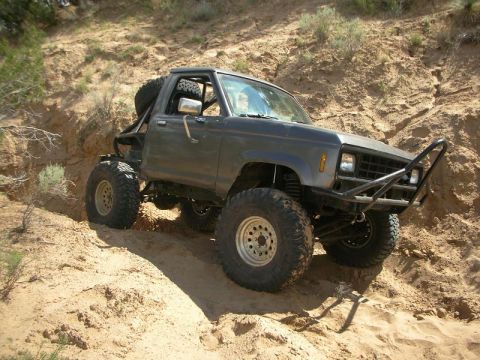
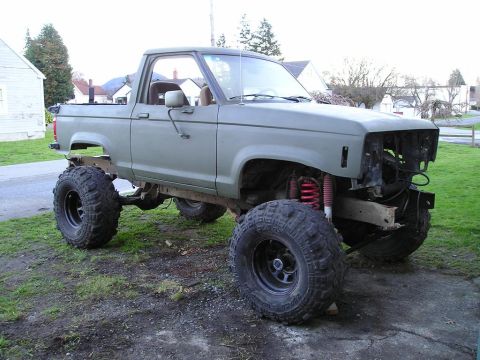
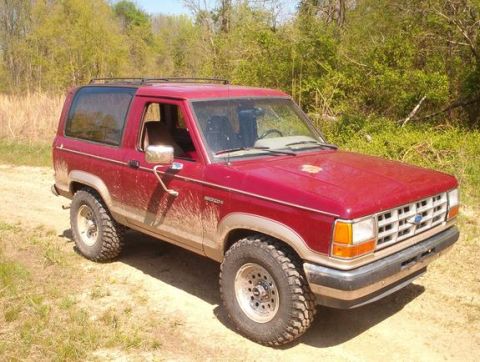
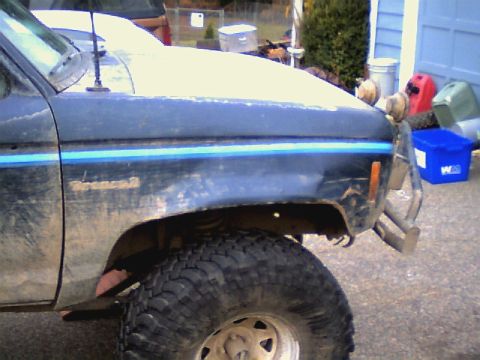
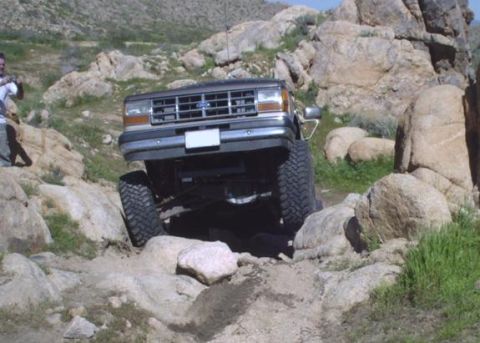
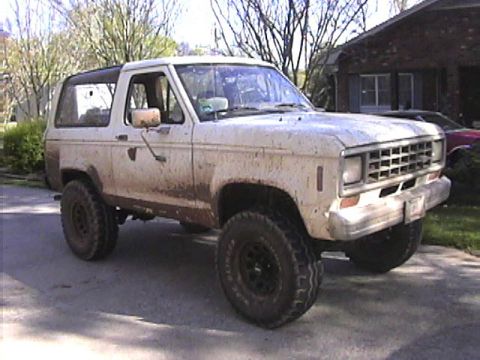
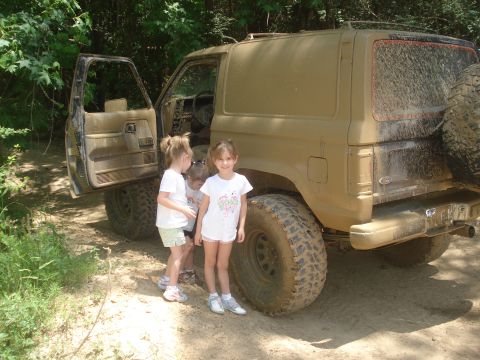
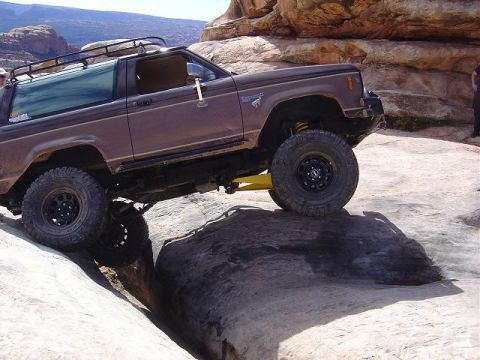
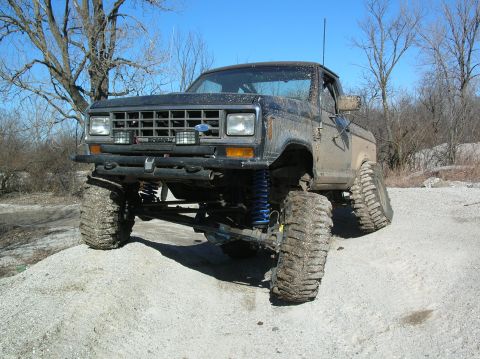
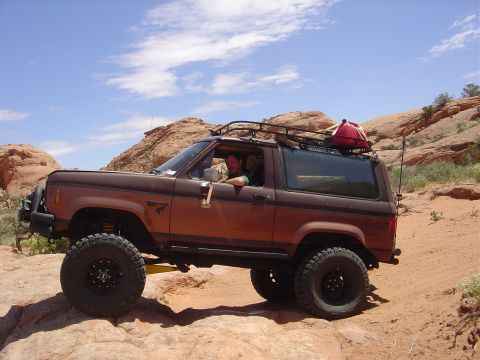
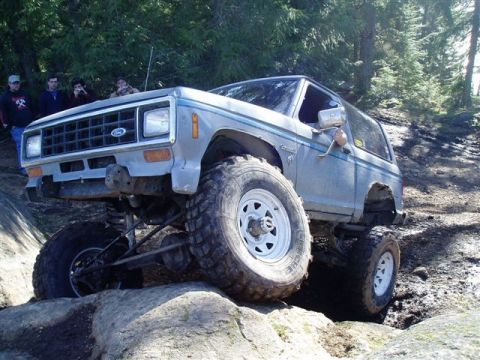
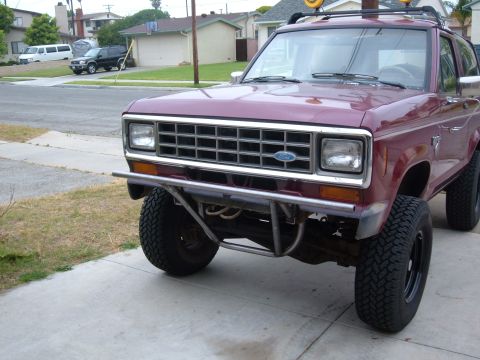
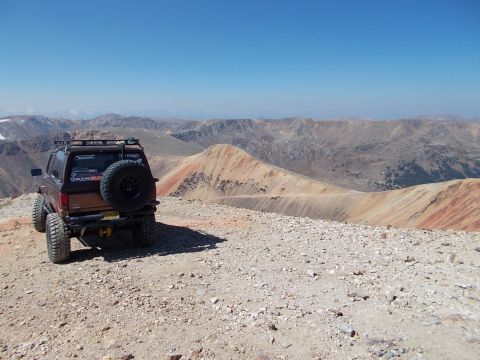
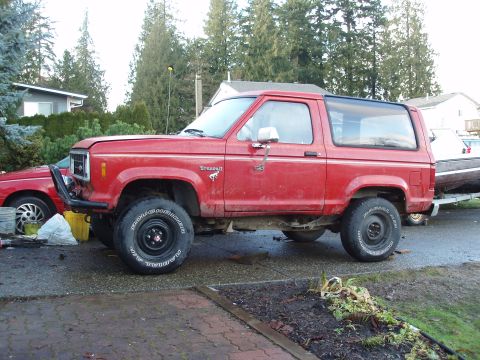
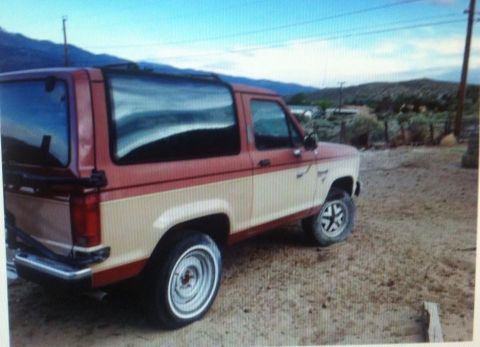
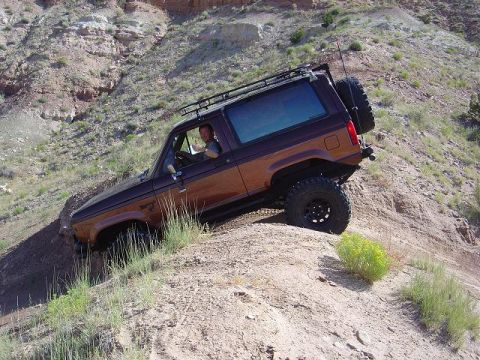
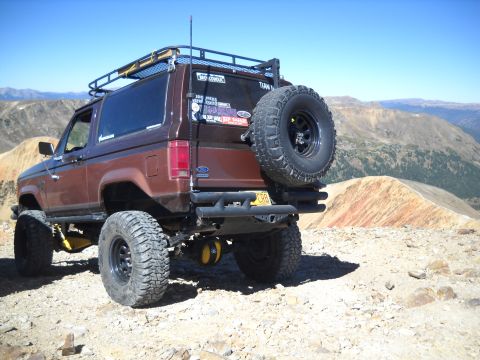
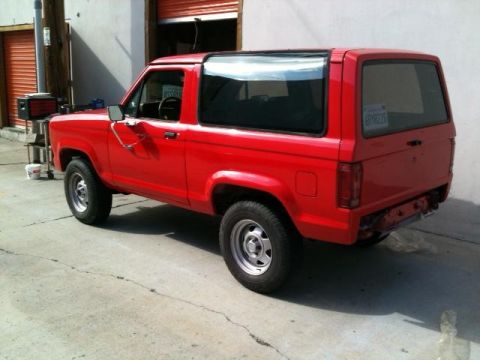
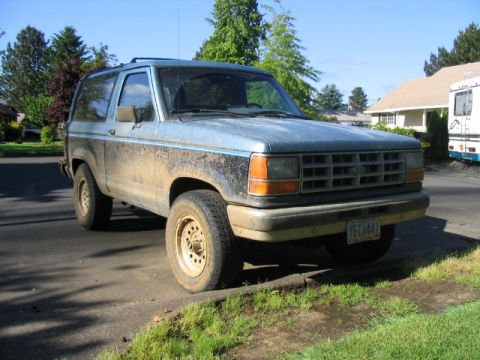
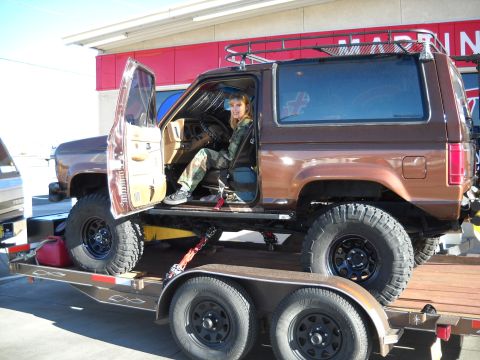
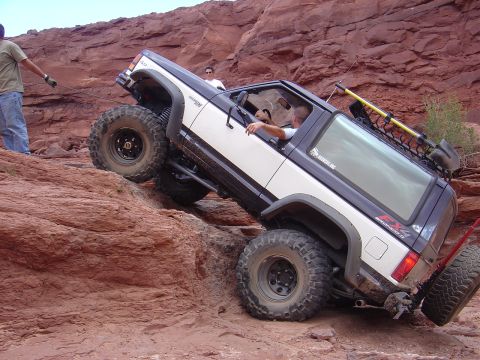
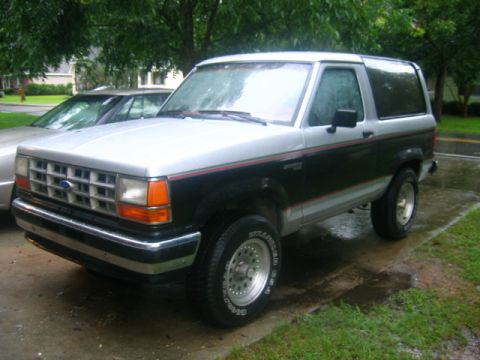
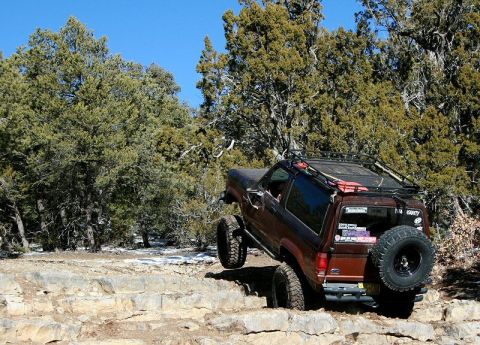
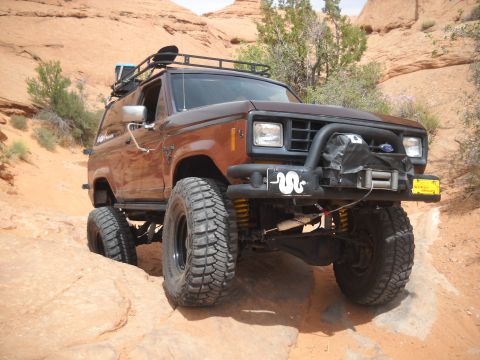
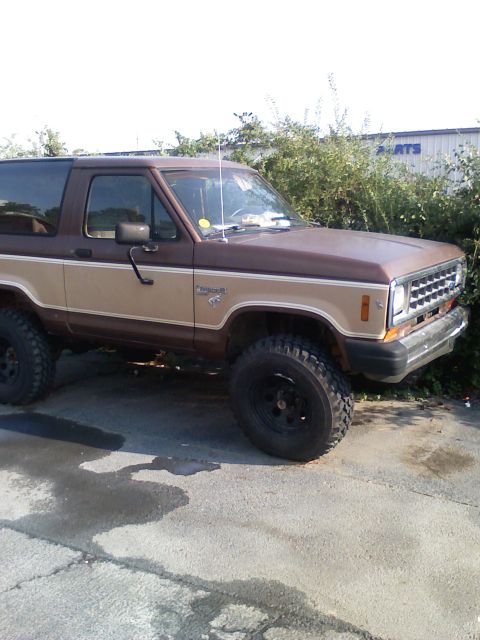
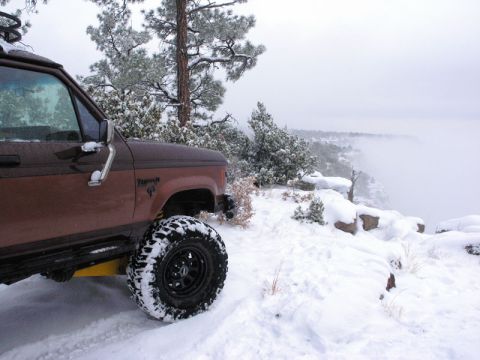
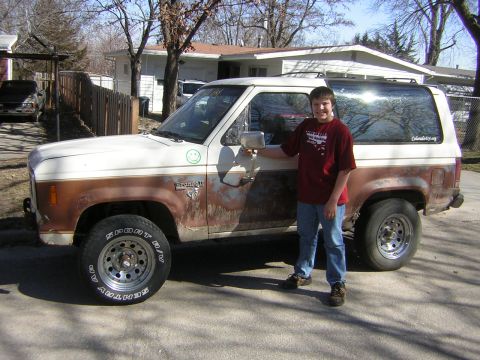
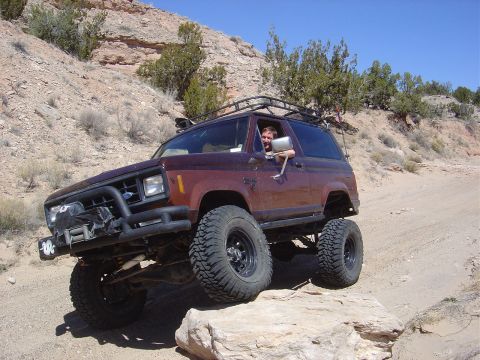
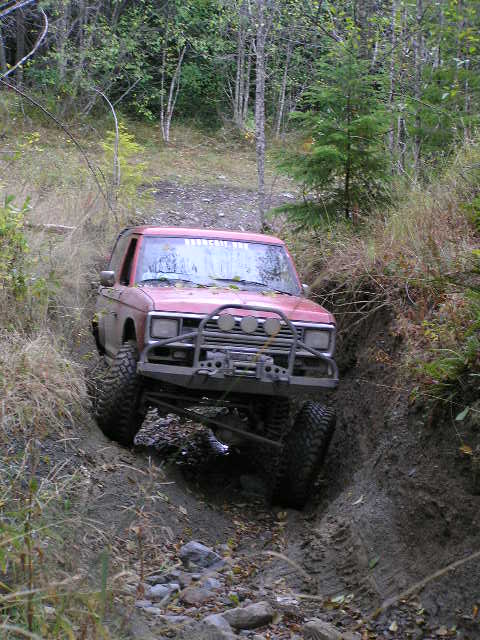
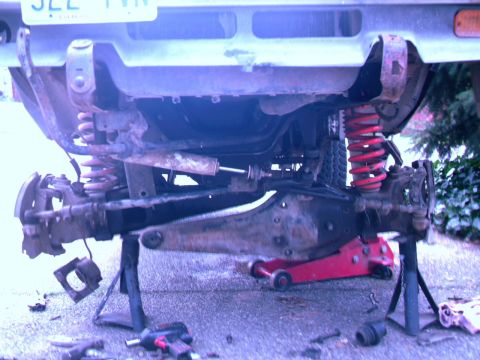
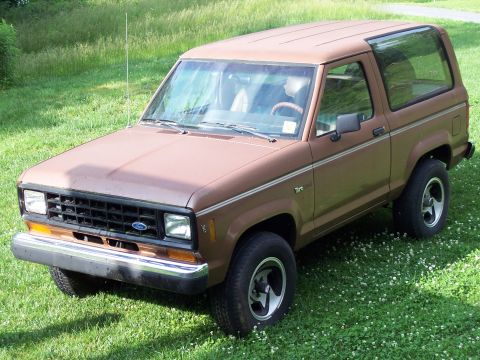
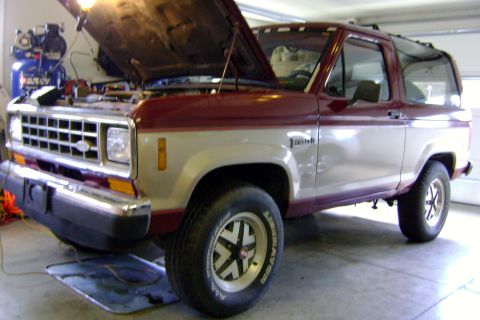
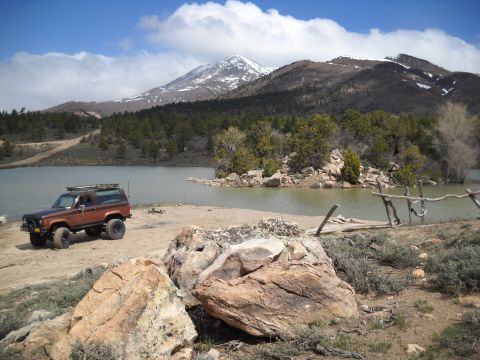
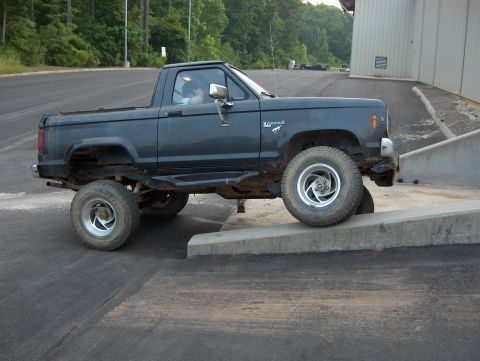
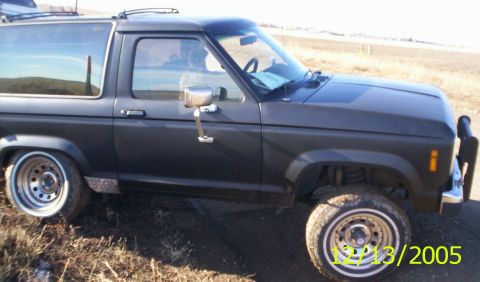
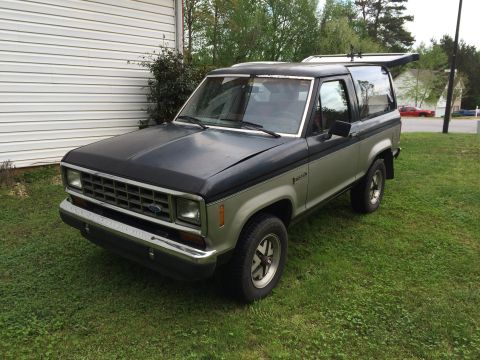
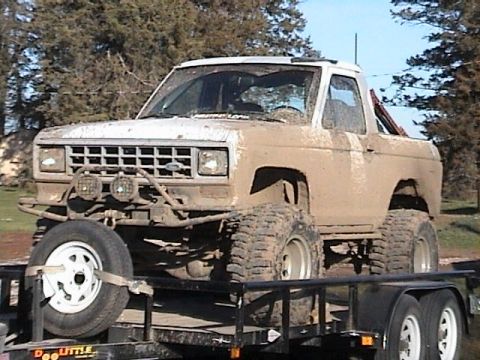
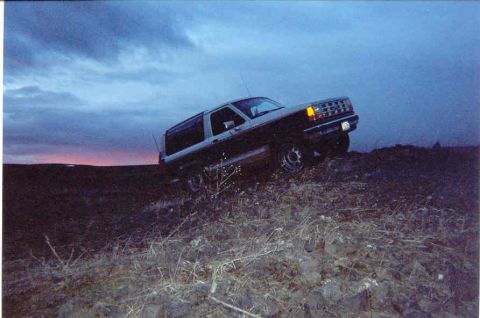
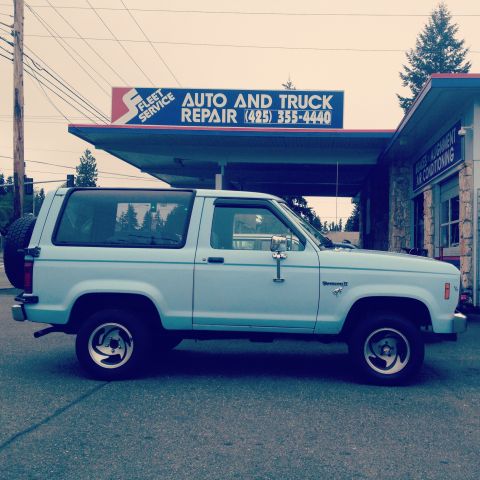
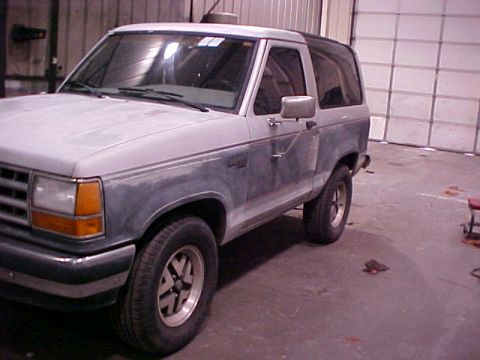
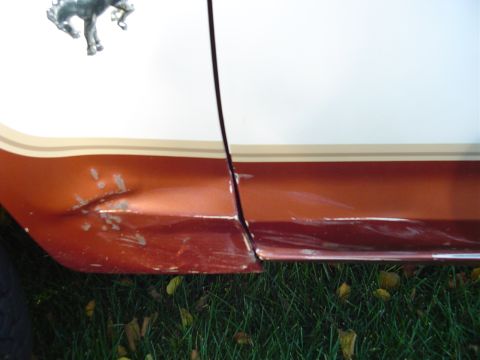
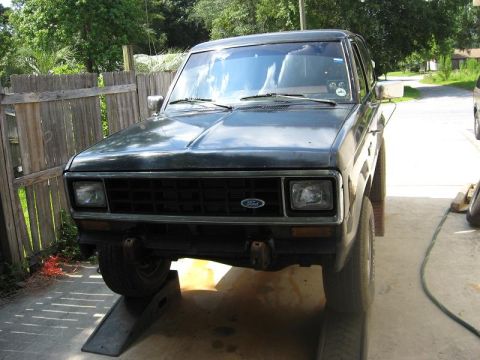
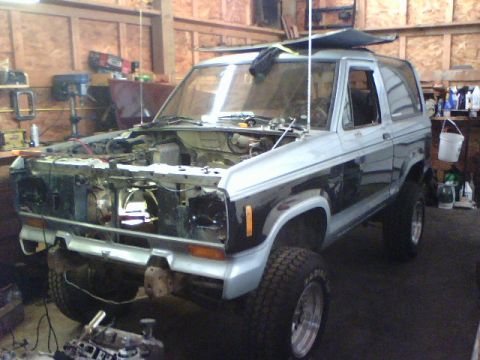
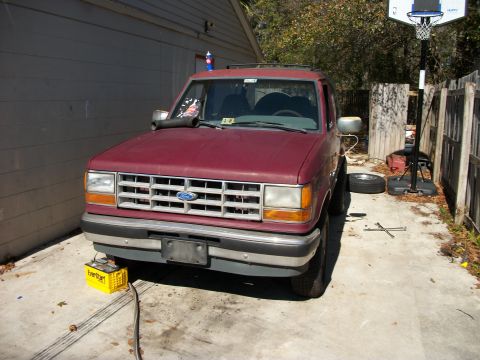
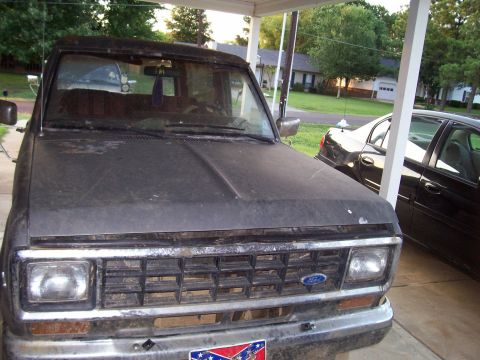
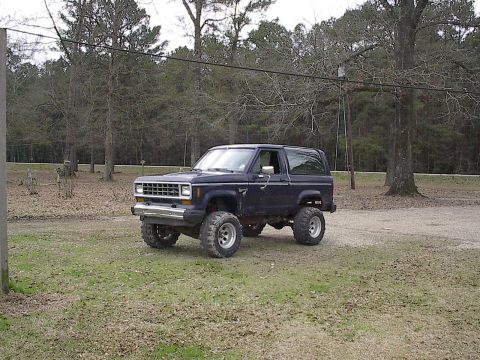
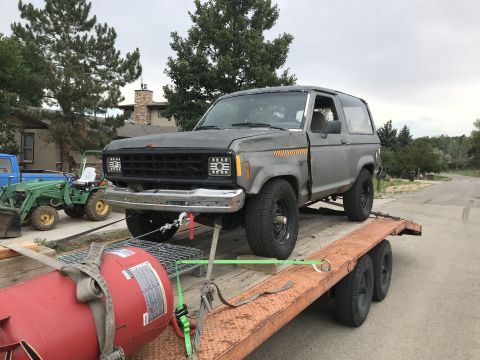
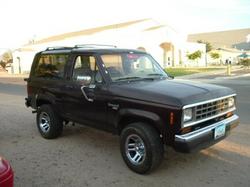
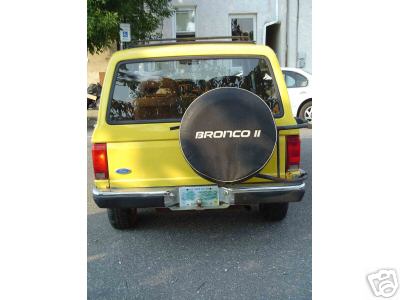
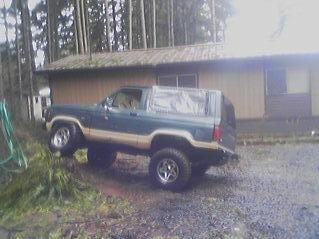
The most-documented Ford Bronco IIs in the registry, every photo by the owner.
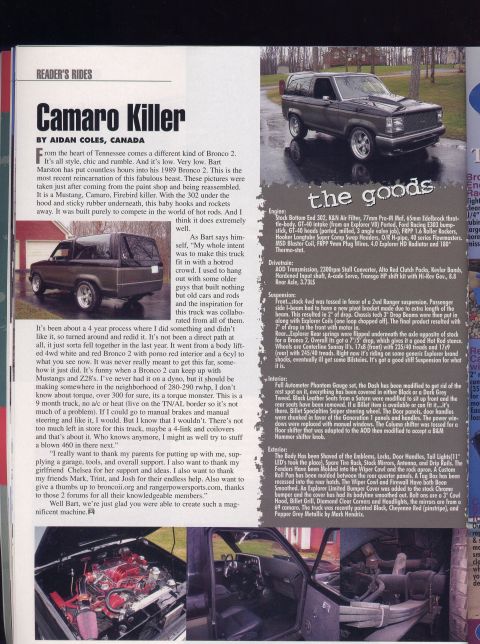
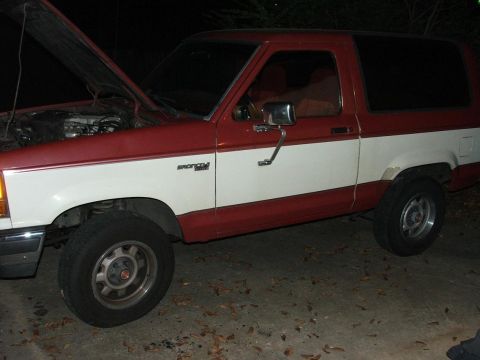
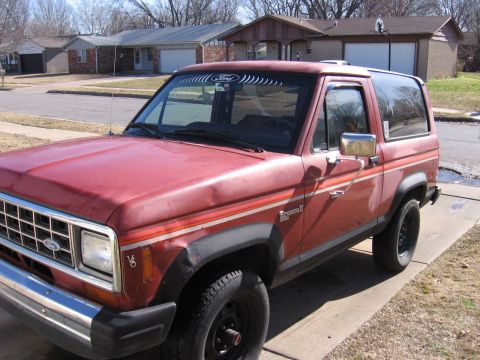
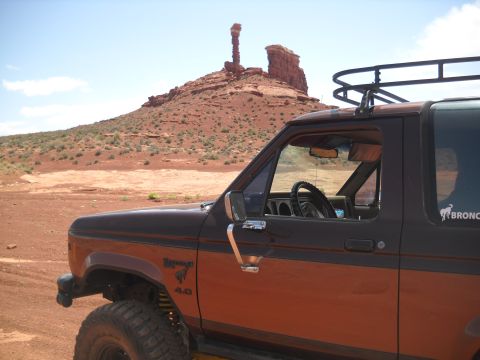
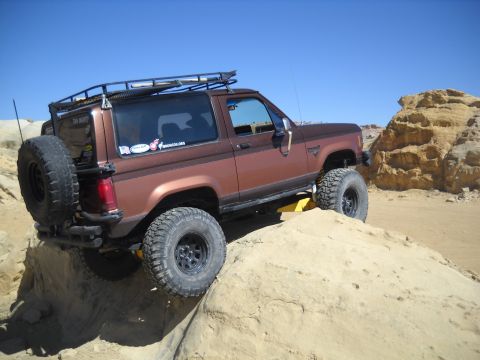
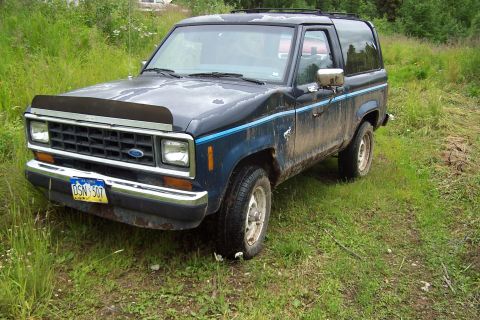

Key facts
| Fact | Detail |
|---|---|
| Production years | 1984-1990 (introduced March 1983) |
| Generations | 1 |
| Class | Compact two-door SUV, a separate model from the full-size Bronco |
| Body style | Fixed-roof two-door wagon |
| Platform | Ford Ranger chassis and front sheetmetal (not the F-Series); 94-inch wheelbase |
| Engines | Carbureted 2.8L Cologne V6 (1984-1985), fuel-injected (EFI) 2.9L Cologne V6 (1986-1990), Mitsubishi-sourced 2.3L turbodiesel offered briefly (about 1986-1987) |
| Drivetrain | Part-time four-wheel drive (only layout for 1984-1985); rear-wheel drive and electric-shift Touch Drive both added for 1986 |
| Trims | Base/XL, XLS, XLT, Eddie Bauer (XLS and Eddie Bauer from 1984); XL Sport in later years |
| Succeeded by | Ford Explorer for 1991, offered in two-door and four-door body styles |
Generations at a glance
| Years | Generation | Significance |
|---|---|---|
| 1984-1990 Bronco II (Compact, Ranger-Based) | Bronco II (Compact, Ranger-Based) | The single-generation compact two-door SUV on the Ranger chassis, ended after 1990 and replaced by the Explorer for 1991. |
Year-by-year changes
| Year | Engines | Drivetrain & brakes | Notable changes |
|---|---|---|---|
| 1984 | 2.8L Cologne V6 | Part-time 4WD only; front disc, rear drum | First model year of the Bronco II, introduced March 1983 on the Ranger platform with a 94-inch wheelbase; offered in standard, XLS, XLT, and Eddie Bauer trims. |
| 1985 | 2.8L Cologne V6 (carbureted) | Part-time 4WD only | The 1985 Bronco II was largely carryover; the upscale Eddie Bauer trim, introduced for 1984, continued. |
| 1986 | 2.9L Cologne V6 (fuel-injected); 2.3L Mitsubishi-sourced turbodiesel offered | RWD (first year offered) or part-time 4WD; electric-shift Touch Drive added | The 1986 Bronco II replaced the carbureted 2.8L Cologne V6 with a fuel-injected (multi-port EFI) 2.9L Cologne V6, the notable change for the year; a Mitsubishi-sourced 2.3L turbodiesel also became available, electric-shift Touch Drive arrived, and a rear-wheel-drive model joined the lineup for the first time. |
| 1987 | 2.9L Cologne V6 (fuel-injected); 2.3L Mitsubishi-sourced turbodiesel offered | RWD or part-time 4WD; Touch Drive 4WD; rear-wheel anti-lock brakes (RABS) standard | The 1987 Bronco II made rear-wheel anti-lock brakes (RABS) standard, an industry first for the class, and continued the fuel-injected 2.9L V6; the 2.3L turbodiesel remained available before being dropped. |
| 1988 | 2.9L Cologne V6 | RWD or part-time 4WD | The 1988 Bronco II continued the 2.9L V6 lineup with XL, XLT, and Eddie Bauer trims. |
| 1989 | 2.9L Cologne V6 (fuel-injected) | RWD or part-time 4WD | The 1989 Bronco II received its major facelift: a more aerodynamic front end plus a new dashboard and interior, shared with the redesigned 1989 Ford Ranger, as Ford prepared the Explorer replacement. |
| 1990 | 2.9L Cologne V6 (fuel-injected) | RWD or part-time 4WD; rear-wheel anti-lock brakes (RABS), standard since 1987 | 1990 was the final model year of the Bronco II; the Ford Explorer, offered in two-door and four-door body styles, replaced it for 1991. |
Bronco II versus the full-size Bronco
The 1984-1990 Ford Bronco II is a separate model from the full-size Ford Bronco and is not a smaller version of it. The full-size Bronco of this era was built on the F-Series truck platform, while the Bronco II used the compact Ford Ranger chassis and shared the Ranger's front sheetmetal. The Bronco II's 94-inch wheelbase is much shorter than the full-size Bronco's, and the Bronco II was sold only as a two-door compact SUV. Unlike the full-size Bronco, the Bronco II used a fixed steel roof rather than a removable top. On SuperMotors the Bronco II is catalogued as its own model, distinct from the full-size Bronco registry.
Engines and drivetrain
The Ford Bronco II launched for 1984 with the carbureted 2.8-liter Cologne V6, a German-built engine family also used in the Ranger. For the 1986 model year Ford replaced the carbureted 2.8L with a fuel-injected (multi-port EFI) 2.9-liter Cologne V6; the switch to fuel injection, rather than the displacement increase alone, was the notable engine change. The EFI 2.9L carried the Bronco II through the end of production in 1990. The gasoline lineup was V6-only; the only non-V6 option was a Mitsubishi-sourced 2.3-liter turbodiesel offered briefly around 1986 and 1987. The Bronco II was four-wheel drive only for 1984 and 1985; a rear-wheel-drive version joined the lineup for 1986.
Four-wheel drive and Touch Drive
Four-wheel-drive Ford Bronco II models used a part-time system, meaning four-wheel drive was intended for low-traction surfaces rather than continuous dry-pavement use. For 1986 Ford added Touch Drive, an electric-shift system that let the driver engage four-wheel drive with a dashboard control instead of a floor-mounted transfer-case lever. Rear-wheel-drive Bronco II models joined the lineup for the 1986 model year and were sold through 1990 for buyers who did not need four-wheel drive.
Trims and body
The Ford Bronco II was offered across a trim ladder of base/XL, XLS, XLT, and Eddie Bauer, with the Eddie Bauer representing the upscale package; the sporty XLS was part of the lineup from 1984, and a separate XL Sport trim appeared in the later years of the run. Every Bronco II was a fixed-roof two-door wagon. Because it shared the Ranger's compact dimensions and a 94-inch wheelbase, the Bronco II offered seating and cargo space sized for the compact SUV segment of the 1980s rather than full-size truck proportions. The 1989 model year brought the model's major facelift, a more aerodynamic front end plus a new dashboard and interior, shared with the redesigned 1989 Ford Ranger; the 1987 model year was largely carryover by comparison.
Rollover scrutiny and safety history
The Ford Bronco II drew attention from the National Highway Traffic Safety Administration (NHTSA) over its rollover propensity, a frequently researched part of the model's history. The Bronco II's tall, narrow body on a short 94-inch wheelbase gave it a relatively high center of gravity for its track width, characteristics that became the focus of rollover concern and litigation during and after its production years. Rear-wheel anti-lock brakes (RABS) became standard equipment on the Bronco II for the 1987 model year, an early application of the technology in light trucks. This safety history is a well-documented aspect of the 1984-1990 Bronco II and is one reason Ford's Explorer replacement was designed with a different stance.
What replaced the Bronco II
1990 was the last model year for the Ford Bronco II. Ford replaced it with the Ford Explorer for the 1991 model year, a vehicle offered in both two-door and four-door body styles and built on a development of the same Ranger-based architecture. The Explorer's four-door availability and revised proportions addressed packaging and stability limitations of the compact two-door Bronco II.
Frequently asked questions
Is the Ford Bronco II the same as the full-size Bronco?
No. The Ford Bronco II (1984-1990) is a separate compact SUV built on the Ford Ranger platform, not a smaller full-size Bronco. The full-size Bronco of the same era used the F-Series truck platform, while the Bronco II shared the Ranger's chassis, front sheetmetal, and a much shorter 94-inch wheelbase, and it used a fixed roof rather than a removable top.
What engines did the Ford Bronco II use?
Ford fitted the Bronco II with gasoline V6 power throughout its run. It launched in 1984 with the carbureted 2.8-liter Cologne V6, and for the 1986 model year Ford replaced that with a fuel-injected (multi-port EFI) 2.9-liter Cologne V6, which continued through 1990. The only non-V6 engine was a Mitsubishi-sourced 2.3-liter turbodiesel, offered briefly around 1986 and 1987.
When did the Ford Bronco II switch from the 2.8L to the 2.9L V6?
Ford moved the Bronco II from the carbureted 2.8-liter Cologne V6 to the fuel-injected 2.9-liter Cologne V6 for the 1986 model year. The switch to multi-port fuel injection was the notable engine change, not just the displacement increase. Both engines came from the same German Cologne V6 family, and the EFI 2.9L carried the Bronco II through the end of production in 1990.
Why is the Ford Bronco II associated with rollover concerns?
The Bronco II (1984-1990) drew scrutiny from the NHTSA over rollover propensity. Its tall, narrow body on a short 94-inch wheelbase produced a relatively high center of gravity for its track width, which became the focus of rollover concern and litigation during and after its production years.
What replaced the Ford Bronco II?
The Ford Explorer took over from the Bronco II for the 1991 model year. Unlike the two-door-only Bronco II, the Explorer was available in both two-door and four-door body styles and was built on a development of the same Ranger-based architecture.
Sources
- Ford factory shop manuals, parts catalogs, and sales literature for the 1984-1990 Bronco II and contemporary Ranger
- VIN and door-data-plate decoding for engine, trim, and drivetrain identification
- Established Bronco II reference works, owner registries, and period road tests
- National Highway Traffic Safety Administration (NHTSA) materials documenting the model's rollover-related history
Asked all the time
Is the Ford Bronco II the same as the full-size Bronco?
No. The Ford Bronco II (1984-1990) is a separate compact SUV built on the Ford Ranger platform, not a smaller full-size Bronco. The full-size Bronco of the same era used the F-Series truck platform, while the Bronco II shared the Ranger's chassis, front sheetmetal, and a much shorter 94-inch wheelbase, and it used a fixed roof rather than a removable top.
What engines did the Ford Bronco II use?
Ford fitted the Bronco II with gasoline V6 power throughout its run. It launched in 1984 with the carbureted 2.8-liter Cologne V6, and for the 1986 model year Ford replaced that with a fuel-injected (multi-port EFI) 2.9-liter Cologne V6, which continued through 1990. The only non-V6 engine was a Mitsubishi-sourced 2.3-liter turbodiesel, offered briefly around 1986 and 1987.
When did the Ford Bronco II switch from the 2.8L to the 2.9L V6?
Ford moved the Bronco II from the carbureted 2.8-liter Cologne V6 to the fuel-injected 2.9-liter Cologne V6 for the 1986 model year. The switch to multi-port fuel injection was the notable engine change, not just the displacement increase. Both engines came from the same German Cologne V6 family, and the EFI 2.9L carried the Bronco II through the end of production in 1990.
Why is the Ford Bronco II associated with rollover concerns?
The Bronco II (1984-1990) drew scrutiny from the NHTSA over rollover propensity. Its tall, narrow body on a short 94-inch wheelbase produced a relatively high center of gravity for its track width, which became the focus of rollover concern and litigation during and after its production years.
What replaced the Ford Bronco II?
The Ford Explorer took over from the Bronco II for the 1991 model year. Unlike the two-door-only Bronco II, the Explorer was available in both two-door and four-door body styles and was built on a development of the same Ranger-based architecture.
Full year-by-year change log: 1984-1990 Ford Bronco II
This log tracks the model-year changes to the Ford Bronco II (1984-1990) at the level of engine, drivetrain, trim, body, and safety history. The Bronco II was a fixed-roof compact two-door SUV built on the Ford Ranger platform, distinct from the full-size Bronco. This log is assembled from Ford factory shop manuals, parts catalogs, and sales literature for the Bronco II and contemporary Ranger, VIN and door-data-plate decoding for engine and trim identification, established Bronco II reference works and owner registries, and National Highway Traffic Safety Administration (NHTSA) materials documenting the model's rollover-related history. Where a detail is not firmly documented, this log leaves it out rather than guess.
1984
- Introduced. The 1984 Bronco II was the first model year of the line, introduced in March 1983 as a compact two-door SUV on the Ford Ranger platform, sharing the Ranger's chassis and front sheetmetal rather than the F-Series.
- Wheelbase. The 1984 Bronco II rode on a 94-inch wheelbase, much shorter than the full-size Bronco.
- Body. The 1984 Bronco II used a fixed steel roof over its two-door wagon body, not a removable top.
- Engine. The 1984 Bronco II used the 2.8-liter Cologne V6, a German-built engine family also used in the Ranger. The gasoline lineup was V6-only.
- Drivetrain. The 1984 Bronco II was sold in rear-wheel drive or part-time four-wheel drive, with front disc and rear drum brakes.
- Trims. The 1984 Bronco II was offered in XL and XLT trim levels.
1985
- Eddie Bauer trim added. The 1985 Bronco II added the upscale Eddie Bauer trim above the XL and XLT.
- Engine unchanged. The 1985 Bronco II continued with the 2.8-liter Cologne V6, with rear-wheel drive or part-time four-wheel drive.
1986
- Fuel-injected 2.9L V6 replaces the carbureted 2.8L. The 1986 Bronco II replaced the carbureted 2.8-liter Cologne V6 with a fuel-injected (multi-port EFI) 2.9-liter Cologne V6. The arrival of fuel injection was the notable engine change for 1986; the EFI 2.9L carried the model through the end of production.
- Touch Drive available. The 1986 Bronco II offered electric-shift Touch Drive, an electric system that let the driver engage four-wheel drive with a dashboard control instead of a floor-mounted transfer-case lever.
- Turbodiesel offered. The 1986 Bronco II made a Mitsubishi-sourced 2.3-liter turbodiesel available, the only non-V6 engine ever offered in the model and a short-lived option.
- Drivetrain. The 1986 Bronco II continued in rear-wheel drive or part-time four-wheel drive.
1987
- Largely carryover. The 1987 Bronco II continued largely unchanged with the fuel-injected 2.9-liter Cologne V6.
- Turbodiesel still available. The 1987 Bronco II kept the Mitsubishi-sourced 2.3-liter turbodiesel option before it was dropped.
- Touch Drive. The 1987 Bronco II offered electric-shift Touch Drive part-time four-wheel drive alongside rear-wheel drive.
1988
- Engine continued. The 1988 Bronco II continued with the 2.9-liter Cologne V6, with the turbodiesel no longer in the lineup.
- Trims. The 1988 Bronco II was offered in XL, XLT, and Eddie Bauer trims.
- Drivetrain. The 1988 Bronco II continued in rear-wheel drive or part-time four-wheel drive.
1989
- Major facelift. The 1989 Bronco II received its major facelift: a more aerodynamic front end plus a new dashboard and interior, shared with the redesigned 1989 Ford Ranger.
- Engine carried over. The 1989 Bronco II continued with the fuel-injected 2.9-liter Cologne V6 as Ford developed its four-door Explorer replacement.
- XL Sport trim. The Bronco II offered an XL Sport trim (sometimes shown as XLS), a sport-oriented level added partway through the run in the mid-to-late 1980s.
- Drivetrain. The 1989 Bronco II continued in rear-wheel drive or part-time four-wheel drive.
1990
- Final model year. The 1990 Bronco II was the last model year of the line, still powered by the fuel-injected 2.9-liter Cologne V6.
- Rear-wheel anti-lock brakes standard. The 1990 Bronco II made rear-wheel anti-lock brakes (RABS) standard equipment.
- Drivetrain. The 1990 Bronco II continued in rear-wheel drive or part-time four-wheel drive.
- Replaced by the Explorer. The 1990 Bronco II was the end of the model; Ford replaced it with the four-door Ford Explorer for 1991, a vehicle offered in both two-door and four-door body styles on a development of the same Ranger-based architecture.
Rollover scrutiny and safety history
The Ford Bronco II (1984-1990) drew scrutiny from the National Highway Traffic Safety Administration (NHTSA) over its rollover propensity, a frequently researched part of the model's history. The Bronco II's tall, narrow body on a short 94-inch wheelbase gave it a relatively high center of gravity for its track width, characteristics that became the focus of rollover concern and litigation during and after its production years. This safety history is a well-documented aspect of the model and applies across the 1984-1990 production run rather than to any single model year.