Model hub · Ford
Ford Mustang: History, Generations & Specs
The Ford Mustang debuted on April 17, 1964 at the New York World's Fair, built on the compact Ford Falcon platform, and remains in production today. Enthusiasts call the earliest cars "1964 1/2," but Ford VIN-stamped them all as 1965 models. The lineage spans seven generations: the Falcon-based first generation (1965-1973), the Pinto-based Mustang II (1974-1978, treated as a separate model), the Fox-body (1979-1993), the SN95 and New Edge fourth generation (1994-2004), the S197 (2005-2014), the S550 (2015-2023), and the current S650 (2024-present). Engines ran from a 170 cu in Thriftpower inline-six to the 428 Cobra Jet, the Fox-body 5.0L HO, the modular 4.6L, the DOHC 5.0L Coyote, and the 2.3L EcoBoost turbo. The electric Mustang Mach-E is a separate model outside this lineage.
Pick your generation
Each generation page covers what changed year by year, what owners call them, and the wall of registered vehicles.
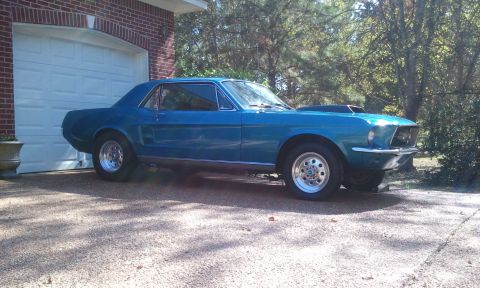 Open1964-1973First Generation (Early Mustang)11,957 photos · 297 registered
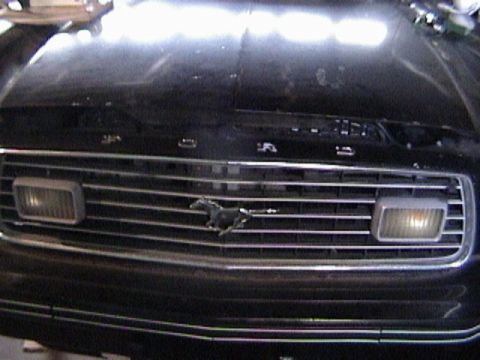 Open1974-1978Second Generation (Mustang II)124 photos · 3 registered
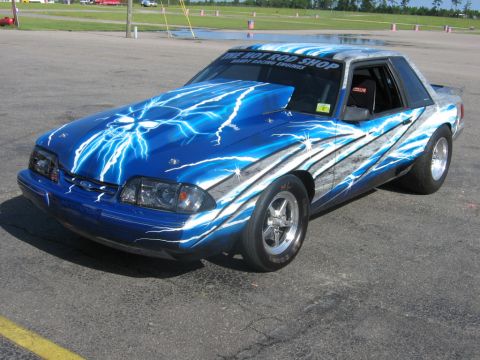 Open1979-1993Third Generation (Fox-body)7,201 photos · 258 registered
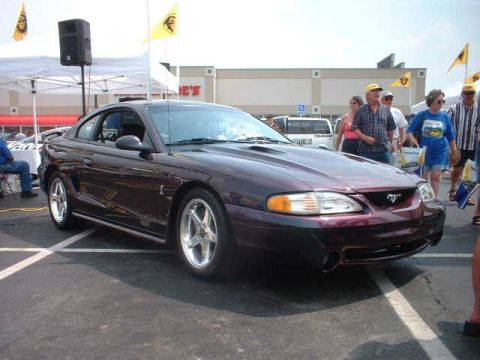 Open1994-1998Fourth Generation (SN95)1,744 photos · 122 registered
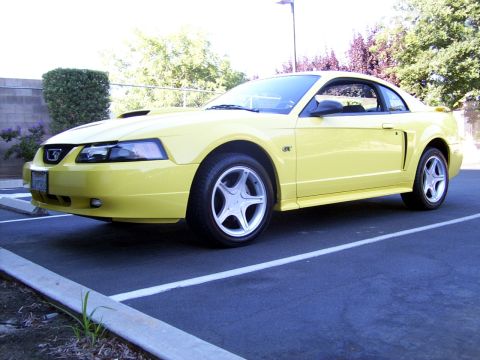 Open1999-2004Fourth Generation (New Edge)3,618 photos · 183 registered
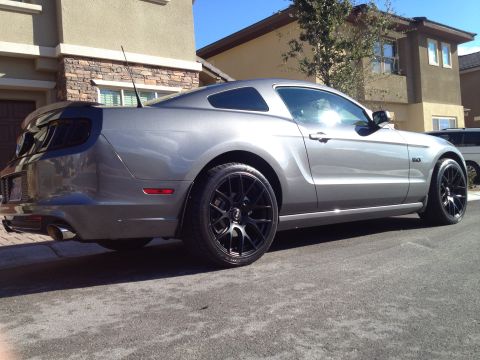 Open2005-2014Fifth Generation (S197)6,352 photos · 75 registered
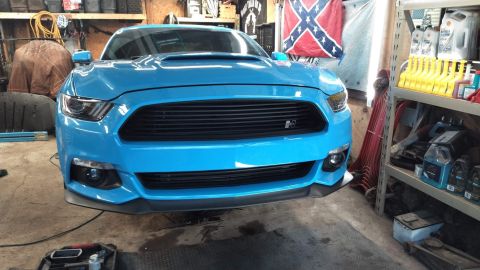 Open2015-2023Sixth Generation (S550)114 photos · 10 registered
Open2024-2026Seventh Generation (S650)Be the first · add yours
Open2015-2023Sixth Generation (S550)114 photos · 10 registered
Open2024-2026Seventh Generation (S650)Be the first · add yours
By model year
More Ford models
The wall
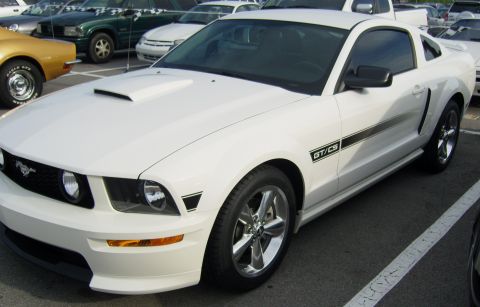
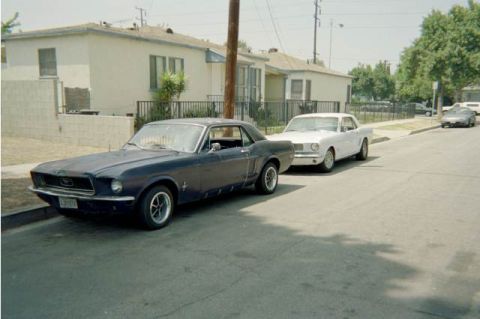
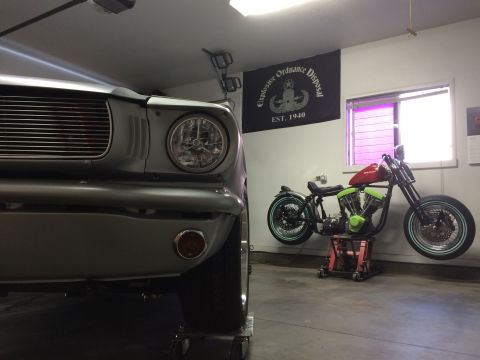
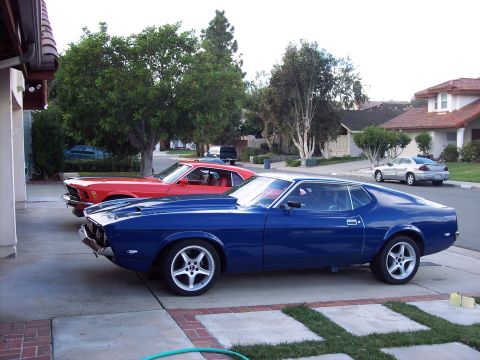
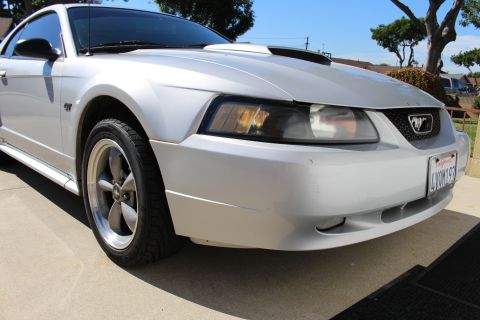
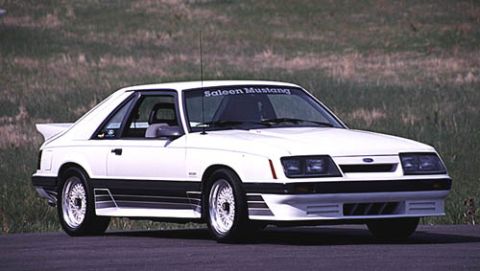
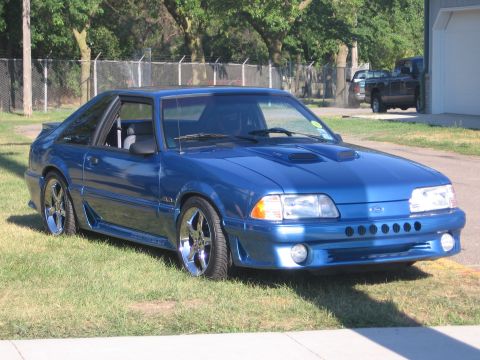
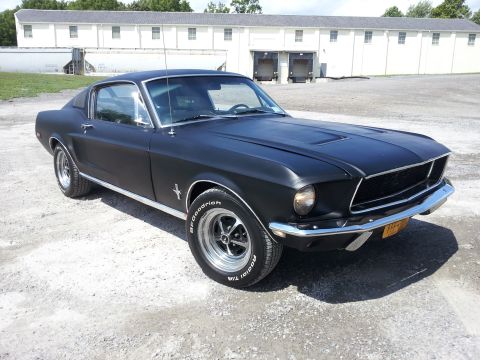
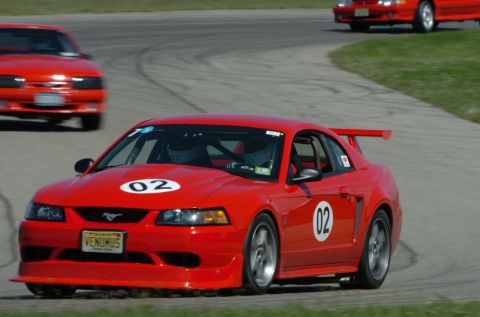
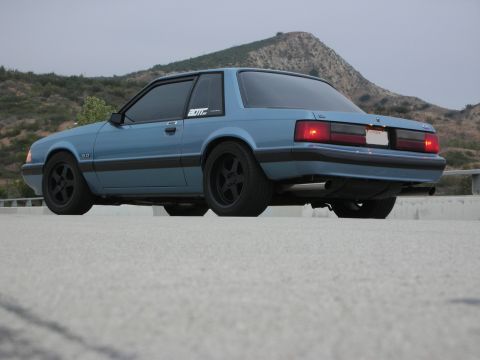
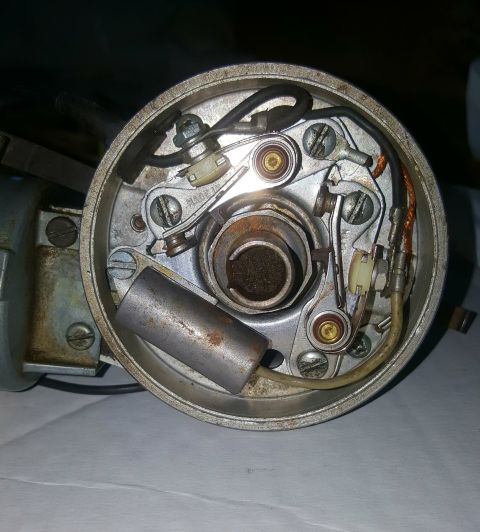
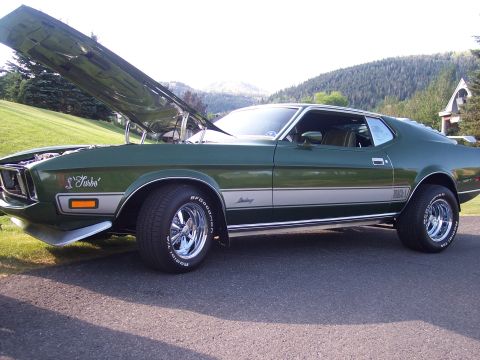
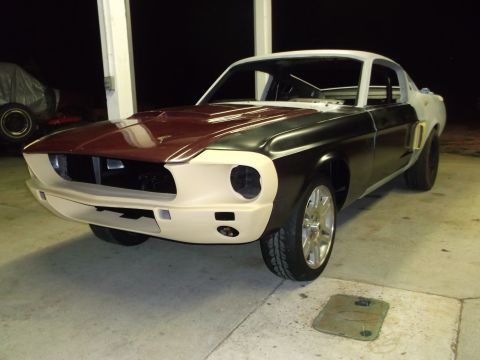
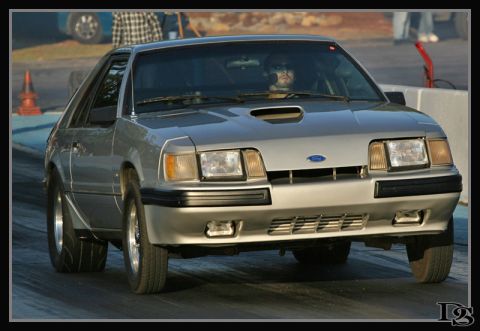
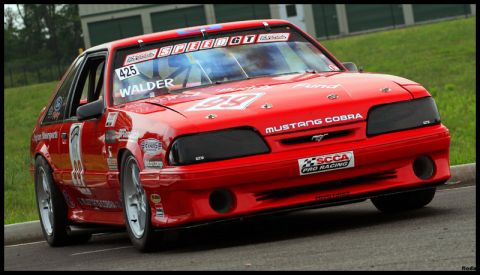
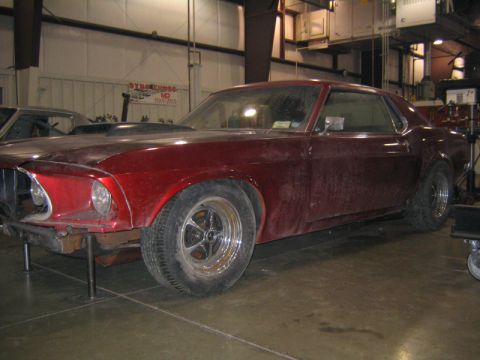
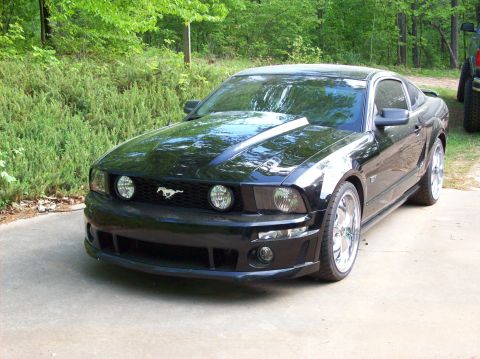
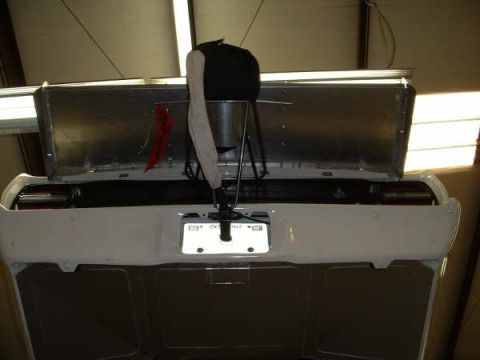
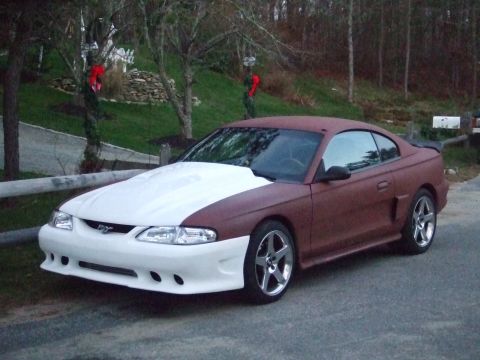
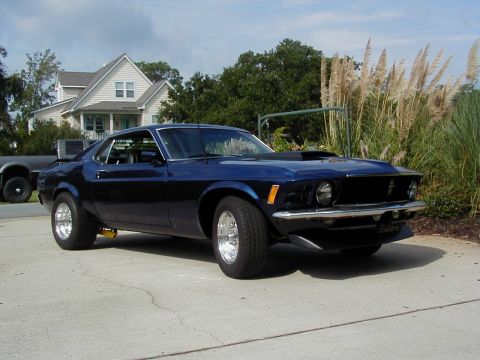
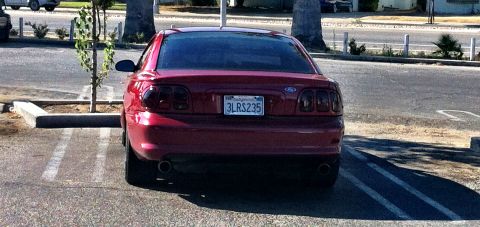
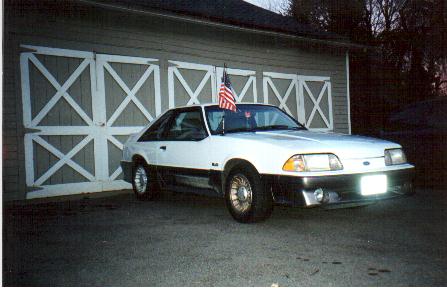
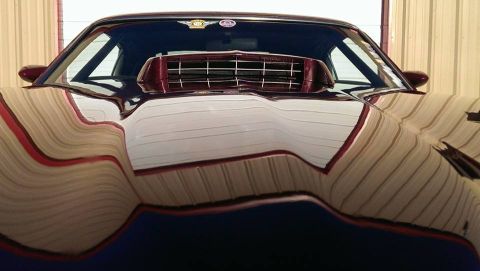
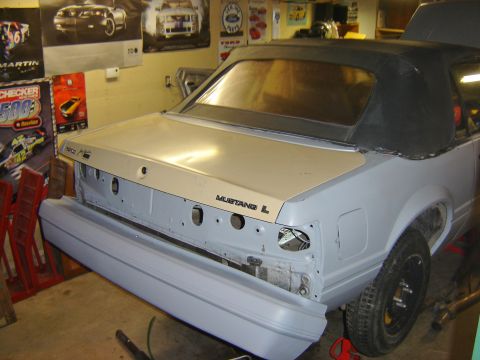
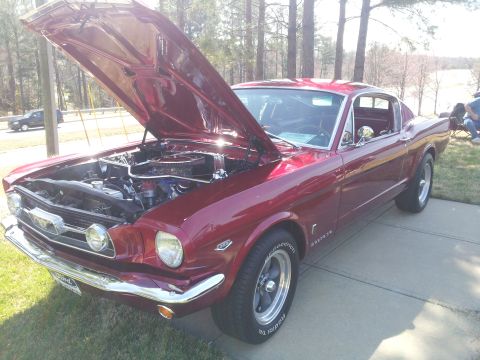
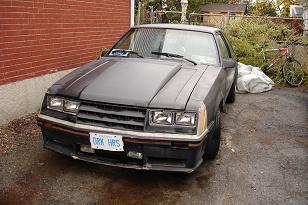
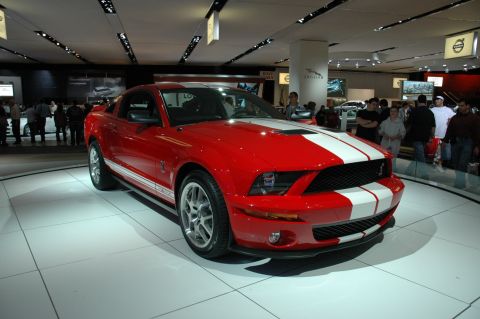
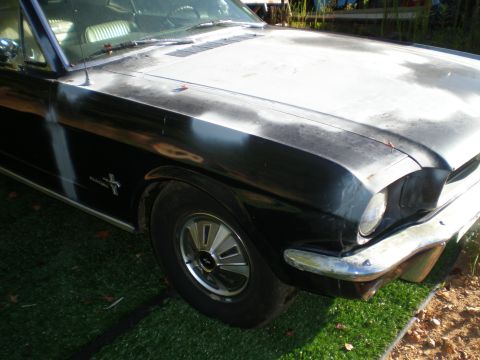
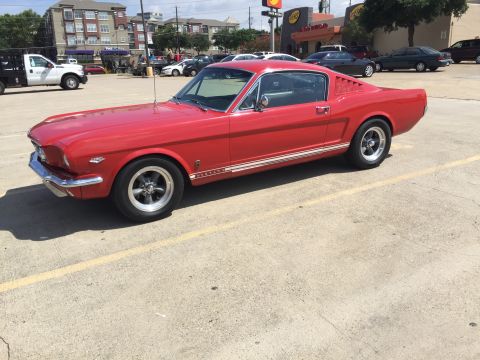
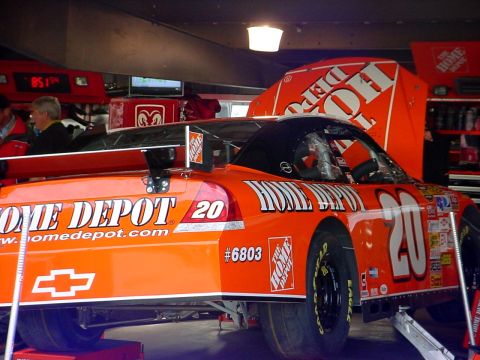
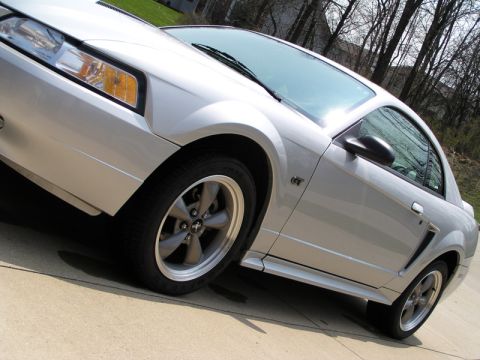
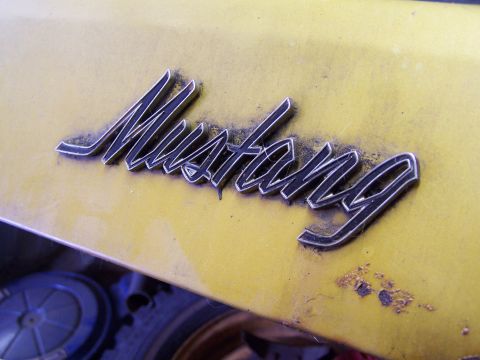
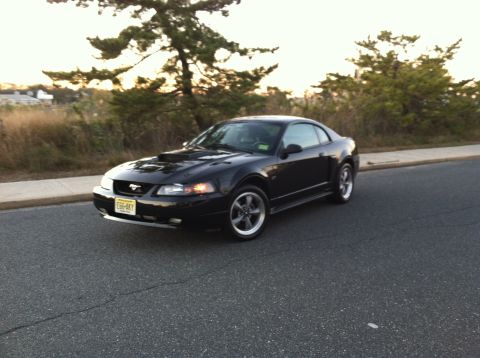
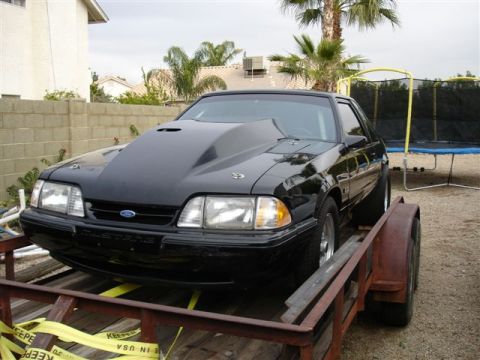
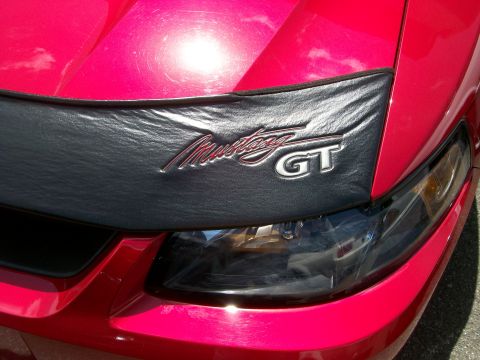
The most-documented Ford Mustangs in the registry, every photo by the owner.
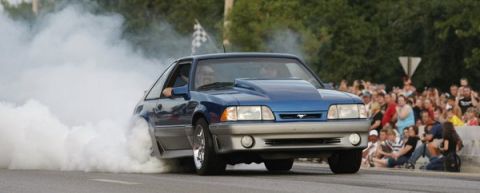
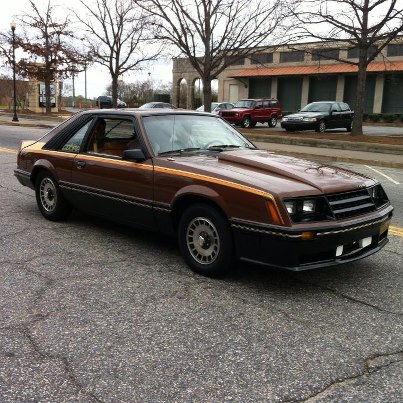
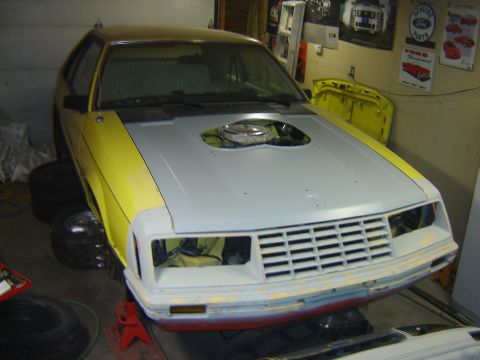
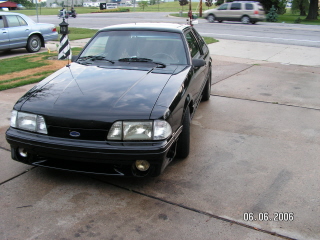
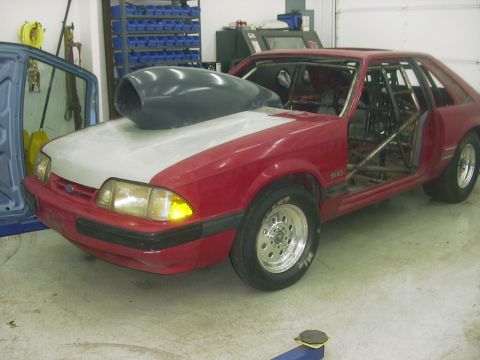
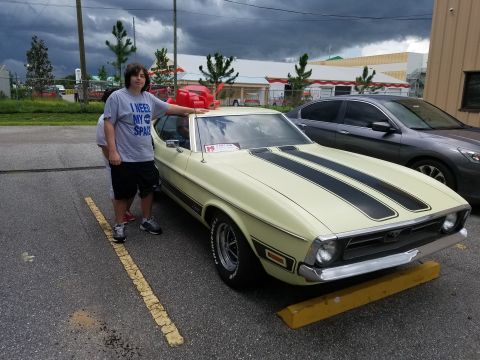
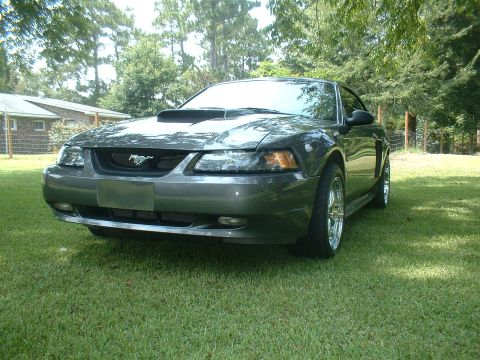
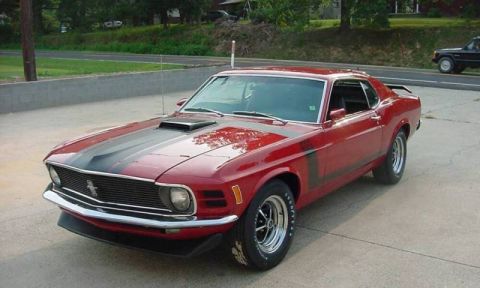
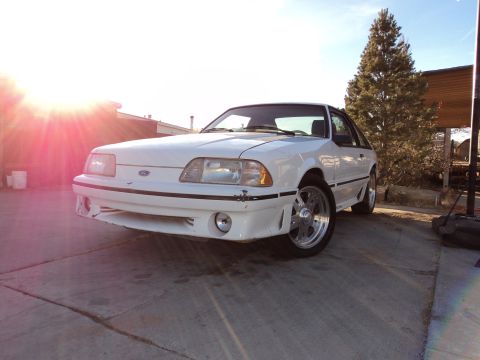
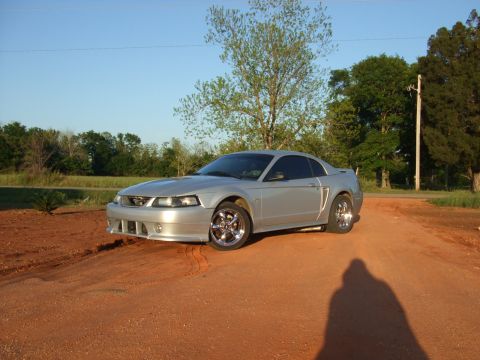
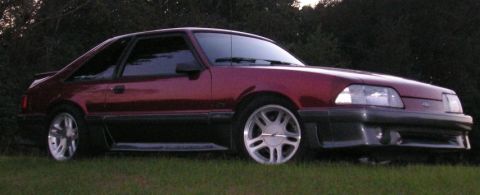
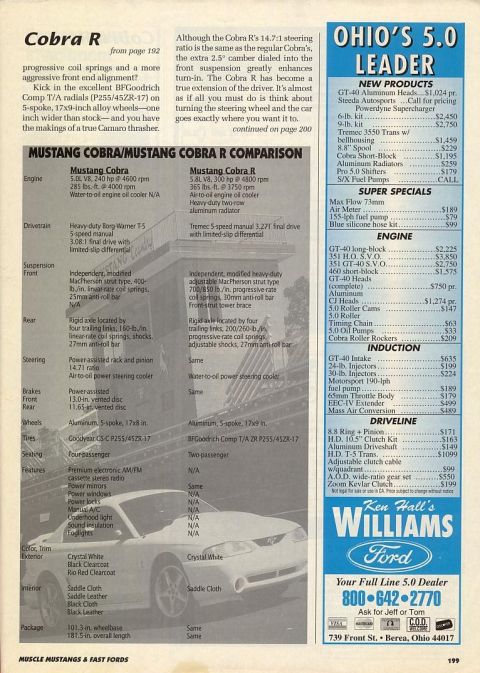
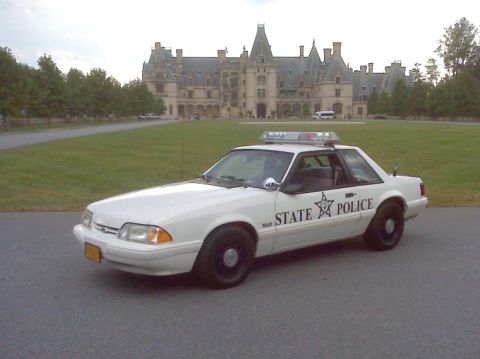
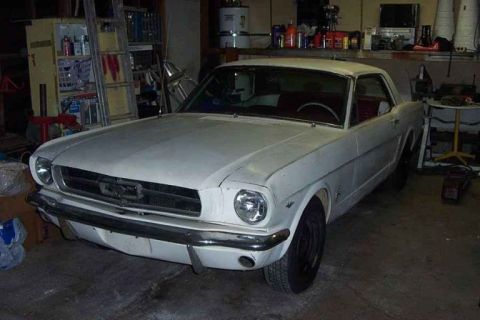
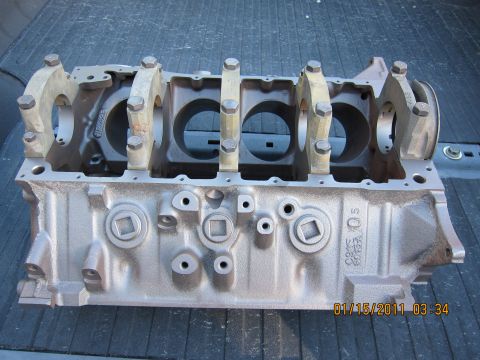
Key facts
| Fact | Detail |
|---|---|
| Manufacturer | Ford Motor Company |
| Debut | April 17, 1964, New York World's Fair (all early cars VIN-stamped as 1965 models) |
| Production years | 1965 to present (S650 generation current, 2024-present) |
| Generations | Seven; the Pinto-based Mustang II (1974-1978) is a distinct model documented on its own page |
| Original platform | Ford Falcon compact |
| Engine eras | 170 cu in (2.8L) Thriftpower I6 and 260 cu in (4.3L) Windsor V8 at launch, through to the 2.3L EcoBoost turbo I4 and DOHC 5.0L Coyote V8 |
| Performance sub-lines | Shelby GT350/GT500, Boss 302 and Boss 429, Mach 1, SVT (later Ford Performance) Cobra and GT500 |
| Related but separate | Mustang Mach-E (electric) is not part of this lineage |
Generations at a glance
| Generation | Platform / chassis code | Why it matters |
|---|---|---|
| 1964-1973 First Generation (Early Mustang) | Ford Falcon-based | The original pony car, from the 170 cu in I6 up to the 428 Cobra Jet FE V8, with Shelby GT350/GT500, Boss 302, and Boss 429 sub-lines. |
| 1974-1978 Second Generation (Mustang II) | Ford Pinto-based | Downsized after the 1973 oil crisis; first Mustang with rack-and-pinion steering and 1974 Motor Trend Car of the Year; documented as a separate model on its own page. |
| 1979-1993 Third Generation (Fox-body) | Ford Fox platform | Introduced the 5.0L HO V8 that defined the badge for a decade; SVT launched the Mustang Cobra in 1993. |
| 1994-1998 Fourth Generation (SN95) | SN95 (updated Fox) | Dropped the hatchback for coupe and convertible bodies; the 1996 GT adopted the modular 4.6L SOHC V8. |
| 1999-2004 Fourth Generation (New Edge) | SN95 (updated Fox) | Sharper restyle; its 1999 SVT Cobra was the first Mustang with independent rear suspension, and the 2003-2004 "Terminator" Cobra made 390 hp. |
| 2005-2014 Fifth Generation (S197) | S197 | First non-Fox-derived Mustang since 1978, with retro styling; revived the 5.0 badge with the Coyote V8 and topped out at the 662 hp GT500. |
| 2015-2023 Sixth Generation (S550) | S550 | Made independent rear suspension standard across the whole line for the first time and added the 2.3L EcoBoost turbo I4. |
| 2024-2026 Seventh Generation (S650) | S650 | Current generation, with an all-digital dashboard, a fourth-generation 5.0L Coyote V8, and the 500 hp Dark Horse. |
First generation, 1965-1973 (Falcon-based)
The 1965 Mustang launched on the Ford Falcon compact platform with a 170 cu in (2.8L) Thriftpower I6 and a 260 cu in (4.3L) Windsor V8, soon joined by the 200 cu in (3.3L) I6 and the 289 cu in (4.7L) Windsor V8. The 1965 K-code HiPo 289 was rated 271 hp gross. The 1967 restyle widened the engine bay to accept the 390 cu in (6.4L) FE big-block V8. The 1968 Mustang added the 302 cu in (5.0L) Windsor V8 and, from April 1968, the 428 Cobra Jet FE big-block. The 1969 restyle introduced the Mach 1, the Trans-Am-homologation Boss 302 (rated 290 hp gross), the NASCAR-homologation Boss 429 semi-hemi (rated 375 hp gross), and the Grande luxury hardtop, with quad headlamps for 1969; the 1970 facelift returned to two headlamps set in the grille. The 1971-1973 cars had the largest first-generation bodies and offered the 351 Cleveland and, in 1971 only, the 429 Cobra Jet and Super Cobra Jet. Carroll Shelby's GT350 and GT500 were built 1965-1970, and the 1968 GT500KR ("King of the Road") used the 428 Cobra Jet. Rear axles were the Ford 8-inch and 9-inch units depending on engine.
Mustang II, 1974-1978 (separate Pinto-based model)
The Mustang II is documented on its own page on this site because it is a distinct Ford Pinto-based model, downsized in response to the 1973 oil crisis. The 1974 Mustang II was the first Mustang with rack-and-pinion steering and was named Motor Trend Car of the Year for 1974, but offered no V8: only the 2.3L (140 cu in) Lima SOHC I4 and the 2.8L (171 cu in) Cologne V6. The 302 cu in (5.0L) Windsor V8 returned as a two-barrel option in 1975. The 1976 Cobra II and 1978 King Cobra were appearance packages over this body.
Fox-body and SN95, 1979-2004
The 1979 Mustang moved to the Ford Fox platform shared with the Fairmont and Zephyr, on a 100.4 in wheelbase, and was a 1979 Indy Pace Car year. The 5.0L HO V8 returned in the 1982 GT ("the Boss is back"), the convertible came back for 1983, and the 1984-1986 SVO used an intercooled 2.3L turbo I4. The 1987 aero facelift brought flush headlamps and a 5.0L rated 225 hp net, and SVT launched the Mustang Cobra (235 hp) for 1993. The 1994 Mustang moved to the SN95 platform, a heavily updated Fox, dropping the hatchback for coupe and convertible bodies. The 1996 GT adopted the modular 4.6L SOHC V8 (215 hp) and the SVT Cobra used the 4.6L DOHC (305 hp). The 1999 New Edge restyle raised the GT to 260 hp, and its SVT Cobra was the first Mustang with independent rear suspension. The 2003-2004 supercharged "Terminator" Cobra made 390 hp from a 4.6L DOHC with an Eaton blower.
S197, S550, and S650, 2005 to present
The 2005 Mustang introduced the S197 platform, the first non-Fox-derived Mustang since 1978, with retro styling and a solid three-link live rear axle with Panhard rod. The 2011 S197 revived the 5.0 badge with the 412 hp "Coyote" DOHC V8 and added a 3.7L "Cyclone" V6 (305 hp), and the 2013-2014 GT500 used a 5.8L supercharged V8 rated 662 hp. The 2015 Mustang moved to the S550 platform and made independent rear suspension standard across the entire Mustang line for the first time, with a new 2.3L EcoBoost turbo I4 (310 hp) and the 5.0L Coyote (435 hp). The 2016 Shelby GT350 used the naturally aspirated 5.2L flat-plane-crank "Voodoo" V8 (526 hp, 8250 rpm redline), and the 2020 GT500 used the supercharged 5.2L cross-plane "Predator" V8 (760 hp). The 2024 Mustang introduced the S650 platform with an all-digital dashboard, a fourth-generation 5.0L Coyote V8, and the Dark Horse (500 hp) replacing the Mach 1 as the top naturally aspirated model.
Performance sub-lines explained
Several Mustang sub-lines recur across generations. The Shelby GT350 and GT500 began as Carroll Shelby builds in 1965-1970 and were revived by Ford as the 2007 GT500 and 2016 GT350. The Boss 302 was built for Trans-Am homologation in 1969-1970 and revived in 2012-2013 (444 hp), while the Boss 429 of 1969-1970 homologated a semi-hemi engine for NASCAR. The Mach 1 began in 1969, returned for 2003-2004 on the New Edge body (305 hp) and again for 2021 on the S550 (480 hp). SVT, Ford's Special Vehicle Team, produced the Cobra from 1993 onward; that role later passed to Ford Performance.
Frequently asked questions
How many generations of Ford Mustang are there?
There are seven Ford Mustang generations: the first generation (1965-1973, Falcon-based), the Mustang II (1974-1978, Pinto-based and treated as a separate model), the Fox-body third generation (1979-1993), the SN95/New Edge fourth generation (1994-2004), the S197 fifth generation (2005-2014), the S550 sixth generation (2015-2023), and the S650 seventh generation (2024-present). The electric Mustang Mach-E is a separate model and is not part of this lineage.
What is the difference between SN95 and New Edge Mustangs?
SN95 and New Edge are both part of the fourth generation Mustang (1994-2004) on the same SN95 platform. SN95 refers to the original 1994-1998 styling, while New Edge refers to the sharper 1999-2004 restyle. The 1996 GT switched from the pushrod 5.0L to the modular 4.6L SOHC V8, and the 1999 New Edge GT was rated 260 hp.
Which Mustang first had independent rear suspension?
The 1999 SVT Cobra was the first Mustang with independent rear suspension; every other Mustang of that era used a solid live rear axle. Independent rear suspension did not become standard across the whole Mustang line until the 2015 S550 generation.
Was there really a "1964 1/2" Mustang?
The cars sold from the April 17, 1964 debut are called "1964 1/2" by enthusiasts, but Ford VIN-stamped and titled all of them as 1965 models. There is no separate 1964 model year in Ford's records.
What was the most powerful factory Mustang V8 of the S197 era?
The 2013-2014 Shelby GT500 used a 5.8L supercharged V8 rated 662 hp, the most powerful factory Mustang V8 of its time. It was part of the fifth-generation S197 platform.
Sources
This overview is compiled from Ford factory sales literature and model-year specifications, VIN and engine-code references for the Mustang, Shelby American production records, period road tests, and standard Mustang marque references. Generation-specific pages on this site carry the detailed year-by-year specifications and their own sources.
Asked all the time
How many generations of Ford Mustang are there?
There are seven Ford Mustang generations: the first generation (1965-1973, Falcon-based), the Mustang II (1974-1978, Pinto-based and treated as a separate model), the Fox-body third generation (1979-1993), the SN95/New Edge fourth generation (1994-2004), the S197 fifth generation (2005-2014), the S550 sixth generation (2015-2023), and the S650 seventh generation (2024-present). The electric Mustang Mach-E is a separate model and is not part of this lineage.
What is the difference between SN95 and New Edge Mustangs?
SN95 and New Edge are both part of the fourth generation Mustang (1994-2004) on the same SN95 platform. SN95 refers to the original 1994-1998 styling, while New Edge refers to the sharper 1999-2004 restyle. The 1996 GT switched from the pushrod 5.0L to the modular 4.6L SOHC V8, and the 1999 New Edge GT was rated 260 hp.
Which Mustang first had independent rear suspension?
The 1999 SVT Cobra was the first Mustang with independent rear suspension; every other Mustang of that era used a solid live rear axle. Independent rear suspension did not become standard across the whole Mustang line until the 2015 S550 generation.
Was there really a "1964 1/2" Mustang?
The cars sold from the April 17, 1964 debut are called "1964 1/2" by enthusiasts, but Ford VIN-stamped and titled all of them as 1965 models. There is no separate 1964 model year in Ford's records.
What was the most powerful factory Mustang V8 of the S197 era?
The 2013-2014 Shelby GT500 used a 5.8L supercharged V8 rated 662 hp, the most powerful factory Mustang V8 of its time. It was part of the fifth-generation S197 platform.