Model hub · Ford
Ford F-150: History, Generations & Specs
The Ford F-150 is the half-ton pickup in Ford's F-Series line, built from the 1975 model year to the present across nine generations. It launched inside the 1973-1979 sixth-generation F-Series, the "Dentside," as a heavier-duty half-ton between the F-100 and F-250, and eventually replaced the F-100 as Ford's half-ton entirely. Its milestones trace the nameplate's whole arc: the 300 inline-six and Windsor V8s, the overhead-cam Triton V8s from 1997, the 5.0 Coyote and 3.5 EcoBoost from 2011, an aluminum-alloy body from 2015, and the 3.5 PowerBoost full hybrid from 2021. Since the F-250 and F-350 split into the Super Duty line for 1999, the F-150 has been Ford's dedicated light-duty half-ton, currently in its fourteenth F-Series generation.
Pick your generation
Each generation page covers what changed year by year, what owners call them, and the wall of registered vehicles.
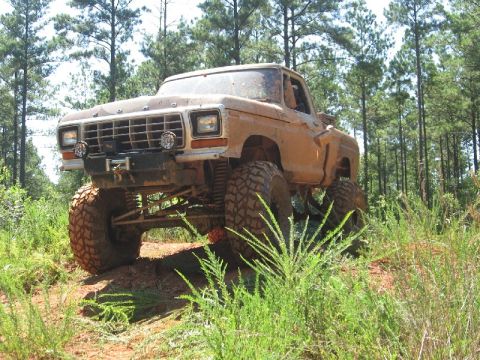 Open1975-1979Dentside F-1507,693 photos · 172 registered
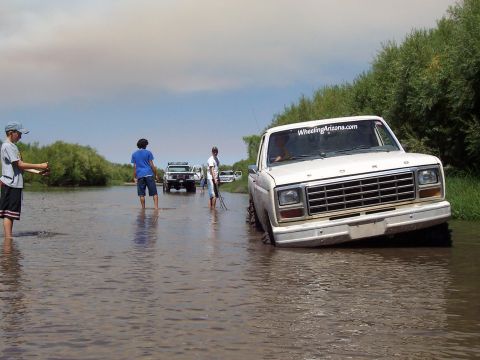 Open1980-1986Bullnose F-1502,274 photos · 123 registered
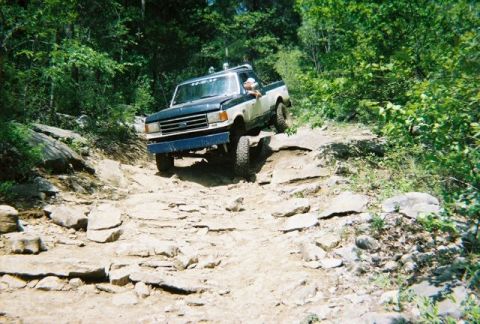 Open1987-1991OBS F-150 (1987-1991)3,083 photos · 173 registered
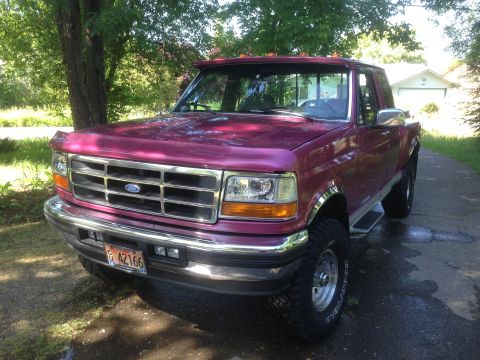 Open1992-1996OBS F-150 (1992-1996)8,679 photos · 372 registered
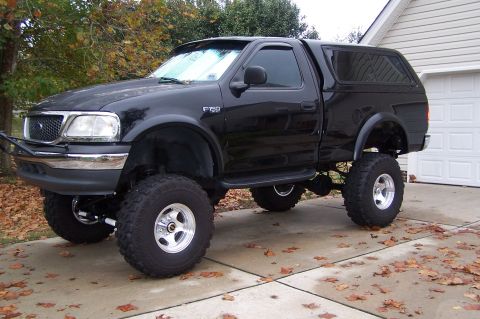 Open1997-200310th-Gen F-1501,200 photos · 182 registered
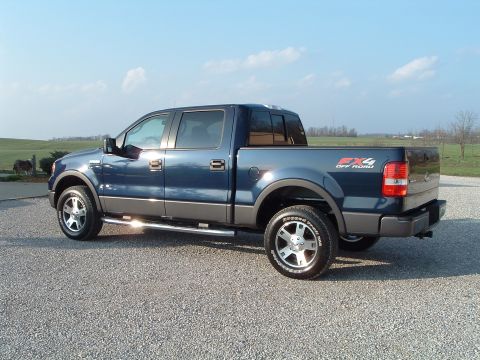 Open2004-200811th-Gen F-1501,650 photos · 95 registered
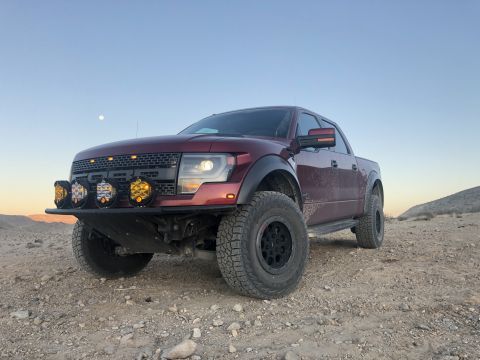 Open2009-201412th-Gen F-150226 photos · 20 registered
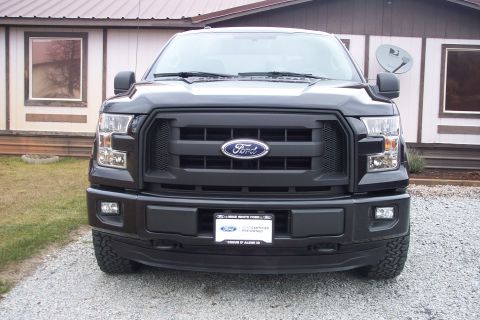 Open2015-202013th-Gen F-150 (Aluminum)113 photos · 10 registered
Open2021-202614th-Gen F-150Be the first · add yours
Open2015-202013th-Gen F-150 (Aluminum)113 photos · 10 registered
Open2021-202614th-Gen F-150Be the first · add yours
By model year
More Ford models
The wall
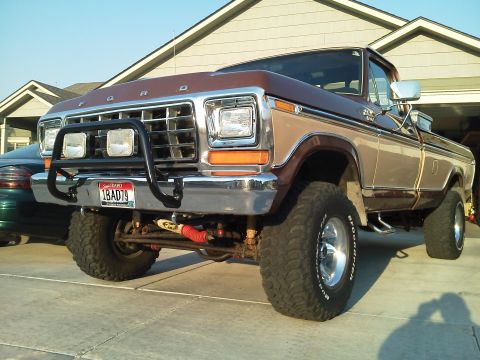
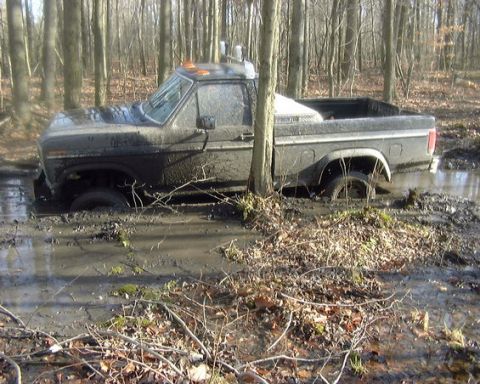
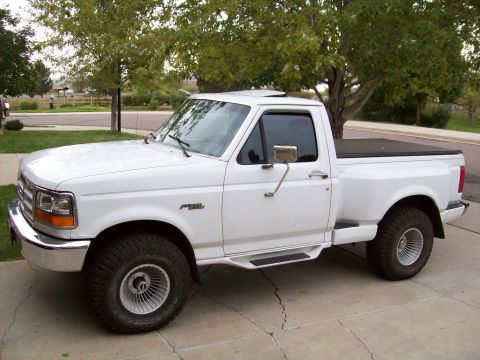
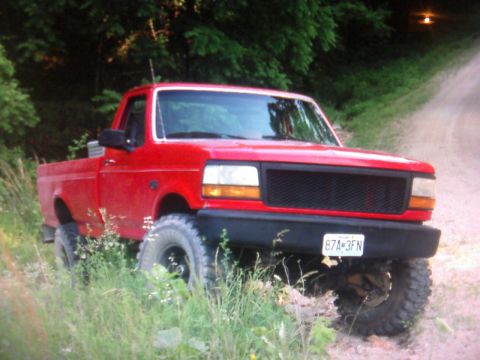
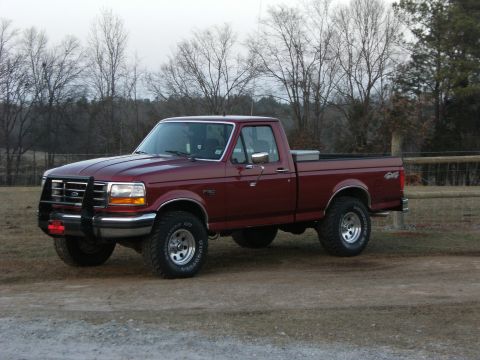
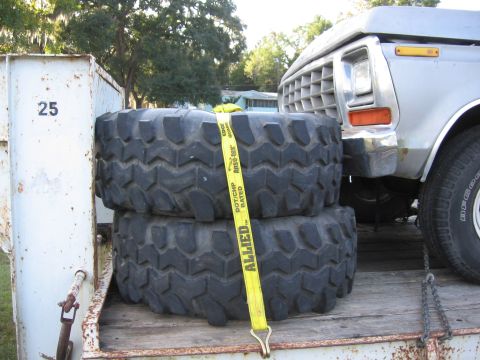
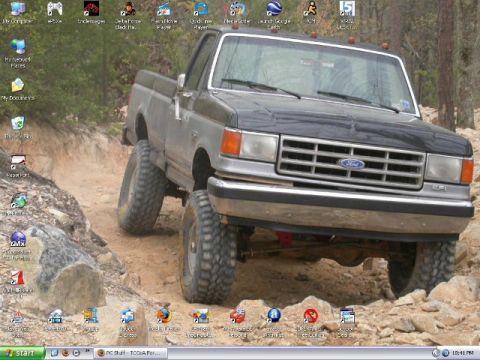
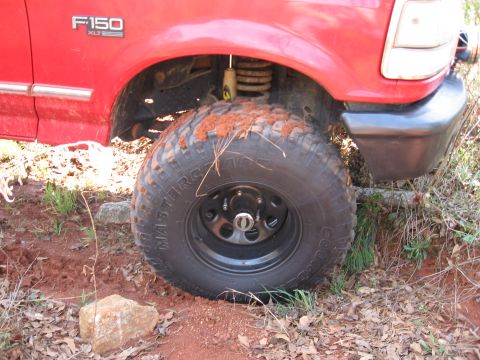
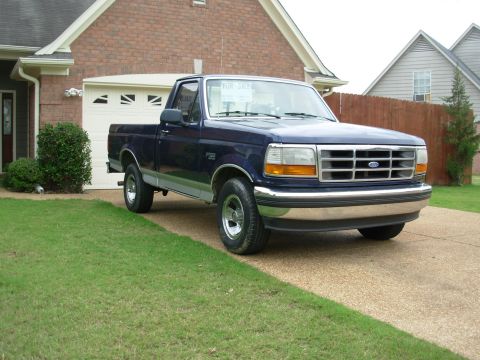
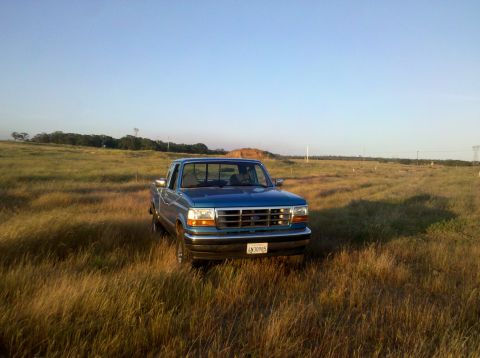
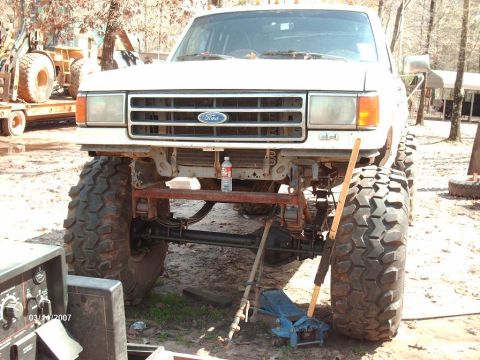
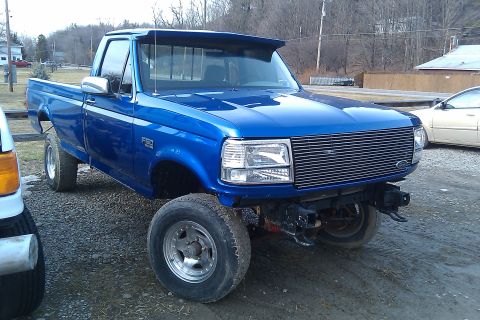
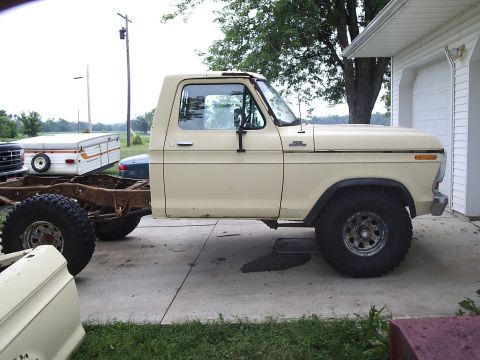
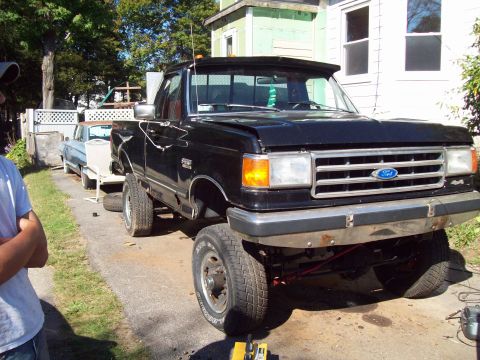
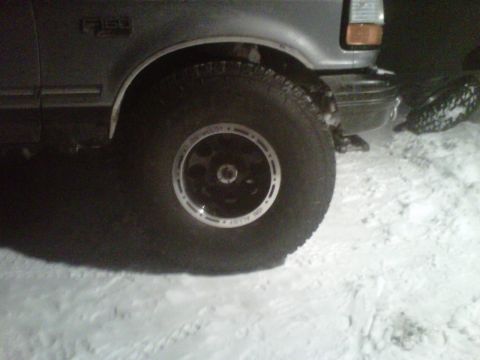
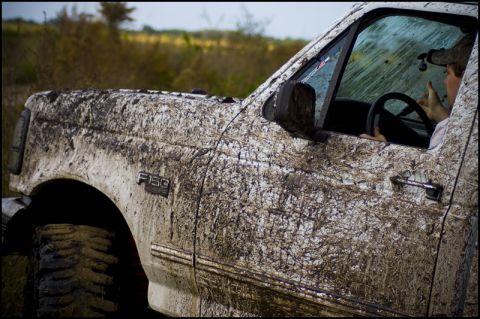
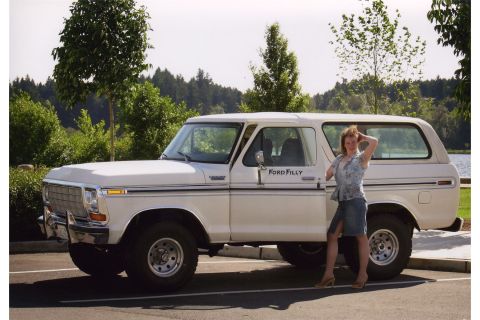
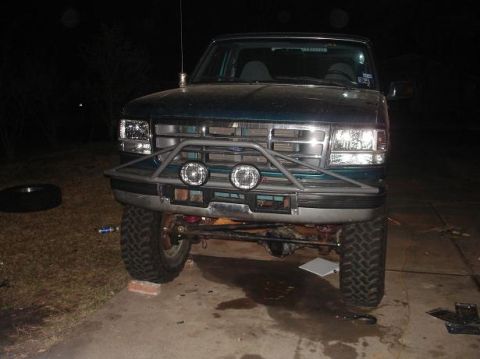
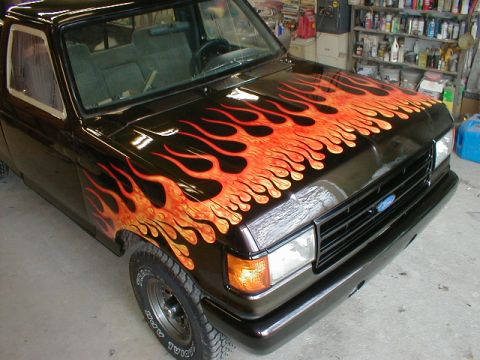
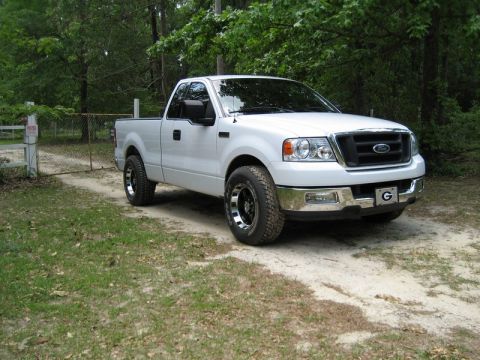
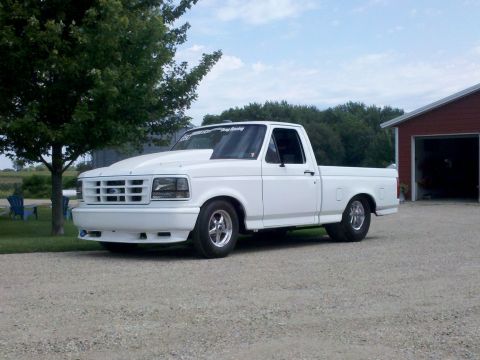
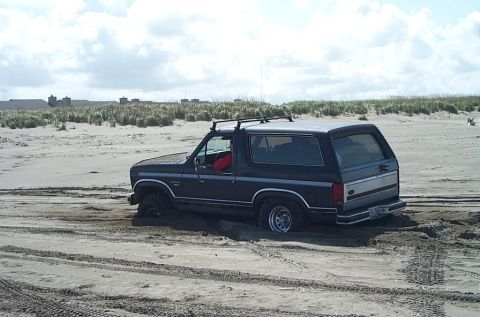
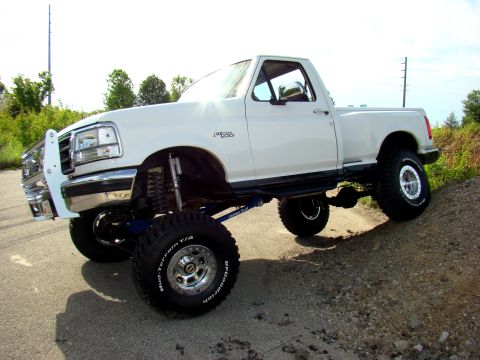
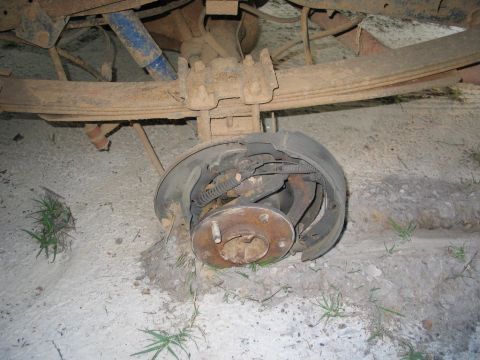
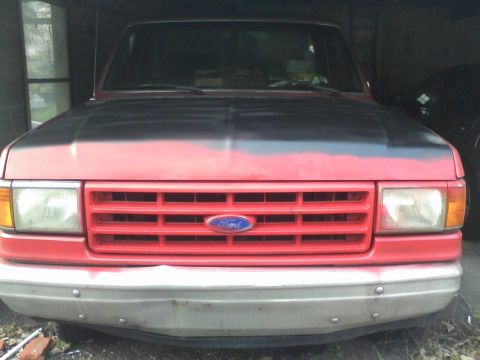
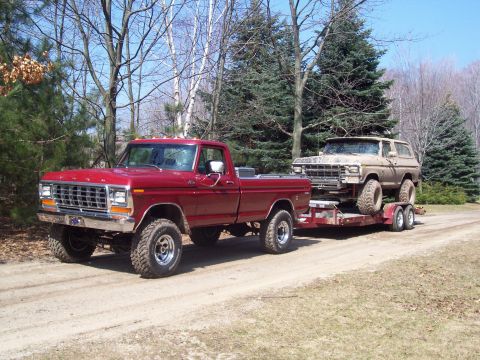
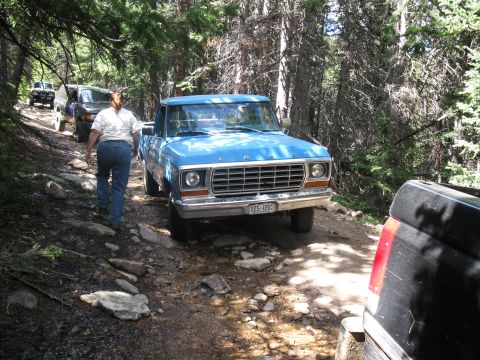
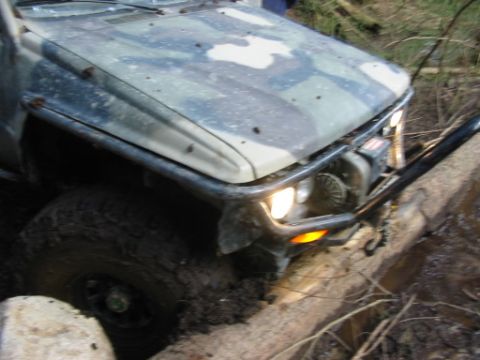
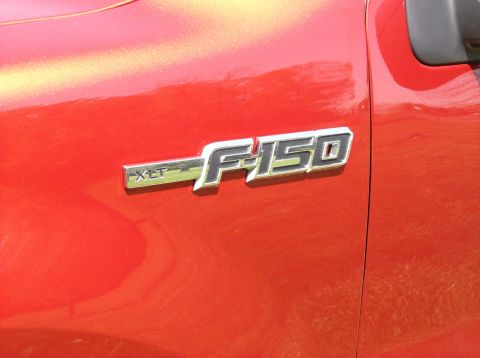
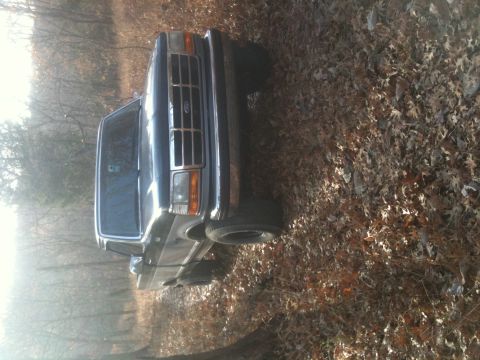
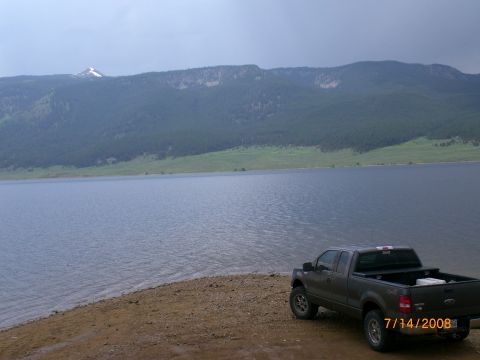
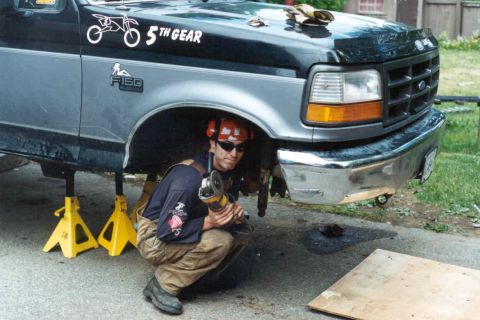
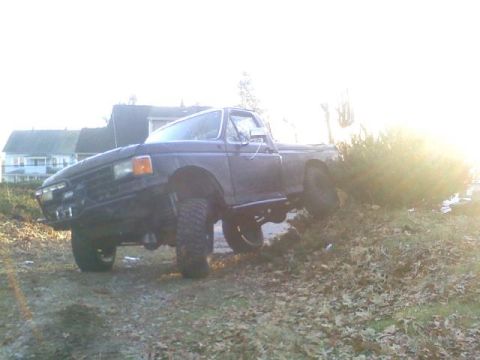
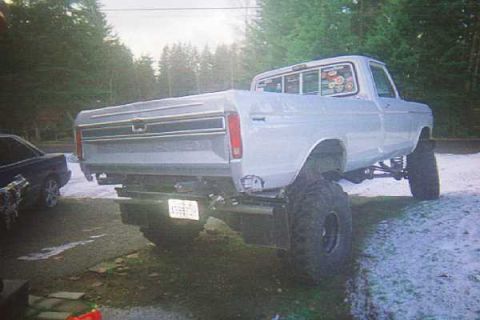
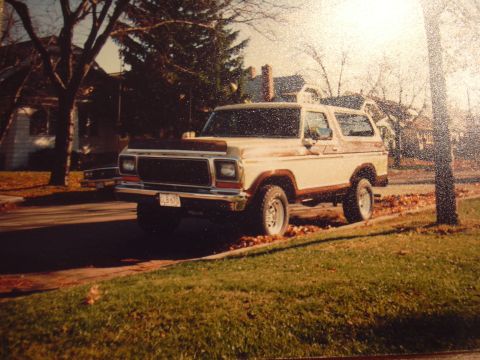
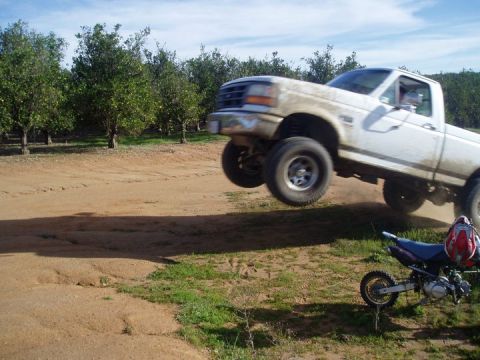
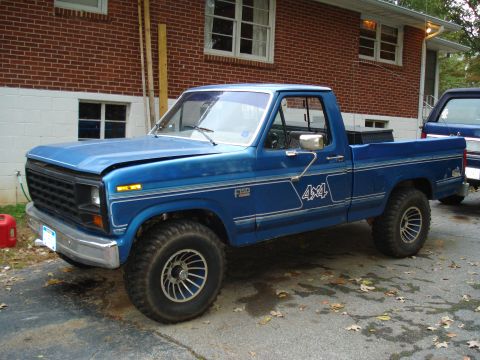
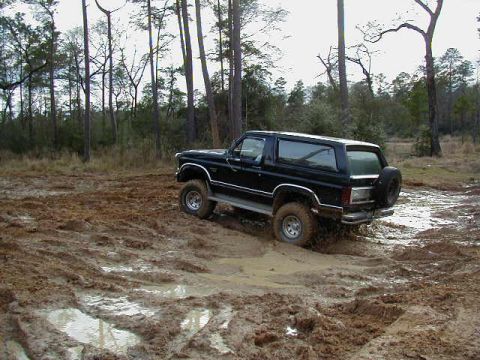
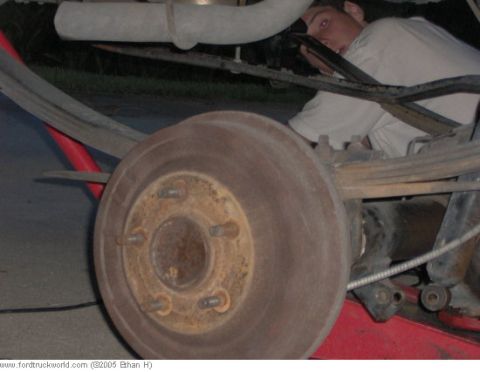
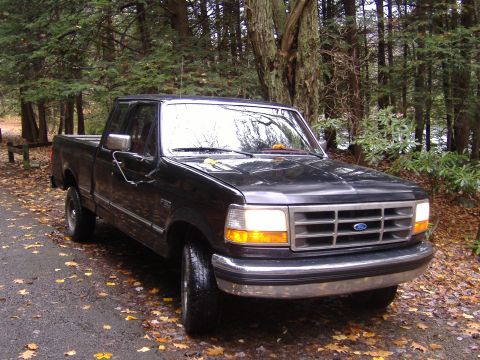
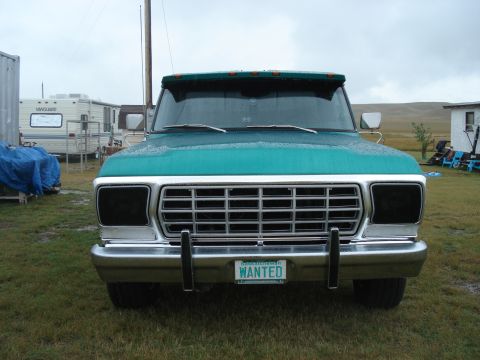
The most-documented Ford F-150s in the registry, every photo by the owner.


Key facts
| Fact | Detail |
|---|---|
| Production years | 1975 to present |
| Generations | Nine, from the 1975-1979 Dentside to the 2021-present fourteenth-generation F-Series |
| Class | Half-ton pickup, introduced between the F-100 and F-250 |
| Signature engines | 300 cubic-inch (4.9L) inline-six through 1996; Windsor 302 and 351 V8s; Triton 4.6 and 5.4 SOHC V8s; 5.0 Coyote V8; 3.5 EcoBoost V6; 3.5 PowerBoost hybrid |
| Front suspension | Twin-Traction Beam (Dana 44) on 4x4 from 1980 to 1996, then an 8.8-inch independent front suspension from 1997 (still independent, not a solid axle) |
| Heavy-duty split | F-250 and F-350 became the separate Super Duty line for 1999, leaving the F-150 as the dedicated half-ton |
| Performance variants | SVT Lightning (1993-1995 with the 351 Windsor, 1999-2004 with a supercharged 5.4); SVT/Ford Raptor from 2010 |
Generations at a glance
| Years | Nickname | Why it matters | Registry |
|---|---|---|---|
| 1975-1979 | Dentside F-150 | The F-150 nameplate launches for 1975 as a heavier half-ton above the F-100, with the 300 I6, 302, 360/390 FE (through 1976), 351M/400 (from 1977), and 460 (2WD). | 1975-1979 Dentside F-150 |
| 1980-1986 | Bullnose F-150 | All-new cab and body, with Twin-Traction Beam independent front suspension arriving on the 4x4 for 1980; engines were the 300 I6, 302, 351W, and 351M/400. | 1980-1986 Bullnose F-150 |
| 1987-1991 | OBS F-150 (1987-1991) | Aero refresh with a rounded front end, electronic fuel injection standard, and the first composite headlamps on a U.S. truck; 300 I6 plus 5.0 and 5.8 V8s. | 1987-1991 OBS F-150 |
| 1992-1996 | OBS F-150 (1992-1996) | Smoother "Aeronose" styling, the Flareside bed returning for 1992, and the first SVT Lightning (1993-1995); the 300 I6 runs through 1996 alongside the 5.0 and 5.8. | 1992-1996 OBS F-150 |
| 1997-2003 | 10th-Gen F-150 | New body and chassis; overhead-cam 4.6 and 5.4 Triton V8s and the 4.2 Essex V6 replace the pushrods, 8.8 IFS replaces the TTB, SuperCrew arrives for 2001, and the Super Duty splits off for 1999. | 1997-2003 10th-Gen F-150 |
| 2004-2008 | 11th-Gen F-150 | Fully boxed frame, with the 3-valve 5.4 Triton arriving for 2004 alongside the 4.6 V8. | 2004-2008 11th-Gen F-150 |
| 2009-2014 | 12th-Gen F-150 | The 2011 powertrain overhaul brings the 3.7 V6, 5.0 Coyote, 6.2 V8, and twin-turbo 3.5 EcoBoost; the SVT Raptor (2010-2014) launches for 2010 with the 5.4 and uses the 6.2 from 2011-2014. | 2009-2014 12th-Gen F-150 |
| 2015-2020 | 13th-Gen F-150 (Aluminum) | Aluminum-alloy body cuts weight for 2015, a 10-speed automatic arrives for 2017, and the Raptor returns for 2017 with a high-output 3.5 EcoBoost; engines span the 3.3/3.5 V6, 2.7/3.5 EcoBoost, 5.0 V8, and 3.0 Power Stroke diesel. | 2015-2020 13th-Gen F-150 |
| 2021-present | 14th-Gen F-150 | Adds the 3.5 PowerBoost full hybrid and the Pro Power Onboard generator, alongside the 3.3 V6, 2.7/3.5 EcoBoost, and 5.0 V8. | 2021-2026 14th-Gen F-150 |
Where the F-150 sits in the F-Series
The Ford F-150 was created for 1975, inside the Dentside generation, as a heavier-duty half-ton slotted above the existing F-100, giving buyers a higher payload rating and stouter components while staying in the half-ton class. Through the late 1970s and into the 1980s the F-150 and F-100 were sold side by side, and the F-150 gradually became the volume half-ton before the F-100 name was retired. The other major structural change came for 1999, when Ford moved the three-quarter-ton F-250 and one-ton F-350 onto a separate heavy-duty platform called the Super Duty. From 1999 on, the F-150 is specifically the light-duty half-ton and the Super Duty trucks are engineered separately, which is why a late F-250 or F-350 is not simply a bigger F-150.
Engine eras of the Ford F-150
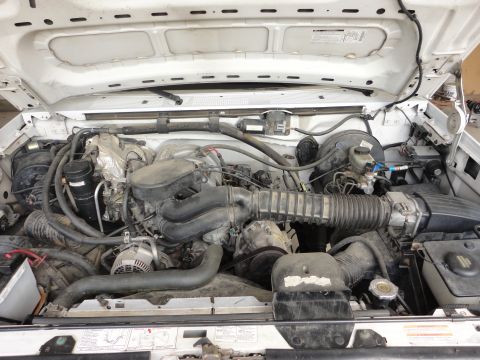
For its first two decades the Ford F-150 ran Ford's pushrod truck engines: the 300-cubic-inch (4.9L) inline-six as the durable base engine, alongside Windsor V8s in 302 and 351 displacements and, in the 1970s and early 1980s, the larger 351M, 400, and 460 V8s. The 300 inline-six is the engine most associated with F-150 longevity and ran in the truck through the 1996 model year. The 1997 tenth-generation redesign replaced the pushrod V8s with the overhead-cam Triton modular V8s in 4.6 and 5.4 displacements, plus the 4.2 Essex V6, marking the F-150's move to modern modular engines. The 2011 model year, mid-way through the twelfth generation, brought the next major shift: the 3.7 V6, the 5.0 Coyote V8, the 6.2 V8, and the twin-turbocharged 3.5 EcoBoost V6 that made boosted six-cylinder power a mainstream F-150 choice. The current era adds electrification through the 3.5 PowerBoost full hybrid introduced for 2021 on the fourteenth generation.
How the front suspension changed
The Ford F-150 4x4 used Ford's Twin-Traction Beam (TTB) independent front suspension, built around a Dana 44 front axle, from 1980 (the start of the Bullnose generation) through 1996, while two-wheel-drive trucks used the related Twin-I-Beam layout. For the 1997 redesign Ford replaced the TTB with an 8.8-inch independent front suspension. A common misconception is that the 1997 F-150 switched to a solid front axle; it did not. The F-150 4x4 stayed independent up front, and it is the four-wheel-drive versions of the heavy-duty Super Duty trucks, split off for 1999, that use a solid front axle.
SVT Lightning and Raptor
The Ford F-150 has carried two distinct factory performance lines. The SVT Lightning was a street performance pickup built in two eras: the first-generation Lightning of 1993 through 1995, on the 1992-1996 OBS trucks, used a tuned 351 Windsor (5.8L) V8, and the second-generation Lightning of 1999 through 2004 used a supercharged 5.4 V8. The Raptor took a different direction as a high-speed off-road truck, arriving as the SVT Raptor for the 2010 model year on the twelfth-generation F-150 with the 5.4 V8, then using the 6.2 V8 from 2011 through 2014 (the 6.2 became available during the 2010 model year), then returning for 2017 on the aluminum-body thirteenth generation with a high-output 3.5 EcoBoost V6.
Frequently asked questions
When did the Ford F-150 first appear?
The Ford F-150 nameplate appeared for the 1975 model year as a heavier-duty half-ton positioned between the F-100 and the F-250, within the 1973-1979 sixth-generation F-Series known as the Dentside. It later replaced the F-100 as Ford's half-ton pickup.
What is the difference between the F-150 and the Super Duty?
Since the 1999 model year the Ford F-150 has been the light-duty half-ton, while the F-250 and F-350 moved to a separate heavy-duty platform called the Super Duty. They are engineered separately, so a Super Duty is not simply a larger F-150; among other differences, four-wheel-drive Super Duty trucks use a solid front axle while the F-150 4x4 uses independent front suspension.
What years did the Ford F-150 use the 300 inline-six?
The Ford F-150 offered the 300-cubic-inch (4.9L) inline-six from the nameplate's 1975 debut through the 1996 model year. After the 1997 redesign the base engine became the 4.2 Essex V6, and the durable 300 six was retired from the F-150.
Did the 1997 Ford F-150 switch to a solid front axle?
No. The 1997 Ford F-150 replaced the Twin-Traction Beam front suspension with an 8.8-inch independent front suspension, so the 4x4 stayed independent up front. The solid front axle is found on four-wheel-drive Super Duty trucks, which split from the F-150 line for 1999, not on the F-150.
What is the difference between the SVT Lightning and the Raptor?
The Ford SVT Lightning was a street performance F-150 built from 1993 to 1995 with a 351 Windsor V8 and again from 1999 to 2004 with a supercharged 5.4 V8. The Raptor is a high-speed off-road F-150 that arrived for 2010 with a 5.4 V8, used the 6.2 V8 from 2011 through 2014 (the 6.2 became available during the 2010 model year), and returned for 2017 with a high-output 3.5 EcoBoost V6.
Sources
- Ford factory specification sheets and shop manuals for the 1975-present F-150
- Established F-Series reference works and generation histories
- SVT Lightning and Raptor production records and factory literature
- VIN and data-plate decoding for engine and axle identification
Asked all the time
When did the Ford F-150 first appear?
The Ford F-150 nameplate appeared for the 1975 model year as a heavier-duty half-ton positioned between the F-100 and the F-250, within the 1973-1979 sixth-generation F-Series known as the Dentside. It later replaced the F-100 as Ford's half-ton pickup.
What is the difference between the F-150 and the Super Duty?
Since the 1999 model year the Ford F-150 has been the light-duty half-ton, while the F-250 and F-350 moved to a separate heavy-duty platform called the Super Duty. They are engineered separately, so a Super Duty is not simply a larger F-150; among other differences, four-wheel-drive Super Duty trucks use a solid front axle while the F-150 4x4 uses independent front suspension.
What years did the Ford F-150 use the 300 inline-six?
The Ford F-150 offered the 300-cubic-inch (4.9L) inline-six from the nameplate's 1975 debut through the 1996 model year. After the 1997 redesign the base engine became the 4.2 Essex V6, and the durable 300 six was retired from the F-150.
Did the 1997 Ford F-150 switch to a solid front axle?
No. The 1997 Ford F-150 replaced the Twin-Traction Beam front suspension with an 8.8-inch independent front suspension, so the 4x4 stayed independent up front. The solid front axle is found on four-wheel-drive Super Duty trucks, which split from the F-150 line for 1999, not on the F-150.
What is the difference between the SVT Lightning and the Raptor?
The Ford SVT Lightning was a street performance F-150 built from 1993 to 1995 with a 351 Windsor V8 and again from 1999 to 2004 with a supercharged 5.4 V8. The Raptor is a high-speed off-road F-150 that arrived for 2010 with a 5.4 V8, used the 6.2 V8 from 2011 through 2014 (the 6.2 became available during the 2010 model year), and returned for 2017 with a high-output 3.5 EcoBoost V6.