Model hub · Ford
Ford F-250: History, Generations & Specs
The Ford F-250 is the three-quarter-ton pickup in Ford's F-Series, built since 1953 across the thirteen generations tracked here and still in production. It sits above the half-ton F-100 and F-150, rated for higher payloads and built with heavier axles, brakes, frame, and springs, and it shared its cab and front sheet metal with the lighter F-Series through 1997. For the 1999 model year Ford moved the F-250 and F-350 onto the separate heavy-duty Super Duty platform, with its own body, frame, and chassis. Diesel power defines the modern truck: the 6.9L IDI arrived in 1983 and the line ran through the 7.3L IDI and 7.3L Power Stroke to today's 6.7L Power Stroke. Four-wheel-drive Super Duty trucks use a solid front axle, unlike the F-150's independent front suspension.
Pick your generation
Each generation page covers what changed year by year, what owners call them, and the wall of registered vehicles.
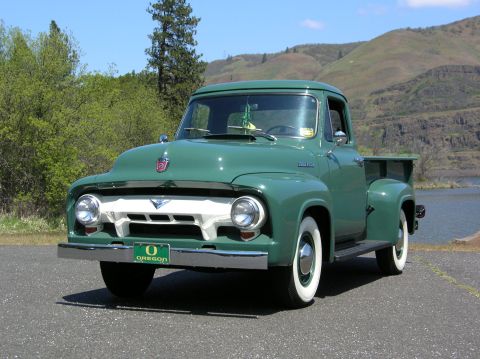 Open1953-1956Effie / Bonus-Built F-25032 photos · 1 registered
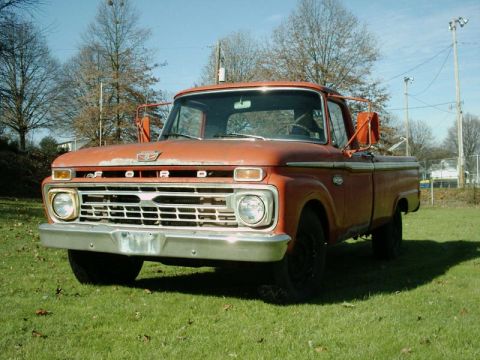 Open1961-1966Fourth-Gen F-250 (1961-1966)317 photos · 8 registered
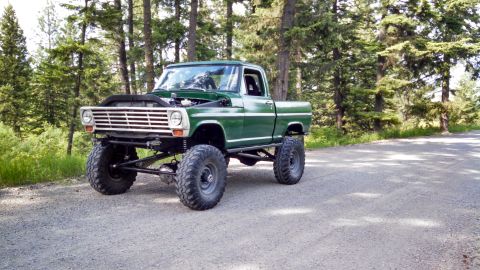 Open1967-1972Bumpside F-2502,662 photos · 42 registered
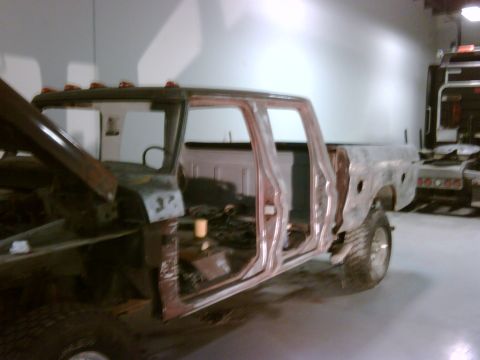 Open1973-1979Dentside F-2503,358 photos · 139 registered
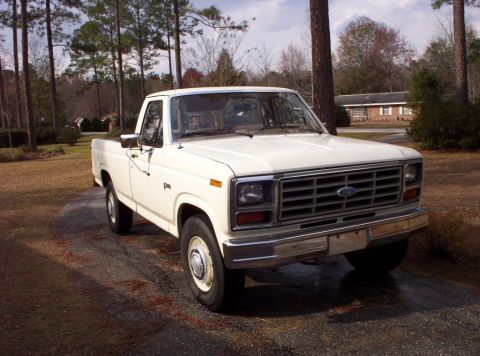 Open1980-1986Bullnose F-2501,146 photos · 67 registered
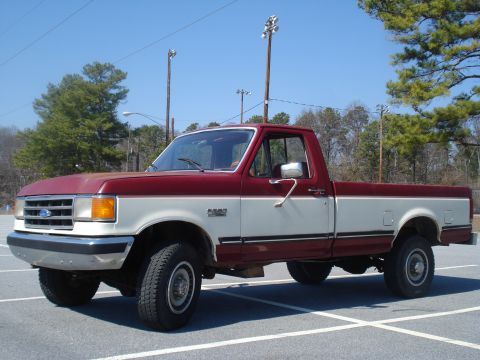 Open1987-1991OBS F-250 (1987-1991)2,654 photos · 76 registered
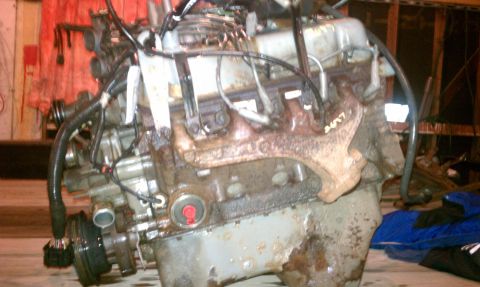 Open1992-1997OBS F-250 (1992-1997)1,889 photos · 96 registered
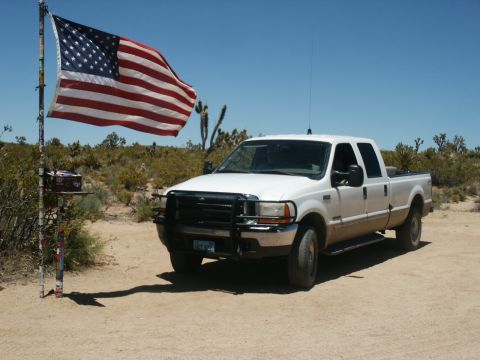 Open1999-2007Super Duty F-250 (1999-2007)1,972 photos · 171 registered
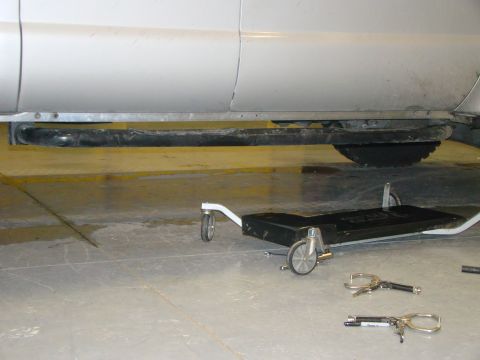 Open2008-2010Super Duty F-250 (6.4 Power Stroke)724 photos · 8 registered
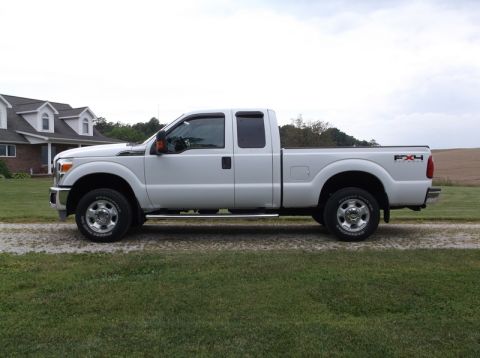 Open2011-2016Super Duty F-250 (6.7 Power Stroke)156 photos · 6 registered
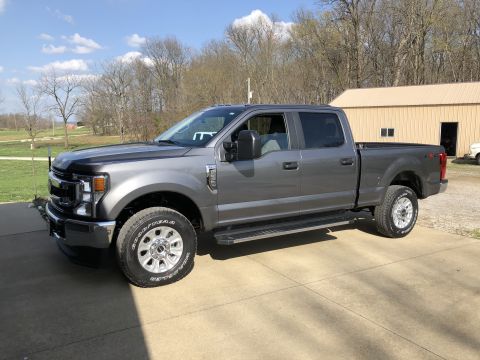 Open2017-2022Super Duty F-250 (aluminum body)82 photos · 1 registered
Open2023-2026Super Duty F-250 (current)Be the first · add yours
Open2017-2022Super Duty F-250 (aluminum body)82 photos · 1 registered
Open2023-2026Super Duty F-250 (current)Be the first · add yours
By model year
More Ford models
The wall
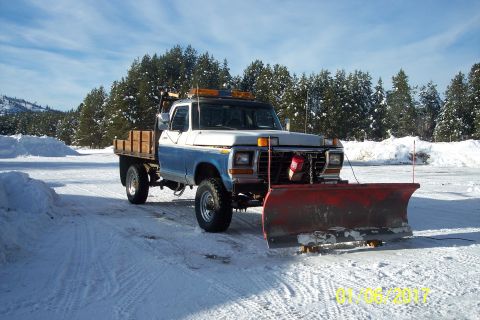
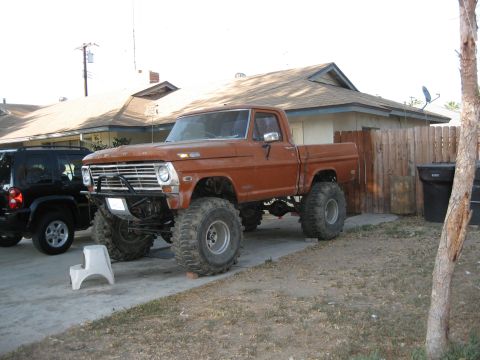
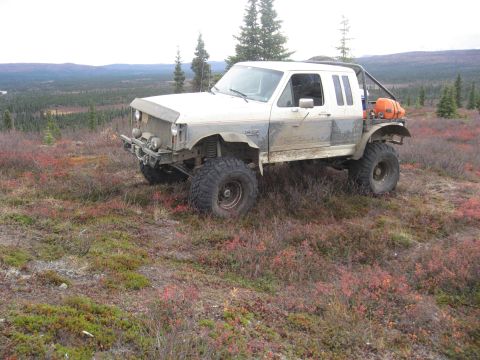
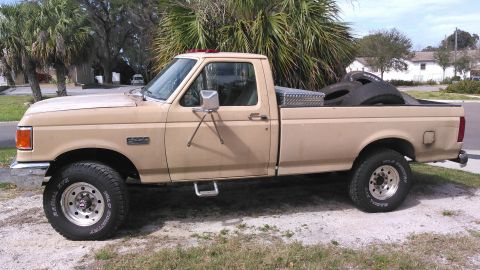
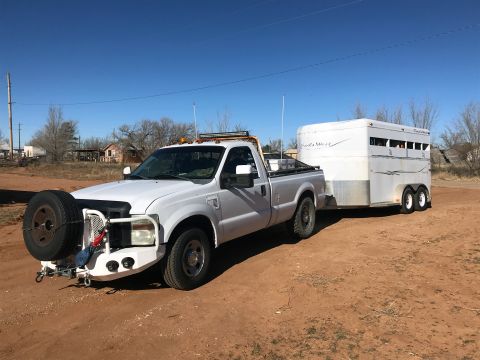
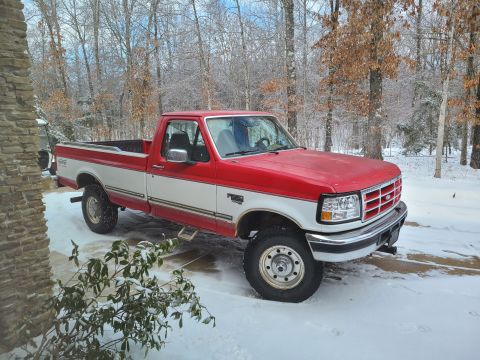
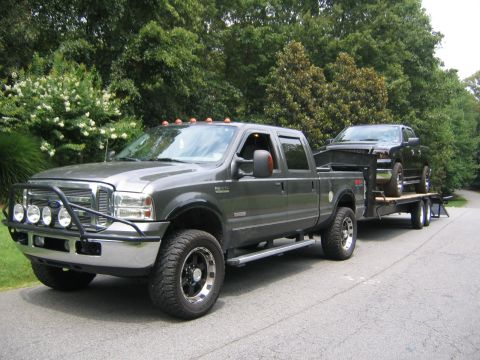
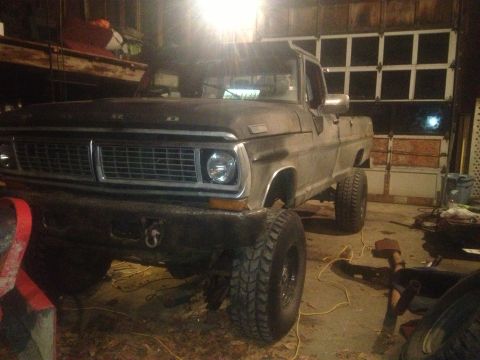
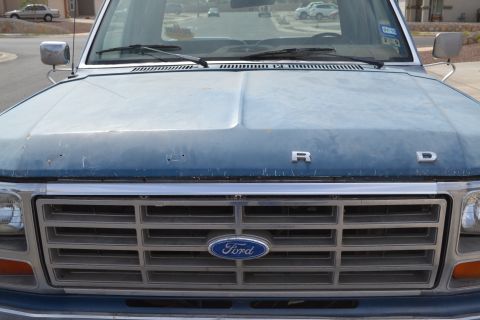
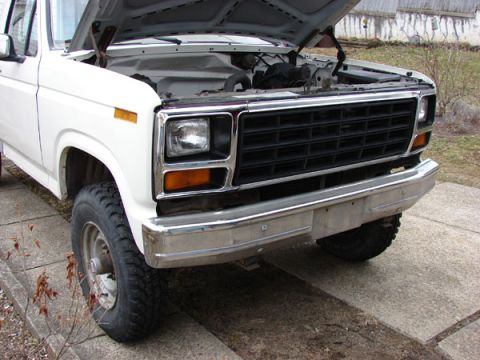
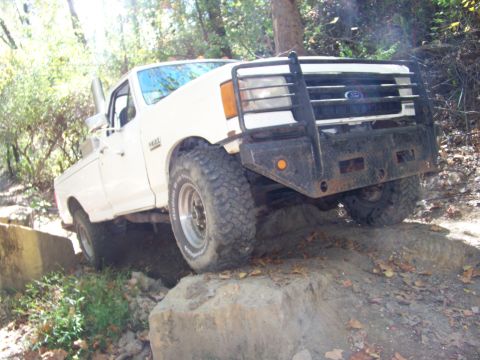
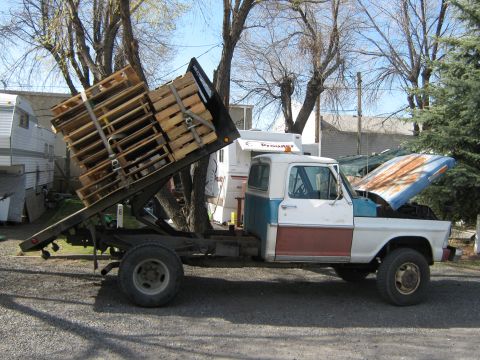
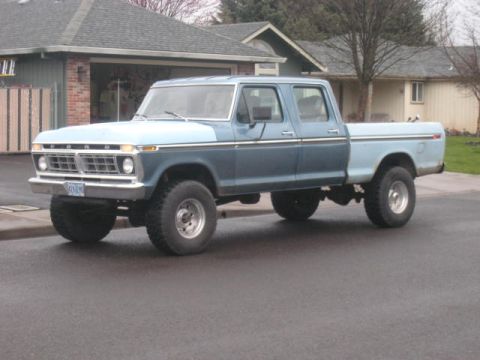
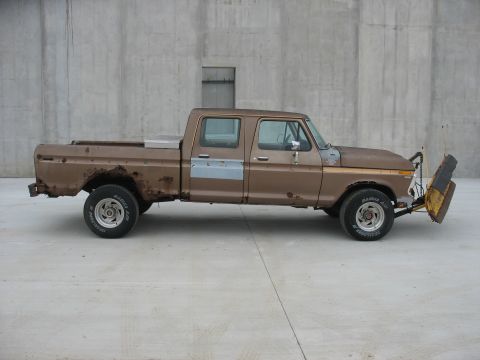
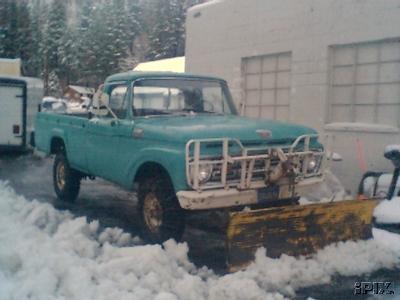
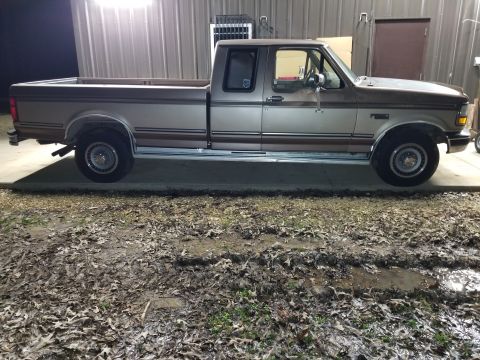
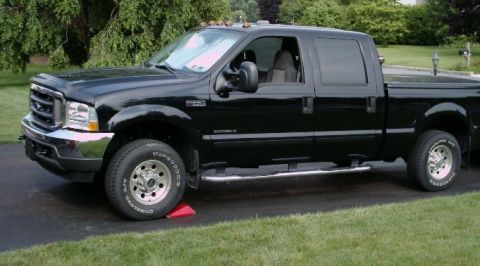
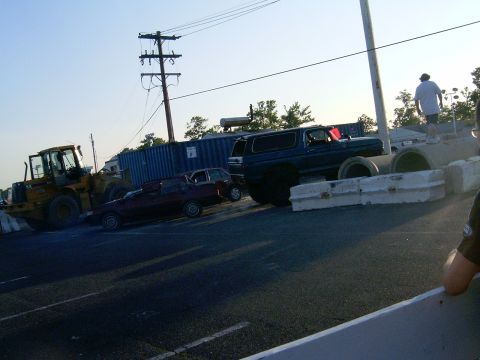
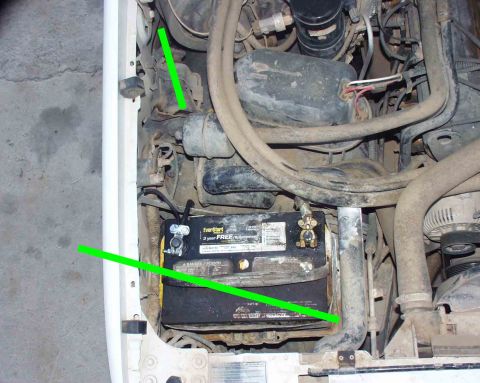
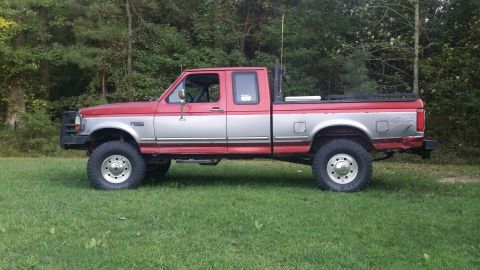
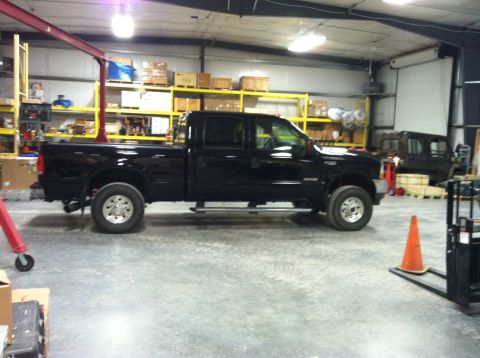
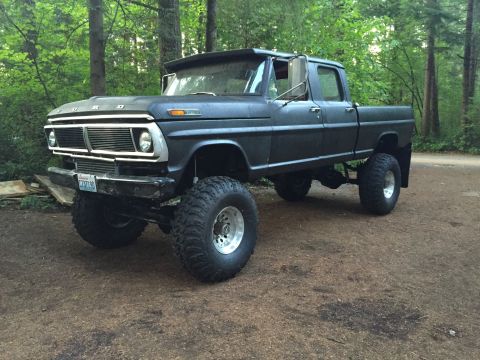
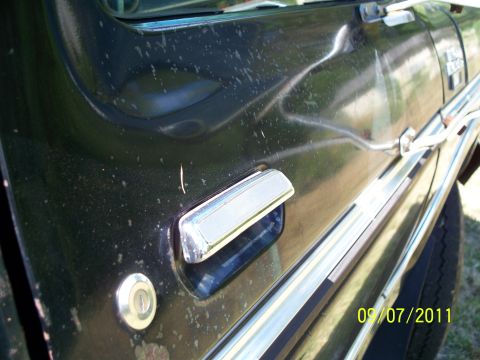
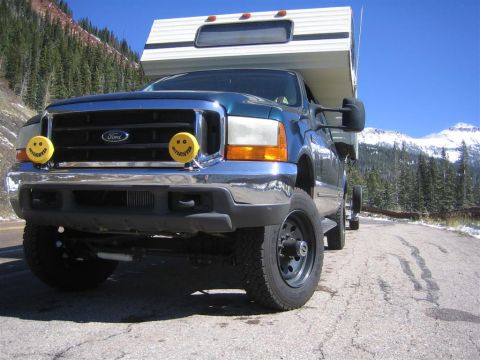
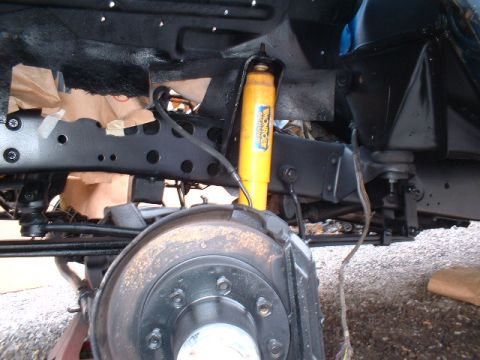
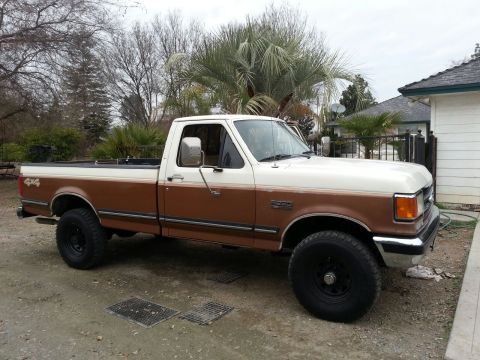
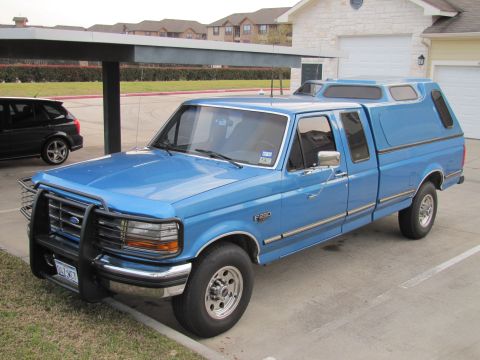
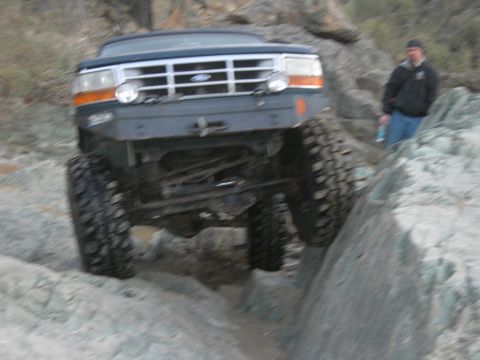
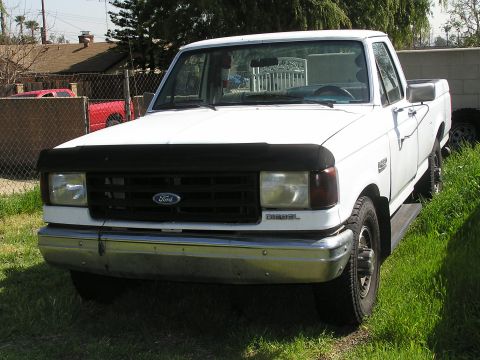
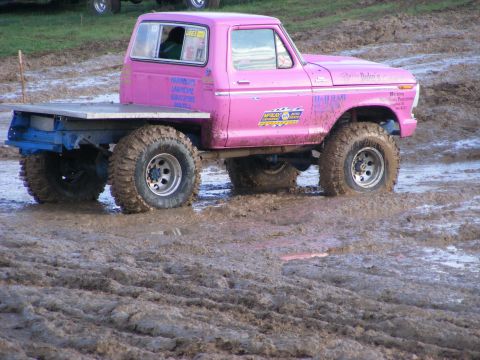
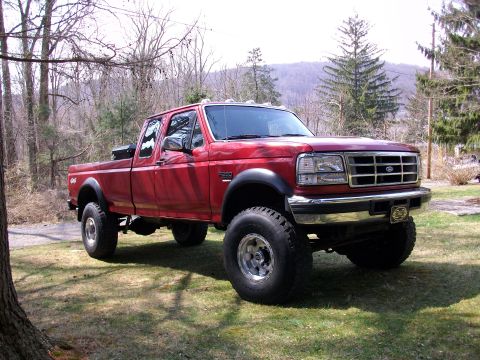
The most-documented Ford F-250s in the registry, every photo by the owner.





Key facts
| Fact | Detail |
|---|---|
| Production years | 1953 to present (current generation: 2023-2026) |
| Generations | 13 |
| Class | Three-quarter-ton pickup, positioned above the half-ton F-100 and F-150 |
| Platform | Shared cab and front sheet metal with the lighter F-Series through 1997; separate heavy-duty Super Duty platform (own body, frame, and chassis) from 1999 |
| Diesel line | 6.9L IDI (from 1983), 7.3L IDI, 7.3L IDI Turbo, then 7.3L, 6.0L, 6.4L, and in-house 6.7L Power Stroke |
| Front suspension (4x4) | Solid front axle through 1979 and again from 1999; Twin-Traction Beam independent front 1980-1997 |
Generations at a glance
| Generation | Key engines | Why it matters |
|---|---|---|
| 1953-1956 Effie / Bonus-Built F-250 | The earliest F-250 trucks in the registry, from the Effie and Bonus-Built era. | |
| 1957-1960 Slick-Side F-250 | The Slick-Side styling era. | |
| 1961-1966 Fourth-Gen F-250 | The fourth-generation F-Series trucks, the last design before the Bumpside. | |
| 1967-1972 Bumpside F-250 | 240/300 I6; 302 V8 (from 1969); 360/390 FE V8 | Three-quarter-ton F-250 with a solid front axle on 4x4; horsepower ratings go from gross to net for 1972. |
| 1973-1979 Dentside F-250 | 300 I6; 302; 360/390 FE (through 1976); 351M/400 (from 1977); 460 (7.5L) | The SuperCab arrives for 1974 and the F-150 launches alongside for 1975; solid front axle on 4x4. |
| 1980-1986 Bullnose F-250 | 300 I6; 302, 351W; 460 (returned 1983); 6.9L IDI diesel (from 1983) | First full redesign since 1965; Twin-Traction Beam independent front on the 4x4; the 6.9 IDI diesel arrives for 1983. |
| 1987-1991 OBS F-250 | 4.9L I6; 5.0/5.8L; 7.5L (460); 6.9L then 7.3L IDI diesel | Composite headlamps and standard rear ABS; the 7.3L IDI replaces the 6.9 for 1988. |
| 1992-1997 OBS / Aeronose F-250 | 4.9L I6; 5.0L (light-duty); 5.8L; 7.5L; 7.3L IDI, IDI Turbo, then 7.3L Power Stroke (from 1994.5) | Rounded restyle; the 7.3L Power Stroke direct-injection turbodiesel arrives mid-1994. |
| 1999-2007 Super Duty F-250 | 5.4 Triton V8; 6.8 Triton V10; 7.3 then 6.0 Power Stroke diesel | All-new heavy-duty platform for 1999; solid front axle on 4x4; 2005 restyle; the 6.0L replaces the 7.3L mid-2003. |
| 2008-2010 Super Duty F-250 (6.4 Power Stroke) | 5.4 V8; 6.8 V10; 6.4 Power Stroke twin-turbo diesel | New front end and interior; the 6.4L twin-turbo is the last International/Navistar Power Stroke. |
| 2011-2016 Super Duty F-250 (6.7 Power Stroke) | 6.2 Boss gas V8; 6.7 Power Stroke "Scorpion" diesel | Ford's first in-house diesel, the 6.7L Power Stroke; the 6.2 Boss V8 replaces the 5.4 and 6.8; 6R140 six-speed. |
| 2017-2022 Super Duty F-250 (aluminum body) | 6.2 Boss V8; 7.3 Godzilla V8 (from 2020); 6.7 Power Stroke | All-new aluminum-alloy body on a boxed steel frame; the 7.3 Godzilla gas V8 and the 10-speed arrive for 2020. |
| 2023-2026 Super Duty F-250 (current) | 6.8 V8 (base); 7.3 Godzilla V8; 6.7 and 6.7 High-Output Power Stroke | New styling and interior; the 6.7 High-Output diesel reaches 500 hp and 1,200 lb-ft; new 6.8 base V8. |
Where the F-250 sits in the F-Series
The Ford F-250 is the three-quarter-ton member of the F-Series, rated for higher payloads than the half-ton trucks and built with heavier axles, brakes, frame, and springs. For most of its history the F-250 shared its cab and front sheet metal with the lighter F-Series, so a 1970s or 1980s F-250 looks much like the F-100 or F-150 of the same year but carries a stouter chassis underneath. The F-150 nameplate launched for 1975 between the F-100 and the F-250. The major break came for the 1999 model year, when Ford split the F-250 and F-350 onto the all-new Super Duty platform, with their own body, frame, and chassis. From 1999 on, the F-250 is engineered separately from the F-150, which is why a Super Duty F-250 is not simply a larger F-150.
The diesel engines, from IDI to Power Stroke
Diesel power defines the modern Ford F-250. The first diesel was the 6.9L IDI (indirect injection) V8, built by International Harvester and offered in the F-250 from the 1983 model year. It grew to the 7.3L IDI for 1988, gained a factory turbocharger as the 7.3L IDI Turbo for 1993, and was replaced mid-1994 by the 7.3L Power Stroke, a direct-injection turbodiesel also built by International/Navistar. The Power Stroke name continued on the 1999 Super Duty, where the 7.3L served until the 6.0L Power Stroke replaced it during the 2003 model year. The 6.4L Power Stroke, a twin-turbo design, arrived for 2008 and was the last International/Navistar diesel in the truck. For 2011 Ford introduced its own in-house 6.7L Power Stroke V8, nicknamed the "Scorpion," which has been upgraded repeatedly and, in 2023 High-Output form, reaches 500 horsepower and 1,200 lb-ft of torque.
The gas engines, from inline-sixes to Godzilla
Before diesel, the Ford F-250 ran Ford's gas truck engines. Early three-quarter-ton trucks used the 240 and 300 inline-sixes and FE big-blocks (360 and 390), with the 302 small-block added for 1969. The 1970s and 1980s brought the 351 Windsor, the 351M and 400, and the 460 (7.5L) big-block. The 300-cubic-inch (4.9L) inline-six remained a durable base engine into the 1990s. The 1999 Super Duty launched with the 5.4L Triton SOHC V8 and the 6.8L Triton SOHC V10. For 2011 the 6.2L "Boss" gas V8 replaced both. The 7.3L "Godzilla" pushrod gas V8 arrived for 2020, and for 2023 a new 6.8L gas V8 became the base engine, derived from the 7.3 Godzilla.
How the front suspension changed
The four-wheel-drive Ford F-250 used a solid front axle through the 1979 Dentside trucks. For the 1980 Bullnose redesign Ford fitted Twin-Traction Beam (TTB) independent front suspension to the four-wheel-drive F-250, using a Dana 44HD on lighter trucks and a Dana 50 on the heavy-duty F-250, an arrangement that continued through the 1987-1997 trucks. The solid front axle returned with the 1999 Super Duty, which uses a solid Dana front axle on its four-wheel-drive trucks (leaf-sprung through 2004, coil-sprung from 2005). This is a key difference from the F-150, whose four-wheel-drive trucks use independent front suspension; the F-250 Super Duty's solid front axle is part of what makes it a heavy-duty truck.
Transmissions of the Ford F-250
Early Ford F-250 trucks used three-speed and four-speed manuals (the NP435 granny-low four-speed) and the C6 three-speed automatic. The OBS trucks added ZF five-speed manuals and the E4OD four-speed automatic for the diesel and big-block. The 1999 Super Duty offered a ZF six-speed manual and the 4R100 four-speed automatic, then the 5R110W TorqShift five-speed automatic, which arrived for 2003 on the diesel and spread to the gas engines for 2005. The 6R140 TorqShift six-speed automatic arrived for 2011, and the 10R140 TorqShift ten-speed automatic arrived for 2020 with the diesel and the 7.3 Godzilla gas V8.
Frequently asked questions
What is the difference between the Ford F-250 and the F-150?
The Ford F-250 is the three-quarter-ton F-Series pickup, rated for higher payloads than the half-ton F-150 and built with heavier axles, brakes, frame, and springs. Through 1997 the two shared cabs and sheet metal. For 1999 the F-250 moved to the separate heavy-duty Super Duty platform, engineered apart from the F-150, with its own body and frame and a solid front axle on four-wheel-drive trucks rather than the F-150's independent front suspension.
When did the Ford F-250 become a Super Duty?
The Ford F-250 became part of the Super Duty line for the 1999 model year, when Ford split the F-250 and F-350 onto an all-new heavy-duty platform with its own body, frame, and chassis. Before 1999 the F-250 shared its body with the lighter F-Series; from 1999 on it is engineered separately as a Super Duty.
What diesel engines has the Ford F-250 used?
The Ford F-250 diesel began with the 6.9L IDI V8 in 1983, followed by the 7.3L IDI (1988), the 7.3L IDI Turbo (1993), and the 7.3L Power Stroke (from mid-1994). The Super Duty era used the 7.3L, then the 6.0L Power Stroke (from mid-2003), the 6.4L Power Stroke twin-turbo (2008), and Ford's in-house 6.7L Power Stroke (from 2011).
Does the Ford F-250 have a solid front axle?
The four-wheel-drive Ford F-250 Super Duty, from 1999 to the present, uses a solid front axle. Earlier four-wheel-drive F-250 trucks varied: the 1967-1979 trucks used a solid front axle, but the 1980-1997 trucks used Twin-Traction Beam independent front suspension. The solid front axle is one of the heavy-duty traits that separates the Super Duty F-250 from the independently sprung F-150.
What gas engines does the current Ford F-250 use?
The current Ford F-250 Super Duty (2023 and later) uses a 6.8L gas V8 as the base engine and the 7.3L "Godzilla" gas V8 as the larger gas option, alongside the 6.7L Power Stroke diesel and the 6.7L High-Output Power Stroke. Earlier Super Duty trucks used the 5.4 Triton V8 and 6.8 Triton V10 (1999-2010) and the 6.2 Boss V8 (2011-2022).
Sources
- Ford factory specification sheets and shop manuals for the F-250 and F-250 Super Duty
- Wikipedia, Ford F-Series and Ford Super Duty
- Ford Power Stroke engine references (6.9/7.3 IDI, 7.3/6.0/6.4/6.7 Power Stroke)
- Ford-Trucks.com and DieselHub generation and engine histories
- VIN and data-plate decoding for engine and axle identification
Asked all the time
What is the difference between the Ford F-250 and the F-150?
The Ford F-250 is the three-quarter-ton F-Series pickup, rated for higher payloads than the half-ton F-150 and built with heavier axles, brakes, frame, and springs. Through 1997 the two shared cabs and sheet metal. For 1999 the F-250 moved to the separate heavy-duty Super Duty platform, engineered apart from the F-150, with its own body and frame and a solid front axle on four-wheel-drive trucks rather than the F-150's independent front suspension.
When did the Ford F-250 become a Super Duty?
The Ford F-250 became part of the Super Duty line for the 1999 model year, when Ford split the F-250 and F-350 onto an all-new heavy-duty platform with its own body, frame, and chassis. Before 1999 the F-250 shared its body with the lighter F-Series; from 1999 on it is engineered separately as a Super Duty.
What diesel engines has the Ford F-250 used?
The Ford F-250 diesel began with the 6.9L IDI V8 in 1983, followed by the 7.3L IDI (1988), the 7.3L IDI Turbo (1993), and the 7.3L Power Stroke (from mid-1994). The Super Duty era used the 7.3L, then the 6.0L Power Stroke (from mid-2003), the 6.4L Power Stroke twin-turbo (2008), and Ford's in-house 6.7L Power Stroke (from 2011).
Does the Ford F-250 have a solid front axle?
The four-wheel-drive Ford F-250 Super Duty, from 1999 to the present, uses a solid front axle. Earlier four-wheel-drive F-250 trucks varied: the 1967-1979 trucks used a solid front axle, but the 1980-1997 trucks used Twin-Traction Beam independent front suspension. The solid front axle is one of the heavy-duty traits that separates the Super Duty F-250 from the independently sprung F-150.
What gas engines does the current Ford F-250 use?
The current Ford F-250 Super Duty (2023 and later) uses a 6.8L gas V8 as the base engine and the 7.3L Godzilla gas V8 as the larger gas option, alongside the 6.7L Power Stroke diesel and the 6.7L High-Output Power Stroke. Earlier Super Duty trucks used the 5.4 Triton V8 and 6.8 Triton V10 (1999-2010) and the 6.2 Boss V8 (2011-2022).