Model hub · Ford
Ford F-100: History, Generations & Specs
The Ford F-100 was the original half-ton pickup in Ford's F-Series, sold in the United States from the 1953 through the 1983 model year across six generations. The name arrived with Ford's 50th anniversary in 1953, when the half-ton F-1 became the F-100 and the F-2/F-3 and F-4 became the F-250 and F-350. Its engines ran from the last flathead V8 in 1953 through the Y-block, the FE big-blocks, the 240 and 300 inline-sixes, the 302 Windsor, and the 351M and 400 V8s. Ford added the F-150 above it for 1975, and the heavier half-ton gradually took over before the F-100 name was retired in the US after 1983.
Pick your generation
Each generation page covers what changed year by year, what owners call them, and the wall of registered vehicles.
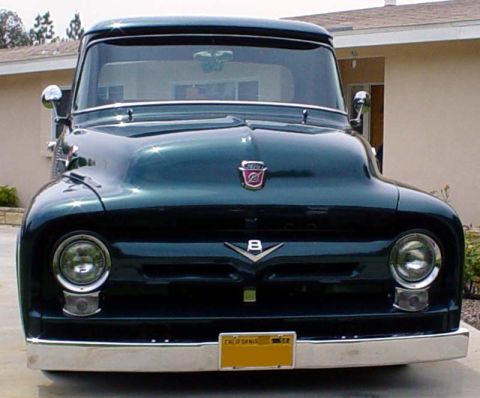 Open1953-1956Effie F-100712 photos · 19 registered
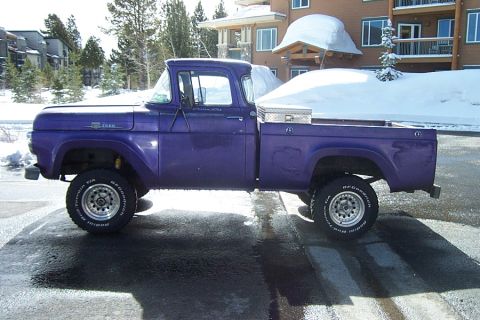 Open1957-1960Slick-Side / "Fridge" F-10070 photos · 9 registered
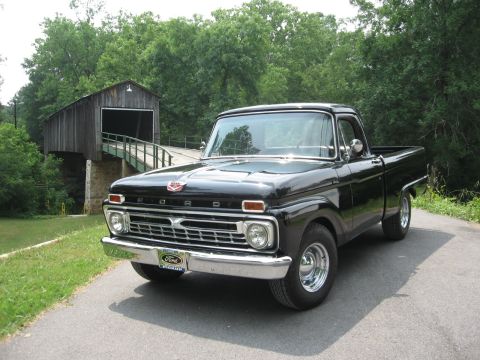 Open1961-1966Unibody-era F-100768 photos · 30 registered
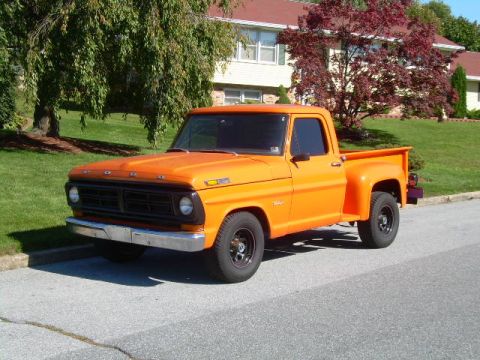 Open1967-1972Bumpside F-100732 photos · 47 registered
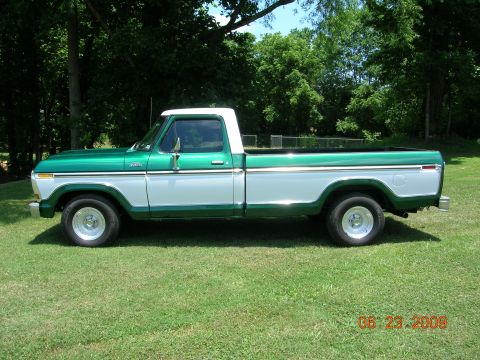 Open1973-1979Dentside F-1001,779 photos · 64 registered
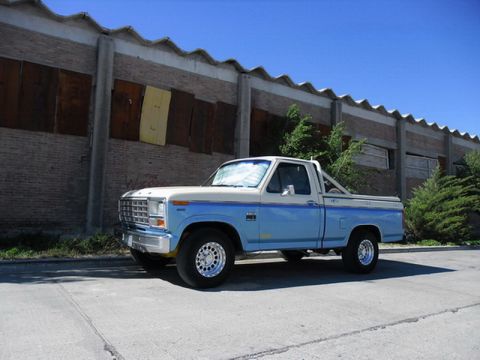 Open1980-1983Bullnose F-100665 photos · 22 registered
By model year
More Ford models
Technical Reference
1961-1966
1967-1972
1973-1979
The wall
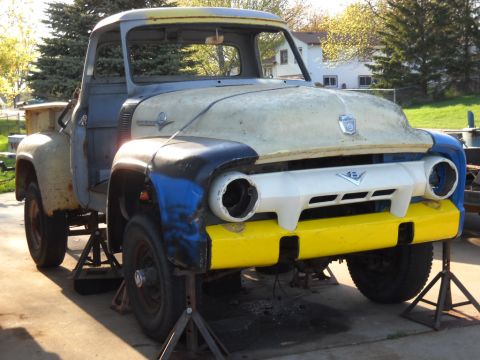
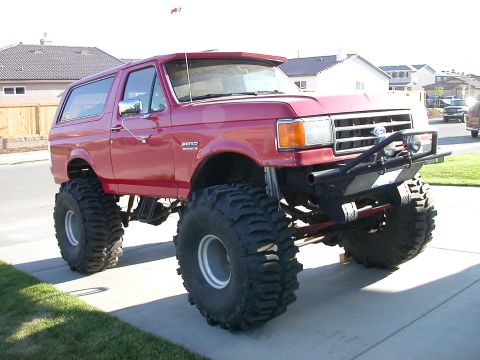
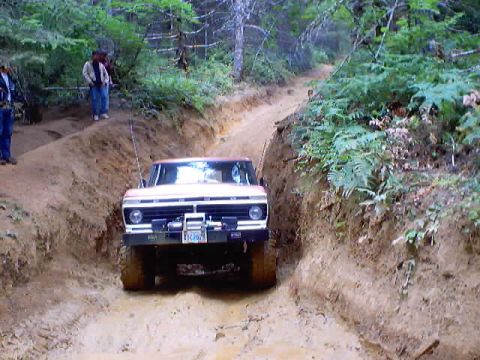
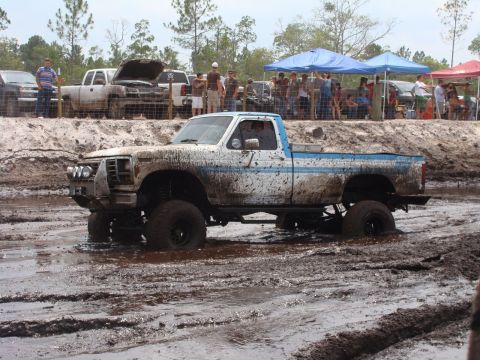
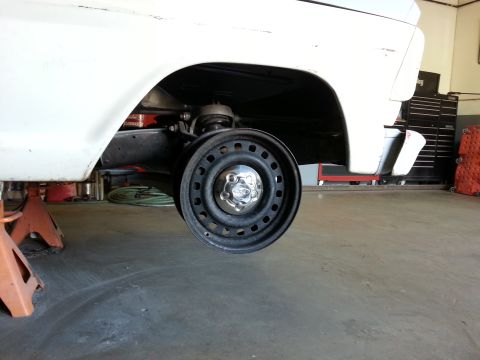
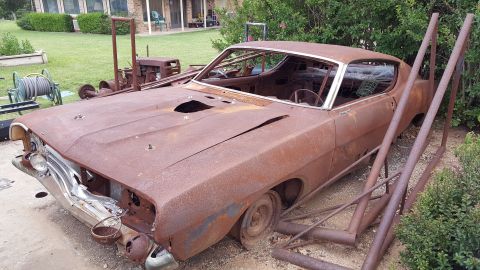
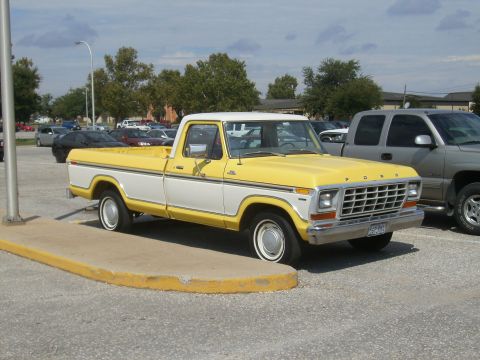
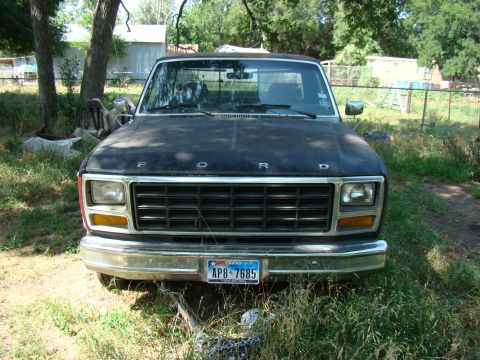
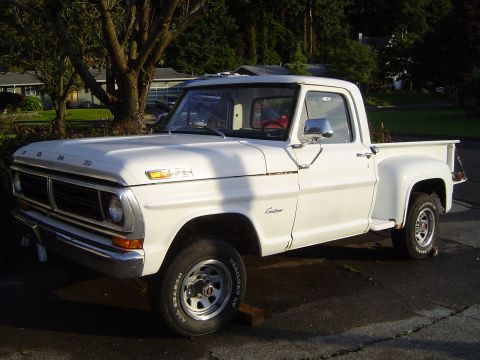
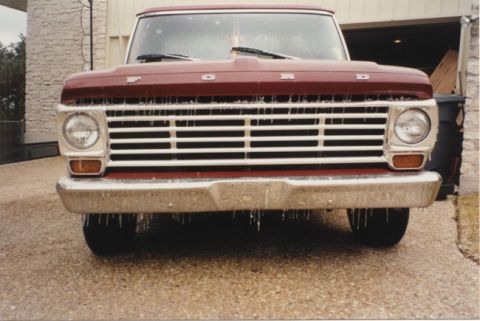
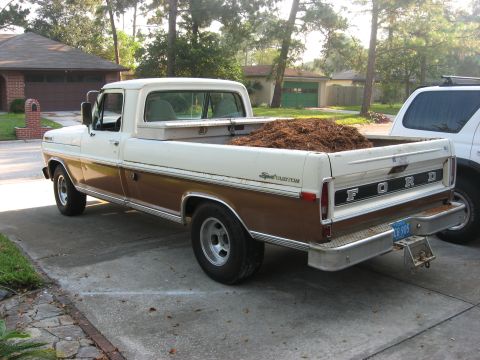
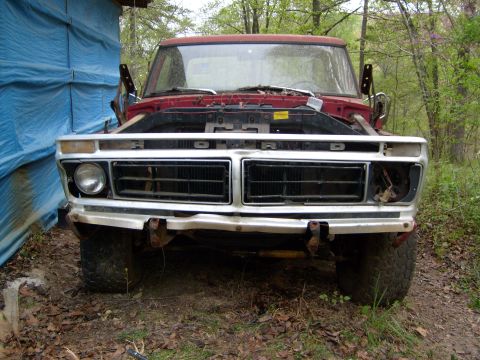
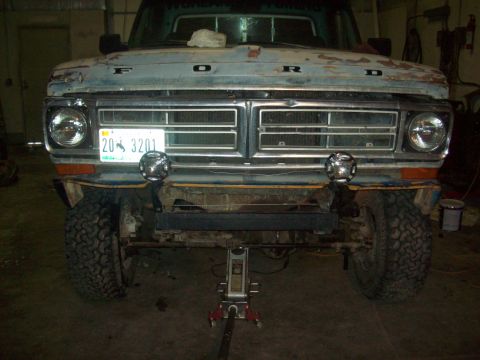
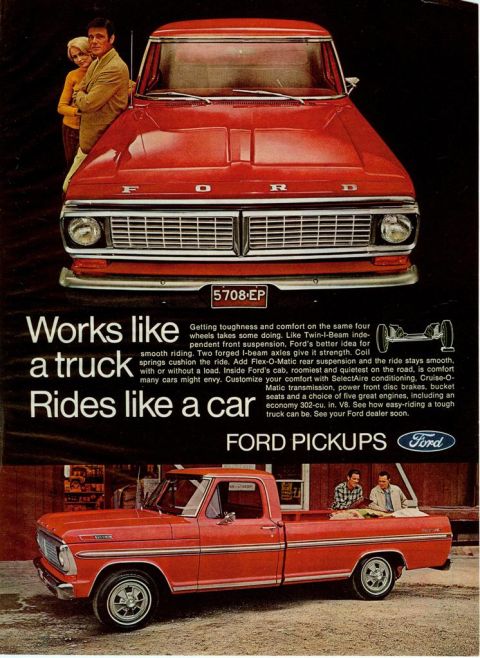
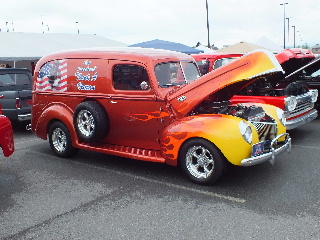
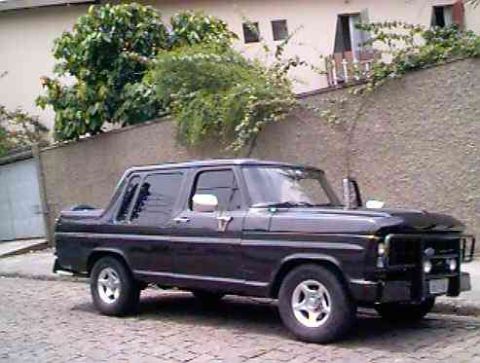
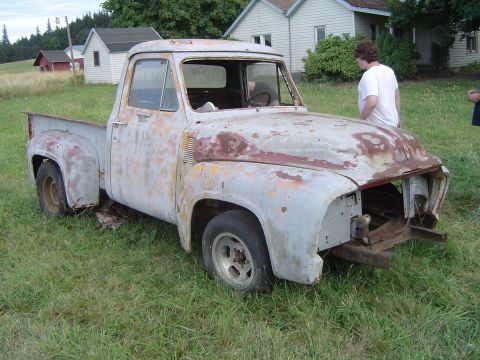
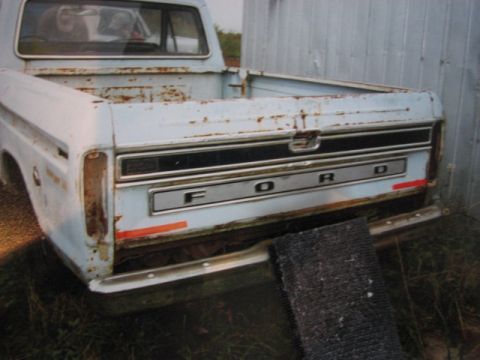
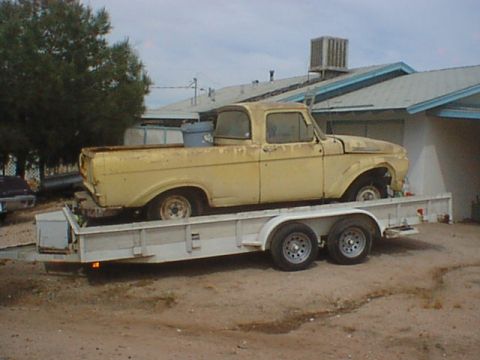
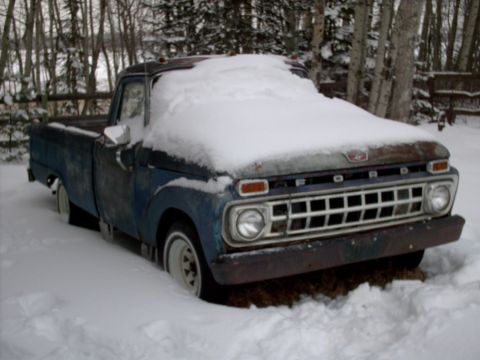
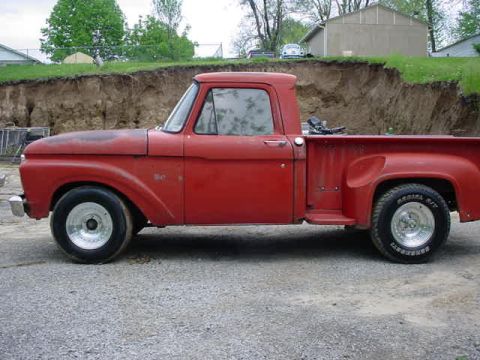
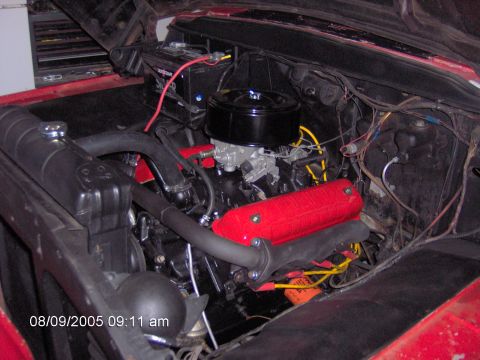
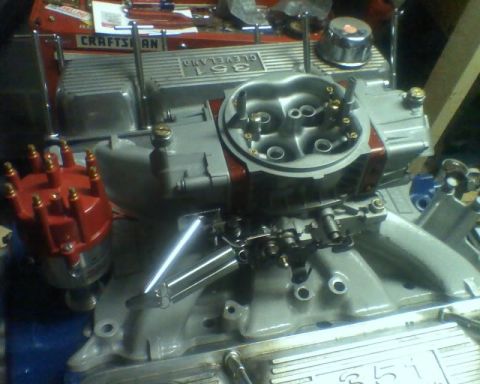
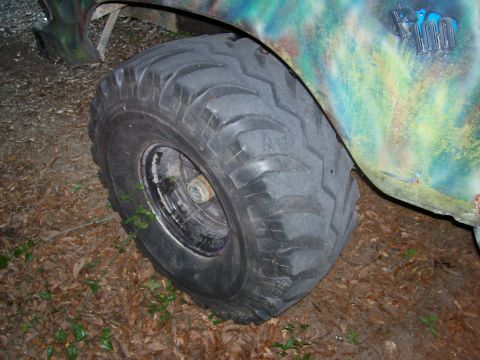
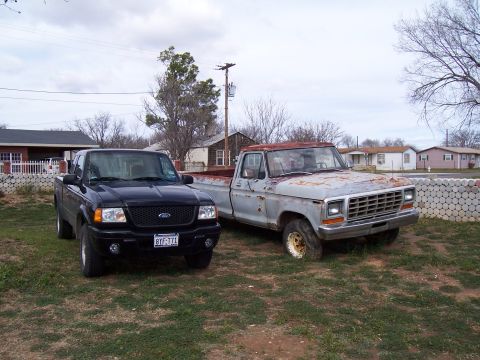
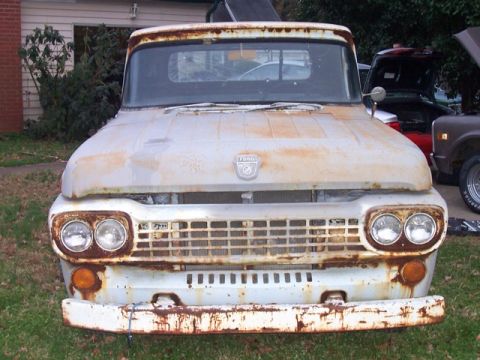
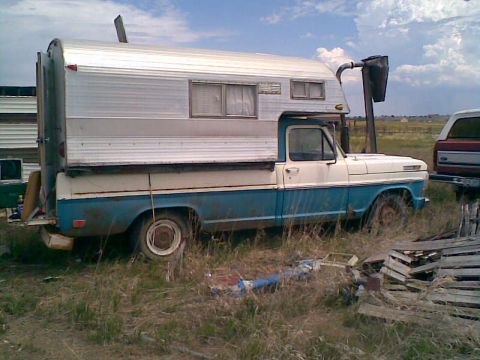
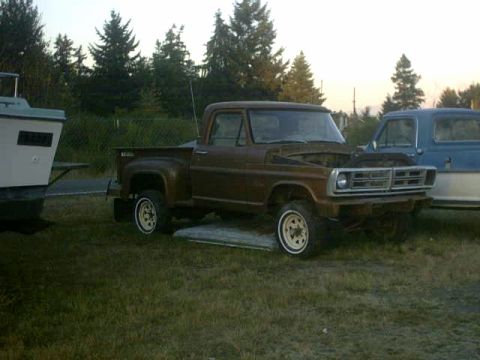
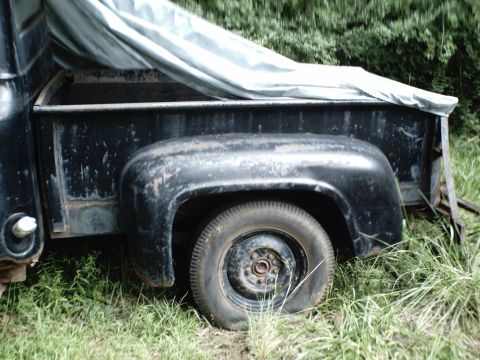
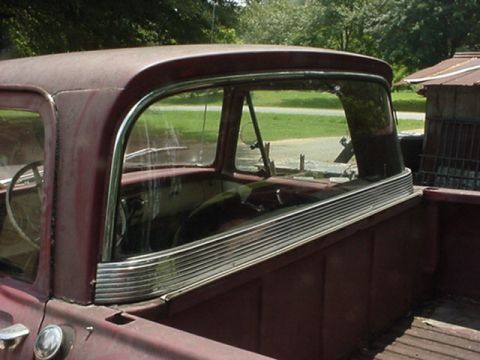
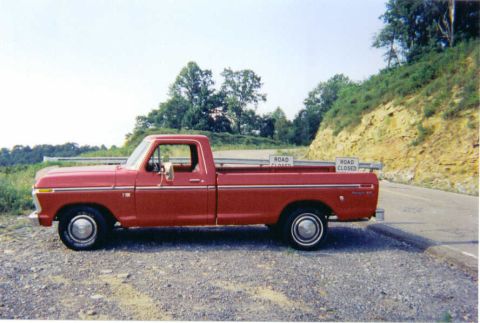
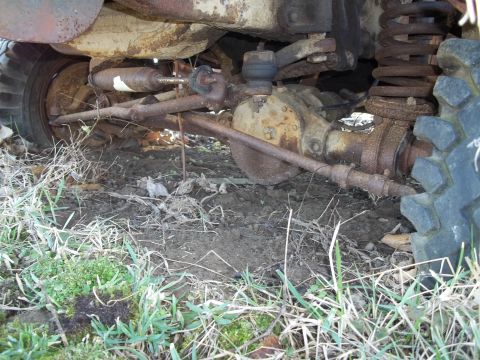
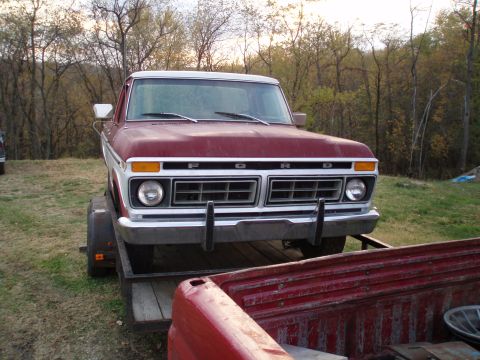
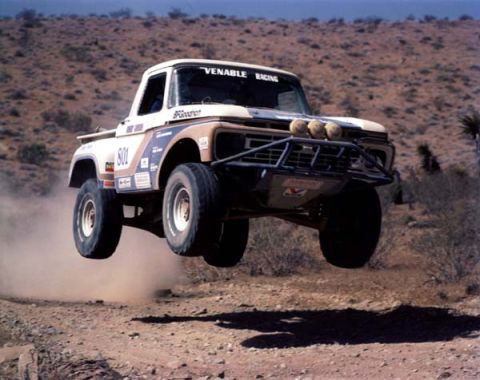
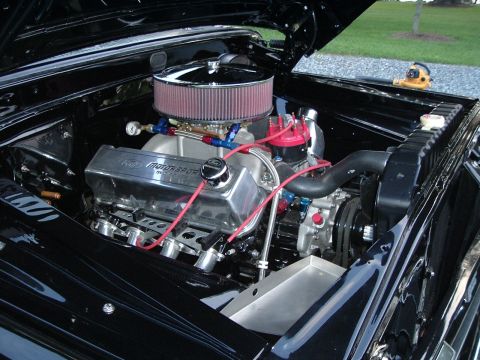
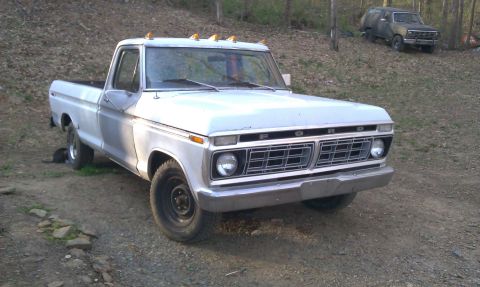
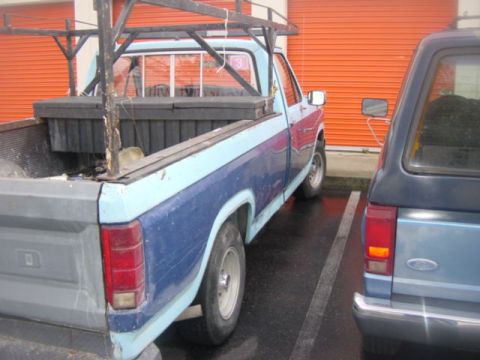
The most-documented Ford F-100s in the registry, every photo by the owner.
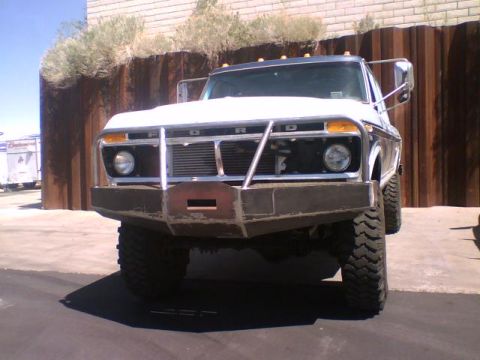
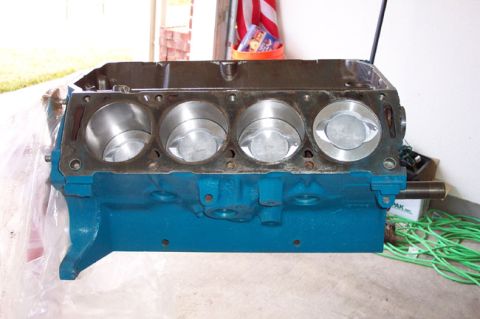
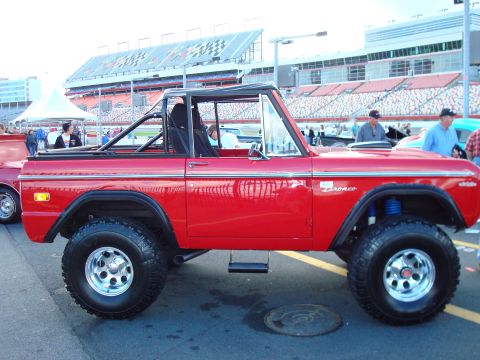
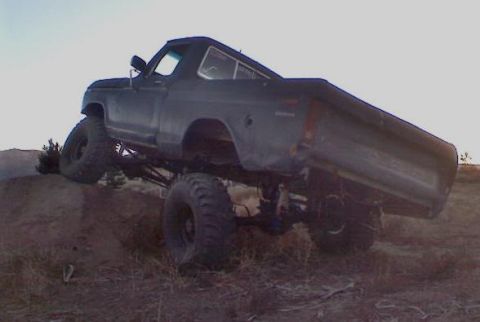


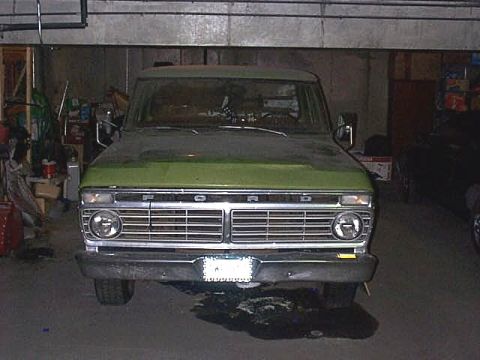
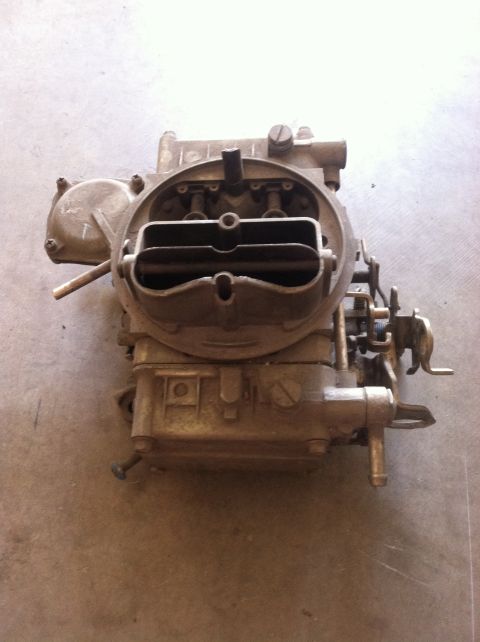
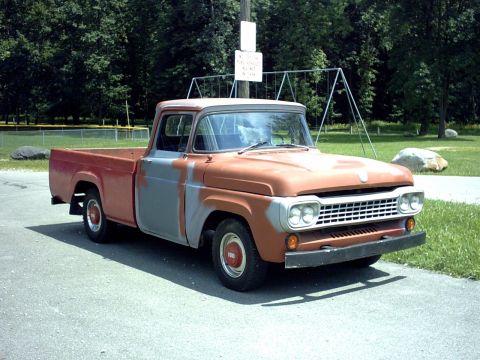
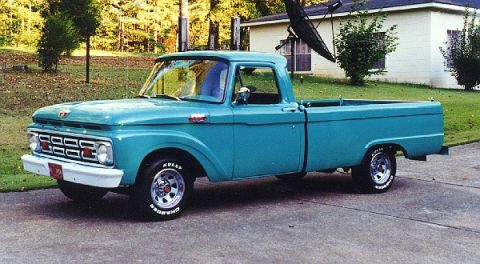
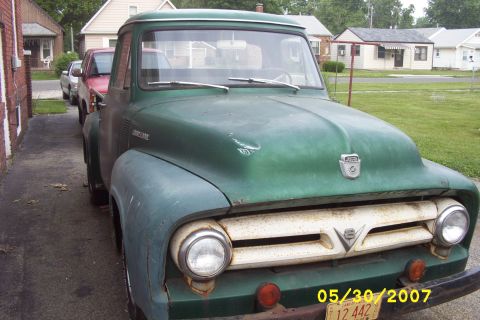
Key facts
| Fact | Detail |
|---|---|
| What it is | The original half-ton pickup in Ford's F-Series, introduced for 1953 as the replacement for the F-1 |
| US production run | 1953 through 1983 model years |
| Generations | Six |
| Naming | The three-digit F-100, F-250, F-350 system began for 1953 with Ford's 50th anniversary, replacing the F-1, F-2/F-3, and F-4 |
| Chassis milestones | Factory four-wheel drive added for 1959; Twin-I-Beam independent front suspension introduced for 1965; integrated cab-and-bed ("unibody") option offered 1961-1963 |
| Signature engines | 215 OHV six and 239 flathead V8 (1953); Y-block V8 and 223 Mileage Maker six (from 1954); FE big-blocks (352, 360, 390); 240 and 300 inline-sixes (from 1965); 302 Windsor V8; 351M and 400 V8s (1977-1979); 460 big-block (1974, 2WD) |
| Relationship to the F-150 | The F-150 was added above the F-100 for 1975 as a heavier half-ton, then gradually replaced it; the F-100 name ended in the US after 1983 |
Generations at a glance
| Years | Nickname | Why it matters | Registry |
|---|---|---|---|
| 1953-1956 | "Effie" | The F-100 name debuts for 1953, replacing the F-1; 1953 is the last flathead V8 year, and the OHV Y-block V8 arrives for 1954. | 1953-1956 Effie F-100 |
| 1957-1960 | "Fridge" | Flatter, slab-sided styling with Styleside and Flareside beds; factory four-wheel drive is added for 1959. | 1957-1960 Slick-Side / "Fridge" F-100 |
| 1961-1966 | Unibody era | Integrated cab-and-bed ("unibody") offered 1961-1963; Twin-I-Beam independent front suspension arrives for 1965. | 1961-1966 Unibody-era F-100 |
| 1967-1972 | "Bumpside" | Boxier cab with a raised body-side character line; the 302 small-block joins the FE 360 and 390 for 1969. | 1967-1972 Bumpside F-100 |
| 1973-1979 | "Dentside" | All power ratings are SAE net; the F-150 is added above the F-100 for 1975. | 1973-1979 Dentside F-100 |
| 1980-1983 | "Bullnose" | Squarer body and aerodynamic updates; the final US F-100 generation, with the name retired after 1983. | 1980-1983 Bullnose F-100 |
Where the F-100 sits in the F-Series
The Ford F-100 was the half-ton entry in Ford's F-Series, created for the 1953 model year to replace the first-generation F-1. The 1953 redesign also introduced the three-digit naming Ford still uses: the half-ton F-1 became the F-100, the three-quarter-ton F-2 and F-3 became the F-250, and the one-ton F-4 became the F-350. For more than two decades the F-100 was Ford's only half-ton F-Series pickup. That changed for the 1975 model year, when Ford added the F-150 above the F-100 as a heavier half-ton with a higher gross vehicle weight rating. The two were sold side by side through the late 1970s and into the early 1980s, and the F-150 gradually became the volume half-ton. Ford retired the F-100 name in the United States after the 1983 model year, leaving the F-150 as the F-Series half-ton.
Engine eras of the Ford F-100
The Ford F-100 spanned the transition from flathead to overhead-valve power. The 1953 Effie F-100 used a 215-cubic-inch overhead-valve six and the last of Ford's flathead V8s, the 239-cubic-inch unit. For 1954 Ford replaced the flathead V8 with the overhead-valve 239-cubic-inch Y-block V8 and enlarged the six to 223 cubic inches, with the 272 Y-block arriving for 1956. Through the rest of the 1950s the "Fridge" F-100 used Y-block V8s in 272 and 292 displacements, and the 292 carried on through 1964. The 1960s brought the FE-family big-blocks, the 352 (from 1965) and later the 360 and 390, alongside a new generation of sixes: the 240 and 300 inline-sixes introduced for 1965, with the 300 becoming the durable base engine that carried through the rest of the F-100's life while the 240 ran through 1974. Small-block Windsor V8 power arrived with the 302 for 1969, and the 351M and 400 of the 335 family served as the larger V8s from 1977 through 1979. The 460-cubic-inch big-block was briefly available on two-wheel-drive F-100s for 1974. The final Bullnose F-100 ran the 300 six, then a 3.8L V6 from 1982, alongside the 255 (1981-1982) and 302 Windsor V8s. Pre-1972 F-100 power was quoted in SAE gross horsepower; from the 1972 model year onward Ford reported the lower SAE net figures.
Generation nicknames by era
Collectors use distinct nicknames for the Ford F-100 generations. The 1953-1956 second-generation trucks are often called "Effie," a nickname tied to the F-Series badging. The 1957-1960 third-generation trucks are called the "Fridge" for their boxy, slab-sided shape. The 1961-1966 fourth generation is known for its 1961-1963 integrated cab-and-bed "unibody" option. The 1967-1972 fifth-generation trucks are the "Bumpside," named for the raised character line along the body sides. The 1973-1979 sixth-generation trucks are the "Dentside," named for the horizontal crease pressed into the body sides. The 1980-1983 seventh-generation trucks are the "Bullnose."
Chassis milestones: four-wheel drive and Twin-I-Beam
Two engineering changes shaped the Ford F-100 chassis. Ford added factory-installed four-wheel drive as a regular-production option for the 1959 model year; before that, four-wheel-drive Ford trucks were aftermarket conversions. For the 1965 model year Ford introduced the Twin-I-Beam front suspension on the two-wheel-drive F-100, an independent front layout that used two long beam axles and radius arms to combine beam-axle strength with independent-suspension ride. Four-wheel-drive F-100 trucks continued to use a solid front axle. The Twin-I-Beam layout carried the F-100 through the end of its run and, in derivative form, continued on later Ford trucks.
Frequently asked questions
When did the Ford F-100 first appear?
The Ford F-100 name first appeared for the 1953 model year, when Ford redesigned the F-Series and replaced the half-ton F-1 with the F-100. The change was tied to Ford's 50th anniversary in 1953 and introduced the three-digit F-100, F-250, and F-350 naming Ford still uses.
When did the Ford F-100 end?
The Ford F-100 ran in the United States through the 1983 model year. Ford had introduced the F-150 above it for 1975, and the F-150 gradually took over half-ton sales before Ford retired the F-100 name in the US after 1983.
What is the difference between the F-100 and the F-150?
The Ford F-100 was the original half-ton F-Series, sold from 1953. The F-150 was added above it for the 1975 model year as a heavier half-ton with a higher gross vehicle weight rating. The two were sold together for several years before the F-150 replaced the F-100 as Ford's half-ton, with the F-100 name ending after 1983.
What engines did the Ford F-100 use?
The 1953 Ford F-100 used a 215-cubic-inch overhead-valve six and the last flathead V8, a 239-cubic-inch unit. The overhead-valve Y-block V8 arrived for 1954. Later F-100s used FE-family big-blocks (352, 360, 390), the 240 and 300 inline-sixes introduced for 1965, the 302 Windsor V8, and the 351M and 400 V8s of the late 1970s, with the 460 big-block offered for 1974.
When did the Ford F-100 get Twin-I-Beam suspension?
Ford introduced the Twin-I-Beam independent front suspension on the two-wheel-drive F-100 for the 1965 model year. Four-wheel-drive F-100 trucks continued to use a solid front axle. Factory four-wheel drive itself had become available earlier, for the 1959 model year.
Sources
- Ford factory specification sheets and shop manuals for the 1953-1983 F-100
- Established F-Series reference works and generation histories
- Ford Y-block, FE, and Windsor engine references
- VIN and data-plate decoding for engine and chassis identification
Asked all the time
When did the Ford F-100 first appear?
The Ford F-100 name first appeared for the 1953 model year, when Ford redesigned the F-Series and replaced the half-ton F-1 with the F-100. The change was tied to Ford's 50th anniversary in 1953 and introduced the three-digit F-100, F-250, and F-350 naming Ford still uses.
When did the Ford F-100 end?
The Ford F-100 ran in the United States through the 1983 model year. Ford had introduced the F-150 above it for 1975, and the F-150 gradually took over half-ton sales before Ford retired the F-100 name in the US after 1983.
What is the difference between the F-100 and the F-150?
The Ford F-100 was the original half-ton F-Series, sold from 1953. The F-150 was added above it for the 1975 model year as a heavier half-ton with a higher gross vehicle weight rating. The two were sold together for several years before the F-150 replaced the F-100 as Ford's half-ton, with the F-100 name ending after 1983.
What engines did the Ford F-100 use?
The 1953 Ford F-100 used a 215-cubic-inch overhead-valve six and the last flathead V8, a 239-cubic-inch unit. The overhead-valve Y-block V8 arrived for 1954. Later F-100s used FE-family big-blocks (352, 360, 390), the 240 and 300 inline-sixes introduced for 1965, the 302 Windsor V8, and the 351M and 400 V8s of the late 1970s, with the 460 big-block offered for 1974.
When did the Ford F-100 get Twin-I-Beam suspension?
Ford introduced the Twin-I-Beam independent front suspension on the two-wheel-drive F-100 for the 1965 model year. Four-wheel-drive F-100 trucks continued to use a solid front axle. Factory four-wheel drive itself had become available earlier, for the 1959 model year.