Model hub · Ford
Ford Explorer: History, Generations & Specs
The Ford Explorer is Ford's midsize sport utility vehicle, in production since the 1991 model year and now in its sixth generation. It arrived as the replacement for the two-door Bronco II, starting life as a body-on-frame SUV derived from the Ford Ranger pickup and widely associated with the growth of the midsize SUV market through the 1990s. Body-on-frame construction ran through 2010; for 2011 the Explorer became a front-drive-based unibody crossover on the D4 platform, and for 2020 it moved to the rear-wheel-drive-based CD6 platform, which underpins the 400-horsepower ST and the first Explorer hybrid. The Explorer is also tied to the Ford and Firestone tire controversy of 2000 and 2001. It remains in production today.
Pick your generation
Each generation page covers what changed year by year, what owners call them, and the wall of registered vehicles.
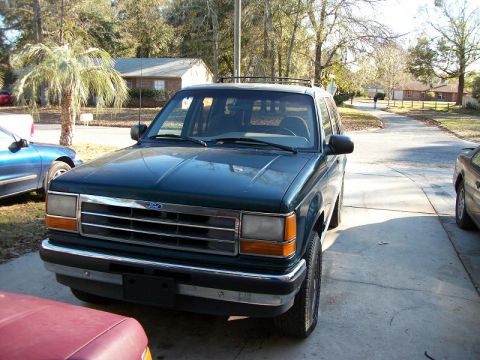 Open1991-1994First-Generation Explorer (UN46, 1991-1994)2,544 photos · 54 registered
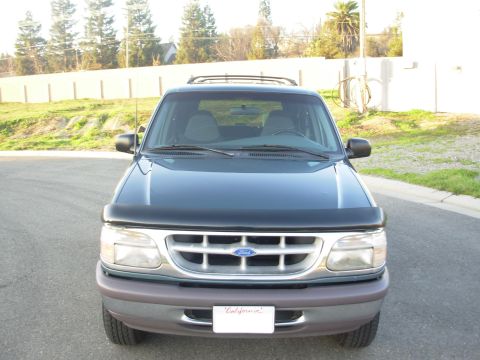 Open1995-2001Second-Generation Explorer (1995-2001)816 photos · 61 registered
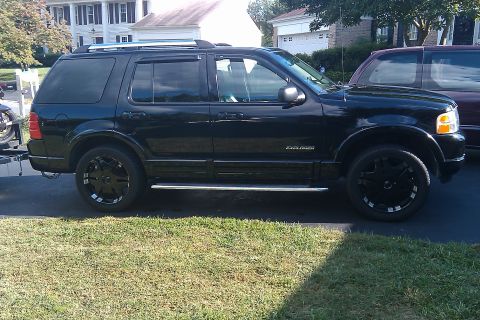 Open2002-2005Third-Generation Explorer (2002-2005)107 photos · 27 registered
 Open2006-2010Fourth-Generation Explorer (2006-2010)5 photos · 4 registered
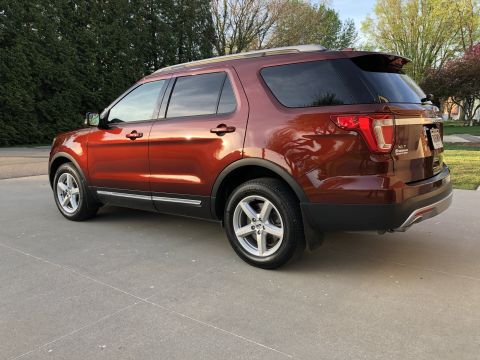 Open2011-2019Fifth-Generation Explorer (D4, 2011-2019)379 photos · 8 registered
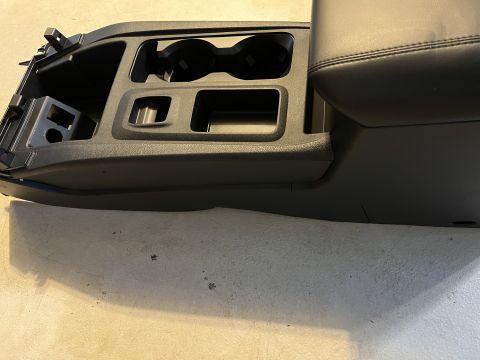 Open2020-2026Sixth-Generation Explorer (CD6, 2020-present)11 photos · 1 registered
By model year
More Ford models
The wall
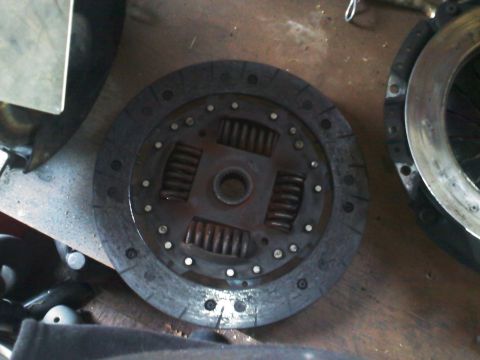
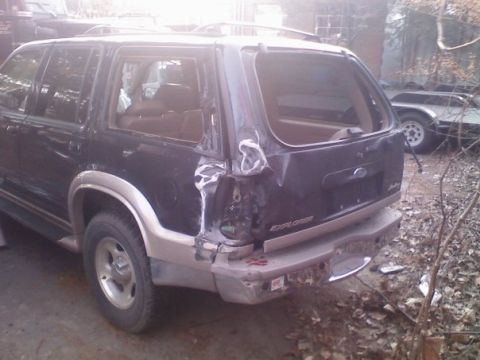
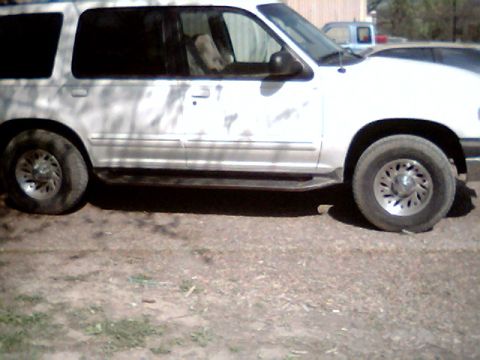
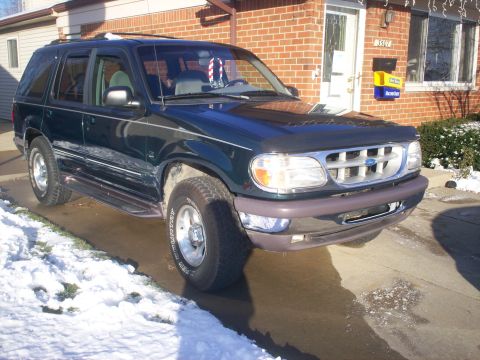
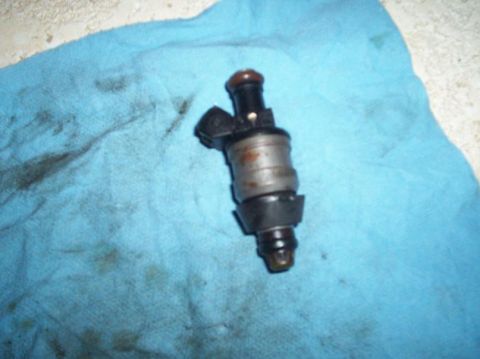
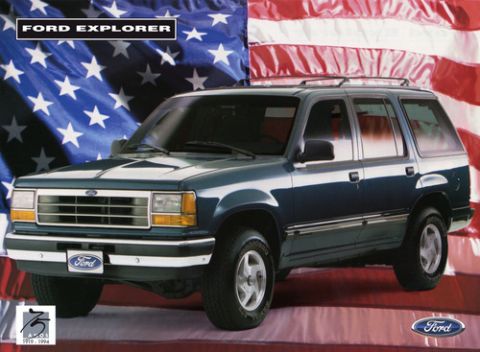
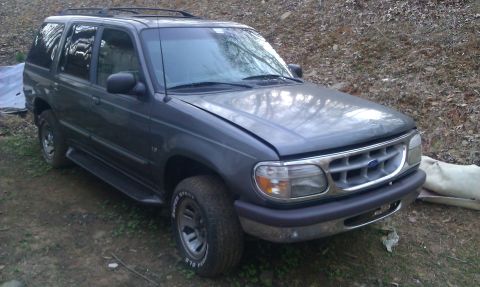
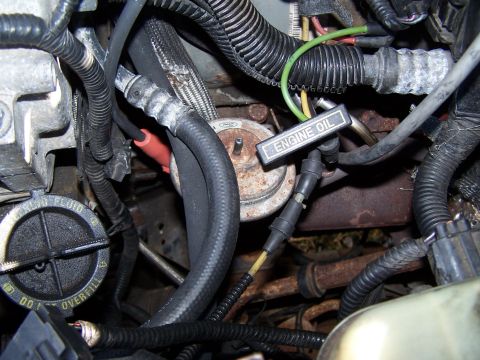
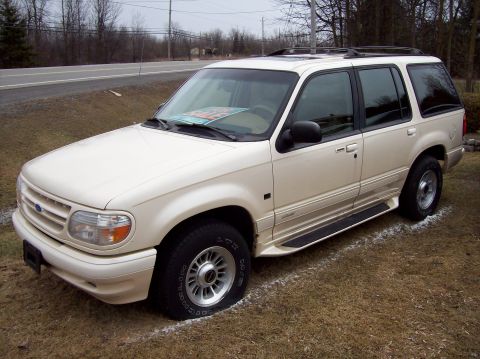
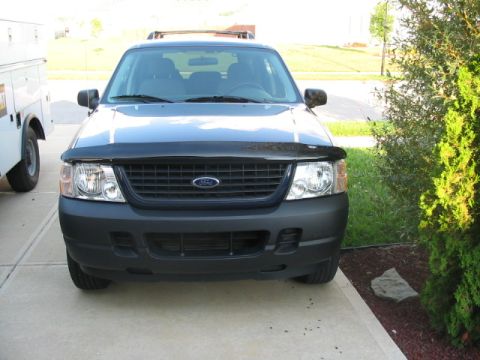
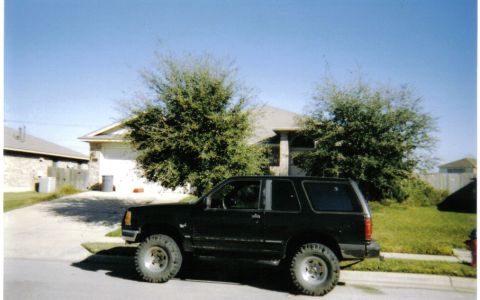
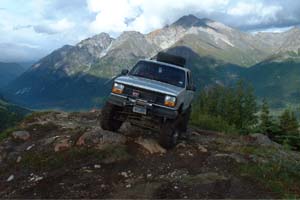
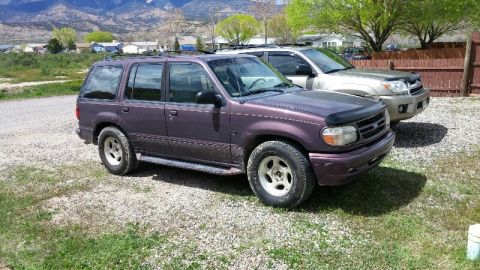
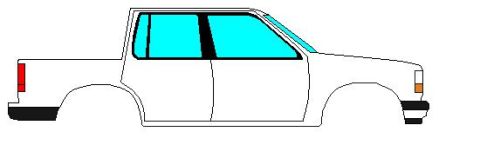
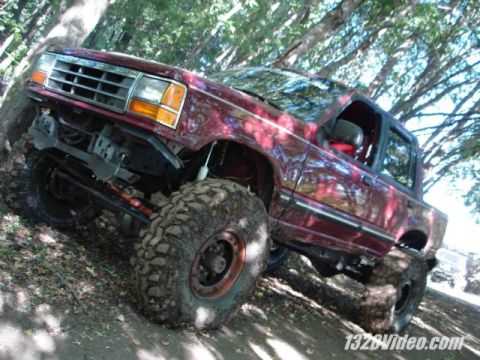
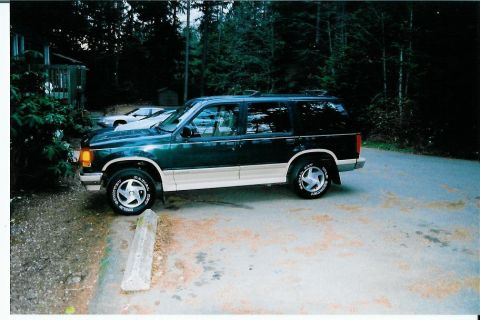
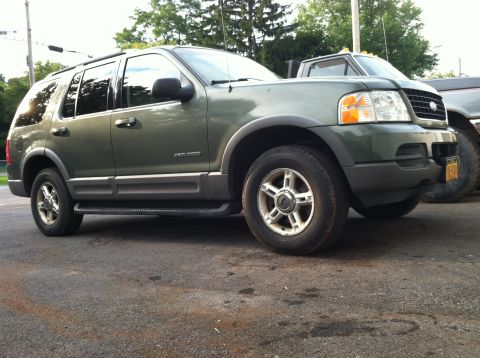
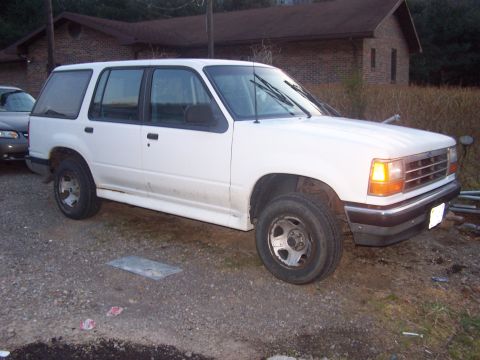
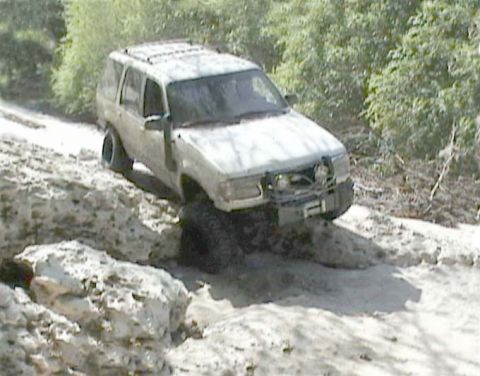
The most-documented Ford Explorers in the registry, every photo by the owner.


Key facts
| Production years | 1991 to present |
|---|---|
| Generations | Six |
| Class | Midsize sport utility vehicle |
| Body styles | Two-door and four-door bodies (first generation) |
| Platforms | Ranger-derived body-on-frame (1991-2001); dedicated Explorer body-on-frame (2002-2010); D4 front-drive unibody (2011-2019); CD6 rear-drive unibody (2020-present) |
| Signature engines | 4.0L OHV V6 (1991-2000); 4.0L SOHC V6 (1997-2010); 5.0L V8 (1996-2001); 4.6L V8 (2002-2010); 3.5L V6 and EcoBoost family (2011-2019); 2.3L EcoBoost I4, 3.0L EcoBoost V6, 3.3L hybrid V6 (2020-2023) |
| Notable variants | Explorer Sport (2013-2019); ST (from 2020); Police Interceptor Utility (from 2013) |
| Related model | Explorer Sport Trac (2001-2010), a pickup-bodied derivative sold as its own model |
Generations at a glance
| Generation | Years | Why it matters |
|---|---|---|
| 1991-1994 First-Generation Explorer (UN46) | 1991-1994 | Replaced the Bronco II on a Ranger-based body-on-frame chassis with the 4.0L OHV V6, offered in two-door and four-door bodies. |
| 1995-2001 Second-Generation Explorer | 1995-2001 | Continued the Ranger-based chassis and added the 5.0L V8 from 1996 and the SOHC 4.0L V6 from 1997. |
| 2002-2005 Third-Generation Explorer | 2002-2005 | Moved to a dedicated Explorer platform with a wider track and new independent rear suspension, plus the 4.6L V8. |
| 2006-2010 Fourth-Generation Explorer | 2006-2010 | The last body-on-frame Explorer, carrying the SOHC 4.0L V6 and a 4.6L SOHC 3-valve V8 through 2010. |
| 2011-2019 Fifth-Generation Explorer (D4) | 2011-2019 | Redesigned as a front-drive-based unibody crossover, introducing EcoBoost engines, the Explorer Sport, and the Police Interceptor Utility. |
| 2020-present Sixth-Generation Explorer (CD6) | 2020-present | Moved to the rear-drive-based CD6 platform shared with the Lincoln Aviator, adding the 400-horsepower ST and the first Explorer hybrid. |
How the Ford Explorer replaced the Bronco II
The Ford Explorer arrived for the 1991 model year as the replacement for the Bronco II, the two-door compact SUV Ford had sold since 1984. Like the Bronco II, the first-generation Explorer was a body-on-frame SUV derived from the Ford Ranger pickup, sharing much of the Ranger's chassis and many of its components. It was offered in both a two-door body and a four-door body, and the four-door gave Ford a family-oriented SUV at a time when the segment was expanding rapidly. The Explorer is widely associated with the growth of the midsize SUV market through the 1990s. Body-on-frame construction continued through the fourth generation, which ended after the 2010 model year, with the 2002-2010 models using dedicated Explorer platforms no longer shared with the Ranger.
Engine eras of the Ford Explorer
For its first two decades the Ford Explorer was built around the 4.0-liter V6. From 1991 the engine was a pushrod overhead-valve (OHV) design derived from Ford's Cologne V6 family. For 1997 Ford added a single-overhead-cam (SOHC) version of the 4.0-liter V6 that produced more power, and the SOHC 4.0 became the Explorer's mainstay V6 through the 2010 model year. Two V8s also appeared in the body-on-frame era: a 5.0-liter overhead-valve V8 offered in the second generation from 1996 through 2001, and a 4.6-liter single-overhead-cam V8 used in the 2002 through 2010 trucks. The 2011 redesign to a unibody crossover replaced the truck engines with a 3.5-liter V6 and the new EcoBoost turbocharged family, including a 2.0-liter four, a twin-turbo 3.5-liter V6 in the Sport and Platinum, and later a 2.3-liter four. The sixth generation from 2020 uses a 2.3-liter EcoBoost four, a twin-turbo 3.0-liter EcoBoost V6 that powers the 400-horsepower ST, and a 3.3-liter hybrid V6 offered through 2023.
The Ford and Firestone tire controversy
In 2000 and 2001 the Ford Explorer was at the center of a tire-safety controversy involving Firestone tires. Tread separations on certain Firestone tires fitted as original equipment to Explorers were linked to crashes, many of them rollovers, and the episode led to recalls of millions of Firestone tires. Firestone recalled tires beginning in 2000, and in 2001 Ford announced a further replacement program; the two companies, whose business relationship dated back decades, publicly broke with each other over responsibility. The third-generation Explorer that arrived for 2002 was engineered with a wider track and a new independent rear suspension, changes Ford described as improving stability.
The 2011 unibody redesign and the 2020 rear-drive platform
For the 2011 model year Ford redesigned the Explorer as a unibody crossover on the front-drive-based D4 platform, ending the body-on-frame construction used since 1991. The fifth-generation Explorer introduced EcoBoost turbocharged engines, the performance-oriented Explorer Sport with a twin-turbo 3.5-liter V6, and the Police Interceptor Utility fleet model. For 2020 Ford moved the Explorer again, to the rear-wheel-drive-based CD6 unibody platform shared with the Lincoln Aviator. The sixth-generation Explorer is rear-drive by default with all-wheel drive optional, and it added the 400-horsepower ST and the first Explorer hybrid.
The Explorer Sport Trac
The Ford Explorer Sport Trac was a derivative that combined Explorer SUV styling with an open pickup bed, sold from the 2001 model year through 2010. It was based on the body-on-frame Explorer chassis and is generally treated as its own model rather than a body style of the Explorer SUV. When the Explorer moved to a unibody platform for 2011, the body-on-frame Sport Trac was not continued. This page covers the Explorer SUV; the Sport Trac is noted here only for context.
Frequently asked questions
When did the Ford Explorer first appear?
The Ford Explorer first appeared for the 1991 model year as the replacement for the two-door Bronco II. Like the Bronco II, the first Explorer was a body-on-frame SUV derived from the Ford Ranger pickup, and it was offered in both two-door and four-door bodies.
What engines has the Ford Explorer used?
The Ford Explorer used the 4.0-liter V6 for its first two decades, in pushrod OHV form from 1991 and in SOHC form from 1997 through 2010. A 5.0-liter V8 was offered from 1996 through 2001 and a 4.6-liter V8 from 2002 through 2010. The 2011 unibody redesign brought a 3.5-liter V6 and EcoBoost turbocharged engines, and the sixth generation from 2020 uses 2.3-liter and 3.0-liter EcoBoost engines, plus a 3.3-liter hybrid offered through 2023.
What was the Ford Explorer and Firestone controversy?
In 2000 and 2001, tread separations on certain Firestone tires fitted to Ford Explorers were linked to crashes, many of them rollovers, leading to recalls of millions of tires and a public split between Ford and Firestone. The 2002 third-generation Explorer was redesigned with a wider track and a new independent rear suspension.
When did the Ford Explorer become a unibody crossover?
The Ford Explorer became a unibody crossover for the 2011 model year, when it moved to the front-drive-based D4 platform and ended the body-on-frame construction it had used since 1991. For 2020 it moved again to the rear-wheel-drive-based CD6 unibody platform.
Is the Explorer Sport Trac the same as the Explorer?
No. The Ford Explorer Sport Trac, sold from 2001 through 2010, was a pickup-bodied derivative based on the body-on-frame Explorer chassis and is generally treated as its own model. It was not continued when the Explorer moved to a unibody platform for 2011.
Sources
- Ford factory specification sheets and press materials for the 1991-present Explorer
- Wikipedia, Ford Explorer, and Ford CD6 platform
- Contemporary coverage of the Ford and Firestone tire recalls (2000-2001)
- Ford Explorer generation histories and engine references
Asked all the time
When did the Ford Explorer first appear?
The Ford Explorer first appeared for the 1991 model year as the replacement for the two-door Bronco II. Like the Bronco II, the first Explorer was a body-on-frame SUV derived from the Ford Ranger pickup, and it was offered in both two-door and four-door bodies.
What engines has the Ford Explorer used?
The Ford Explorer used the 4.0-liter V6 for its first two decades, in pushrod OHV form from 1991 and in SOHC form from 1997 through 2010. A 5.0-liter V8 was offered from 1996 through 2001 and a 4.6-liter V8 from 2002 through 2010. The 2011 unibody redesign brought a 3.5-liter V6 and EcoBoost turbocharged engines, and the sixth generation from 2020 uses 2.3-liter and 3.0-liter EcoBoost engines, plus a 3.3-liter hybrid offered through 2023.
What was the Ford Explorer and Firestone controversy?
In 2000 and 2001, tread separations on certain Firestone tires fitted to Ford Explorers were linked to crashes, many of them rollovers, leading to recalls of millions of tires and a public split between Ford and Firestone. The 2002 third-generation Explorer was redesigned with a wider track and a new independent rear suspension.
When did the Ford Explorer become a unibody crossover?
The Ford Explorer became a unibody crossover for the 2011 model year, when it moved to the front-drive-based D4 platform and ended the body-on-frame construction it had used since 1991. For 2020 it moved again to the rear-wheel-drive-based CD6 unibody platform.
Is the Explorer Sport Trac the same as the Explorer?
No. The Ford Explorer Sport Trac, sold from 2001 through 2010, was a pickup-bodied derivative based on the body-on-frame Explorer chassis and is generally treated as its own model. It was not continued when the Explorer moved to a unibody platform for 2011.